
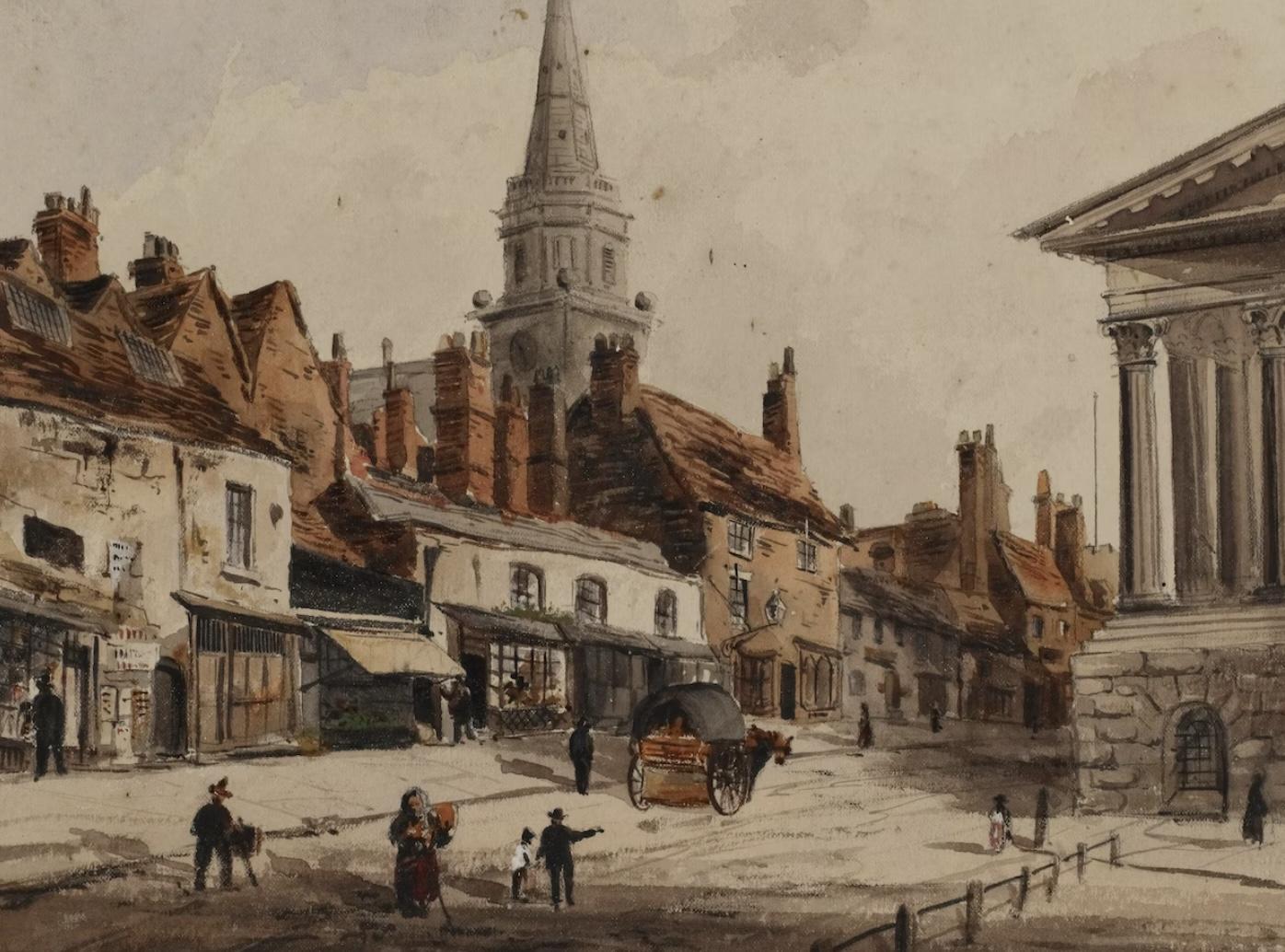

The history of art dates back hundreds of thousands of years, and this is just the art that we know about.
Art history traces all the way back to the times when there were rudimental cave paintings and sculptures created by ancient civilisations. Understanding art helps us to understand the whole of human history, and these ancient artworks have provided an invaluable insight.
In recent years and even recent centuries, we have a relatively good record of what was happening through the written word. Many of the great artists of the last few centuries also have plenty of work that has survived and can be seen in art galleries, but these earliest artworks are incredibly rare.
So what is art history and if you choose to study art what sort of things will you cover in this subject?





Why is Art History Important?
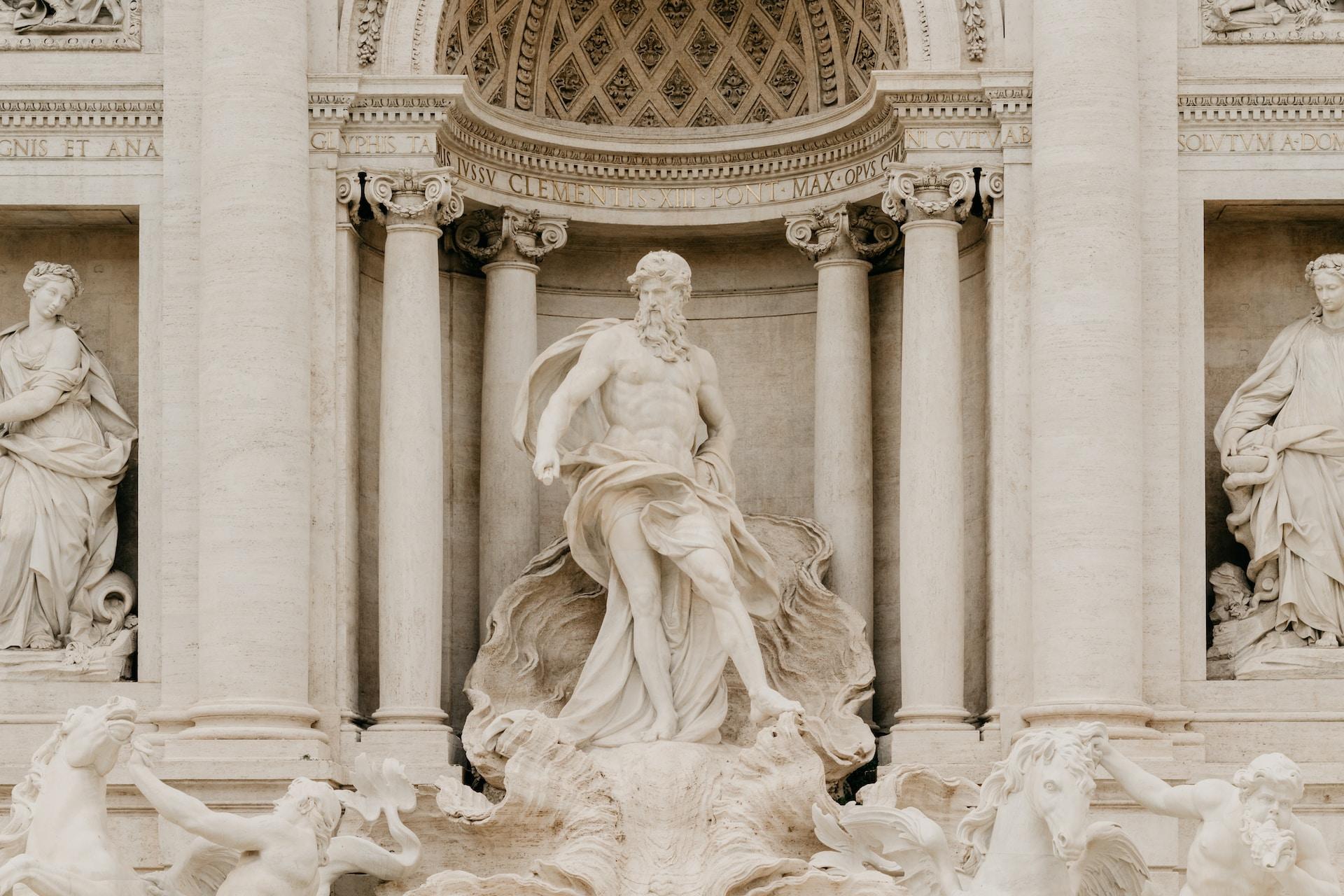
The subject of art raises some important and philosophical questions. What is art? Why does it matter?
Some people are even of the opinion that art isn’t particularly important. In the modern age we see plenty of contemporary artists exhibiting work including street art, and people dismissing this as not even being real art.
These debates are for another day, but what is not up for debate is the fact that art, and the history of art, are crucial for our understanding of what went before.
“Art history provides a means by which we can understand our human past and its relationship to our present, because the act of making art is one of humanity’s most ubiquitous activities.
As an art historian you will learn about this rich and fundamental strand of human culture.”
Bristol University
Art history teaches us about what was important to societies at the time. The things depicted within the art and the style in which they are used show us a lot about the time period. For example, a lot of societies creating art throughout history have depicted animals that were adored and revered.
As time went on, the records of art that were available became better known. There are more records of art over the last thousand years or so than there ever were before, for instance. Works have been destroyed by war, natural disasters, and other events through history.
The art has taught us about how cultures approached religion, how they treated other people, how their wealthy and monarchs were treated.
The analysis of art history goes into far more depth than just a few surface insights and the role of art within society. How important was art through each of these periods?
Art history is also about the art itself, and how techniques and methods evolved. How did one artist influence another, for instance? What are the methods that were used? How did the role of art in society change? From celebrating nature in cave paintings through to creating a record of the revered figures in society, and even to being used in propaganda, art has always had importance.
A Brief Timeline of Art
When you walk around an art gallery or read through lists of influential artists it can be hard to contextualise this in terms of the time periods. Though the time periods themselves are often debated somewhat, we can put things into a rough timeline to help to understand the different movements.
It is hard to even conceive of the age of some artwork. The oldest prehistoric art is a series of petroglyphs (Bhimbetka Petroglyphs) which were uncovered during the 1990s in two ancient quartzite caves in India. The art consists of depressions that have been chiselled and hammered out of the surface of the rock, and thanks to ageing the sites we know that these depressions come from, at the earliest, 290,000 BCE.
Dating methods have become even more advanced, and it is possible that the work may be from as early as 700,000 BCE.
The table below shows some of the art movements throughout history, not accounting for prehistoric art or anything before the year 1000 AD. The further we go back in time, the harder it is to define specific artistic “movements” in the same way.
| Art Period | Years |
| Romanesque | 1000 – 1150 |
| Gothic | 1140 – 1600 |
| Renaissance | 1495 – 1527 |
| Mannerism | 1520 – 1600 |
| Baroque | 1600 – 1725 |
| Rococo | 1720 – 1760 |
| Neoclassicism | 1770 – 1840 |
| Romanticism | 1800 – 1850 |
| Realism | 1840 – 1870 |
| Impressionism | Late 1800s |
| Naturalism | Late 1800s |
| Post-Impressionism | 1880 – 1920 |
| Symbolism | 1880 – 1910 |
| Expressionism | 1890 – 1939 |
| Art Nouveau | 1895 – 1915 |
| Cubism | 1905 – 1939 |
| Futurism | 1909 – 1918 |
| Dadaism | 1912 – 1923 |
| New Objectivity | 1918 – 1933 |
| Art Deco | 1920 – 1935 |
| Bauhaus | 1920 – 1930 |
| Surrealism | 1924 – 1950 |
| Abstract Expressionism | 1945 – 1960 |
| Pop-Art | 1956 – 1969 |
| Minimalism | 1960 – 1975 |
| Photorealism | 1968 – |
| Contemporary Art | Debatable |
What to Expect When Studying Art History

With the undeniable importance of art history, it is no surprise that it is offered as a degree (or part of a degree) in many different universities.
If you choose to study art history, expect to spend a lot of your time honing your visual skills as well as critical skills. Studying art history involves an amazing level of critical thinking, which can help with all forms of life.
Of course, you will also build an extensive knowledge of art and the styles that were used, as well as artistic movements.
The course will involve spending time visiting art galleries and analysing both works known to everybody and some of the lesser-known artists.
It doesn’t involve creating art, but many people who are beginners or have just started painting and drawing find this an advantage. You don’t have to be a talented artist to be an art historian.
Skills and Methodology When Studying Art History
When studying art history or practising as an art historian, there are many different skills and methodologies used. Theories from the likes of Marx and Freud are put into practice, and art history has crossover with fields such as psychology and history itself.
Art historians need to consider the context of the period of time. The methodologies include analysing the form of the art, how it was composed, whether it is 2D or 3D, what it is meant to represent…
Beyond this, there are abstract works of art, which create impressions of things that are not necessarily meant to be accurate. Much of this work represents things such as the way the artist was feeling and a point they are trying to make.
For historical art, a lot of the skill comes in contextualising and turning this art into a piece of history that makes sense in the context of time. Understanding the techniques used is also a part of the skill.
Other skills used include critical thinking, analysis skills, and creativity. Many who are interested in creating artwork themselves are drawn to art history as they learn more about the skills of the masters and the sort of methods that they were using.
Famous Art Historians
Famous art historians that have played a key role in our understanding of art include:
Giorgio Vasari
Giorgio Vasari, an Italian painter and writer, is regarded as one of the earliest art historians. He wrote "The Lives of the Most Excellent Painters, Sculptors, and Architects," a comprehensive biographical work that documented the lives and works of Italian Renaissance artists.
Linda Nochlin
Linda Nochlin, an American art historian, was known for her feminist perspective on art history. Her influential essay, "Why Have There Been No Great Women Artists?" challenged traditional narratives and shed light on the societal and institutional barriers that hindered the recognition and success of women in the art world.
T. J. Clark
Timothy James Clark, more commonly known as T. J. Clark, is a British art historian and critic. His writings often explore British artists, and the social and political dimensions of art. He has worked as a lecturer at Harvard. Clark's works, such as "The Painting of Modern Life" and "Farewell to an Idea," are often very highly regarded for their insightful analysis and innovative interpretations of a variety of artworks.
The Importance of the History of Art
Art is part of culture, and it is actually one of the most important aspects of human culture. We have surviving art from way before many other forms of expression including photography, music, and literature. This means it plays a unique role in helping us to analyse and understand what has happened throughout history.
Art history is a fascinating subject that has aspects of historical studies, but also requires a lot of analysis and critical thinking, and arguably some level of creativity within your own thinking.
Summarise with AI:
Did you like this article? Leave a rating!

 Loading...
