


The world of visual storytelling is vast and multifaceted, offering numerous avenues for creative expression. Whether you aspire to be a known cinematographer, direct a production company, make impactful documentaries, or craft compelling scripts, your journey is an exciting odyssey filled with opportunities for growth and creative fulfillment.
By embracing your passion for storytelling and investing in the skills and relationships necessary for success, you can reach new heights in visual storytelling. Your creative journey is a testament to the limitless possibilities that await in the world of cinematography, production, documentary filmmaking, and scriptwriting.


Launching Your own Video Production Company
A production company, also known as a video production agency, is a creative and logistical entity dedicated to the art and science of producing video content for a multitude of purposes. Their role is to take abstract video concepts and transform them into captivating visual stories that resonate with their intended audience.
To fully comprehend the responsibilities and functions of a production company, it's essential to break down the various stages of the video production process.
- Conceptualization: One of the initial and fundamental steps involves collaborating with clients to conceptualize video projects. This stage is marked by a thorough understanding of the client's objectives, target audience, and the core message the video needs to convey.
- Planning and Pre-Production: Once the concept takes shape, the production company steps in to plan every aspect of the project. This includes budgeting, scriptwriting, location scouting, casting, and securing necessary permits for filming.
- Storyboarding: To provide a visual outline of how the video will unfold, production companies often create storyboards. These are a series of illustrated panels that depict each scene, offering a blueprint for the production team and ensuring alignment with the initial concept.
- Filming: At the heart of video production lies the filming stage. This is where production companies manage the logistics, from selecting the right equipment to hiring skilled crew members. Their oversight ensures the capture of necessary footage according to the script and storyboard.
- Editing: After filming, raw footage is meticulously reviewed and edited. Production company editors are responsible for selecting the best shots, arranging them into a coherent narrative, and adding transitions, effects, and music to create a polished video.
- Post-Production: Beyond editing, post-production entails tasks like color correction, sound mixing, and adding final touches to ensure the video meets high-quality standards.
- Client Collaboration: Throughout the process, production companies maintain open communication with the client. They provide regular updates, seek feedback, and make necessary adjustments to ensure the final product aligns with the client's vision and objectives.
Production companies serve a wide range of purposes, including corporate video production for businesses, commercial video production for brand advertisements, marketing video production for digital engagement, and website video production to capture online audiences.
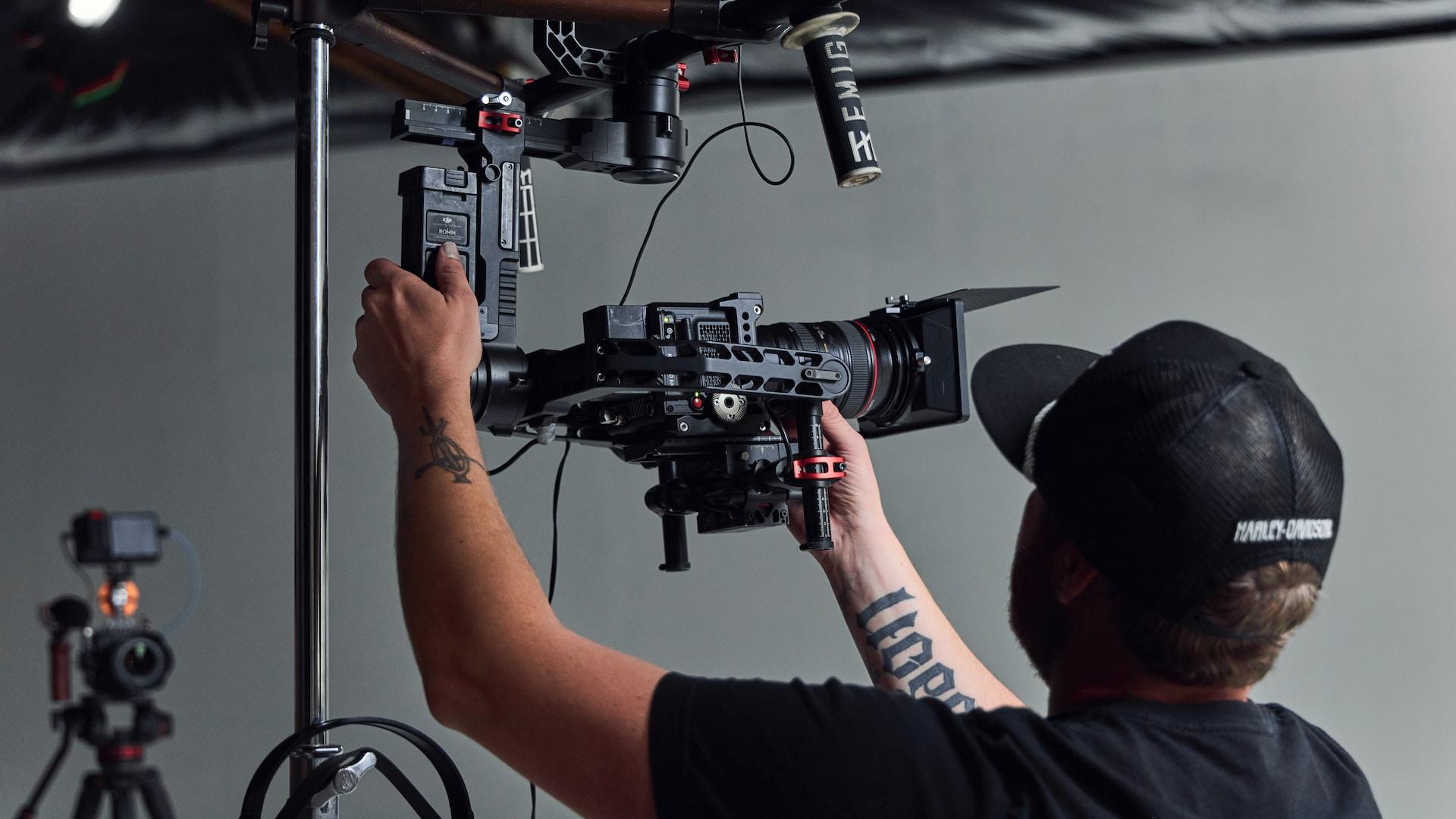
A production company is a key player in the world of video production, responsible for turning ideas into compelling visual content. They handle every detail, from concept to delivery, ensuring the final product effectively communicates the intended message and resonates with the target audience.
How to Become a Cinematographer
A cinematographer, often referred to as a DP (Director of Photography), is the creative force behind the visual elements of a film or video production. Their key responsibilities include:
- Shot Composition: Cinematographers determine how each shot will be framed, selecting angles and perspectives to enhance storytelling.
- Camera Movement: They decide when and how the camera should move to create dynamic shots, using techniques like tracking, panning, tilting, or stabilizing equipment.
- Visual Style: They collaborate with the director to establish a visual style that complements the narrative and conveys the emotional tone of the story.
- Camera and Equipment Selection: Cinematographers choose the appropriate cameras, lenses, and equipment to achieve the desired visual effects.
- Collaboration: They work closely with the director, production designer, and other crew members to ensure a cohesive visual approach.
For those aspiring to become cinematographers, the following steps can help kickstart their journey:
- Education: Pursue formal education in film, cinematography, or a related field. Many reputable film schools offer specialized cinematography programs.
- Hands-On Experience: Gain practical experience by working in various roles on film sets, such as a camera assistant or gaffer. Hands-on experience is invaluable for skill development.
- Networking: Build a network within the industry, as it can lead to valuable opportunities and collaborations with seasoned professionals.
- Create a Reel: Develop a portfolio showcasing your best work. A strong reel is essential when seeking cinematography jobs.
- Stay Informed: Keep abreast of industry trends, new camera technologies, and emerging cinematography techniques. Staying informed is crucial for professional growth.
The cinematographer's role is crucial in bringing a film to life by shaping its visual language and aesthetics. Their ability to convey the director's vision through the lens and composition, and collaborative skills set them apart in the world of filmmaking.
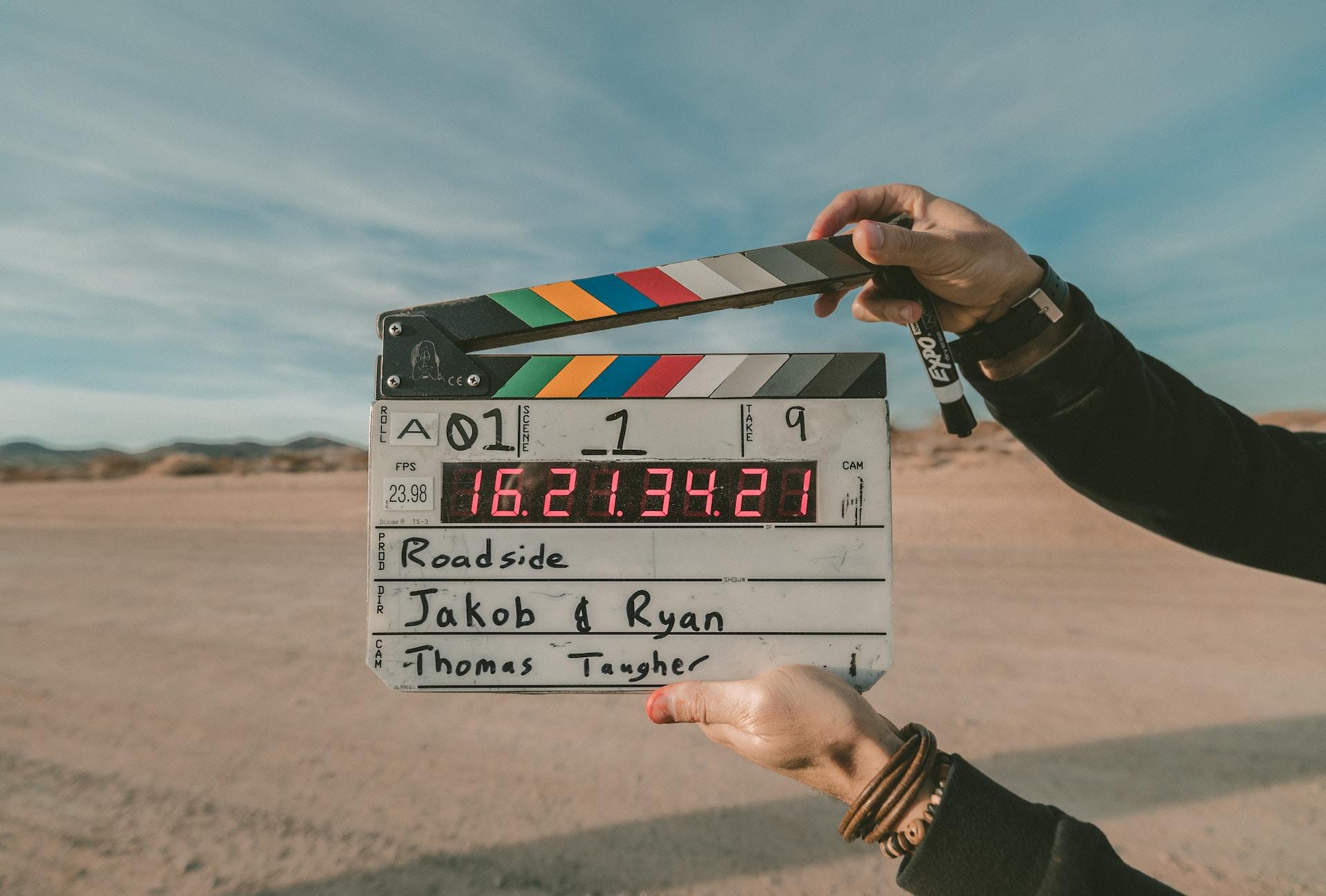
Aspiring cinematographers can progress in their careers by continually refining their skills, accumulating experience, and maintaining dedication to the craft of visual storytelling, thus contributing to the art and impact of filmmaking.
Directing Documentaries
A good documentary is a combination of effective storytelling techniques, authenticity, the capture of unique perspectives, and the ability to evoke social impact. It achieves this by engaging the audience emotionally and creating a connection that leaves a lasting impression.
- Compelling Subject Matter: The subject should be interesting, relevant, and appealing to the target audience, whether it's a controversial issue, a remarkable person, an unexplored phenomenon, or a captivating event.
- Clear Narrative Structure: A good documentary follows a structured storyline with a beginning, middle, and end, maintaining audience engagement.
- Research and Accuracy: Well-researched, factually accurate content is crucial for a documentary's integrity.
- Compelling Visuals: High-quality cinematography, well-composed shots, and the use of visual elements like archival footage and photographs enhance the viewer's experience.
- Emotional Connection: Personal stories, testimonials, and human aspects of the subject matter create an emotional connection with the audience.
- Strong Interviews: Insightful and engaging interviews with experts or those affected by the subject matter provide valuable perspectives.
- Balanced Representation: Documentaries should strive for balance and fairness when presenting various perspectives on a subject, especially with controversial or complex issues.
- Effective Use of Music and Sound: Music and sound design greatly impact the emotional connection with the audience.
- Editing: Skillful editing shapes the story, maintains pacing, and creates a cohesive final product.
- Cinematic Style: Cinematic techniques, including creative camera angles and visual effects, can elevate the quality of the documentary.
- Message or Purpose: A clear message or purpose guides the documentary, whether it's to raise awareness, inspire change, or educate.
- Ethical Considerations: Filmmakers must respect the dignity and privacy of their subjects and adhere to ethical guidelines.
- Impact: A successful documentary leaves a lasting impression on the audience, motivating them to think, discuss, or take action related to the subject matter.
Ultimately, what makes a good documentary can vary based on the filmmaker's goals and audience preferences. A balance of these elements contributes to creating a documentary that resonates with viewers and fulfills its intended purpose.
In documentary filmmaking, capturing compelling visuals is crucial. This involves using camera angles, movements, lighting techniques, and composition to convey the story effectively.
The depth of field, cinematic aesthetics, and the use of B-roll, reenactments, and animation are other important considerations in cinematography. Documentaries often rely on time-lapse, slow-motion, and visual metaphors to offer unique perspectives and enhance storytelling.

Challenges in documentary production, such as limited access, ethical concerns, and funding issues, require creativity and adaptability. Advancements in digital technologies and distribution methods offer new opportunities for filmmakers to reach wider audiences.
Passion for storytelling, authenticity, and the desire to invoke social change are the driving forces behind successful documentary filmmaking. By staying informed about developments in the field and experimenting with innovative techniques, filmmakers can create thought-provoking content that resonates with global audiences.
How to Become a Scriptwriter
Transitioning from a career as a videographer, for example, to a scriptwriter is a rewarding journey. Scriptwriting is a challenging yet fulfilling path that involves crafting captivating narratives and engaging dialogue, leaving a lasting impact on the audience.
As a scriptwriter, you have the power to make people laugh, cry, and reflect on the themes and messages embedded in films and TV shows. This transition opens doors to the world of storytelling and creative expression.
Becoming a screenwriter involves several key steps:
- Learn Scriptwriting: Start by studying the basics of scriptwriting, including script structure, character development, dialogue writing, and scene construction. Consider taking online courses or attending workshops to gain knowledge in this field.
- Write Actively: Practice scriptwritingconsistently by creating short films, feature-length scripts, and TV pilots. Seek feedback from fellow writers or producers to enhance your writing skills.
- Build a Portfolio: Compile a portfolio showcasing your scripts. A strong portfolio is crucial when submitting scripts for job opportunities or contests. The more scripts you have, the better your chances.
- Submit Scripts: When submitting your scripts, start with a compelling logline, a concise one or two-sentence summary of your script. Send your work to production companies, agents, and managers who align with your script's genre and style.
- Persistence and Patience: Success as a scriptwriter requires persistence, determination, and patience. Don't be disheartened by initial rejections. Keep improving your craft and continue submitting your work.

The world of visual storytelling is wide and varied, offering many opportunities for creative expression. Whether you want to become a celebrated cinematographer, run a production company, make compelling documentaries or create captivating scripts, your journey is an exciting odyssey full of opportunities for growth and creative fulfilment.
By harnessing your passion for storytelling and investing in the skills and relationships needed to succeed, you can reach new heights in visual storytelling. Your creative journey is a testament to the limitless possibilities that await you in film, production, documentary and screenwriting.
Summarise with AI:
Did you like this article? Leave a rating!

 Loading...
