
There are so many different styles, so deciding on the best martial art to learn can be difficult. From striking-focused styles like Muay Thai and boxing to grappling systems like BJJ and judo, it can be hard to determine which style is right for you. Luckily, we will review them and show you what some of the most popular martial arts can offer.
Before we dive deeper into each martial art style, let's see which are some of the best martial arts to learn and what they're most useful for.
This list contains some of the most effective martial arts for self defence and the easiest martial arts to learn as a beginner.
| Style | Core Focus | Best For |
|---|---|---|
| Boxing | Punching, footwork, defensive movement | Fitness, self defence, striking fundamentals |
| Muay Thai | Elbows, knees, clinch, full-body striking | Conditioning, powerful striking, MMA foundation |
| Taekwondo | Kicking, speed, agility | Kids, beginners, flexibility and sport training |
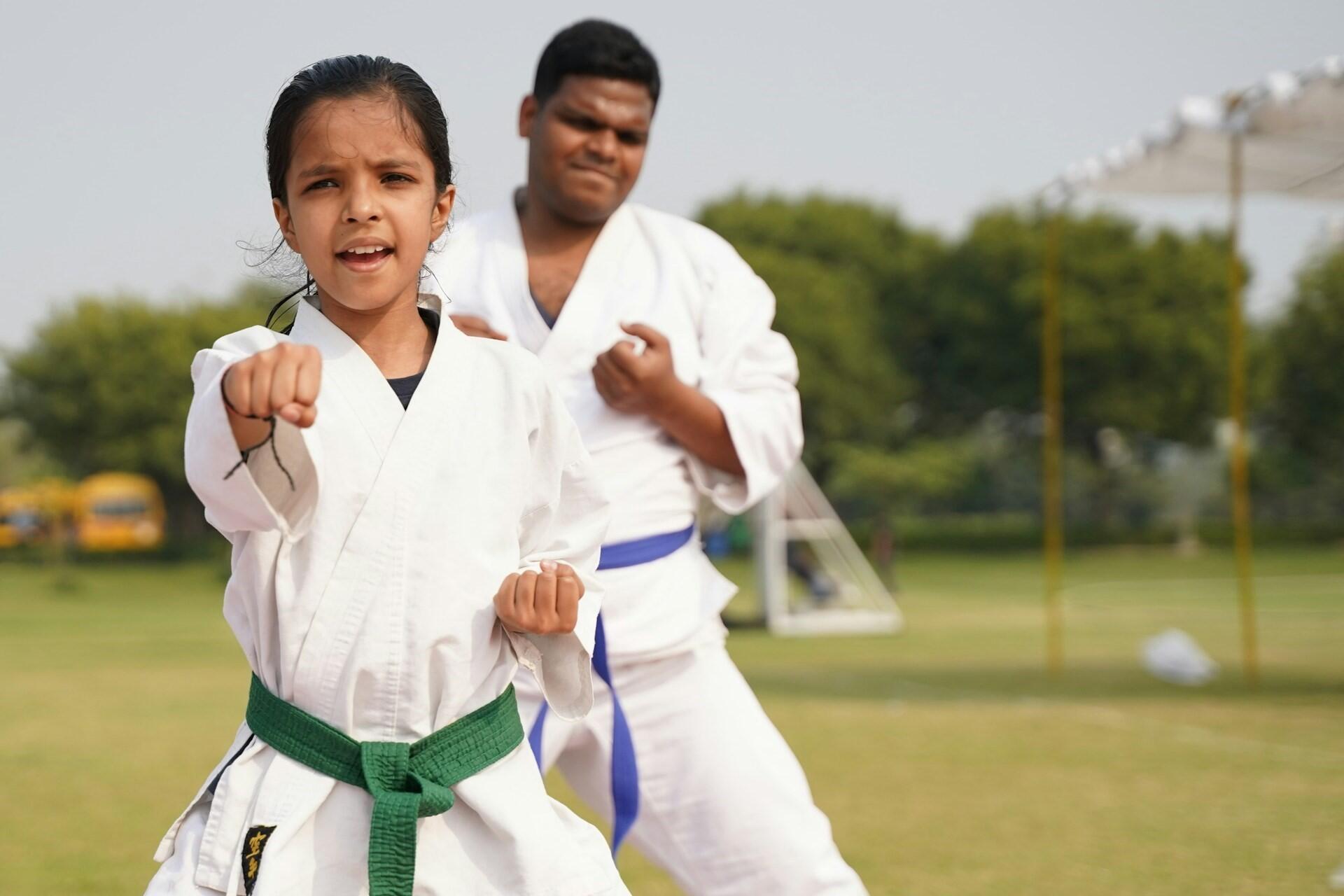
| Karate | Striking, kata, discipline | Beginners, structure, traditional values |
| Brazilian Jiu-Jitsu | Ground grappling, submissions, control | Self defence, technique over strength, BJJ/MMA |
| Judo | Throws, balance, leverage | Control, kids, non-striking defence |
| Wrestling | Takedowns, control, physicality | Athletes, MMA base, close-quarters fighting |
| Krav Maga | Real-world defence, strikes, weapons | Self defence, law enforcement, street scenarios |
| MMA | Mixed striking and grappling | Versatility, competition, practical fighting |
| Jeet Kune Do | Interception, adaptability, philosophy | Personal expression, blended techniques |



Striking Styles: Power, Speed, and Precision
For our comparisons, we've divided martial arts styles into three main areas: striking, grappling, and hybrid. While most styles will likely include a mix of these, some focus more on one than the other, with the hybrid styles having a more equal blend.
different martial arts styles around the world.
Our striking-style martial arts include punches, kicks, elbows, knees, and other kinds of hits.
Their high intensity makes them suitable for fitness, coordination, mental clarity, and personal discipline. Most of these styles are great for beginners and experienced martial artists.
Boxing
Origin
Western (Global)
Core Focus
Hand strikes, footwork, and head movement
Best For
Beginners, fitness lovers, quick self-improvement
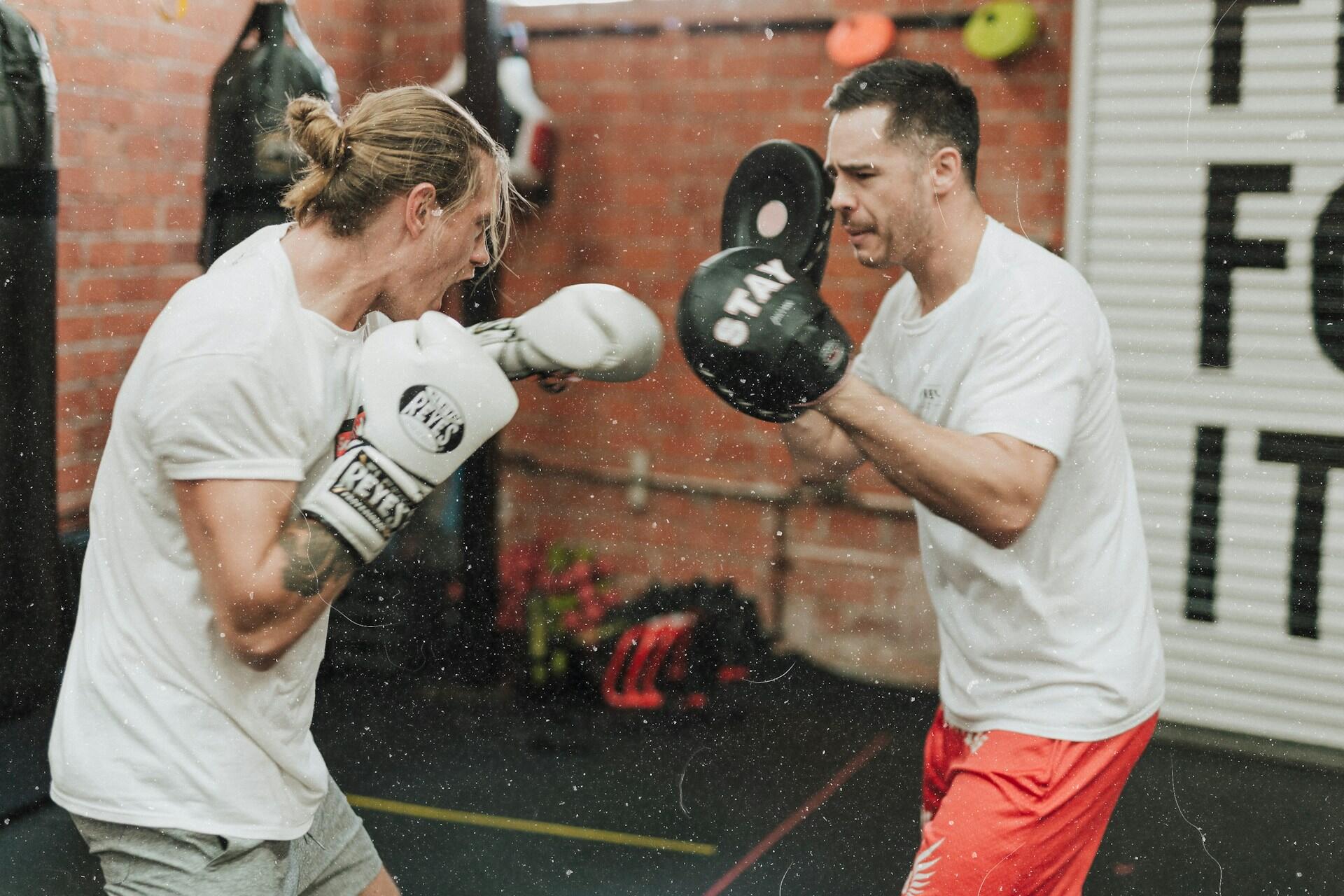
With its focus on hand strikes, footwork, and timing, boxing is an excellent martial art for cardio, hand-eye coordination, and mental toughness.
In a sense, boxing is quite simple and accessible, and its constant motion is a great workout. However, don't confuse simplicity with ease; it just means that it's easier to get started with boxing than some other styles of martial arts.
The ceiling for boxing is very high, though, as it requires incredible reactions, focus, and physical endurance to become good at it.
It's an excellent option for adults seeking intense workouts, mental focus, and harder hits. However, it doesn't include any ground fighting or kicking.
Muay Thai
Origin
Thailand
Core Focus
Elbows, knees, full-body strikes
Best For
Intensity, conditioning, close-range striking
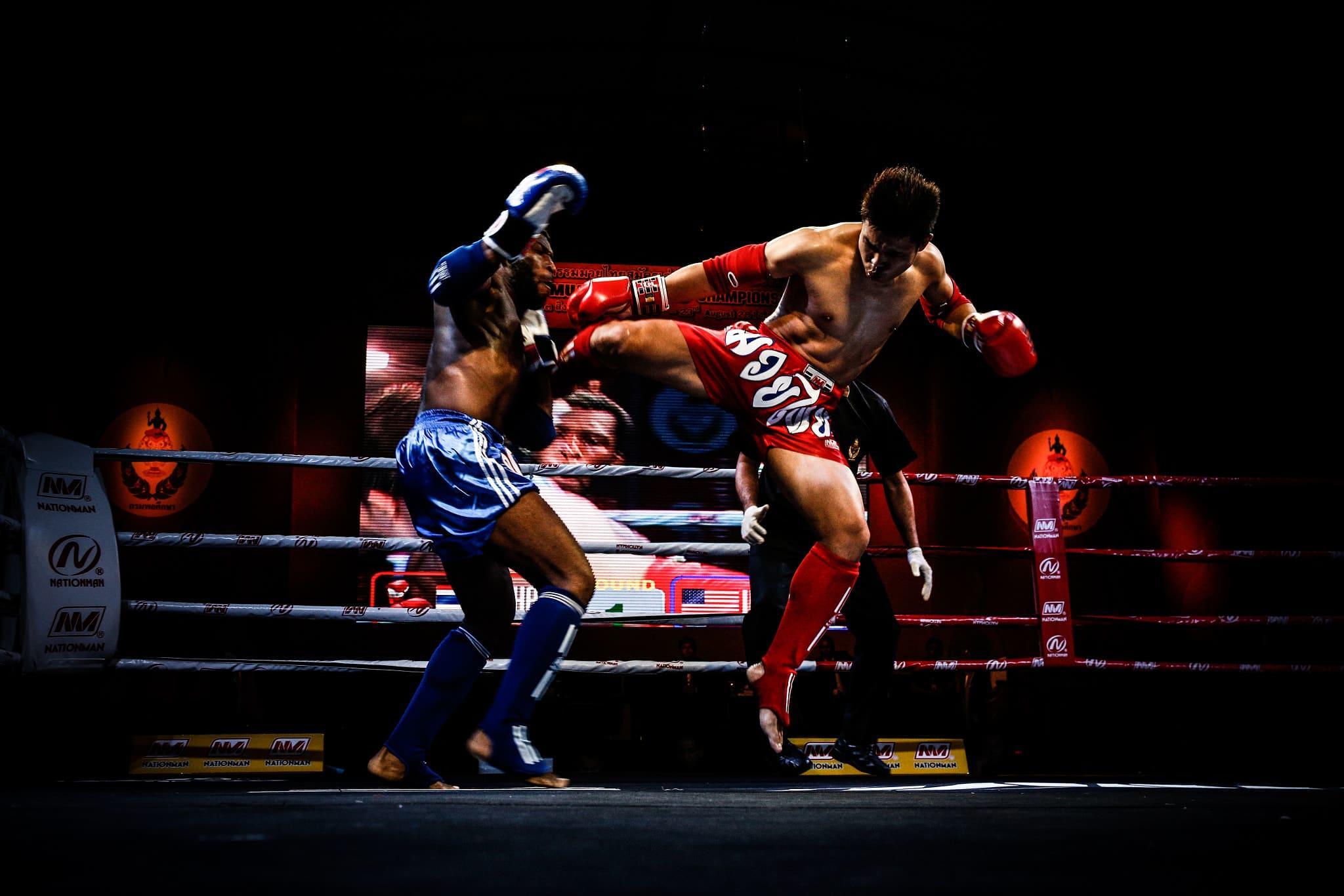
Muay Thai is a martial art that focuses on punches, kicks, elbows, and knees. It's known as the "Art of Eight Limbs" because there are effectively four ways to strike your opponent on each side of the body.
Training focuses on explosive power, flexibility, and grit and is excellent for those looking for a physical and mental challenge.
Fitness lovers, competitive athletes, and those looking for high-intensity routines should consider it.
However, it doesn't offer much in terms of grappling, formal kata, or a traditional hierarchy.
Taekwondo
Origin
Korea
Core Focus
High-speed, dynamic kicks
Best For
Kids, teens, flexibility, structured progression
Taekwondo is a Korean martial art that involves a lot of kicking. It combines speed, agility, and kicks with a structured belt-based system that is great for those looking for motivation.
It's one of the best martial arts for kids and teens because it's fun and dynamic while helping to develop discipline, confidence, and body control.
While still an incredibly beneficial martial art, it doesn't focus much on close-range fighting, grappling, or techniques for the real world.
Enjoy some of the finest taekwondo at the Tokyo 2020 Olympics.
Karate
Origin
Japan
Core Focus
Discipline, kata, linear strikes
Best For
Traditional learning, confidence, structure
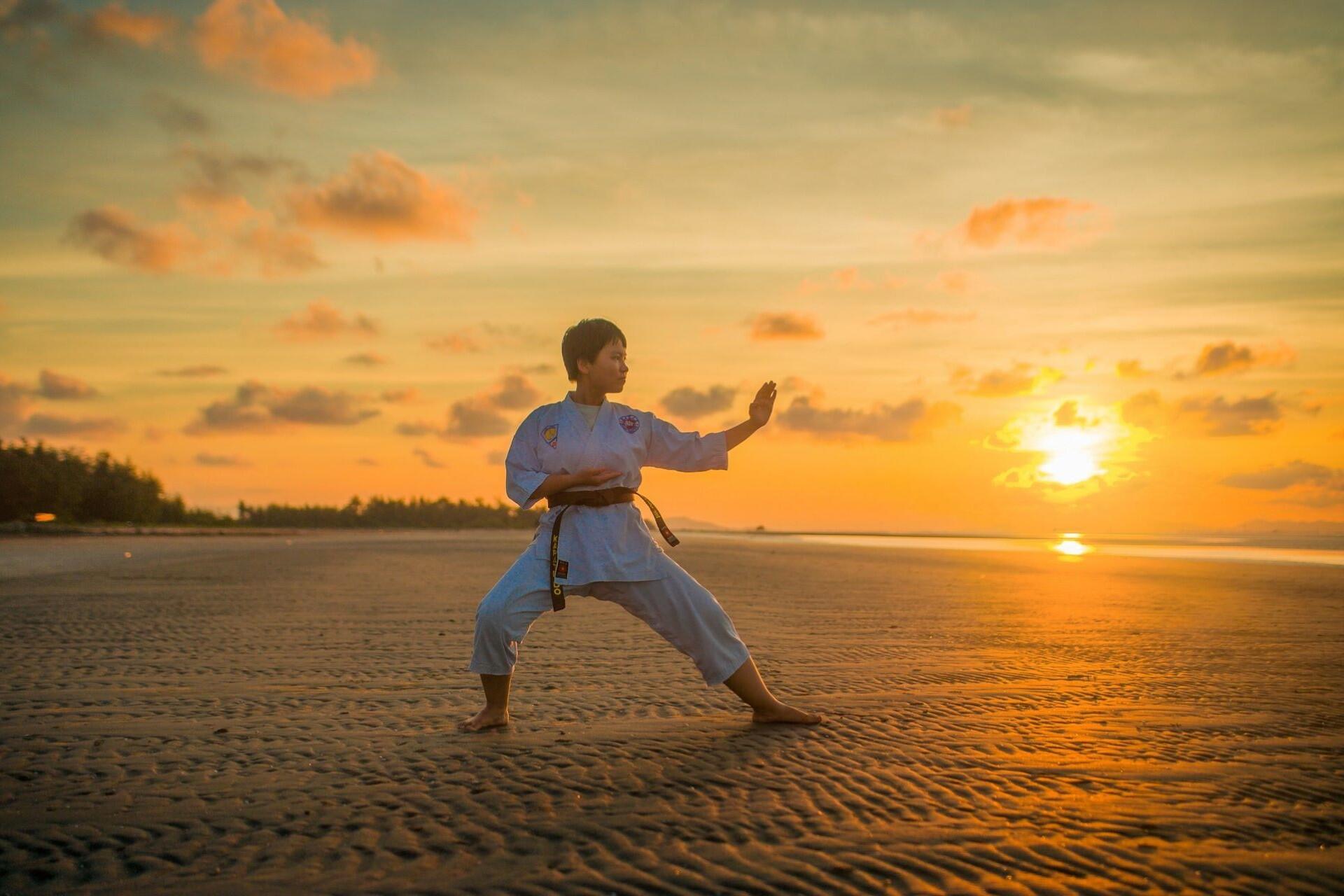
One of the most popular martial arts, karate offers one of the most structured progression systems.
Blending powerful, efficient movements, it's excellent for mental discipline, self-confidence, and personal growth.
Again, depending on the style, it mightn't have the real-world applications other styles offer. It mightn't be the first discipline to consider if you're looking for ways to learn to defend yourself.
Grappling Styles: Control, Takedowns, and Submissions
Martial arts focusing on grappling tend to have more real-world applications since they're better for self-defence, with attacks or fights often going to the ground.
These styles focus more on throws, holds, positioning, and submissions and less focus on hard-hitting strikes.
That isn't to say that they don't include any, but they often focus on patience and technical skill rather than throwing punches or kicks.
Brazilian Jiu-Jitsu (BJJ)
Origin
Brazil
Core Focus
Submissions, ground control, leverage
Best For
Self-defence, smaller practitioners, problem-solvers
Brazilian Jiu-Jitsu is one of the most impressive martial arts and the most popular grappling styles in the world. It's also one of the foundational disciplines in mixed martial arts (MMA).
It's one of the styles in which technique can beat strength. It involves strategic thinking, problem-solving, and one-on-one training.
Sparring is integral to training and can help you develop your resilience and composure, making it beneficial for self-defence.
Judo
Origin
Japan
Core Focus
Throws, pins, off-balancing
Best For
Kids, coordination, non-striking control
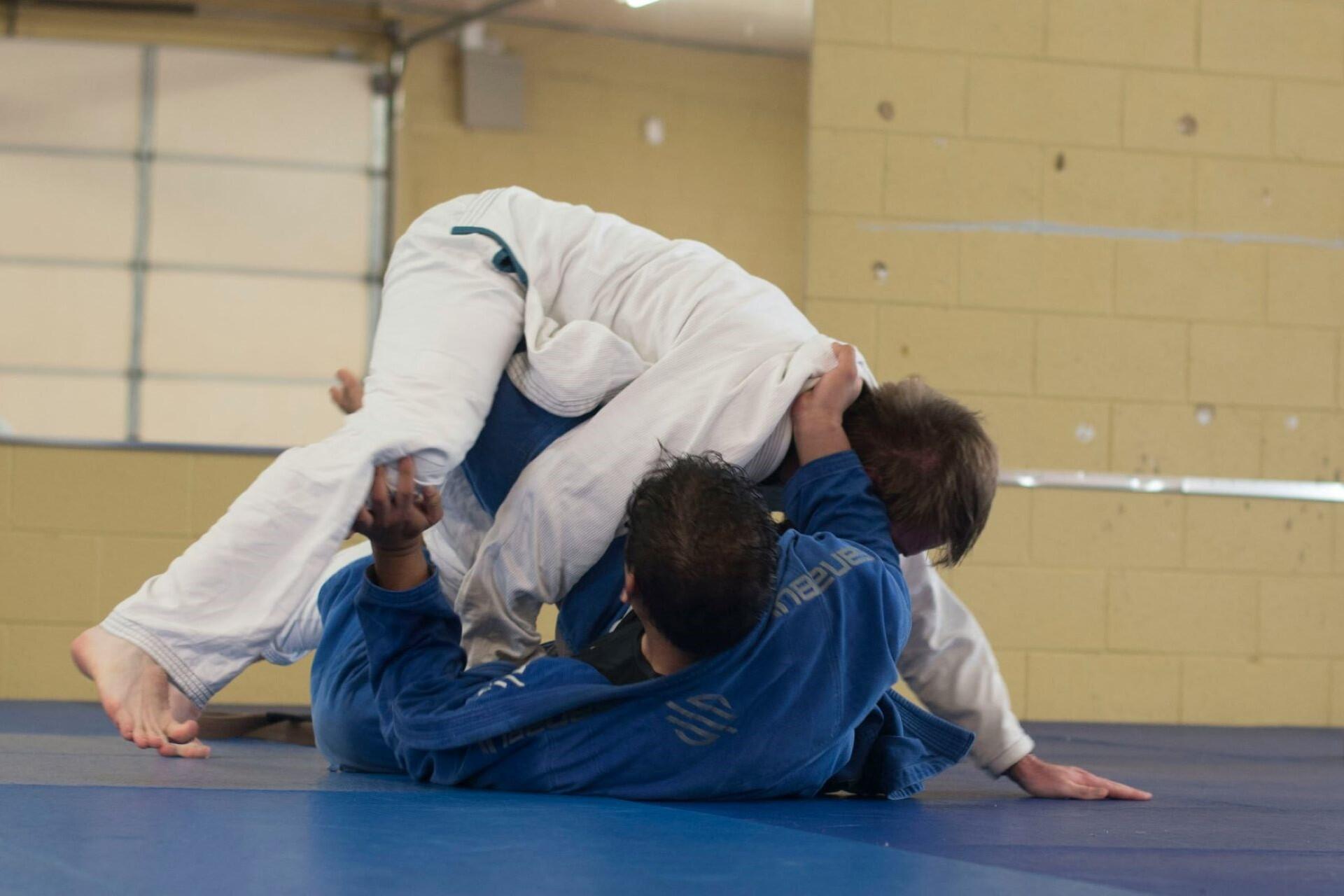
The Japanese discipline of judo focuses on throws, takedowns, pins, and grip control. It's all about balance and timing, and will teach you how to control your body and your opponent's.
This is an excellent discipline for younger students and teens and offers a way to build confidence through (relatively) safe, cooperative training.
Wrestling
Origin
Global (Ancient Greece, Rome, folk styles)
Core Focus
Takedowns, pressure, pins
Best For
Explosiveness, conditioning, sporting competition
Wrestling emphasises takedowns, pressure, control, and positional dominance. It is one of the most challenging and physically demanding martial arts.
You need explosive power, grit, and body control to do it well. In some parts of the world, it's taught in schools and is part of the Olympics.
Hybrid Styles: Real-World Self Defence and MMA Training
The hybrid martial arts styles include striking and grappling in equal (or close to equal) measures, meaning they offer many of the benefits of both types.
These styles typically promote fitness, technical variety, and mental adaptability, though combining various elements can make them rather challenging.
Many of these styles are recommended for those with a background in one of the foundational styles or some experience with martial arts, but more and more places offer beginner versions of these disciplines, too!
Krav Maga
Origin
Israel
Core Focus
Real-world defence, disarming, aggression
Best For
Quick learning, unpredictable scenarios, urban safety
Krav Maga is a martial art that's designed for real-world situations. It focuses on physical intensity, quick decision-making, and mental toughness.
For anyone who wants an efficient workout and a real challenge, Krav Maga doesn't mess about.
However, unlike other martial arts, Krav Maga offers little in the way of tradition, ceremony, or belt systems.
MMA (Mixed Martial Arts)
Origin
Global (Popularised in the US)
Core Focus
Striking and grappling mix, adaptability
Best For
Fitness, combat sport, versatility
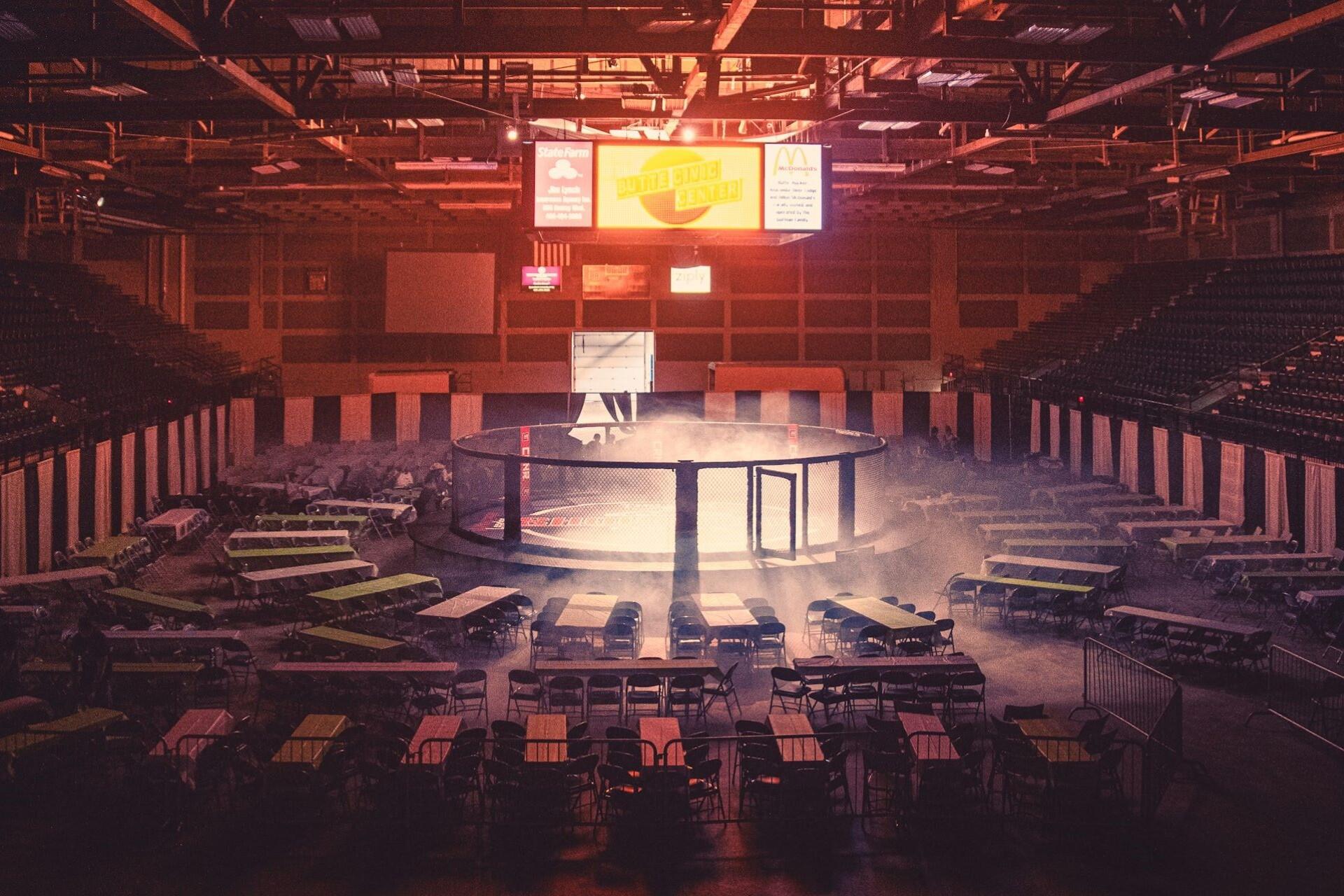
Typically, MMA includes Muay Thai, wrestling, and BJJ. This martial art is mostly used in competitions like the UFC, but there are an increasing number of beginner programmes that combine it with fitness, cross-training, and personal growth.
MMA is another fine option for adults or teens interested in sports and full-body development.
Jeet Kune Do
Origin
USA (Bruce Lee)
Core Focus
Intercepting strikes, fluid movement
Best For
Self-expression, non-traditionalists, adaptable style
Bruce Lee founded this martial art.

Jeet Kune Do is a hybrid martial arts system built on fluid movement, intercepting strikes, and freedom of expression.
It is harder to find classes for this than some of the other martial arts mentioned, but it offers a philosophical and individualised approach to training.
This could be the right choice if you're not bothered about competitive sport, rigid technique, or formal gradings.
Which Martial Art Is Best for You?
By now, you should have some food for thought about different martial arts styles, but what should you think about when choosing one discipline over another?
Here are some factors to consider when choosing which martial art to take up.
Fitness and Physical Challenge
Discipline and Mental Focus
Creativity and Self-Expression
Beginner-Friendly Training
For Children or Teens
Cross-Training or Variety
More important than the style itself is where and how you train. A good instructor will make any martial art a rewarding experience. At the same time, a poor one can ruin even the most exciting style.
At the end of the day, the best martial arts are the ones that you can do and enjoy. Find martial arts that match your lifestyle, personality, and goals.
You should focus on the easiest martial arts to learn or perhaps the top martial arts for fitness. It's up to you!
Summarise with AI:
Did you like this article? Leave a rating!

 Loading...