
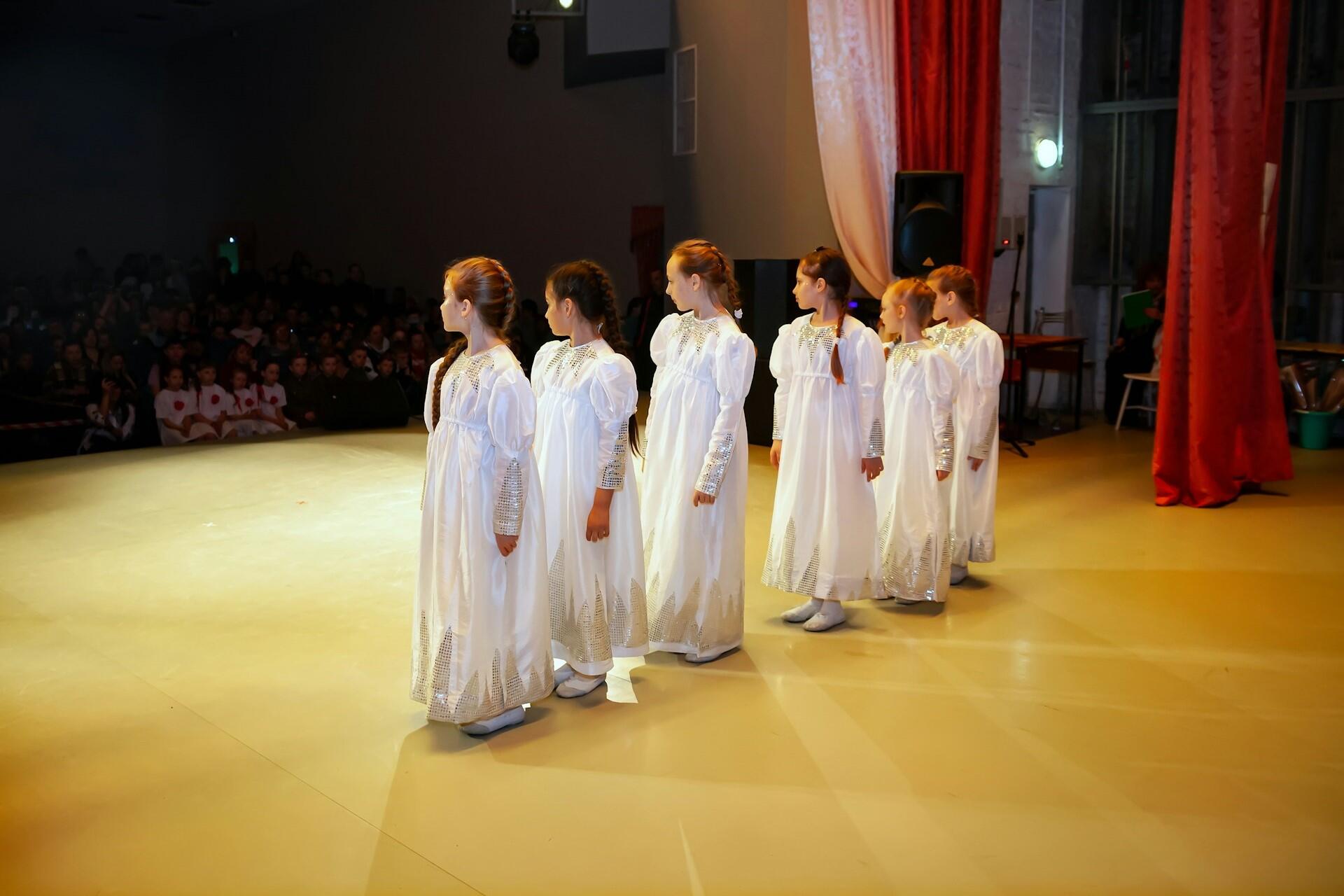

Children often jump straight into singing and music lessons, and this kind of enthusiasm should definitely be encouraged. However, for their own wellbeing and protection, warm-ups are definitely recommended for singers. Starting with simple exercises allows young singers to explore their voice safely while building confidence and control.⁵ Here, we'll explore some fun vocal warm-ups for kids.
Key Takeaways
- Vocal warm-ups for kids prepare the breathing muscles, vocal folds, and mouth for singing.
- Short, playful exercises help children explore their voices safely while building confidence.
- Activities such as animal sounds, humming, and tongue twisters improve pitch awareness, articulation, and breath control.
- Most children only need 5 to 10 minutes of warm-ups before singing.
- Making warm-ups feel like a game helps students stay engaged during music lessons.



Engaging Vocal Warm-Up Exercises for Kids
Vocal warm-ups are important for all performers, regardless of their age. Even young singers can benefit from warming up the muscles used in breathing and sound production. Gentle vocal exercises help activate the vocal folds, improve airflow, and prepare the voice for singing or speaking.¹
When teaching vocal warm-ups to children, keep the exercises short, playful, and easy to follow. Teachers often use imaginative activities such as animal sounds, silly voices, or echo games to keep students engaged. Combining movement, breathing, and vocal sounds can make warm-ups feel more like a game than a lesson.
Warm-ups are also particularly good for children as they help them focus and get into the mood for singing. Structured vocal exercises can warm up their bodies as much as their minds. Research also suggests that vocal warm-up routines can reduce perceived vocal effort and support healthier voice use during singing.⁸

minutes for children before singing. This helps activate the breathing muscles, gently warm the vocal folds, and prepare the voice without causing fatigue.
| Exercise | Skill Developed |
|---|---|
| Animal sounds | Vocal exploration and pitch awareness |
| Lip bubbles (lip trills) | Breath control and relaxed airflow |
| Siren sounds | Pitch flexibility and range |
| Tongue twisters | Articulation and pronunciation |
| Silly faces and sounds | Facial relaxation and vocal clarity |
| Humming games | Gentle voice activation and resonance |
| Call and response echo | Listening skills and pitch matching |
| Pitch slides | Smooth transitions between notes |
| Counting notes | Rhythm and pitch coordination |
| Singing with movement | Breath support and physical engagement |
| Whisper to voice | Control of airflow and gentle voice activation |
| Vowel shapes | Tone clarity and mouth shaping |
Animal Sound Warm-Up
An exercise to help kids explore different vocal tones and pitches while playing. Experimenting with sound can help young singers become more comfortable with their voice. This is one that most kids enjoy.
Lip Bubbles (Lip Trills)
This exercise is very similar to the vocal warm-ups adult singers do. Activate breath support while relaxing the lips and facial muscles. This encourages steady airflow and prepares the voice for singing without tension.³
Siren Sounds
Move between low and high notes with this exercise. Improve pitch flexibility and encourage relaxed vocal production. Let them have fun with this one.
Tongue Twisters
Tongue twisters are more for articulation than pitch. That said, let children have fun with these. There's no problem with making mistakes.

Silly Faces and Sounds
The key to vocal warm-ups for kids is making them fun. This is one where they can loosen their mouth to improve clarity and vocal projection, even if they do not realise it. Many warm-ups help calm kids before they have to focus on drier activities in their singing lessons.
Humming Games
By humming, kids can activate their voice and focus on resonance. Younger singers can warm up their vocal folds without putting pressure on the voice.⁴ Make a game of it to improve engagement.
Call and Response Echo
Develop listening skills through pitch matching. Kids who can copy sounds and patterns will warm up their voice and improve their musical memory and vocal accuracy.⁶ Throw in some recognisable melodies for fun.
Pitch Slides
Encourage kids to explore their vocal range with pitch slides. By maintaining smooth sound production, they can develop control between notes. Simple but effective.
Counting Notes
This is a good warm-up that combines some basic music theory. Kids can understand how notes move in simple patterns. It's also a good way to improve coordination between counting, breathing, and singing.
Singing with Movement
It isn't just the singing muscles that can get a workout. For really active kids, adding physical movement helps connect breathing with vocal sounds. For disengaged kids, a bit of movement can also encourage them to participate more. These are useful warm-ups are for actors as well as they can help prepare them for physical performances.

Whisper to Voice Warm-Up
Encourage children to transition gradually from breath to voice. Develop control over airflow and gentle sound production. This is a good warm-up for kids who are a little shy.
Vowel Shape Warm-Up
Singing vowel shapes is important for younger singers who might not be as clear when they sing. This warm-up can also improve tone quality and vocal clarity. Feel free to jazz it up with monkey impressions.
Why Vocal Warm-Ups Are Essential for Children
Vocal warm-ups are important for kids because they are still learning to control their voice. Warm-up routines help prepare the breathing muscles, vocal folds, and articulators before singing. Starting with gentle sounds and simple patterns helps young singers ease into using their voices safely while building confidence during music lessons.¹
Children’s voices are still developing, so warming up is important before singing. Gentle vocal warm-ups increase blood flow to the vocal muscles, improve breathing coordination, and help young singers avoid strain or fatigue. A short warm-up routine also helps students focus before a music lesson or choir rehearsal.

Warm-ups are as much about warming up as they are about secretly teaching kids core singing skills, too. Short regular exercises help kids improve their coordination between breathing, pitch, and pronunciation. Activities such as humming, lip trills, and pitch slides are commonly used because they activate the voice gently while encouraging relaxed sound production.³ Vocal warm-ups provide several important benefits for young singers:
References
- Angeles Academy of Music. “Vocal Warmups Every Singer Should Practice for Voice Training.” Angeles Academy of Music, 5 Feb. 2026. https://www.angelesacademyofmusic.com/news/vocal-warmups-voice-training-singers. Accessed 1 Apr. 2026.
- Carnegie Hall. “Vocal and Body Warm-Ups.” Musical Explorers Educational Activities. https://www.carnegiehall.org/Education/Programs/Musical-Explorers/Digital/Core-Activities/Vocal-and-Body-Warm-Ups. Accessed 1 Apr. 2026.
- Cambridge University Hospitals NHS Foundation Trust. “Lip Trills Exercises.” CUH Patient Information. https://www.cuh.nhs.uk/patient-information/lip-trills-exercises/. Accessed 1 Apr. 2026.
- Emerge Pediatric Therapy. “Vocal Warm-Ups.” https://emergepediatrictherapy.com/wp-content/uploads/2020/07/Vocal-Warm-Ups.pdf. Accessed 1 Apr. 2026.
- Liverpool Music Lessons. “Essential Voice Warm-Ups for Kids.” https://liverpoolmusiclessons.com.au/essential-voice-warm-ups-for-kids-start-today. Accessed 1 Apr. 2026.
- Reina, Tracy. “6 Vocal Warm-Ups for Kids.” Music To Your Home Blog, 5 June 2023. https://www.musictoyourhome.com/blog/6-vocal-warm-ups-for-kids/. Accessed 1 Apr. 2026.
- Titze, Ingo R. “The Five Best Vocal Warm-Up Exercises.” ResearchGate, 2001. https://www.researchgate.net/publication/284994269_The_five_best_vocal_warm-up_exercises. Accessed 1 Apr. 2026.
- Whitling, Susanna, et al. “Effects of Warm-Up Exercises on Self-Assessed Vocal Effort.” Logopedics Phoniatrics Vocology, 2022. https://pmc.ncbi.nlm.nih.gov/articles/PMC10020864/. Accessed 1 Apr. 2026.
Summarise with AI:
Did you like this article? Leave a rating!

 Loading...
