
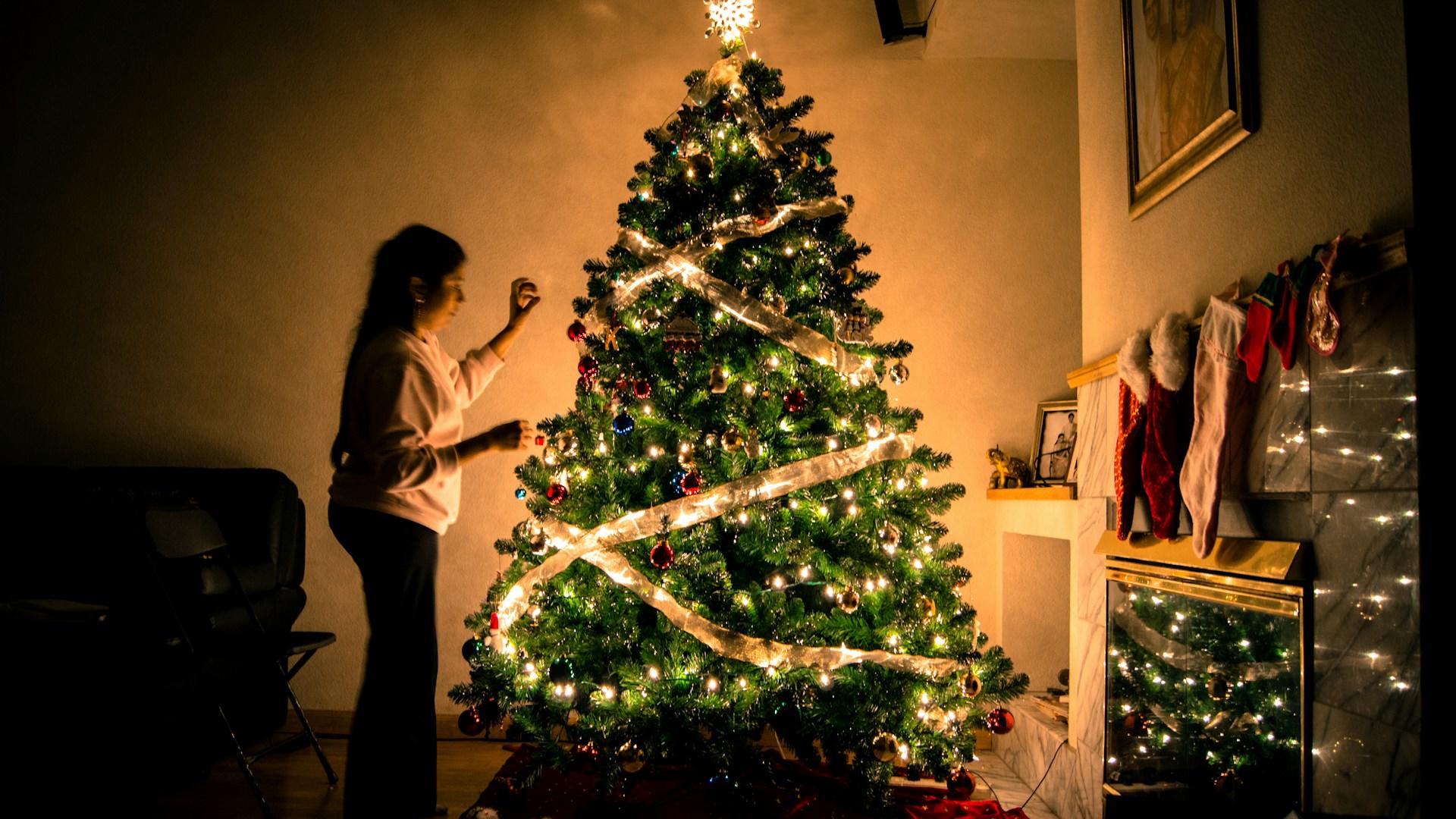

If you’ve grown up in the UK, you’ll know that there are a lot of customs and ways that we tend to celebrate Christmas. Christmas customs and traditions around the world can be very different when compared to the British experience and while the UK has its own beloved Christmas traditions, the holiday is celebrated in fascinating ways across the globe, each region adding unique touches to the festive season.
There are feasts and folklore but also unusual customs and symbolic rituals, Christmas traditions worldwide highlight the diversity of this beloved holiday. Here’s a closer look at some of the unique ways people celebrate Christmas in different countries.
Want to give private lessons?
Join the Superprof community and share your knowledge with interested and motivated students.
Germany – St. Nicholas and Festive Markets
Germany has a rich tradition of Christmas markets that charm locals and tourists alike. Weihnachtsmärkte (Christmas markets) open in towns and cities from late November, offering handmade crafts, mulled wine (Glühwein), and festive treats like gingerbread hearts and Stollen, a fruit-filled Christmas bread. Nowadays, markets can be found in the UK's Christmas Markets (and supermarkets) as well as all over Europe.
On December 6th, children celebrate St. Nicholas Day (Nikolaustag). St. Nicholas, a kindly figure dressed in bishop’s attire, visits children, leaving gifts or sweets in their shoes if they've been good and small twigs if they haven't. On Christmas Eve, families exchange gifts in a celebration known as Bescherung, with a focus on close family gatherings. For those who enjoy the Christmas tree tradition, it’s worth knowing that the modern Christmas tree, or Tannenbaum, originated in Germany.
Italy – La Befana and Feast of the Seven Fishes
In Italy, the Christmas season is more than just a day—it spans from early December to January 6th, the day of Epiphany. Italian Christmas traditions include La Befana, a good-natured witch who arrives on Epiphany Eve, leaving sweets for good children and coal for the naughty. Unlike Santa, she flies on a broom and is a beloved figure among Italian children.
A particularly special Italian Christmas Eve tradition in Southern Italy is the Feast of the Seven Fishes. This meal, based on seafood, symbolises the wait for the birth of Christ, and families gather to enjoy dishes such as baccalà (salted cod) and fried calamari. Italians also bake Panettone, a sweet, fruity bread that’s enjoyed throughout the season.
Japan – Fried Chicken and Romance
Japan may not be a traditionally Christian country, but Christmas has been adopted with a modern twist. In Japan, Christmas is celebrated as a day for couples and friends rather than family, similar to Valentine’s Day in the West. Christmas Eve is considered the most romantic night of the year, with couples exchanging gifts and dining out.

Perhaps the most surprising Japanese Christmas tradition is eating KFC!
The Japanese love of fried chicken on Christmas day is something that has gone viral a few times. Thanks to a clever marketing campaign in the 1970s, KFC became the go-to Christmas meal, and now, people across Japan place orders weeks in advance to ensure they get their festive fried chicken.
Christmas cakes in the form of light, fluffy sponge cakes decorated with strawberries and whipped cream are also a must-have for Japanese families during the holiday season. The festive spell really tends to get a lot of Japanese people captivated and things like Christmas movies are also really popular.
Mexico – Las Posadas and Piñatas
Christmas in Mexico is a lively celebration that incorporates Spanish Catholic influences with indigenous traditions. Teaching children in primary school about Christmas can incorporate a lot of the Mexican activities.
One of the key events is Las Posadas, a reenactment of Mary and Joseph’s search for lodging. Over nine nights from December 16th to 24th, children and adults participate in nightly processions, visiting homes and singing songs to symbolise Mary and Joseph’s journey. The event culminates with Nochebuena (Christmas Eve), marked by family feasts and midnight mass.
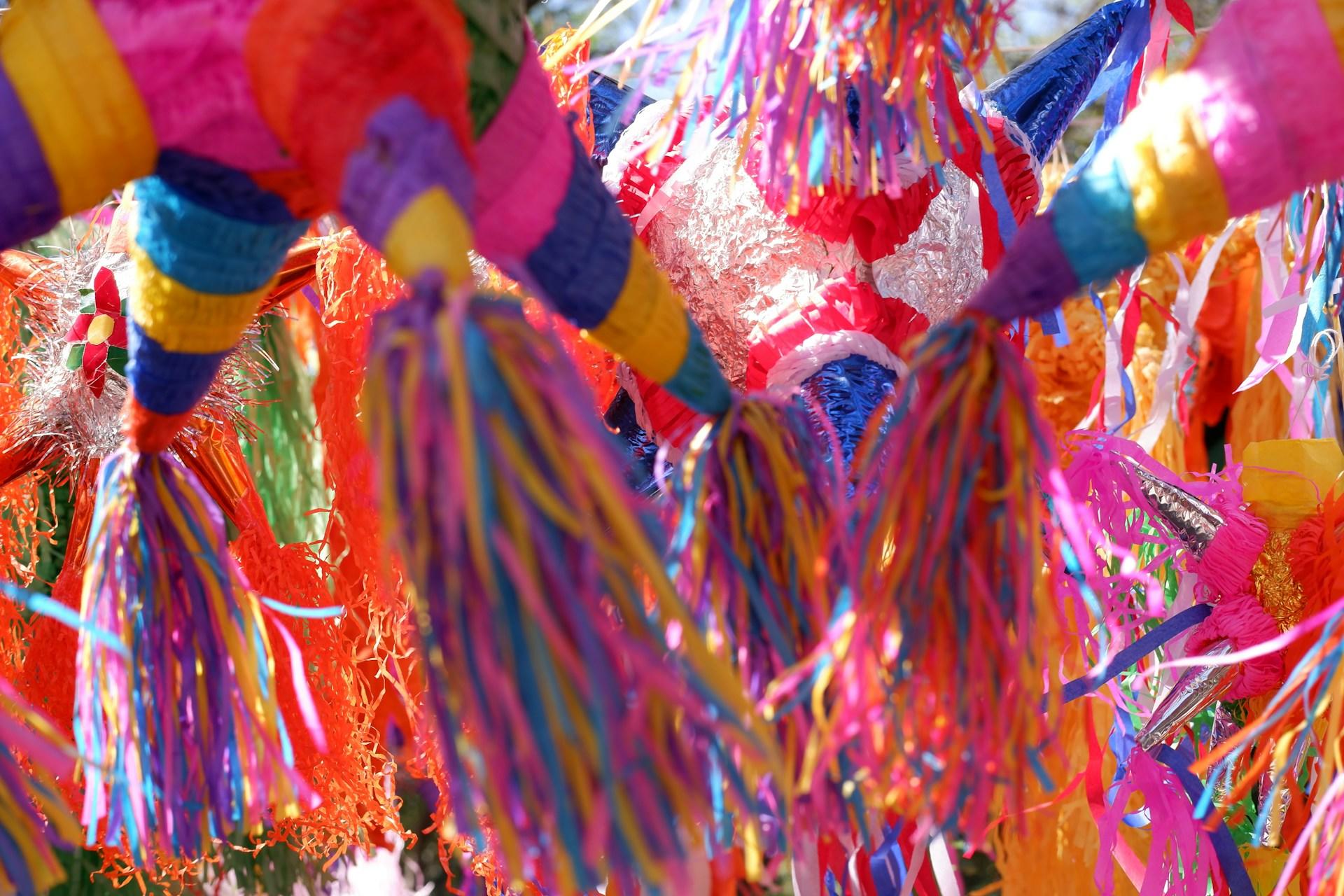
Christmas in Mexico also includes the tradition of breaking piñatas. These colourful, star-shaped piñatas, traditionally filled with sweets and fruits, are broken by blindfolded children as part of the Posadas festivities.
A favourite Christmas dish is bacalao a la Vizcaína (a dish of salted cod with tomatoes, capers, and olives), along with tamales and ponche, a warm, fruity punch.
Want to give private lessons?
Join the Superprof community and share your knowledge with interested and motivated students.
Philippines – The Longest Christmas Season
The Philippines boasts the longest Christmas season globally, beginning in September and stretching all the way to early January. The season kicks off with decorations and Christmas songs echoing in malls and public spaces.
One of the country’s most unique Christmas events is the Simbang Gabi, a series of nine dawn masses held from December 16th to Christmas Eve, with many believing that completing all nine brings blessings in the new year.
Another standout tradition is the Giant Lantern Festival in San Fernando, where communities create intricate, brightly lit lanterns to symbolise the Star of Bethlehem. On Christmas Eve, families gather for a Noche Buena feast, a midnight meal featuring dishes like lechon (roast pig), queso de bola (edam cheese), and bibingka, a sweet rice cake.
Sweden – St. Lucia and the Yule Goat
In Sweden, the Christmas season starts on December 13th with St. Lucia Day. On this day, girls dressed in white robes with red sashes and wreaths of candles on their heads process in honour of St. Lucia, bringing light to the dark winter. Each town crowns its own "Lucia," and processions are held in schools, churches, and homes, where children sing traditional songs and serve saffron buns called Lussekatter.
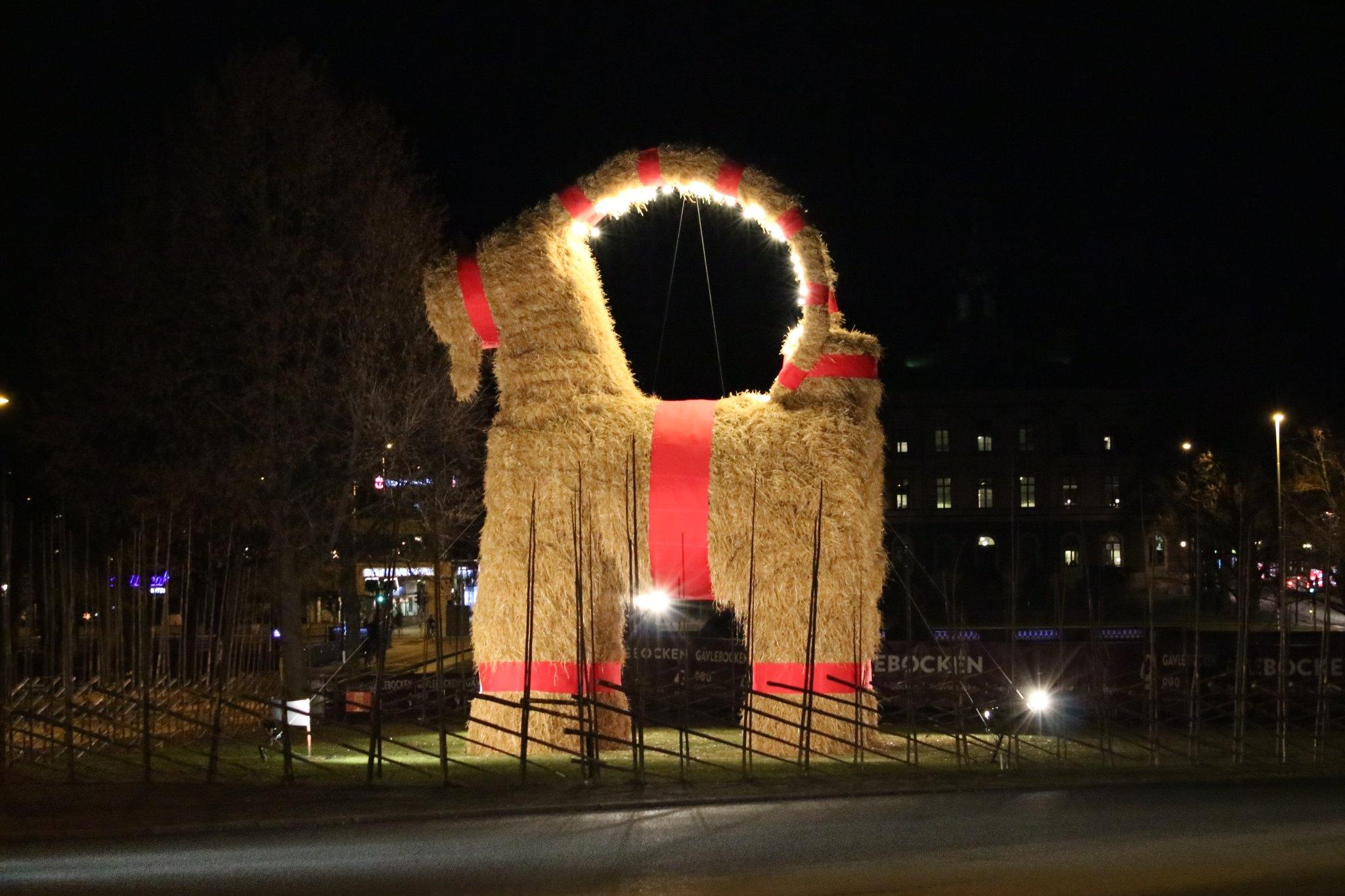
An unusual Christmas symbol in Sweden is the Yule Goat. Once a symbol of pagan winter celebrations, the Yule Goat has evolved into a Christmas decoration and sometimes a large straw figure. The town of Gävle famously builds a giant straw Yule Goat every year, although mischievous attempts to burn it down are also part of the local lore.
Finland – Joulupukki
In Finland, Christmas Eve is considered the most important day of the festive season. Families often begin celebrations by relaxing in a Christmas sauna, a tradition dating back centuries, believed to cleanse the body and spirit before the holiday. Another unique Finnish tradition is to visit the graves of loved ones, placing candles to create a peaceful, glowing atmosphere across cemeteries.
In Finland, Santa Claus, known as Joulupukki (meaning "Christmas Goat"), is a prominent figure. Unlike the sleigh-riding Santa of other countries, Joulupukki is believed to live in Finnish Lapland, where he prepares gifts year-round. Children eagerly await his visit on Christmas Eve, as he personally delivers presents, adding a magical touch to the celebration. Making or drawing a Joulupukki can even be an activity for school children to learn about Christmas.
Iceland – The Yule Lads and 13 Days of Christmas
In Iceland, Christmas traditions centre around the Yule Lads, 13 mischievous characters from Icelandic folklore who visit children on the 13 nights leading up to Christmas. Each Yule Lad has its own personality and leaves small gifts in children’s shoes—if they’ve been well-behaved. Naughty children, however, may receive a potato! The Yule Lads bring a playful spirit to Icelandic Christmas, with tales of each Lad’s antics adding fun to the season.
The Yule Lads are whimsical characters that translate to things like Sausage Swiper and Door Slammer – a cheeky Christmas ensemble.
Christmas celebrations in Iceland also include the practice of the Christmas Book Flood (Jólabókaflóð). People exchange books on Christmas Eve, then spend the night reading and enjoying hot chocolate. It’s a cosy and intellectual tradition that adds a unique warmth to Iceland’s chilly winter nights.
Australia – Beach Barbecues and Sunlit Celebrations
Christmas in Australia flips the wintery images on their head. With the holiday landing in the middle of summer, Australians often celebrate with barbecues on the beach. Turkey may be on the agenda, but barbecued food is more likely than a huge Christmas dinner.
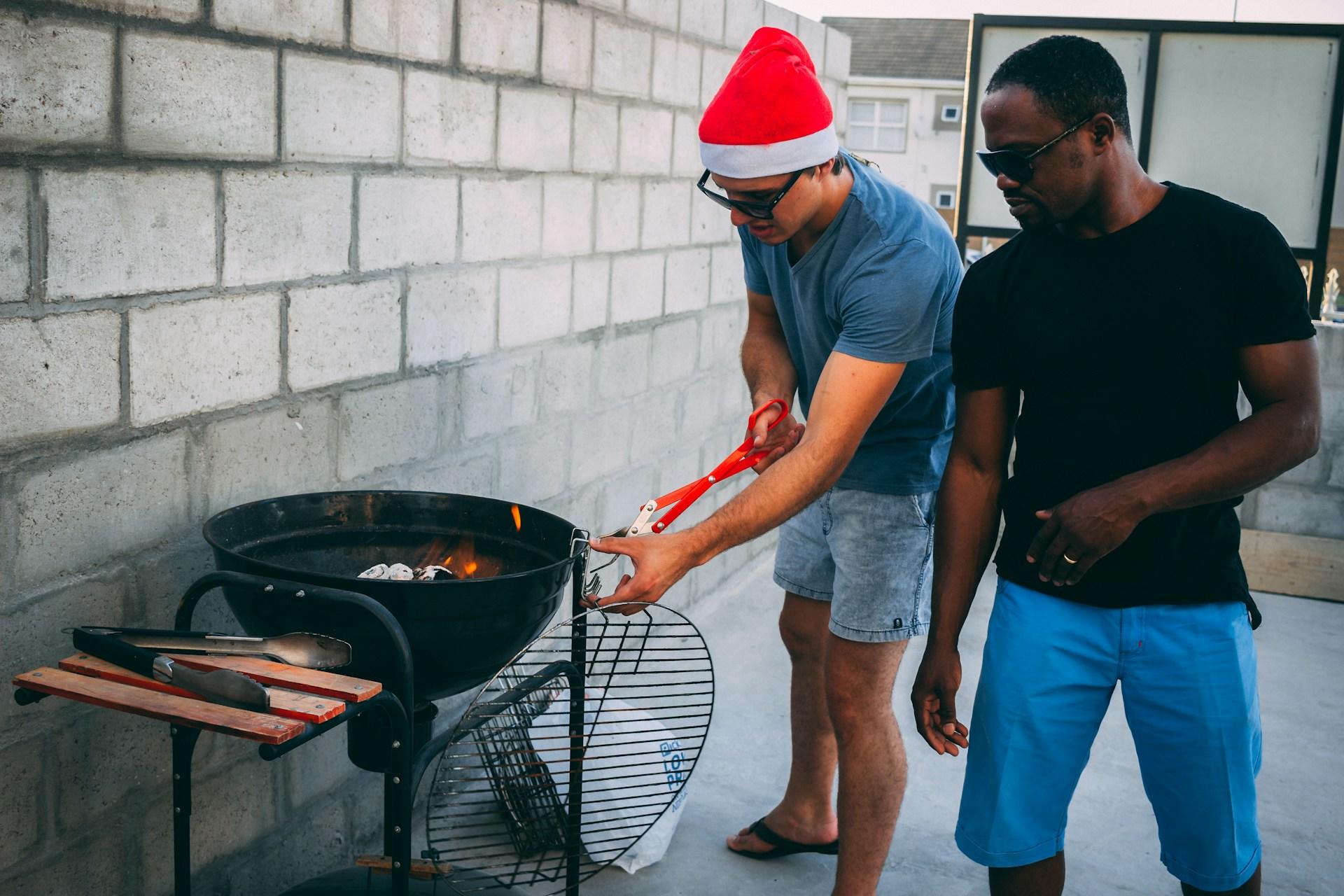
Families gather for picnics, and the festive meal features cold meats, seafood, and salads, perfect for the warm weather. Santa Claus often makes his arrival in beach attire, sometimes even surfing.
In the days leading up to Christmas, Australians participate in Carols by Candlelight, outdoor concerts where communities gather to sing Christmas carols together under the stars. Melbourne hosts one of the biggest events, broadcast nationwide.
Something that has become something of a festive tradition is cricket. When the Ashes is taking place in Australia (one of the most important and widely-viewed cricket series) it normally gets underway on Boxing day and is viewed all over the world. For English cricket fans, it starts at night time after a day of food and drink as well as all the other traditions of Christmas. Lots of people settle in for the night shift of watching the cricket (usually with the Aussies coming out on top in recent years!)
Loads of countries have these excellent traditions, and some of them are even very sweet and thoughtful. This is a time that brings out the best in people. In Poland, an extra seat is laid at the table just in case of a spontaneous visitor. They also don’t eat until the first star appears in the night sky.
Learning More About Christmas
If you want to learn more about Christmas and its traditions, our tutors can help you to learn more or even arm you with the sort of skills you need for teaching others. Christmas traditions can be taught in schools and are a big part of the culture in many countries.
If you’re looking for a tutor to help you with knowledge about the subject or to assist with lesson planning, reach out today on Superprof to find a tutor in your local area.
Want to give private lessons?
Join the Superprof community and share your knowledge with interested and motivated students.
Summarise with AI:
Did you like this article? Leave a rating!

 Loading...
