


These are two terms that are sometime used interchangeably, but often that is totally incorrect. Cinematographers and videographers have a lot of crossover in their skills, but the two are definitely distinct roles.
While a videographer might be involved in a smaller production like a corporate videos, the role of a cinematographer is far more likely to exist within the realms of the feature film.
In this guide, we're explaining what both videographers and cinematographers do and the role of cinematography in film.
A quick disclaimer is required in this particular example. When we're looking into the differences between cinematography vs videography people do have slightly different definitions. Some people see cinematography as the whole art of making a film, but that's not how many people understand it in the modern age, especially when you see award shows rewarding "best cinematography". They are not rewarding the best film altogether, but the best film in terms of the role of the cinematographer, which we explain below.


Cinematography Explained
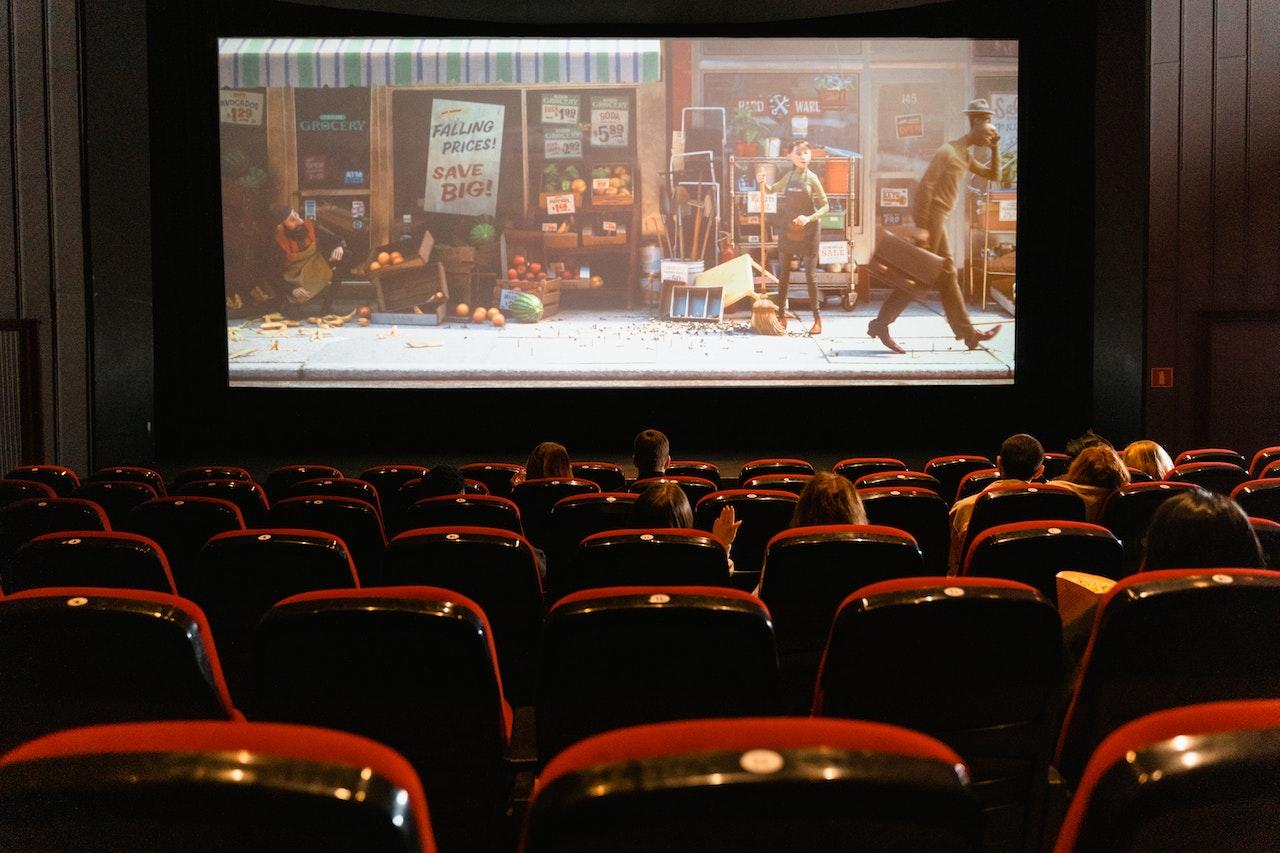
Cinematography is the art of capturing video, with a focus on all things visual and artistic. Cinematography often involves a lot of planning and artistic direction as well as a focus on cinematic photography.
Whereas videography is more about capturing footage and making sure it is done in a correct, professional way, the role of a cinematographer may be slightly different, such as choosing the videography camera that will have the best impact, as well as lenses and other factors that impact the overall look of a film.
When we watch a film that has stunning and interesting shots, lighting, and even vintage filters and effects, most people would describe that as great cinematography vs videography.
Cinematography terms, and the role of a cinematographer, may include:
- Planning shots including storyboarding based on the way each scene should look
- Working out camera movement and how this can have an impact on the overall look of the film, for instance if there is panning during a scene
- The use of different lenses to give different focus and a different look to the movie
- "Aspect ratio" – a cinematography term that is similar to the crop ratio in video, whether it should be shot in modern 16:9 or older-style 4:3 aspect ratio
- Lighting. The art of lighting within a film is absolutely crucial, and cinematographers may help to make decisions on how different films are lit. The lighting can set the mood for the whole film, and while a breezy comedy might have bright lighting there could well be a very different feel to a horror film which may be much darker
- "Depth of field" is another term that is often more of a cinematography term than a videography one. It relates to the focus of the background, or the blurring of the background, and ties closely to the lens selection
After reading these roles, you might think these things fall under the remit of a director. The role of director vs cinematographer is very different, and while the director might have the ultimate say in the look of the film, the cinematographer (or cinematography team) will be tasked with the look of the film.
Stay to the end of a big blockbuster film and watch the credits, you will see that most have a team working on cinematography, often including a "director of cinematography" or "director of photography". According to Masterclass, the "director of photography, also known as the DP or cinematographer, is the person responsible for creating the look of a film."
Videography Explained
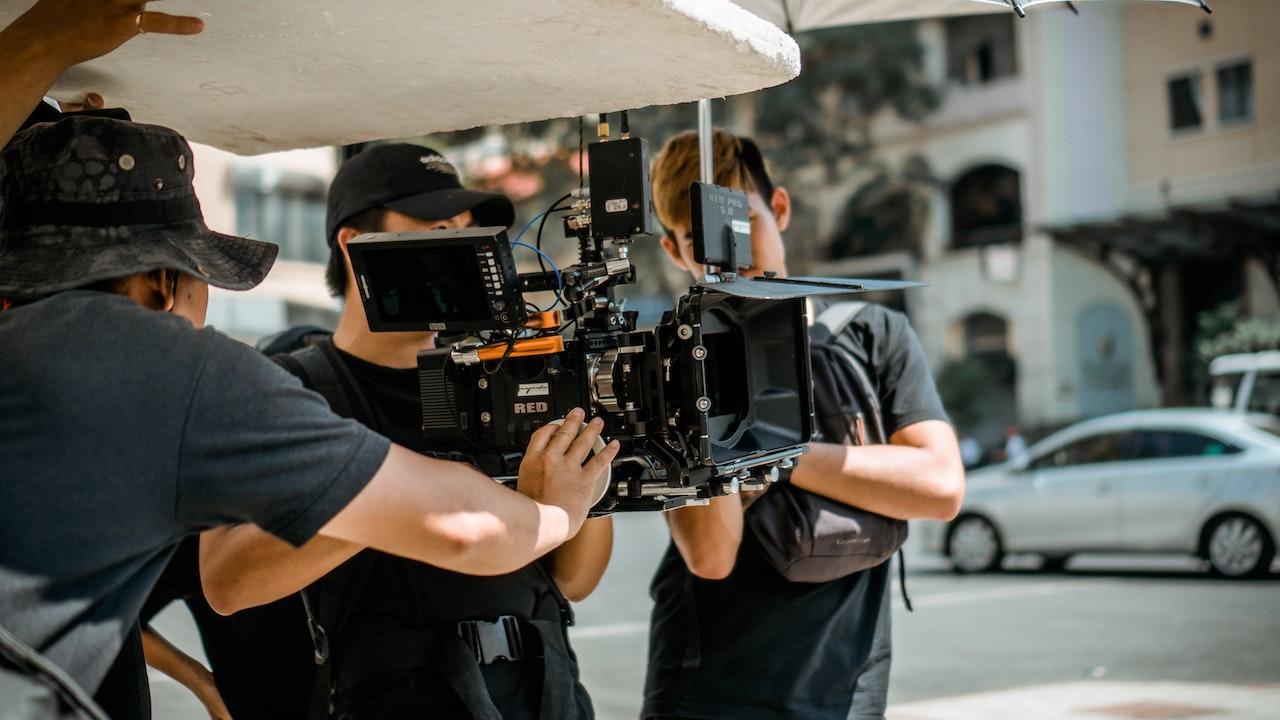
Videography is definitely a very different task, but with a lot of the same skills.
For instance, if you were looking to find someone to cover your corporate event then there is every chance that you will be searching for a videographer. Rather than looking for stunning cinematic photography, you may be more focused on ensuring that everything gets covered.
A videographer role is closer to that of a cameraman and they are involved in different types of video. They may not see the job as planning beautiful shots from interesting angles as much as they do ensuring they get the right shots and cover the event or video shoot properly.
Videographers often work in far less controlled environments, like weddings or events. While cinematography in films involves a lot of planning and even working with storyboards, videographers may not have the luxury of planning ahead like this. A videographer will likely work more in a situation where they are not aware of what is going to happen, such as an unscripted environment.
To put it another way, if you are going to hire somebody to take video footage of an event such as a corporate event, or to grab interviews and testimonials, you are going to want a videographer rather than a cinematographer.
Videographers are also more likely to work in small teams or solo engagements. While cinematographers may work on much bigger productions like feature films, there is every chance that a videographer may be filming a concert, a corporate event, or an interview on their own or in small teams.
Skills of Cinematography and Videography
In the worlds of both cinematography and videography a lot of the skills are the same, while some are slightly different.
Skills that both cinematographers and videographers share include:
- Camera operation and an understanding of the mechanics of video cameras. A camera for videography and a camera for cinematography could well be the same, and so are the skills to operate them
- An eye for detail. Whatever kind of film you are making, an eye for detail is vital
- Knowing other equipment. This is not just about the camera it is about other equipment such as lighting, reflectors, and more
- Framing and composition. Arguably more important in the world of cinematography but is useful for videographers especially as they will need to think on their feet and take shots
Skills that might be more specific to a cinematographer include:
- A knowledge of planning shots and storyboarding
- More experience and skill working with others, such as a director who may be planning the shots
- A more artistic view of things like framing, lighting, and other aspects of the way the video looks
- A history in photography and an awareness of photography terms
Skills that may be more specific to a videographer include:
- The ability to think on their feet and make very quick decisions about shots, rather than having the time to plan it out in detail
- Adaptability, while cinematographers may have the time to think about the type of shots they are going to take and how they will look, a videographer might have to make these decisions in a matter of seconds when it comes to what equipment they are using and what sort of techniques they will use
- Being a "jack of all trades" and taking on some of the other roles in video production as required. It is possible that videographers will need to do more editing, have to manage the sound, and more.
Becoming a Videographer or Cinematographer
It is a good time to become a videographer or a cinematographer, with more video content made than ever before in the modern age, and therefore more opportunities. While cinematographer roles can be harder to come by as they require artistic projects such as feature films or music videos, videography opportunities are growing all the time.
Within an educational setting, there are many courses that can help people to learn videography. Film production degrees, media studies qualifications, and even some apprenticeships in the industry can help people to work in visual media.
On top of this, there are many other ways that you can learn skills to help you to build a portfolio and try to break into the industry. At Superprof, we have many tutors who are able to help you to build your skills in photography and videography, showing you the ropes and allowing you to create a portfolio in the process. The portfolio is crucial, and is like a CV for someone in the film industry, helping you to gain jobs within the industry.
Cinematography and Videographer Differences Summed Up
As we've already said, there are some differences between peoples' definitions of these things. However, it is generally understood that cinematographers are involved more in the way the film actually looks, planning shots and working on the detail of a pre-planned shoot. Videographers may need to be more flexible and work in many different environments, such as creating corporate videos.
Summarise with AI:
Did you like this article? Leave a rating!

 Loading...
