
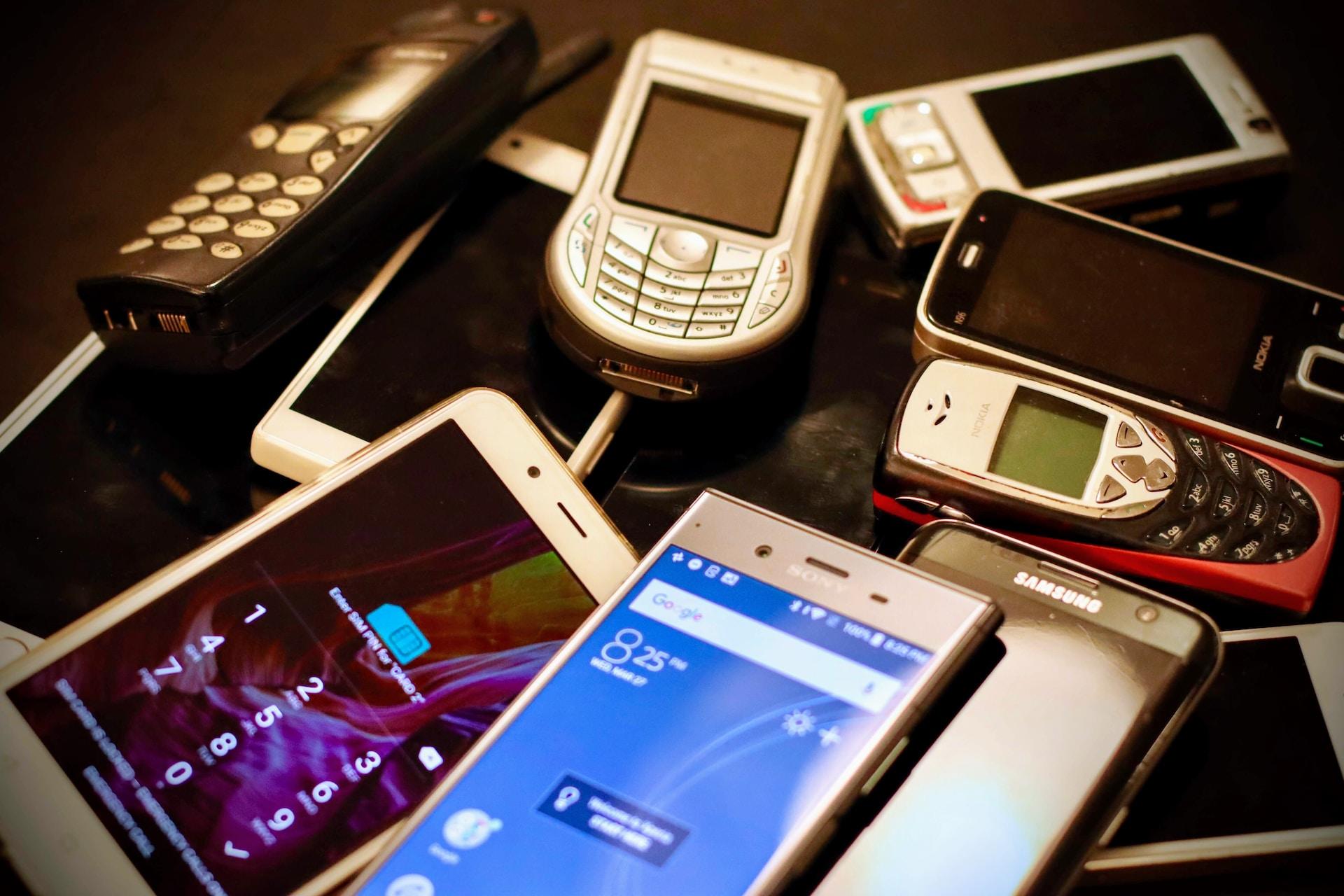

“OMG that is TMI, LOL”
A confusing text message for people of a certain age to receive.
The internet has totally changed the way we communicate, so it makes sense that it has also changed a lot of the words we use. English is still evolving all the time, and while some purists might cringe when they see people writing “LOL” in an email, such is the way of modern life.
In this guide, we’re deciphering some texting acronyms and navigating the internet slang people should be familiar with.


Why Do We Abbreviate?
It seems strange in the world of modern communication that we would have to abbreviate much. We now have things like text-to-speech that can complete messages from our voices, and autocorrect or other suggestion methods to make it easy to type full words.
Some of it is certainly based on habit from times where it was not so simple and straightforward to send text messages. Some of us even remember a time when we were charged by the character, so cutting down was important.
On top of this, text abbreviation may come from formats where it is tougher to type. For example, on gaming platforms it is common to send a competitor online a simple message of “GG” meaning “good game”.
Abbreviation makes life easier and sometimes it is just a habit we all get into. We may have used some of the terms for decades. Ever heard someone say “LOL” in real life? That shows how intertwined with our culture it has become. This can make it really difficult for English learners trying to become proficient.
Common Texting Acronyms

Maybe you’ve started using X and want to know what certain acronyms mean. Maybe your teenage kids use them in messages all the time and you want to understand them properly. Below, we’ve got some of the most common texting acronyms explained.
LOL: Laugh Out Loud
Used to express laughter in response to something amusing. For example, "Your joke was hilarious, LOL!"
BRB: Be Right Back
Indicates a temporary absence, letting the recipient know you'll be back shortly. For instance, "Gotta grab some coffee, BRB!"
TTYL: Talk To You Later
Signifies that the conversation will continue or resume at a later time. Commonly used when signing off temporarily, such as "I have a meeting now, TTYL!"
OMG: Oh My God/Gosh
Conveys surprise or disbelief. For example, "OMG, I can't believe you did that!"
ICYMI: In Case You Missed It
Indicates that the information being shared is a recap or reminder for those who may have missed it initially. For instance, "ICYMI, Sarah has left the company."
BTW: By The Way
Introduces additional information or a side note. For example, "BTW, did you see the new movie trailer?"
IDK: I Don't Know
Expresses uncertainty or lack of knowledge. For instance, "IDK where I put my keys."
IMO/IMHO: In My Opinion/In My Humble Opinion
Introduces a personal viewpoint or perspective. For example, "IMO, the best pizza place is downtown."
FYI: For Your Information
Provides information that may be useful or relevant. For instance, "FYI, the meeting is at 3 PM."
ROFL: Rolling On the Floor Laughing
Indicates extreme laughter in response to something very funny. For example, "That joke was so funny, ROFL!" It is one of the more obscure acronyms, which means that you can’t really work it out easily.
IKR: I Know, Right
This is a statement of agreement. “Teddy is such a nice guy”, “IKR!”
TL;DR: Too Long, Didn’t Read
If someone uses the term “TL;DR” it often follows a simpler explanation of something or a simple summary of a longer paragraph. It is meant to make it more accessible for people to read.
SMH: Shaking My Head
Expresses disapproval, disappointment, or disbelief. For instance, "SMH, I can't believe they cancelled the concert."
TTYT: Talk To You Tomorrow
Explanation: Indicates that the conversation will continue or resume the next day. For example, "I'm signing off for today, TTYT!"
BFF: Best Friends Forever
Refers to a very close friend. For instance, "She's been my BFF since we were kids."
NSFW: Not Safe For Work
Indicates content that may be inappropriate in a work setting. For example, "I found a hilarious, but NSFW, meme."
YOLO: You Only Live Once
Emphasises living in the moment or taking risks. For example, "Let's go on a spontaneous road trip, YOLO!"
DM: Direct Message
Refers to a private message sent on social media. For example, "I'll DM you the details."
ICYMI: In Case You Missed It
Reiterates that the information is being shared again for those who might have missed it initially. For example, "ICYMI, here's the link to the article."
TMI: Too Much Information
When somebody has overshared, people often describe it as “TMI” meaning they have shared too much information, usually personal. “Sharon, that was TMI!”
FOMO: Fear Of Missing Out
Describes the fear that others are having a good time without you. For example, "I can't skip the party; I have FOMO!"
AFK: Away From Keyboard
Explanation: Indicates a temporary absence from the computer or online conversation. For example, "I'll be AFK for a sec, be right back!"
Understanding Internet Slang
Words can take on a whole new meaning when they are taken by the internet and evolve on social media. A lot of the terms come from gaming and the world of online games, where people send each other certain abbreviations. It is amazing how terms can start to spread once they are used by a group of people.
Salty
Refers to someone who is upset, angry, or bitter, often in response to a comment or situation. It implies a person is being overly sensitive or irritable.
Photobomb
Occurs when an individual or object unintentionally appears in the background of a photo, usually disrupting the main subject. It's often done for humorous effect.
Take the L
"Take the Loss." Used when someone experiences a defeat or failure. It suggests accepting responsibility for a mistake or acknowledging a loss. “Time to take the L and move on.”
Mid
Short for "middle." In gaming culture, it refers to an item or character that is average or mediocre, neither exceptionally good nor bad.
Troll
A person who intentionally stirs up controversy, provokes, or annoys others online by posting inflammatory or offensive comments. Trolling is often done for amusement.
Bot
Short for "robot." Refers to automated software or scripts that perform tasks on the internet, often with repetitive actions. Bots can be used for various purposes, both positive and malicious.
Doom Scroll
The act of continuously scrolling through negative or distressing content on the internet, such as news or social media updates, leading to feelings of anxiety or despair.
Hashtag
Symbolised by the "#" sign, a hashtag is used to categorise and group content on social media platforms. It makes posts more discoverable and contributes to trending topics.
Ratio
Refers to the number of replies to a tweet compared to the number of likes. If a tweet has significantly more replies than likes, it is said to be "ratioed" and may imply controversy or disagreement.
Noob
Short for "newbie" or "newcomer." Refers to someone who is new to a particular activity, game, or online community and lacks experience or skill.
Pwn
Derived from a typographical error of the word "own," "pwn" is used to indicate dominance or superiority over someone or something, especially in the context of online gaming. If a player says they "pwned" an opponent, it means they defeated them convincingly.
Yeet
"Yeet" is a versatile term with multiple interpretations. It can be used as an exclamation of enthusiasm or triumph when throwing or tossing something. Additionally, it's often used to express approval or excitement. In slang, "yeet" has become a catch-all expression for energetic actions or affirmations, and it's commonly used in memes and viral internet culture.
Merriam-Webster Introduces Internet Slang
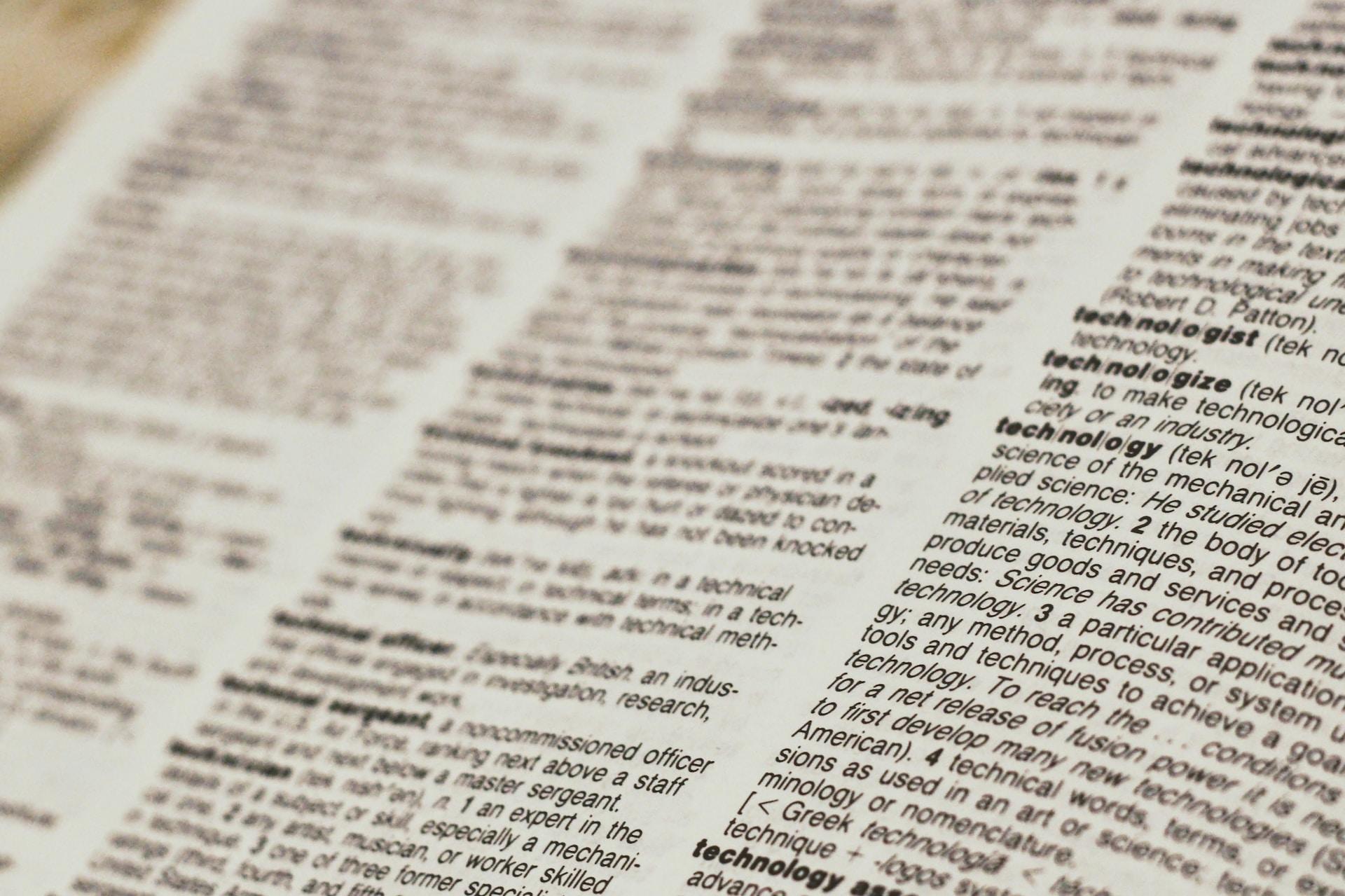
As well as mastering the basics of English like the difference between "too" and "too". Merriam-Webster has started to include some of the internet slang into its dictionary, helping to legitimise some of the uses of the language, especially in US English. There are always likely to be people who don’t enjoy the fact that these terms are added. You might even say people will be “salty” about it.
Here are a few of the terms that have been introduced to the Merriam-Webster dictionary, according to Gizmodo.com, and their meanings:
- yeet, as an interjection — “used to express surprise, approval, or excited enthusiasm”
- yeet, as a verb — “to throw especially with force and without regard for the thing being thrown”
- janky - of very poor quality
- sus — “suspicious, suspect”
- lewk — “a fashion look that is distinctive to the wearer and that is noticeable and memorable to others”
- pwn — “to dominate and defeat (someone or something)”
- adorkable — “socially awkward or quirky in a way that is endearing”
There’s no doubt that the English language continues to evolve, and the internet is playing a truly huge part in that evolution. As it makes dictionary definitions, people have to accept that some internet slang is becoming real language for use in a variety of situations.
Summarise with AI:
Did you like this article? Leave a rating!

 Loading...
