
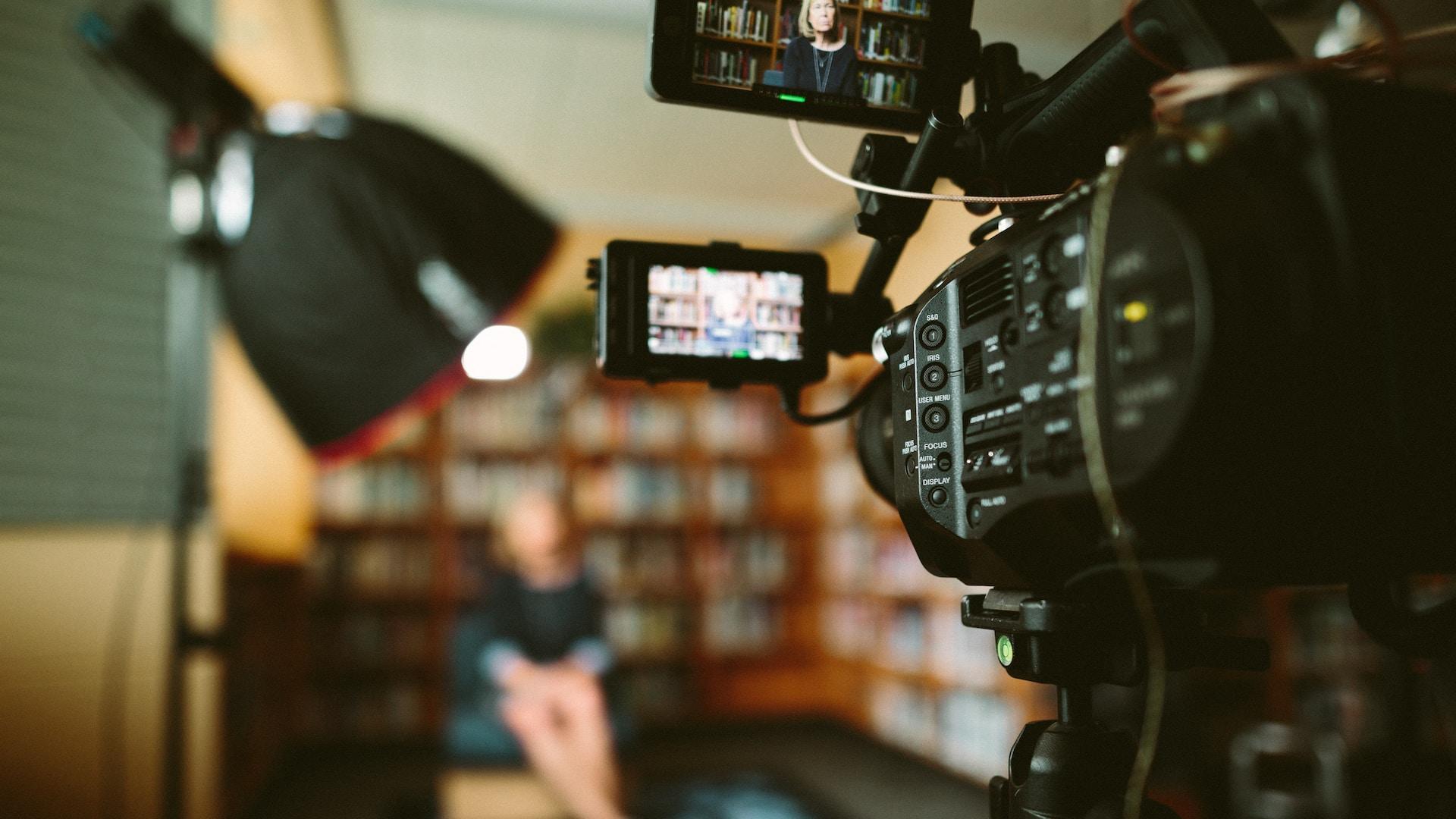

Documentary filmmaking is a powerful medium that allows filmmakers to explore real-life stories, issues, and events. It provides a unique platform for engaging audiences in thought-provoking narratives.
In this article, we will delve into the world of documentary filmmaking, exploring different documentary styles, film techniques, and the impact of directorial choices on the overall documentary production.


Understanding the Documentary Genre
A documentary is a non-fictional film that presents real events, people, and issues. It aims to inform, educate, and spark conversations about important topics. Documentaries can take various styles depending on the approach the filmmaker takes.
It aims to provide a factual and informative representation of real-life subjects, events, or issues. Unlike fictional narratives, documentaries are rooted in reality and often serve as a means of conveying non-fictional stories, educating audiences, or raising awareness about various topics.
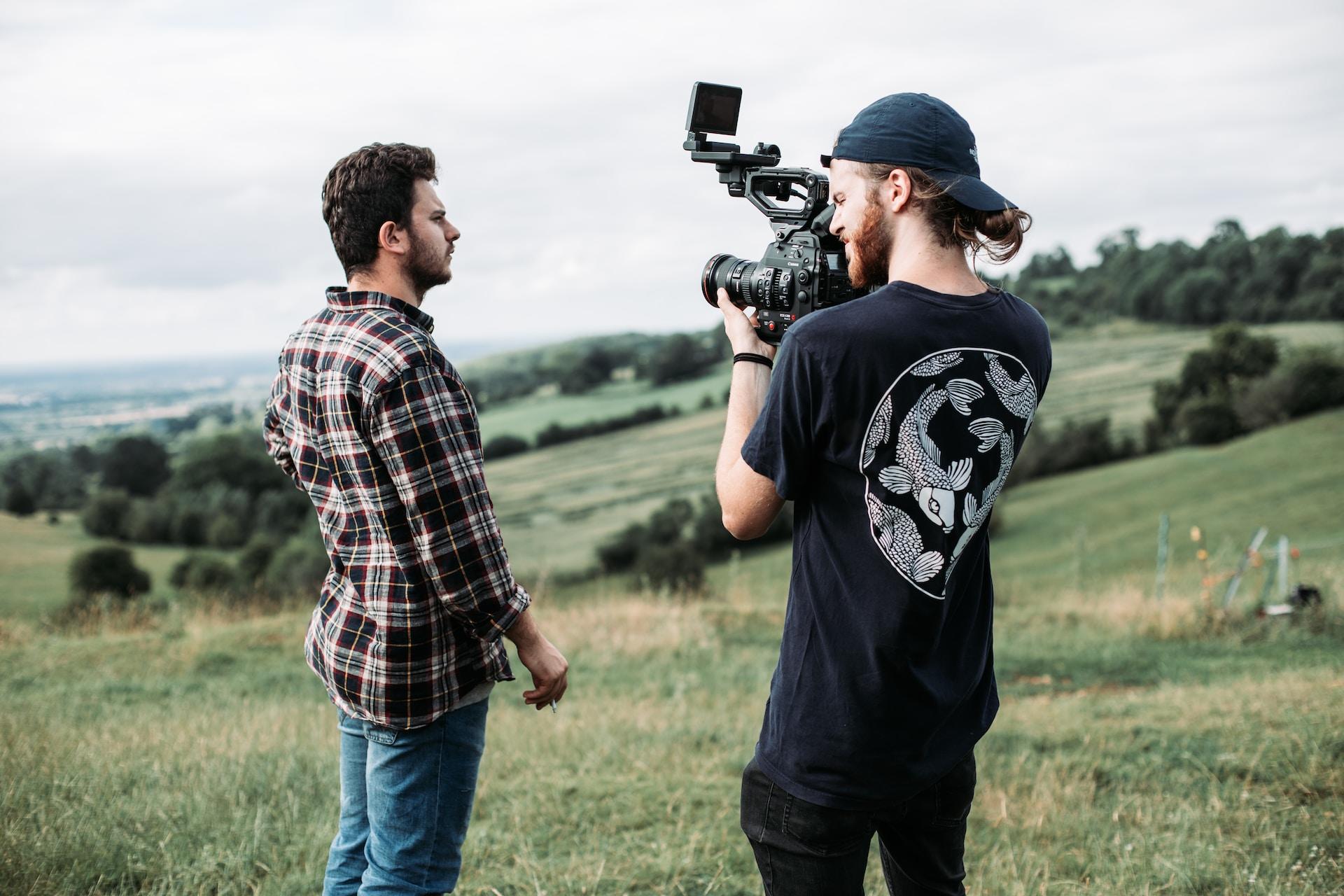
Here are some key aspects of the documentary genre:
- Factual Representation: Documentaries are typically grounded in factual information and are intended to present the truth or a particular perspective on a real subject. They can cover a wide range of subjects, including history, politics, science, nature, culture, and social issues.
- Objective vs. Subjective: Documentaries can be made with varying degrees of objectivity. Some filmmakers strive for a neutral, objective portrayal of their subject, while others may have a specific point of view or agenda, leading to more subjective treatments.
- Subgenres: The documentary genre encompasses various subgenres, including:
- Observational/Verité: These documentaries focus on simply observing and recording real-life events without direct involvement or narration. The goal is to capture the subject as naturally as possible.
- Expository: These documentaries use voice-over narration or on-screen text to provide context and explanation, often with the intent of educating the audience.
- Participatory/Interactive: Filmmakers or subjects may actively participate in the documentary, influencing the events or sharing their perspectives and experiences.
- Biographical: These documentaries explore the life and accomplishments of a specific person, often with a focus on historical figures, celebrities, or influential individuals.
- Historical: These documentaries delve into past events, eras, or historical figures, aiming to inform and educate viewers about history.
- Political/Social: These documentaries address social or political issues, such as civil rights, environmental concerns, or economic inequality, with the goal of raising awareness and influencing change.
- Methods of Presentation: Documentaries can be presented in various formats, including feature-length films, short films, television series, web series, and even interactive multimedia. They often incorporate a combination of interviews, archival footage, reenactments, and on-the-ground reporting.
- Documentary Ethics: Documentaries raise ethical questions, as filmmakers must navigate issues related to informed consent, privacy, representation, and the potential impact on the subjects being filmed. Ethical considerations are important in documentary production.
- Awards and Festivals: Many documentary films are recognized with awards at film festivals and have their own prestigious awards ceremonies, such as the Academy Awards (Oscars) for Best Documentary Feature.
- Impact: Documentaries have the power to inform, inspire, and influence change. They often serve as a medium for advocacy, encouraging audiences to engage with important issues.
Some notable documentaries include "Bowling for Columbine," "The Act of Killing," "Blackfish," "An Inconvenient Truth," and "March of the Penguins." The documentary genre continues to evolve, incorporating new technologies and storytelling techniques to engage and educate audiences in an ever-changing media landscape.

Finding inspiration for documentary ideas can come from personal experiences, current events, or research. It is essential to narrow down the topic and consider its relevance and potential impact.
A documentary treatment is a document that outlines the narrative arc of the documentary. It helps structure the storytelling and provides focus during the production process.
What Makes a Good Documentary?
A good documentary combines effective storytelling techniques, authenticity, capturing unique perspectives, and evoking social impact. Engaging the audience emotionally and creating a connection is key to making a lasting impression.
The documentary director carries the responsibility for the project, from research and pre-production planning to overseeing post-production. They guide the overall vision of the documentary and work closely with the crew and subjects.
A good documentary, like any form of storytelling, should engage and inform its audience effectively. Here are some key elements that contribute to the making of a good documentary:
- Compelling Subject Matter: The subject of the documentary should be interesting, relevant, and have a clear appeal to the target audience. It could be a controversial issue, a remarkable person, an unexplored phenomenon, or a captivating event.
- Clear Narrative Structure: Just like in fictional films, a documentary should have a clear structure with a beginning, middle, and end. It should have a coherent and engaging storyline that keeps the audience's attention.
- Research and Accuracy: Good documentaries are well-researched and factually accurate. The filmmaker should invest time and effort in gathering reliable information and verifying the credibility of sources to ensure the documentary's integrity.
- Compelling Visuals: Visual elements are crucial in documentaries. High-quality cinematography, well-composed shots, and the use of archival footage, photographs, and reenactments (when appropriate) can enhance the viewer's experience.
- Emotional Connection: A good documentary often creates an emotional connection with the audience. It can achieve this by focusing on personal stories, testimonials, or vividly illustrating the human aspects of the subject matter.
- Strong Interviews: Interviews with knowledgeable experts, eyewitnesses, or people directly affected by the subject matter can provide valuable insights and perspectives. Conducting insightful and engaging interviews is a crucial skill for documentary filmmakers.

- Balanced Representation: Documentaries should strive for balance and fairness when presenting various perspectives on a subject, especially when dealing with controversial or complex issues. This doesn't necessarily mean giving equal time to every viewpoint but rather representing different perspectives accurately.
- Effective Use of Music and Sound: Music and sound can greatly enhance the emotional impact of a documentary. The right choice of music and well-mixed sound can intensify the audience's engagement with the content.
- Editing: Editing is a critical aspect of documentary filmmaking. A skilled editor can shape the story, maintain pacing, and create a cohesive and engaging final product.
- Cinematic Style: Many contemporary documentaries incorporate cinematic techniques, making them visually captivating. This can include the use of creative camera angles, visual effects, and artistic choices that elevate the film's overall quality.
- Message or Purpose: A good documentary often has a clear message or purpose. Whether it's to raise awareness, inspire change, or simply educate, the documentary should effectively convey its intended message.
- Ethical Considerations: Filmmakers should consider the ethical implications of their work, respecting the dignity and privacy of their subjects and adhering to journalistic ethics and guidelines.
- Impact: A successful documentary should leave a lasting impression on the audience, motivating them to think, discuss, or take action related to the subject matter.
- Distribution and Promotion: Ensuring that the documentary reaches its target audience is also crucial. Effective distribution and promotion strategies, including film festivals, theatrical releases, online streaming, and social media, play a significant role in a documentary's success.
Ultimately, what makes a good documentary can vary depending on the goals of the filmmaker and the preferences of the audience. However, a balance of these elements can help create a documentary that resonates with viewers and fulfills its intended purpose.
Documentary Filmmaking Techniques
Capturing compelling visuals is crucial in documentary filmmaking. Using different camera angles, movements, and lighting techniques, directors create a visual language that amplifies the story being told.
As with any film, techniques such as editing, sound design, and music play a crucial role in enhancing the storytelling and creating an emotional impact.
Cinematography techniques are essential in documentary filmmaking to visually convey the story and engage the audience. Here's an elaboration on the use of cinematography techniques in documentaries:
- Camera Angles and Movements:
- Camera Angles: Choosing the right camera angles can emphasize the mood and perspective of a scene. For example, a low-angle shot can make a subject appear more powerful, while a high-angle shot can diminish their stature. Documentaries often use a mix of angles to provide variety and context.
- Camera Movements: Camera movements, such as tracking shots, pans, tilts, and zooms, can bring dynamism to the visuals. These movements can be used to follow subjects, reveal details, or create a sense of motion and progression within the story.
- Lighting Techniques:
- Natural Lighting: Many documentaries rely on natural lighting to capture authentic moments. Filming in the golden hours of sunrise and sunset can create a warm, soft light that enhances the mood.
- Artificial Lighting: In some cases, controlled lighting is necessary to ensure visibility and to achieve a specific visual style. Lighting can be used to highlight subjects, create contrasts, or evoke certain emotions.
- Composition:
- Effective composition is vital for creating visually pleasing shots. Filmmakers often use the rule of thirds, leading lines, and the framing of subjects within the shot to draw the viewer's attention to the key elements of the story.
- Depth of Field:
- The depth of field (the range of distances in focus) can be manipulated to direct the viewer's attention. Shallow depth of field can isolate a subject from the background, while a deep depth of field can provide context and show the subject in its environment.
- Cinematic Aesthetics:
- Some documentaries aim for a cinematic look by using techniques like color grading, filters, and lens choices. These can help create a unique visual style that complements the subject matter.
- Visual Storytelling:
- The use of visual metaphors and symbolism can enhance the storytelling. For instance, in a documentary about environmental issues, showing a wilted flower can symbolize ecological decline.
- B-Roll and Cutaways:
- B-roll footage, which includes supplementary shots or visuals, is often used to cover edits or enhance the narrative. It can include scenes of the environment, reactions of onlookers, or relevant details.
- Reenactments and Animation:
- In some documentaries, reenactments or animations are used to illustrate events or concepts that cannot be captured through traditional means. These techniques add a creative dimension to the storytelling.
- Time-Lapse and Slow-Motion:
- Time-lapse and slow-motion shots can offer a unique perspective on a subject. They can condense or expand time, emphasizing certain aspects or creating a sense of wonder.
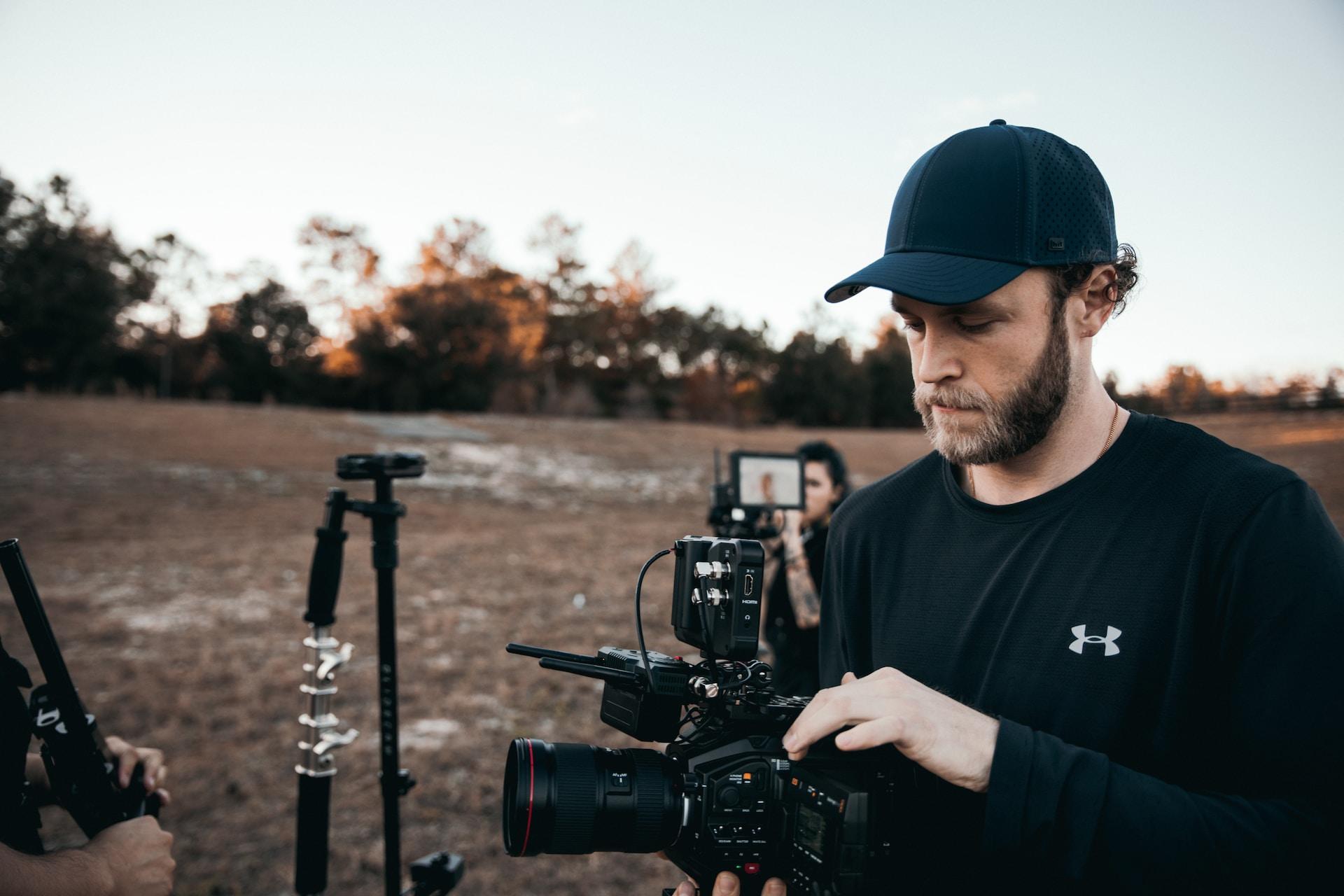
Regarding the effective use of film techniques in documentaries:
- Editing: The editing process is crucial in crafting the narrative. It involves selecting the best footage, arranging it in a coherent sequence, and ensuring smooth transitions. Through editing, a documentary can maintain a compelling pace and convey information effectively.
- Sound Design: Sound design includes the selection of ambient sounds, music, voiceovers, and sound effects. These elements can enhance the mood, provide context, and create emotional impact. Well-crafted soundscapes contribute to the overall immersion of the audience.
- Music: Music can set the tone, evoke emotions, and guide the viewer's emotional response. It's essential to select the right music that complements the subject matter and narrative style.
The editing process in documentary filmmaking shapes the narrative, controls the pacing, and determines how the story unfolds. Skillful editing techniques are essential in presenting a cohesive and engaging documentary
Choosing the right tone is crucial in conveying the desired message of the documentary. It sets the mood and atmosphere and influences how the audience perceives and connects with the subject matter.
Effective cinematography techniques in documentaries help capture and convey the story, while the use of film techniques like editing, sound design, and music enhances the storytelling and emotional impact. The combination of these elements creates a visually and emotionally engaging documentary that resonates with the audience.
Challenges and Opportunities in Documentary Filmmaking
Documentary production can present various challenges, including limited access to subjects or locations, ethical considerations, and funding. Overcoming these challenges requires creativity, resourcefulness, and adaptability.
Advancements in digital technologies have revolutionized the documentary filmmaking process. Self-distribution and online platforms provide filmmakers with opportunities to reach wider audiences and explore new methods of distribution.

From award-winning documentaries to diverse genres, there are numerous examples of documentaries that have made a significant impact on audiences worldwide. Exploring these films can offer inspiration and insights into effective storytelling.
Another way to control the outcome of your film making is to set up your own production company...
Choosing the Right Equipment for Documentary Filmmaking
Selecting the appropriate camera and audio equipment is essential to capture high-quality footage and sound. Consider the specific requirements of your documentary project and budgetary constraints.
Advancements in camera technology and innovative approaches to visual storytelling continuously reshape the documentary landscape. Staying informed about these developments and experimenting with new techniques can elevate your filmmaking.
Documentary filmmaking provides a powerful platform for directors to tell compelling stories, shed light on important issues, and invoke social change. By understanding different documentary styles, utilizing effective film techniques, and embracing the challenges and opportunities in the field, filmmakers can create thought-provoking content that resonates with audiences worldwide.
Remember, authenticity, storytelling, and invoking social impact are at the core of documentary filmmaking. Let your passion for storytelling guide you, and use the power of film to inspire and inform.
Summarise with AI:
Did you like this article? Leave a rating!

 Loading...
Hola yo le escribo, por que no sé qué pasará con mi vida, y quiero que mi historia ayude abrir muchas puerta para analizar, la fallas y pensar que el ser humano cree tener la razón de todo, yo soy Resilencia esa es mi palabra pues soy sobrevivientes de cancer pero justo en en ese momento fue cuando más daño me hicieron, traición, manipulación, sufrimiento, pero la fe me llevó la resilencia me llevó a seguir mi historia tiene tantas matices para discutir, por qué? La vida puede ser en cierto modo momento felicidad, pero luego matices oscuras inhumana totales, tanto hasta la sociología es cuestionable. Quiero contarla para ayudar a muchas mujeres y familias. A que piensen en lo vulnerable que somos y que es difícil pero también no rendirte a pesar de que no tienen como defenderte de todo y hasta peor en mi país con una situación totalmente inestable venezuela, cómo sobrevivi y sigo en ello.
Hola — gracias por compartir tu corazón. Si estás considerando dirigir un documental basado en tu historia, eso puede ser una poderosa manera de expresarte y conectar con otros. Un buen primer paso es pensar en el mensaje principal que quieres transmitir y empezar a escribir tus ideas. Busca también cursos o tutores en dirección de documentales que puedan guiarte paso a paso; muchas personas encuentran útil trabajar con alguien con experiencia mientras desarrollan su proyecto.