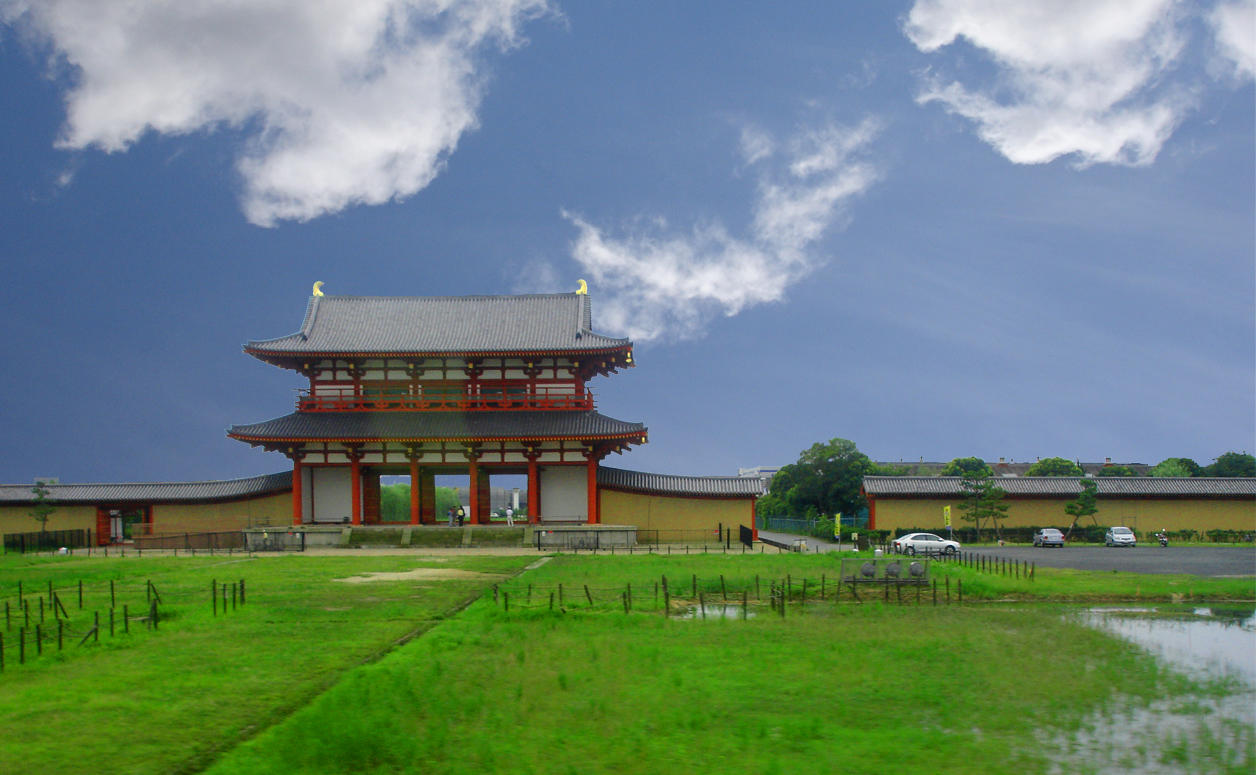

You might be thinking about travelling to Japan or even expatriating yourself there. If so, learning about the country's history will help you understand the traditions, culture and social structure of Japan.
Of course, you don't have to. But not doing so will probably result in misunderstandings and awkward moments. When witnessing an iconic Japanese doing, it's best to not do anything native Japanese people might consider offensive.
Lacking knowledge about Japan's long imperial history would be such an offence. Emperor Naruhito, Japan's current emperor, has a mostly ceremonial role, much like our royal family does. Despite that, Japan's royalty has a major impact on Japanese affairs.
In this article, we take a look at the Japanese emperors who ruled during the most influential dynasties. We'll see how these leaders helped shape their empires and what their legacy was/is. We'll also touch on Japanese leaders who were proclaimed emperors after their deaths.
An Overview of Japan's Most Impactful Emperors


The Japanese Emperor's Role
Before we meet our emperors, let's go over the Japanese Emperor's duties, status and powers. We'll start with the assertion that just under 3/4 of the Japanese population hold the Imperial concept in high regard. Mainichi Shimbun, a Japanese news outlet, conducted a survey just after Emperor Naruhito's ascension to the Chrysanthemum Throne in 2019:
74% of the Japanese support the current "symbolic Emperor system" - the Mainichi Shimbun survey.
Japan still has an Emperor but he doesn't hold any executive power. According to Japan's 1947 Constitution, the Emperor is still the head of State. However, his duties are ceremonial.
Emperor Naruhito is the 126th Emperor of Japan, making this Japanese Imperial family the longest-reigning dynasty. His father, Emperor Akihito, held the throne for a little over 30 years - from 1989 until his abdication in 2019 due to ill health.
The announcement caused controversy; the last imperial abdication took place in 1817. That's a rather odd twist considering that historically, abdication was the norm for Japanese emperors.
A Constitutional Monarchy
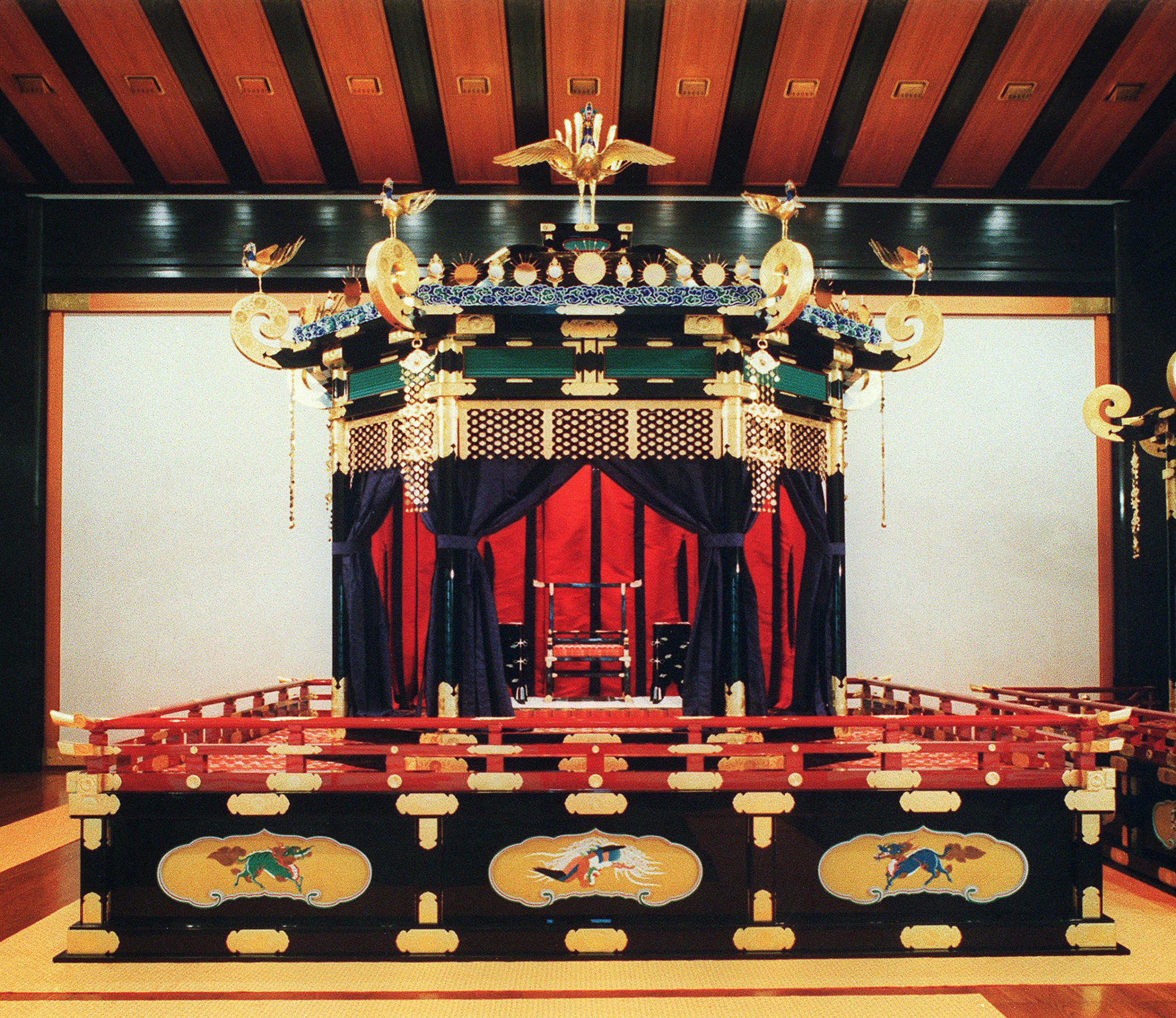
Japan has been a Constitutional monarchy since the adoption of the Meiji Constitution in 1889. A year after that, the Japanese Parliament formed. The Japan National Diet, the Japanese Parliament's name, dissolved the constitutional-absolute monarchy system in 1948. That's when the Emperor lost all but his ceremonial functions.
Today, the Emperor is a "symbol of the State and the unity of the people". The sitting government must advise and approve all of the Emperor's actions on behalf of the state.
Working from the Cabinet's resolutions, the Emperor dissolves the House of Representatives and convenes the National Diet. Once the Diet selects a Prime Minister, it's the Emperor's job to formally designate him. The Emperor also reviews and affixes his seal on decisions Parliament makes.
Beyond that, he's tasked with welcoming and hosting foreign dignitaries, including ambassadors. They may also visit landmarks throughout Japan to lay wreaths and give speeches. If all this sounds familiar, it's because those are the same duties our royal family undertakes.
The Imperial History of Japan
Going from absolute rule to ceremonial functions may sound like a come-down, especially when compared to past emperors' deeds. Appearances are deceiving, though. For instance, consider that Emperor Akihito, who recently vacated the throne, will receive the name Heisei after his death. Heisei is a Japanese expression of worldwide peace.
That's not a bad tribute, particularly when contrasted with Japan's past emperors. Those ancient rulers were mainly known for their warring. The record reaches back to 660 Before the Current Era (BCE), to Emperor Jimmu. Few historical records remain from before the 26th Emperor of Japan, Emperor Keitei, so we can't know anything about the ancients' deeds.
Though the dates are a bit sketchy, Emperor Keitei gets credit for founding a new dynasty. Evidence suggests he was not well-received; it took most of his reign to establish his credentials. He is noted for putting down the Iwai Rebellion, an uprising in the Tsukushi Province in Kyushu.
Emperor Kinmei's reign, from 540-571, marked the start of Japan's Classical Period. This era lasted until 1185, the beginning of Medieval Japan.
This Classical Period was marked by meaningful political, artistic and social transformation. Emperor Antoku spearheaded those initiatives during his reign. That's the epoch Japan embraced the name Nihon (日本), a term still in use today.
Buddhism and Taoism had already made their way to Japan from China and Korea, as did innovations like writing and paper-making. These inventions allowed poets to record epic tales like the Tale of Heike. This poem describes the conflict between Emperor Antoku's Taira clan against the Minamoto clans, both of which were fighting for control of the empire.
During Japan's Classic period, the Emperor and his court were the main sources of power throughout the country. This status quo broke in 1185 with the emergence of a new driving force in the country, the Shogun.
You can learn more about Japanese history in Japanese classes London or by taking Japanese lessons online. Now, let's meet a few of Japan's most influential emperors.
Emperors of Premodern Japan
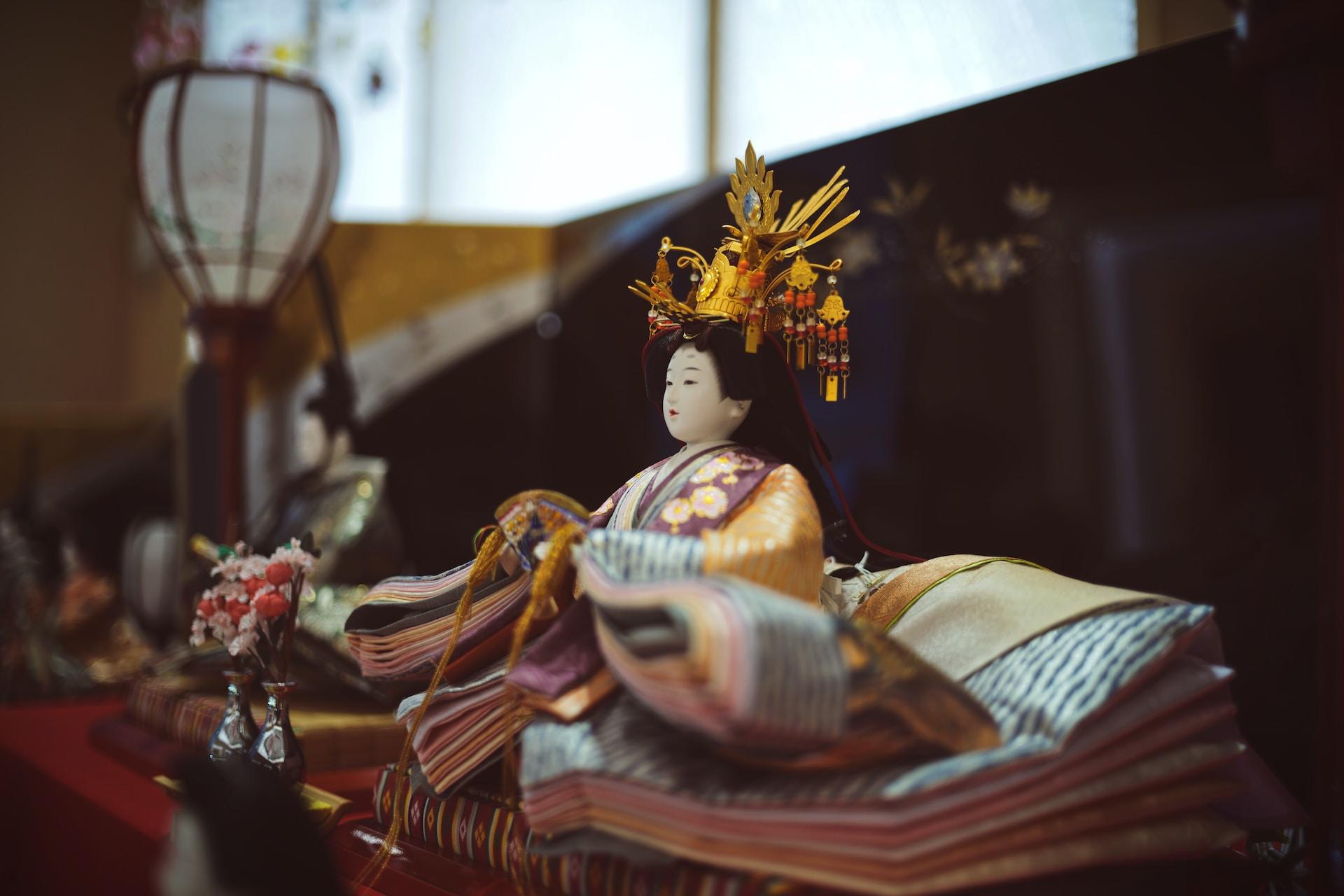
Much of medieval Japan was beset with tribal infighting, with clans trying to wrest power from one another. The Tokugawa Shogunate won the ultimate conquest and promptly plunged the country into isolation - Sakoku. This Edo period of isolation lasted from 1603 to 1868.
Emperors and empresses came and went during that time; 13 of them, to be exact. During his reign (1846-1857), Emperor Komei took steps to end Japan's isolation and return the country to imperial rule. With this in the historical record, we can talk about select emperors' deeds and impacts.
Emperor Meiji
Following the death of Emperor Komei in 1867, his son Meiji ascended the throne. Shortly after, and under the pressure of other daimyos - feudal lords and Emperor Tokugawa Yoshinobu relinquished power. He was the 15th and last Tokugawa Shogun. Upon stepping down, he declared that he "put his prerogatives at the Emperor's disposal".
The Meiji Restoration allowed Japan to enter the age of modernity. Through social reforms, economic changes and technological advances, Japan quickly caught up with the Western nations.
Emperor Taishō
Prince Yoshihito, son of Emperor Meiji, assumed the throne in 1879, upon his father's death. He expanded on his father's efforts to modernise and democratise Japan. He shifted the rule-making mandate from the 'elderly statesman' genrō to the Imperial Diet and the political parties.
He suffered poor health throughout his life, starting with his bout of cerebral meningitis within weeks of his birth. For the last six years of his reign, his eldest son served as regent due to the Emperor's frequent illnesses.
Emperor Shōwa
Emperor Shōwa, known as Emperor Hirohito during his reign, was the longest-serving emperor in Japanese history. His 62 years on the throne are bookended with brutal fighting during the Second World War and the country emerging as the global leader in technology.
He was born in 1901 in Tokyo, the most renowned of all the cities in Japan. His life and education were standard for the imperial class, though as crown prince, he received special attention. He assumed regency when he was just 20 years old, after returning from diplomatic missions around the world. Besides acting in that capacity, he distinguished himself as a military officer.
As a regent, Crown Prince Hirohito was party to several important happenings. In 1921, he signed the Four Power Treaty on Insular possessions, agreeing with Great Britain, the US and France that Japan would maintain peace in the Pacific region. He also agreed with Britain to end the Anglo-Japanese Alliance meant to contain Russia. In August of that year, he withdrew Japanese troops from the Siberian Expedition.
He also presided over Japan's prosecution of the Second World War. Japanese troops became infamous for horrors such as the Rape of Nanking - levelling an entire Chinese city, and the use of Korean 'comfort women' to keep troops motivated. Despite wartime atrocities under his rule, Emperor Hirohito was not charged with or tried for war crimes.
Japan's Posthumously Recognised Emperors
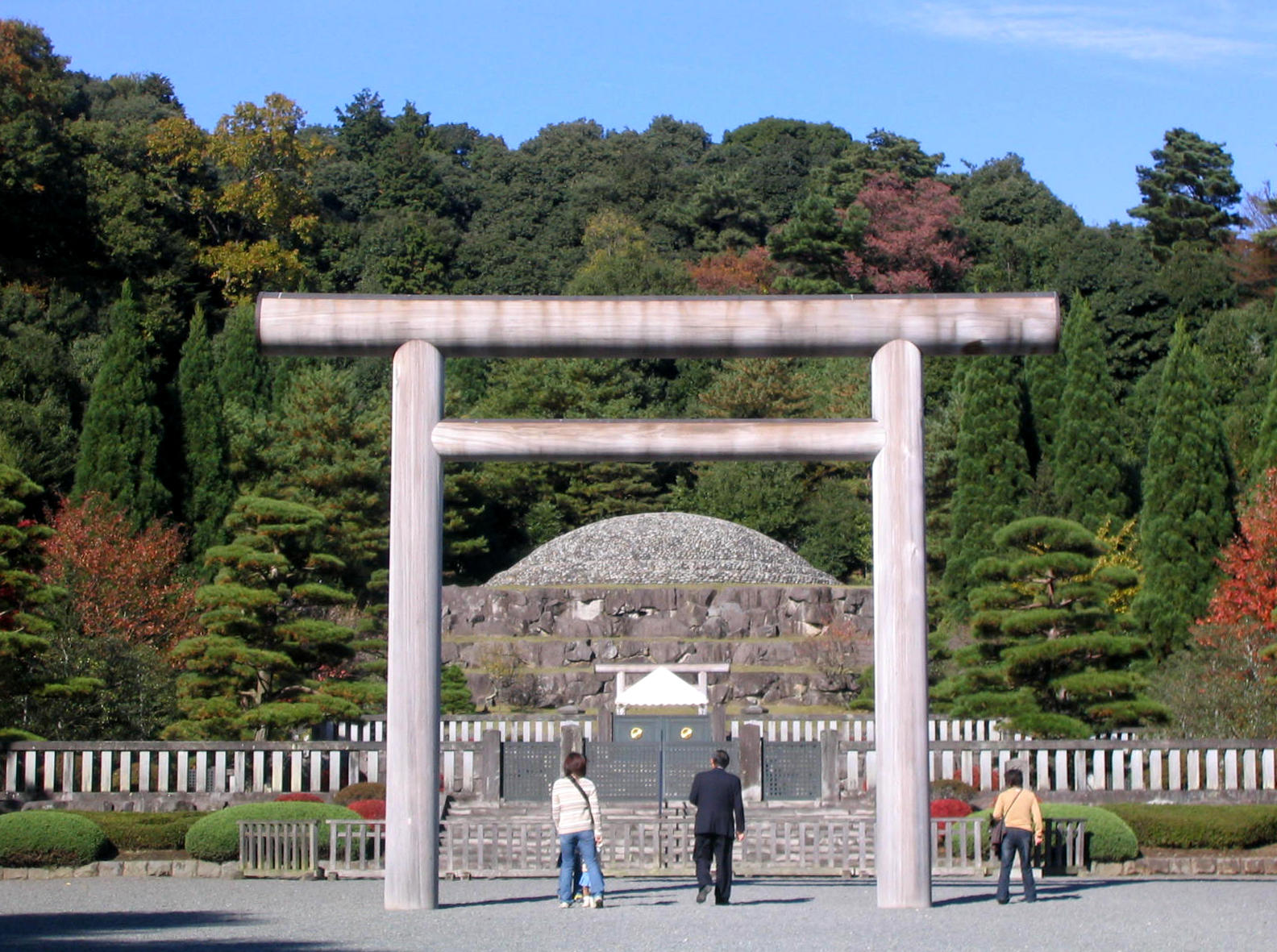
Japan fascinates, shocks and amazes but one thing that Japan does not do is leave you indifferent. That might be why 30 million tourists travel to Japan every year. But perhaps even native Japanese people wonder why their history includes six names of emperors who only became so after their deaths.
Crown Prince Kusakabe was Emperor Tenmu's heir. As the emperor-in-waiting, he married Empress Genmei and fathered future emperor Monmu. He died in 689, when he was 26/27 years old, shortly after Emperor Tenmu succumbed and before he could formally ascend to the throne.
Prince Toneri was Prince Kusakabe's half-brother. He was accorded the title of emperor after his death because he fathered Emperor Junnin, Japan's 47th Emperor. Though never an emperor himself, Japan's succession rules demand that emperors descend from emperors, hence the posthumous designation.
Prince Shiki was also of imperial issue but had nothing to do with politics or ruling, After he died, his son, who became Emperor Kōnin, married Princess Inoe, thus gaining support for the throne. Once again, as a royal family member whose issue claimed the throne, Prince Shiki was granted the title in death.
Little is known about Prince Masahito, other than he too preceded his imperial father in death. Thus, his son took the throne, mandating Masahito's title as Emperor. Prince Kan'in was likewise accorded a title, making him the sixth posthumously recognised Japanese emperor.
Today, every aspect of Japanese life and culture has roots in this country's rich history. Japanese cuisine is one example that epitomises that. This language's writing system does, too. When you start your Japanese lessons, you'll discover that even the Japanese 'alphabet' tracks historical events.
Summarise with AI:
Did you like this article? Leave a rating!

 Loading...