
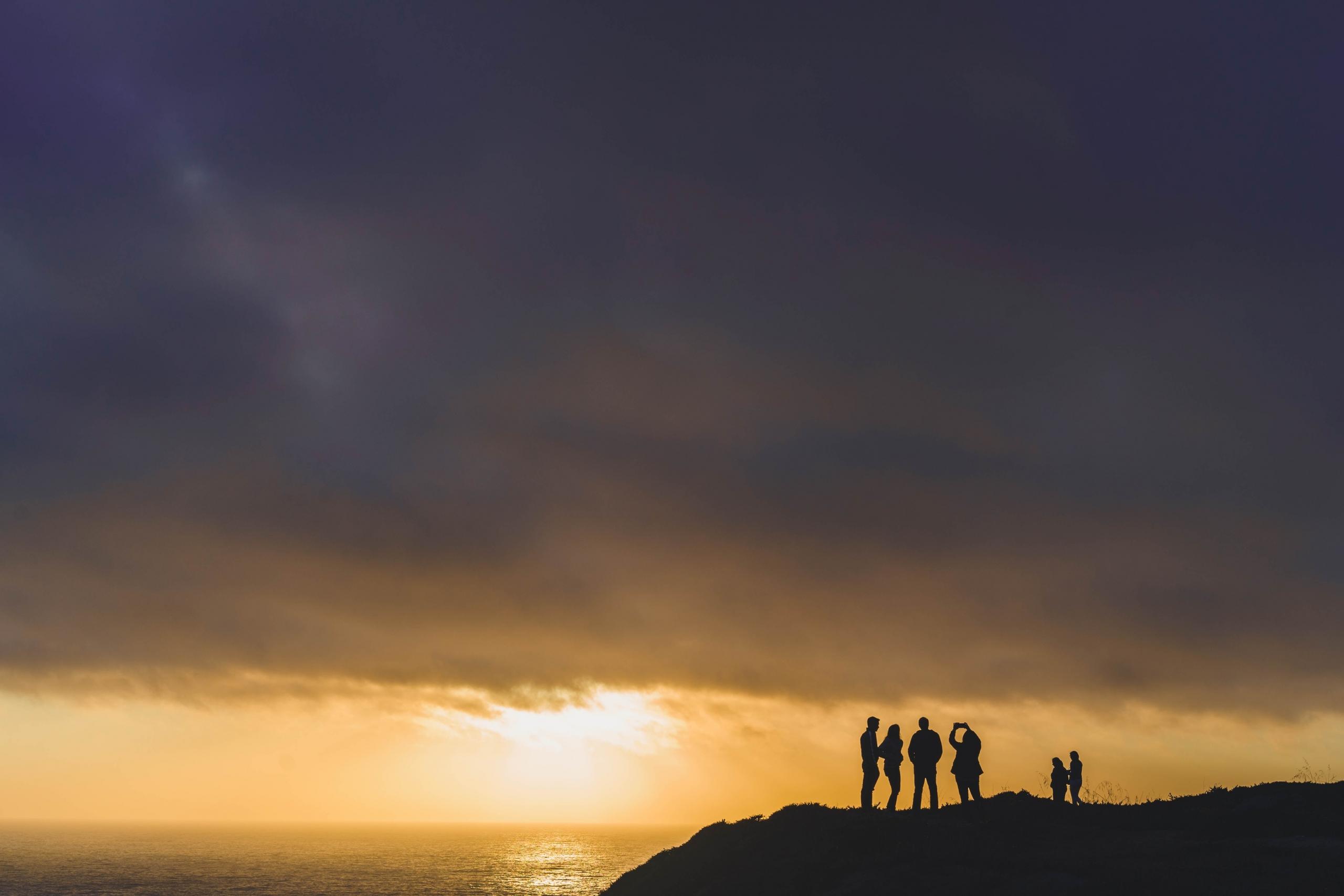

"Photography is the only language that can be understood anywhere in the world."
-Bruno Barbey
Despite our best efforts and sincere interests, we may sometimes struggle to understand people from other countries due to language and cultural differences. Honestly, foreign tongues are an obstacle. Nonetheless, there are ways to communicate with others, and there are some things that we all share in common, find interesting, and are used to regardless of where we were born. Such as?
For instance, we all share a love for family and friends. Most people love delicious food and sinful sweets. We all appreciate beauty from the arts such as masterful photos of a beautiful scene. So, when it comes down to it, we aren't so different from one person to the next.
Without further delay, since photography can be appreciated by people worldwide, in today's article, we shall focus on improving the way an image looks by adjusting framing and composition to create the right balance.


What is Framing Photography?
To become better at photography, it is essential to remember that some critical aspects must be learned and carefully examined. Such as? Framing in photography.
But, what is framing? Well, photography framing can be defined as the part of image capturing that refers to drawing attention to the subject in the foreground by blocking other factors in the background of a photo that may distract.
By knowing the techniques of framing in photography, the viewer may be attracted to what matters in the shot like an animal, or a person.
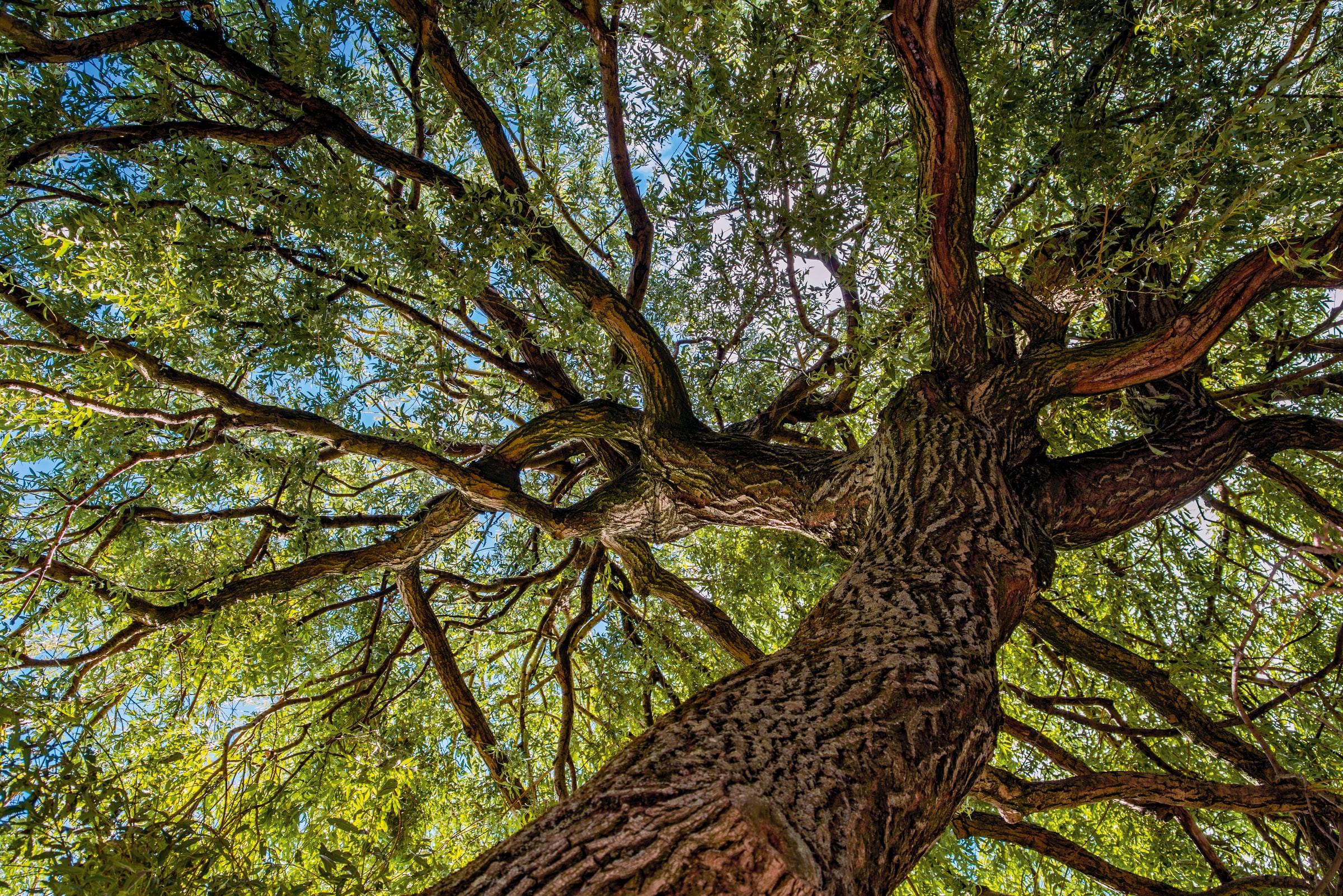
Frames on a camera or smartphone can be located in the centre of the screen or alongside its edges. While some photography tools include framing to make it easier, some professional photographers use branches, tunnels, windows, or arches; this is known as natural framing photography.
What is excellent about framing is that it can create the illusion of depth in images and tells an interesting story about the subject without even using words.
Are there any suggestions to improve photography framing and make a scene look better? Absolutely. Keep on reading to find out more!
What are Photography Framing Techniques?
Framing goes hand in hand with composition and is necessary to create beautiful photos that work beautifully with both the foreground and the background. Nonetheless, to be part of the group of photographers that use framing, we highly recommend adhering to tips from experts to ensure that the lines of your image are appealing and the depth of the shot is interesting to the viewer.
So, without further ado, the list below mentions a few suggestions that help beginner photographers to frame their photos:
- Use Natural Frames: if you don't have the right camera equipment and your smartphone doesn't possess the framing squares lines, it's greatly suggested to use natural frames in photography framing. By taking advantage of structures from natural or artificial objects such as branches, windows, tunnels, and doors, not only does your picture appear well-framed, but it also has a look of symmetry.
- Focus on the Subject: when looking at a picture, the viewer's eye goes directly to the sharpest part. So, one rule you could follow to frame a picture is to avoid drawing too much attention to objects in the foreground and instead framing the subject in the scene. By doing so, every shot will evoke emotion and make you a leading expert in using framing photography.
- Choose a Remarkable Subject: since framing is made to have the subject stand out, remember that you must choose a topic that is spectacular and worthy of your hard work. Adjust the settings of your camera to get the final image that you want without spending too much time taking many pictures without a valid point.
By following the previously mentioned tips, your images will just make sense and you will dominate in the field of framing composition photography.
What Does Composition Mean in Photography?
Since one cannot be mentioned without the other and now that we know photography framing techniques, it's necessary to discuss the point of composition in photography. Therefore, what is composition, and how can it be used to take better photographs?
First and foremost, composition in photography can be defined as how the elements of a photo are arranged and where they appear in the picture. The rules of composition in photography can be made up of a few interesting techniques and then, using composition settings and features on a camera or iPhone, the elements are set up, and the pictures become similar to the way humans see things.
To reach a specific goal in photography of a scene, a person must "compose" the image so that it appears on camera with the correct balance and the same way the photographer had it envisioned. Arranging the elements includes moving the objects or subjects to the correct position in the background or foreground.
Specific subgenres of photography, such as still-life or portrait photography, require a lot of creativity from the photographer to ensure that shot composition is done correctly. In other types of photography, such as street photography, part of the composition may require that the photographer change their position or apply presets on the camera just before shooting since the subjects are constantly in motion.
Composition is an essential part of the photography process since it can make even the dullest subjects look like a masterpiece when the right techniques and tweaking are used.
Also, it's worth mentioning that part of composition and framing includes a little thing most Millennials and Gen Zers know as cropping. The photo can be cut digitally to make the main features stand out more truly. Consider learning about the rule of thirds in composition photography to get the photograph you want.
But, are there any suggestions to become more skilled at composition when taking pictures? Of course. Take a look at the following paragraphs to get a better sense of composition in photography.
What are Composition Tips?
While photography is a fun hobby that can be experimented with during free time, it's also an art form with many layers. One of the essential aspects that beginner photographers should be familiar with is composition.
So, without delaying the matter any further, the following are five brilliant nuggets that are guaranteed to make novice photos look like efficiently composed masterpieces:
- Think About Your Vision: before setting out to take pictures, spend a few moments visualising the photograph you wish to take. By meditating on your end goal and vision, you'll get a sense of what you want and this will help you to adjust the camera and the subjects.
- Adjust the Light: lighting is sometimes the difference between a good photo and a mediocre one. Therefore, instead of taking multiple pictures of the same subject hoping that one photo will turn out well, come back at different times when the natural light is perfect.
- Don't Get Too Close: since some photographs may have various subjects, it's essential to keep in mind that you shouldn't get too close to them. Allowing the subjects to have some space in the frame permits you, the photographer, to compose a serene picture that is symmetrical and isn't too busy.
- Shoot From Different Angles: instead of simply taking pictures from eye level all the time, try moving around to capture your subject from below or above. You'd be surprised to discover that shooting from different angles will create work that looks brilliant.
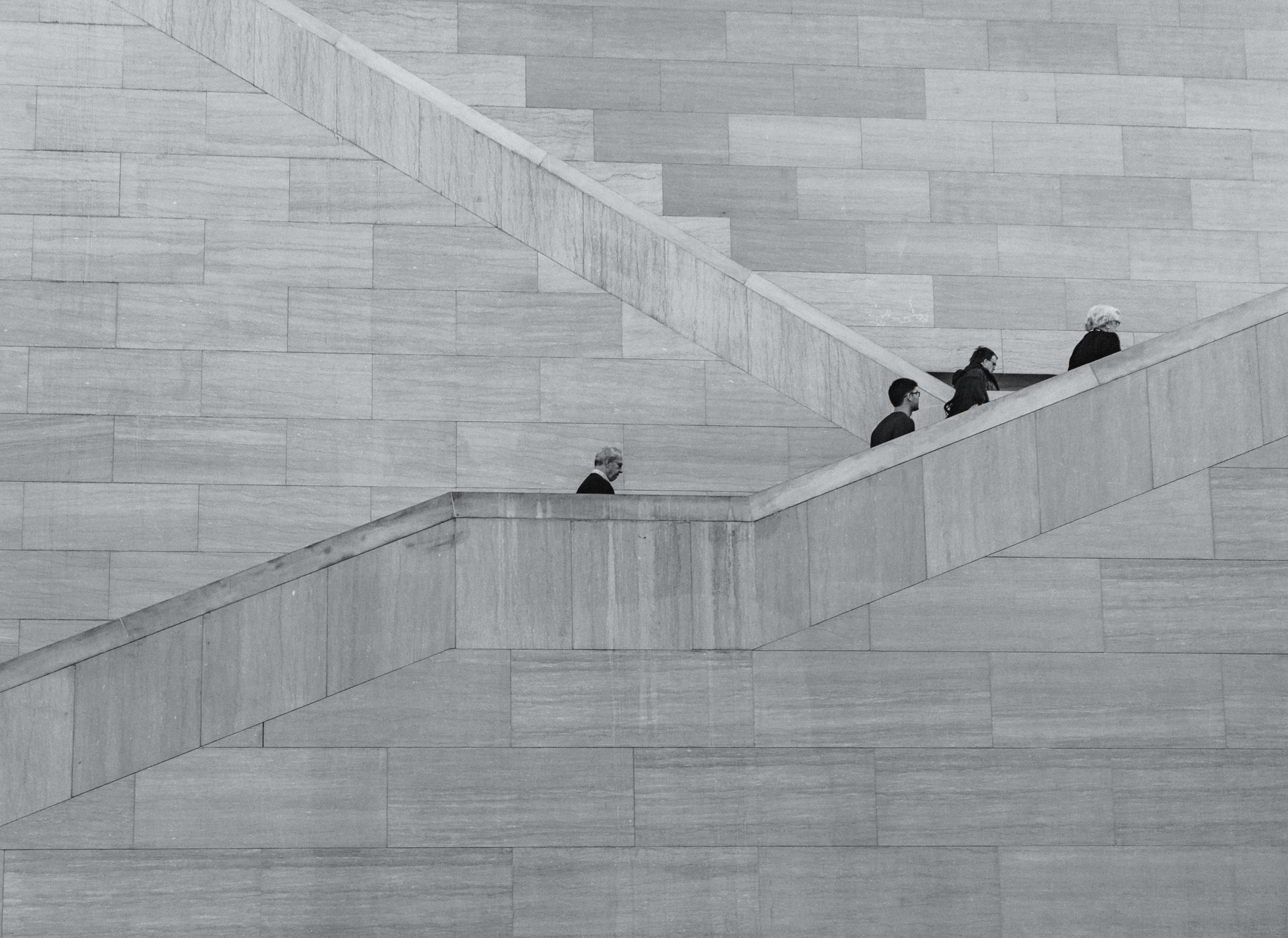
- Try Balancing the Image Diagonally: if there is more than one subject in the photograph, try balancing your camera diagonally so that you can catch everything, both the focal points in the foreground and the background. This will make things look gorgeous horizontally and vertically, adding dimension and depth and creating a well-rounded image.
While the previously mentioned tips about frame composition are fantastic and will significantly improve the work of beginners, it's worth pointing out that there is something known as the five rules of composition in photography. Such as? The list below draws attention to these five rules:
- Leading Lines,
- Rule of Thirds,
- Negative Space,
- Horizon Line,
- Symmetry and Patterns.
For more information about the previously mentioned rules, such as the ever important rule of thirds, click this link. By using and applying the counsel of the five practices of composition, your images will go from beginner to expert level rather quickly.
Can I Hire a Tutor that Specialises in Framing Composition?

To learn directly from a trusted source about composition and framing, we highly recommend using the advice of a personal instructor that specialises in photography framing techniques. But, where does one locate a private photography tutor with experience, the right qualifications, and years of practice? The answer is simple: Superprof.
Superprof has gained a stellar reputation in the sectors of private tutoring and e-learning for the following reasons:
- A wide variety of professional tutors that work around the clock,
- Affordable lessons that work with everyone's budget,
- An easy-to-use lesson booking software,
- A fantastic student/tutor support staff,
- The possibility to learn new things in-person or online.
The most recently updated version of our website states that 368 photography tutors across the United Kingdom are ready to conduct lessons in composition and framing for persons of all levels and ages.
In conclusion, by mastering the art of framing and composition, the photography skills of beginners become more seasoned and ready to be placed on your walls.
Summarise with AI:
Did you like this article? Leave a rating!


 Loading...
