

Maths isn’t every student’s favourite subject, and that’s fine.
Yet, as a GCSE maths tutor, this makes your job a little more challenging. If you’re faced with a more creative-minded student who detests the idea of doing endless sums and calculations, what are you to do?
Well, we’ve created this guide to ease your concerns and provide tips and tricks for giving stellar maths classes that all students can enjoy.
While maths can be a difficult subject for some, others will rise to the challenge.
If it’s a subject you’re passionate about teaching, the Superprof tutoring platform could be a great base from which to launch your career.
On the website, students will come to you after you create a profile, and you can teach either online or in-person classes.
With that in mind, what are some of the ways you can up your tutoring game and deliver the best GCSE maths classes in your area?
Want to give private lessons?
Join the Superprof community and share your knowledge with interested and motivated students.
Pick the Right Level to Teach

If you want to become a GCSE maths tutor, one of the first decisions you’ll have to make is which level to teach.
Would you prefer to tackle the Foundation tier and deal with basic maths problems, teaching those who struggle with the subject how to overcome their difficulties?
Or would you rather go in at the Higher tier, and teach the maths whizz kids a thing or two about the subject they profess to their friends to have mastered?
To give you a clear idea of what your options are, let’s take a closer look at the two tiers and what you can expect with each.
Find good tutoring jobs London here.
Foundation
The Foundation tier is for grades 1-5, while the Higher tier is for grades 4-9, which means there is an overlap between the two.
As a result, there is typically a question or two on the Foundation and Higher tier exams that’s printed exactly the same. This gives Foundation tier students a chance to hit the high end of the grade spectrum and prove they should really be in the Higher tier.
As a GCSE maths tutor working with Foundation tier students, your goal should be to shoot for the overlap grades of 4 and 5, which will make them some of the best performing students in their maths class.
Though it may seem counterproductive to your career and income as a private tutor, you should do your best to get your student to a level at which their school might consider pushing them to the Higher tier.
Higher
The Higher tier is for grades 4-9 and follows much the same format as the Foundation tier.
Of course, if you deal with students in the Higher tier, the material will be slightly more complications so you might have to lean more upon resources to aid comprehension when necessary.
The main goal with Higher tier students is typical to ensure they maintain their status as Higher tier students, though of course shooting for grades 7-9 is the ideal objective if they have the potential.
If you choose to teach the Higher tier, you could be dealing with students who consider a career in a maths-related field in future, so you want to do your best to build and maintain their interest in the subject. You want to keep the door open for them so that they can go on and study the subject at sixth form and perhaps even university after that, should they wish to.
Search jobs for ex teachers on Superprof UK.
Use Online Resources
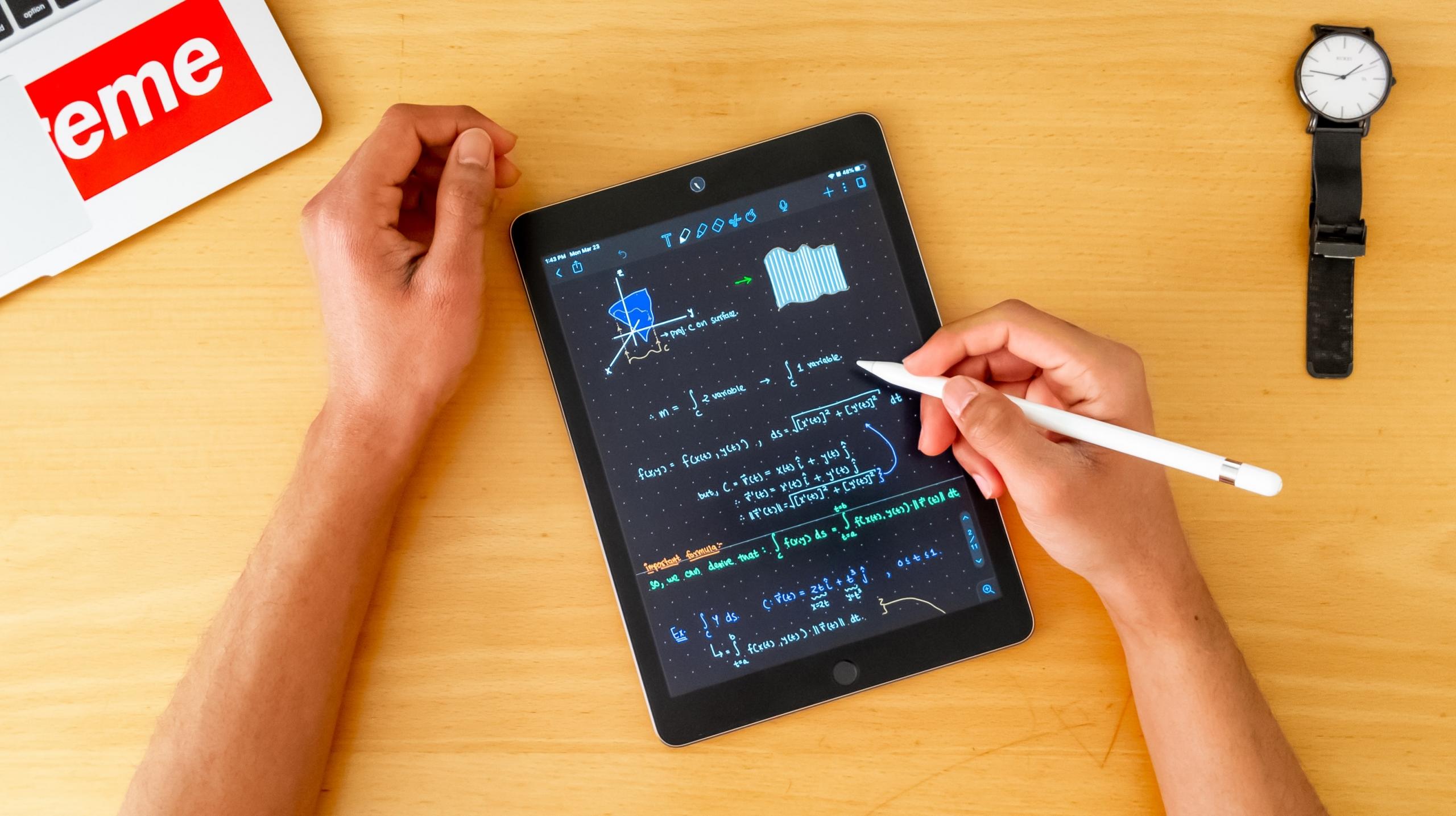
As a GCSE tutor, the internet is your oyster.
There are an endless number of maths-related resources available for free online, so it would be naive not to make the most of them in your classes.
That isn’t to say that you have to base your classes around digital resources, but if you want to keep your students engaged, it’s a good idea to sprinkle them in where possible.
Whether you believe it’s a positive thing or not, advances in technology mean that most younger students have access to tablets and computers, if not mobile phones.
You have to assume that this easy access to technology has an impact on the students’ ability to focus and concentrate on their studies.
That is, unless, you use technology and digital resources to your advantage.
If your students have a hard time focussing for 30-45 minutes on complex maths formulae and equations, why not find a short informative video on the topic you’re covering to break up the monotony?
Even just a visual illustration of a problem, perhaps in a real-world context, can help keep the student engaged and focussed on the task at hand. This use of multimedia can also be helpful to visual and auditory learners, who may absorb information easier through video and sound than text on a page.
What are some good resources to use for teaching GCSE maths?
Well, you can’t go wrong with BBC GCSE Bitesize. Bitesize is one of the UK’s best online GCSE resources, as it’s filled with everything from explanations to interactive activities, and conveniently lays them out according to the exam board too.
Maths Genie is another top online resource, which provides a plethora of past papers, along with exam-style questions and other activities.
Then there’s YouTube, the popular video-sharing platform that can be an invaluable resource for whatever it is you’re trying to teach.
Search tutoring jobs London on Superprof UK.
Provide Real-World Problems
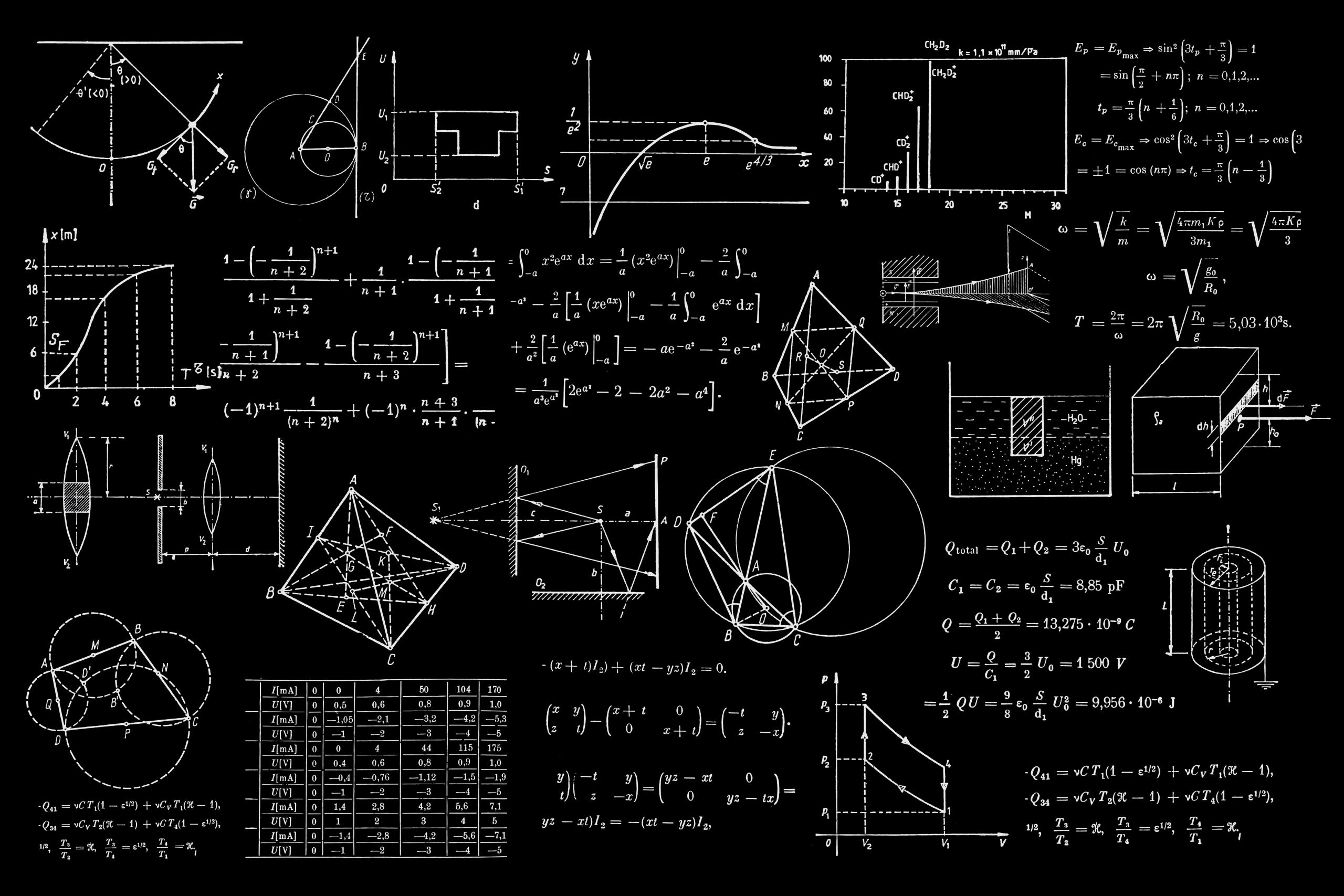
One reason many students feel like maths as a subject is boring, tedious, or pointless, is the lack of real-world context.
We’ve all heard the line before, whether it was in reference to Latin, maths, or history: ‘when I am ever going to use this in my life?!’
This criticism is usually born out of frustration at how difficult the subject material is, but it’s also partly rooted in reality. After all, a lot of maths does seem to be formulae and equations that seemingly have no bearing on our day-to-day lives.
Or at least that’s what textbooks and teachers might have us think.
As a tutor, you know different, and it’s your responsibility to help your students realise how important maths really is in the real world.
How can you do this?
Simply by presenting problems in real-world contexts.
Instead of showing students a triangle to explain angles, why not use the visual of a swimming pool?
Instead of doing endless sums ‘just because’, tell the student that they’re an accountant figuring out how much a client owes in taxes.
By looking at maths problems through a different lens, it might motivate your students to put in more effort to solve them.
You never know, it may even spark curiosity in them, so much so that they go home after class and start measuring angles in their bedroom!
Encourage Exploration
Maths, like science, is often known to be a dry subject, but it doesn’t have to be as you know.
If you struggle to find ways to make your classes entertaining and engaging, simply think back to the moment you decided you wanted to be a maths tutor.
Ok, there’s a chance that you picked it as a career because you didn’t know what else to do, but deep down it’s likely that you have some kind of affinity with the subject. Regardless of your qualifications, there's so much you'll know about maths that could be of interest to your students.
If you struggle to find out what that is, it’s worth taking some time to figure out what it is, because this can help you bring out a sense of curiosity in your student.
Ask your student in your next class, ‘what do you like about maths?’
If the answer is a shrug of the shoulders or an emphatic ‘nothing’, then why not take it upon yourself to help them connect with the subject more?
It’s interesting to wonder how many students who struggle with maths find it difficult purely because they lack the motivation and don’t feel a connection with the subject.
If you give them a reason to enjoy what they do when they study maths, then it’s going to be much easier to convince them to spend more time on it, and as a result, gradually improve their grades.
Some like to think of maths as a foreign language: a series of concepts or building blocks that when put together form a fascinating framework for understanding a lot of life’s biggest questions.
Whereas GCSE English tutors focus on texts and reading comprehension, maths tutors deal primarily with numbers, sums, and seemingly endless calculations.
However, when you take a step back and encourage your student to do the same, maths is about the universe, the stars, and beyond.
Without it, where would be as a civilization?
For a start, we wouldn’t have buildings, websites, or technology.
By pointing this out to students who may well have an unhealthy obsession with technology, it might inspire them to dig deeper and explore the subject more.
What other subject at the school level can prepare students for a career in computer science or as a game developer?
Which subject allows students to design new technology or build bridges?
Is there another subject in the school curriculum that opens up so many doors and future career possibilities?
Want to give private lessons?
Join the Superprof community and share your knowledge with interested and motivated students.
Summarise with AI:
Did you like this article? Leave a rating!


 Loading...