


Latin is one of the most influential languages in human history¹. Although it is classified as a dead language, its legacy is anything but gone. Its impact extends across the Romance languages, English, and the scientific, legal, and literary traditions of Europe². If you're asking yourself what Latin is, how old Latin is, or where Latin came from, this guide will explain.







📜 The History of Latin at a Glance
753–700 BCE
Early Latin Emerges
Latin develops in Latium, influenced by Etruscan and Greek³.
600–400 BCE
Old Latin Inscriptions
Earliest inscriptions appear, including the Lapis Niger⁵.
240–100 BCE
Early Literature
Plautus and Terence write the earliest known Latin plays³.
75 BCE–14 CE
Classical Golden Age
Cicero, Virgil, and Horace shape Classical Latin¹.
14–200 CE
Imperial Latin
Latin spreads through the empire as a unified administrative language¹.
200–500 CE
Vulgar Latin Divergence
Spoken Latin diverges regionally into early Romance languages².
476 CE
Fall of Rome
Latin transitions into Romance languages across Europe².
600–900 CE
Medieval Latin
Church scholars preserve manuscripts and maintain Latin's scholarly role¹⁵.
800 CE
Carolingian Reforms
Charlemagne improves the standardisation of written Latin¹⁵.
1300–1600 CE
Renaissance Neo-Latin
Scholars revive Classical forms in literature and science¹⁵.
1900–Present
Modern Latin Revivals
Latin remains in education, liturgy, and enthusiast communities.
📍 The Birthplace of Latin in Ancient Latium
Latin originated in Latium, a region of central Italy along the Tiber River⁴. It was spoken by the Latins as early as the 7th century BCE, based on early evidence from the first Roman settlements⁴. These early Italic communities eventually formed the city of Rome, which would become the nucleus of Latin-speaking culture⁴. As Roman power expanded, Latin spread across Europe and eventually developed into the Romance languages spoken today².

Latin is an ancient language spoken initially by the Roman people of Latium in central Italy, and it became the primary written and administrative language of the Roman Empire. Many modern European languages, including Italian, developed from the words, vowels, and syllables found in early Latin. Although Latin is often called a dead language, it survives through the English vocabulary and the classical traditions we still use today.
🗺️ Geographical Context
Latium was a fertile area bordered by hills, the Tyrrhenian Sea, and the Tiber River⁴. These features made it ideal for agriculture, migration, and trade. Early Italic tribes interacted with neighbouring Etruscan and Greek communities, shaping the early Latin language. Inscriptions show a mix of Italic and external influences as the language slowly developed³.
Early Speakers and Culture
The Latins, the earliest speakers of the language, lived throughout Latium. Before Rome’s rise, they spoke a simple ancestral form now called Old Latin³. As Rome expanded, this spoken dialect developed into the written and administrative language we now know as Latin. Latin’s early development was shaped by:
⏳ The Historical Development and Evolution of Latin
The history of Latin spans over a millennium and developed alongside the rise of Rome from a small settlement into a powerful Mediterranean civilisation¹,⁴. If you choose to study Latin online, you'll find out that scholars typically divide Latin into historical stages that reflect its evolution over time¹.
Over the centuries, Latin evolved through several significant periods, from Old Latin to Classical Latin, and later into the late Latin forms used across the medieval world. Its written style shifted as Romans interacted with Greek speakers, creating new vowel patterns, consonant changes, and distinctive, pronounced forms. These developments shaped the age of classical literature and laid the foundation for the Renaissance revival of Latin learning.
Old Latin (7th Century BCE – 75 BCE)
Old Latin refers to the earliest written form of the language before it became standardised³. It appears in inscriptions on pottery, bronze tablets, and early literature. Key characteristics of the Old Latin language include:
One of the oldest surviving examples is the Lapis Niger inscription, found in the Roman Forum⁵.
Classical Latin (75 BCE – 3rd Century CE)
Classical Latin became the language of literature, government, and education during the late Republic and early Empire. Writers such as Cicero, Livy, and Virgil shaped its grammar, vocabulary, and literary style¹. Classical Latin can be recognised by:
Classical Latin emerged as the main written language of the Roman Empire, shaped heavily by scholars who refined its vowel system, consonant patterns, and literary style. This period marked the shift from early forms of Latin to the highly structured language used in ancient education, law, and government. Many modern Romance languages still reflect Classical Latin’s grammar, syllable rhythm, and vocabulary.
Vulgar Latin and the Rise of the Romance Languages
While Classical Latin was used in literature, Vulgar Latin was the spoken language of ordinary Romans². It changed rapidly across regions and eventually diverged into the Romance languages, including:
This transformation took place naturally as the Western Roman Empire declined and local dialects evolved².
🌍 How Latin Shaped Modern Languages
Latin continued to influence Europe long after the empire fell. Not only did it shape the Romance languages², but it also had a profound effect on English vocabulary.
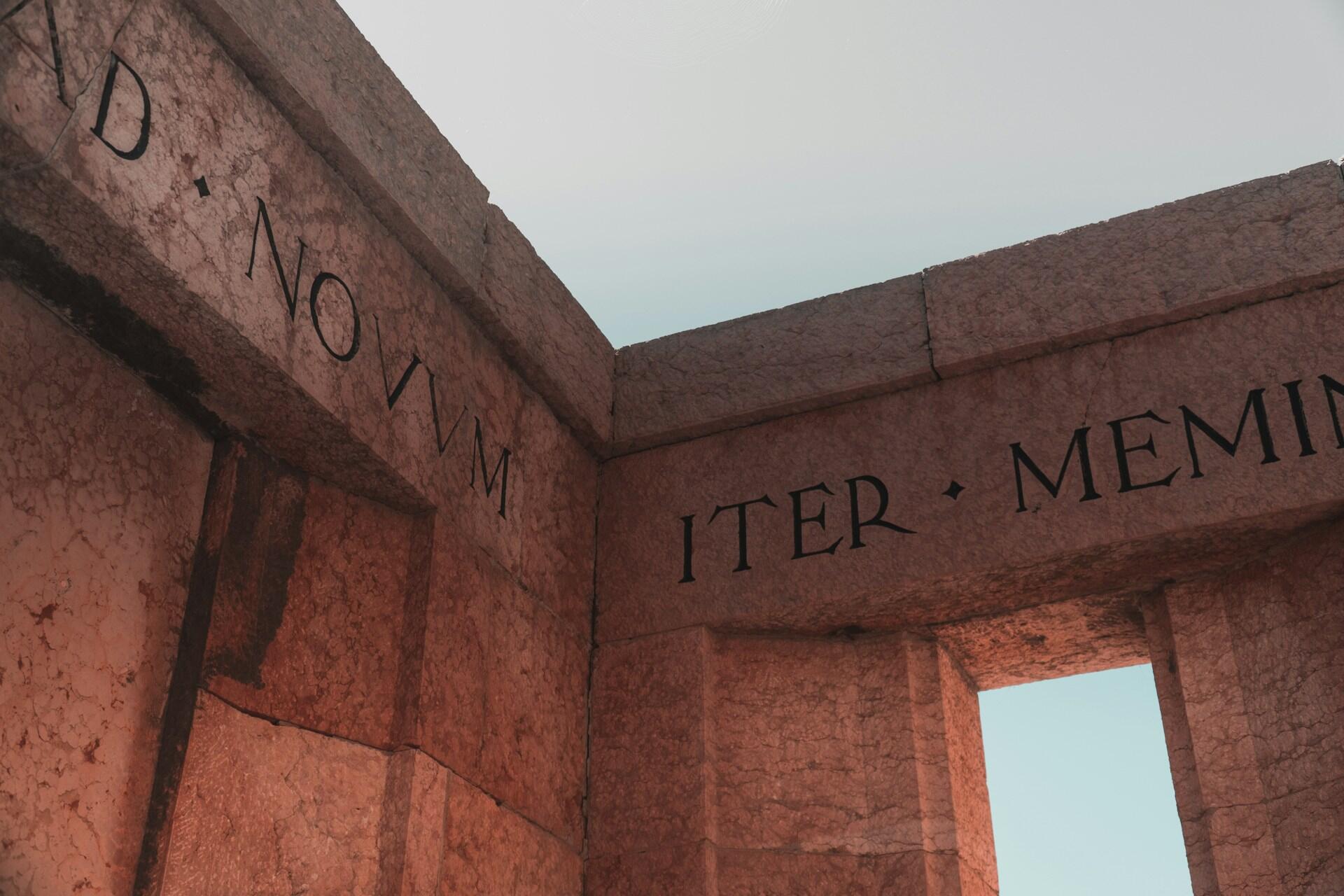
The Romance Languages
The Romance languages are the direct descendants of Vulgar Latin². When the empire collapsed, people continued speaking their regional varieties, which gradually evolved into new, distinct languages. Despite their differences, these languages share:
This shared foundation makes them recognisably connected even today.
🔤 Latin’s Legacy in English and Other European Languages
If you take Latin lessons, you'll likely learn that English is a Germanic language, but then half of its vocabulary comes from Latin, primarily through French and scholarly use. Latin entered English through:
Latin developed within the wider Indo-European language family and shared deep connections with Greek, influencing how early Romans pronounced vowels and formed new words. These links explain why many scientific and philosophical terms in English and European languages combine Latin and Greek roots. Understanding this relationship helps learners recognise patterns across multiple ancient and modern languages.
Examples include:
- aqua → aquatic
- scribere → describe, script
- mater → maternal
- corpus → incorporate
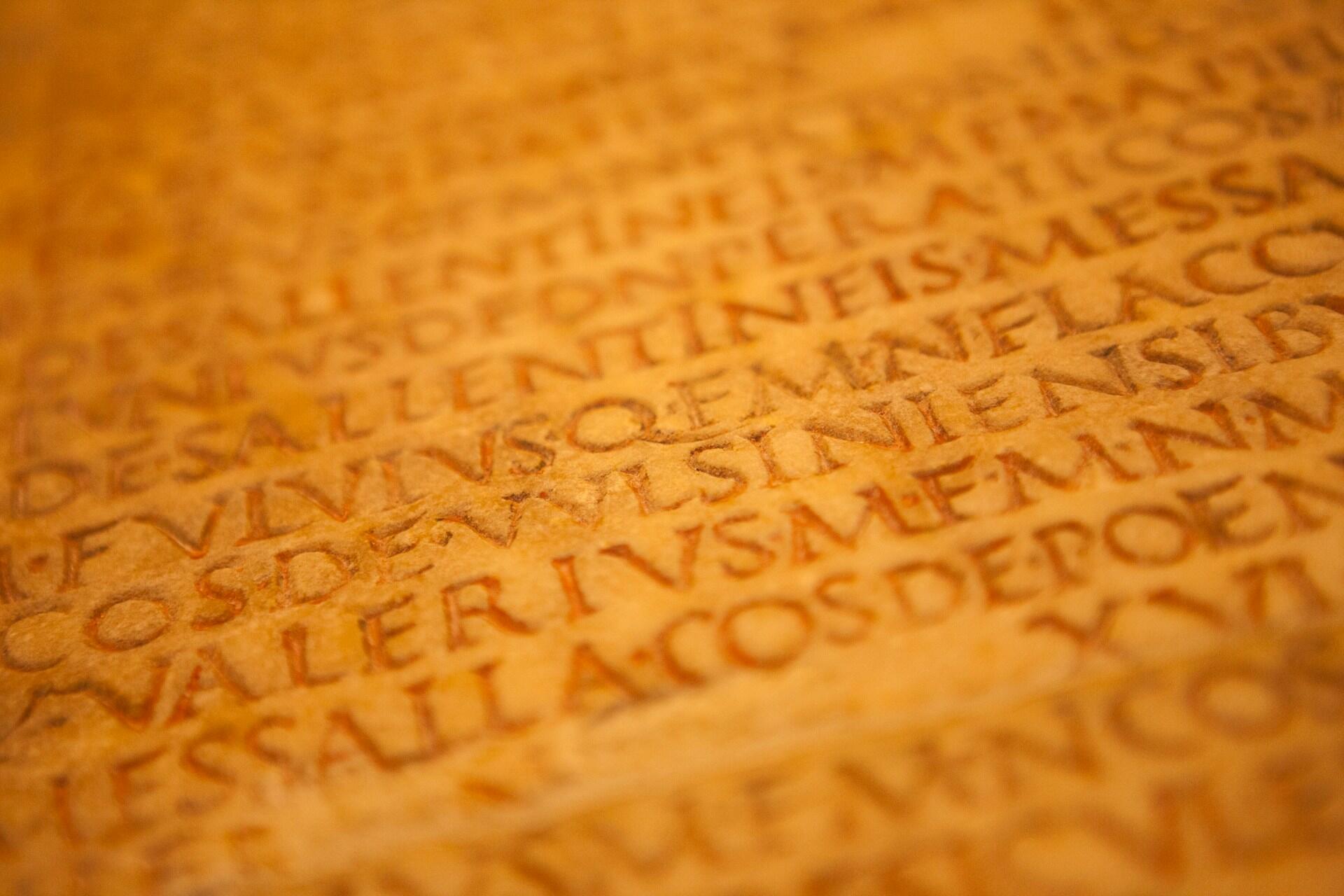
📉 The Decline of Latin and Its Lasting Legacy
Latin did not simply vanish; it transformed. Over centuries, spoken Latin evolved into the Romance languages, while written Latin continued in law, religion, and scholarship¹⁵.
How Latin Became a “Dead Language”
Latin is considered a dead language because it no longer has native speakers⁶. Key reasons include:
Latin continues to influence modern languages, especially English, which borrows thousands of words and forms from both classical and medieval Latin. Whether studying language history, reading ancient texts, or learning about Indo-European and Germanic roots, Latin offers essential insights into how ideas were recorded, expressed, and used over time. Its legacy lives on in modern Italian, French, and Spanish, as well as in many academic and scientific traditions.
Modern Revivals and Latin in Education
The Latin language mightn't have native speakers, but it certainly isn't a "dead" in the sense that nobody speaks it. There are people who use and study Latin. Latin survived in many key domains:
- The Christian Church: The Roman Catholic Church continued using Latin for liturgy and administration for centuries¹,⁵.
- Medieval & Renaissance Scholarship: Latin became the international language of learned communication and science.
- Modern Education: Latin still appears in language courses, classical studies, linguistics, law, and medicine. You could even study Latin with a Latin tutor on Superprof.
- Contemporary Revivals: Latin-speaking communities today publish newspapers, hold conversational gatherings, and maintain Latin Wikipedia (Vicipaedia Latina).

References
- Latin language — Encyclopaedia Britannica https://www.britannica.com/topic/Latin-language
- 2. Romance languages: Latin and the development of the Romance languages — Encyclopaedia Britannica https://www.britannica.com/topic/Romance-languages/Latin-and-the-development-of-the-Romance-languages
- Old Latin — Encyclopaedia Britannica https://www.britannica.com/topic/Latin-language/Old-Latin
- Ancient Rome: The early Roman Kingdom — Encyclopaedia Britannica https://www.britannica.com/place/ancient-Rome
- Lapis Niger inscription — Virtual Museum of Archaeology https://museoarcheologicovirtuale.it/lapis-niger
- Why is Latin a dead language? — Encyclopaedia Britannica https://www.britannica.com/question/Why-is-Latin-a-dead-language
Summarise with AI:
Did you like this article? Leave a rating!


 Loading...
