Holi, one of the most vibrant and widely celebrated Hindu festivals, marks the arrival of spring and the triumph of good over evil. Known as the "Festival of Colours," it is a time of joy, togetherness, and cultural unity, where people throw brightly coloured powders called gulal, share festive sweets, and embrace the spirit of renewal.
In 2026, Holi falls on Tuesday, 3 March 2026 (Holika Dahan) and Wednesday, 4 March 2026 (Rangwali Holi), timed around the full moon in the Hindu month of Phalguna.
Rooted in Hindu mythology and enriched by centuries of tradition, Holi is much more than a playful celebration — it carries profound religious, social, and cultural significance that resonates across the world.
Before delving deeper into its traditions and global reach, test your knowledge with our ultimate Holi quiz!
Quiz
Quiz :


Holi's Diverse Regional Expressions Across India
While Holi is celebrated throughout India, the festival takes on distinctive forms across different regions, each adding its unique cultural fingerprints to this ancient celebration.
In Mathura and Vrindavan, Lord Krishna's birthplace, Holi transforms into an extended festival lasting up to 16 days. Here, celebrants enjoy Phoolon ki Holi, where fragrant flower petals replace the traditional powdered colours, creating a gentler yet equally beautiful celebration.
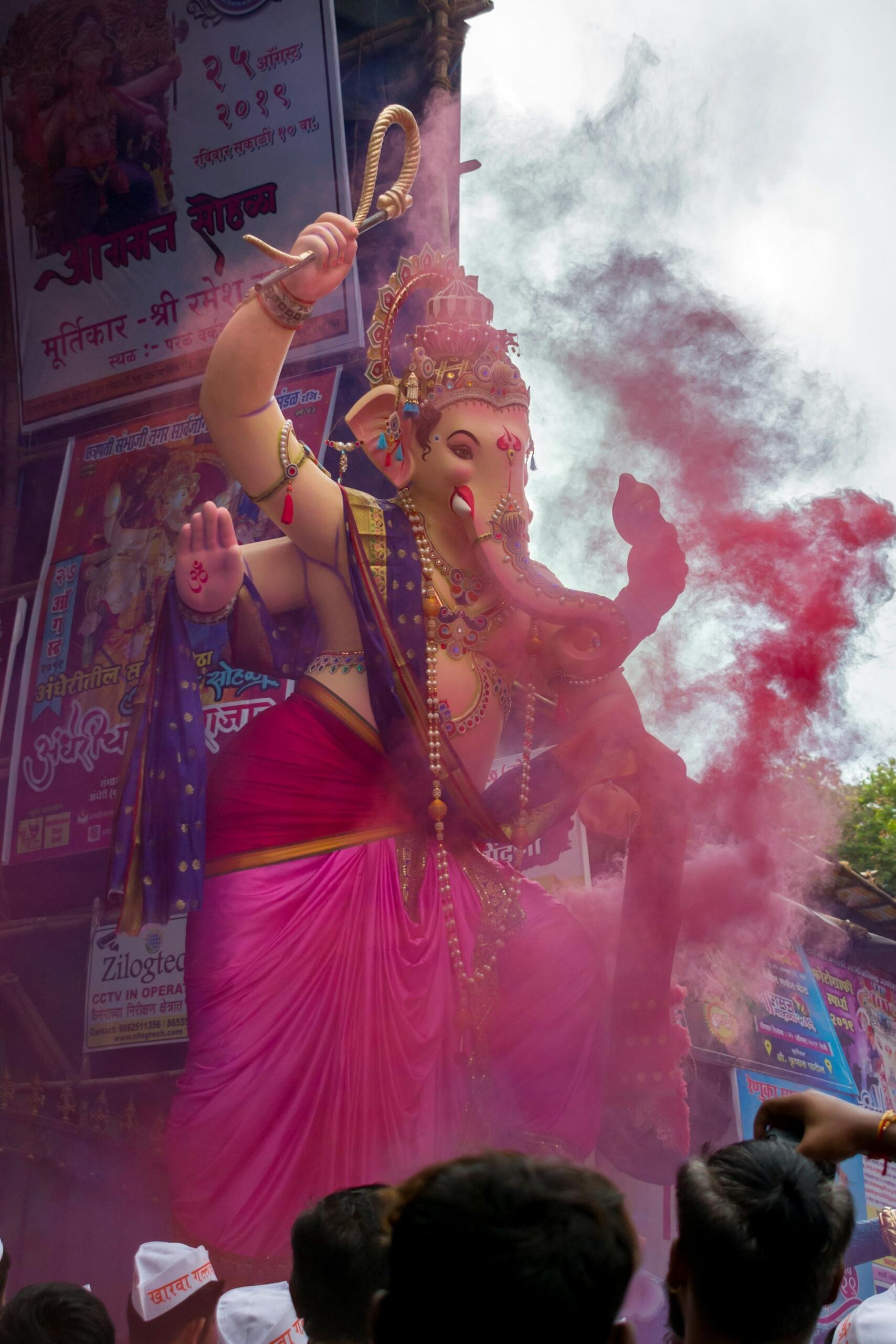
The region is also famous for Lathmar Holi, where women from Barsana village playfully chase and "beat" men from neighbouring Nandgaon with sticks, re-enacting the mythological teasing between Radha and Krishna.
In West Bengal, the festival manifests as Dol Jatra, centred around devotion rather than exuberant play. Beautifully decorated swings carry idols of Radha and Krishna, while devotees circumambulate them, singing devotional songs and applying colours with respectful restraint.
The warriors of Punjab transform Holi into Hola Mohalla, a spectacular display where the Sikh community combines the joy of colours with demonstrations of martial prowess. Initiated by Guru Gobind Singh in the 18th century, this variation showcases traditional combat techniques, horsemanship, and mock battles, emphasising courage alongside celebration.
Maharashtra extends the festivities with Rang Panchami, celebrated five days after the main Holi day, while in Goa, the festival blends with local traditions to create Shigmo, an elaborate street festival where folk performances, traditional dances, and vibrant processions complement the customary colour play.
Holi Colour Meanings
The coloured powders thrown during Holi aren't just for fun — each colour carries its own symbolism, deeply rooted in Hindu culture and tradition.
Traditionally, these colours were made from natural ingredients such as turmeric, neem, hibiscus, and other flower extracts. Today, many celebrations — particularly in the UK — encourage the use of organic, plant-based colours to protect both skin and the environment, reconnecting with the festival's original eco-friendly roots.
Colours Without Borders: International Celebrations
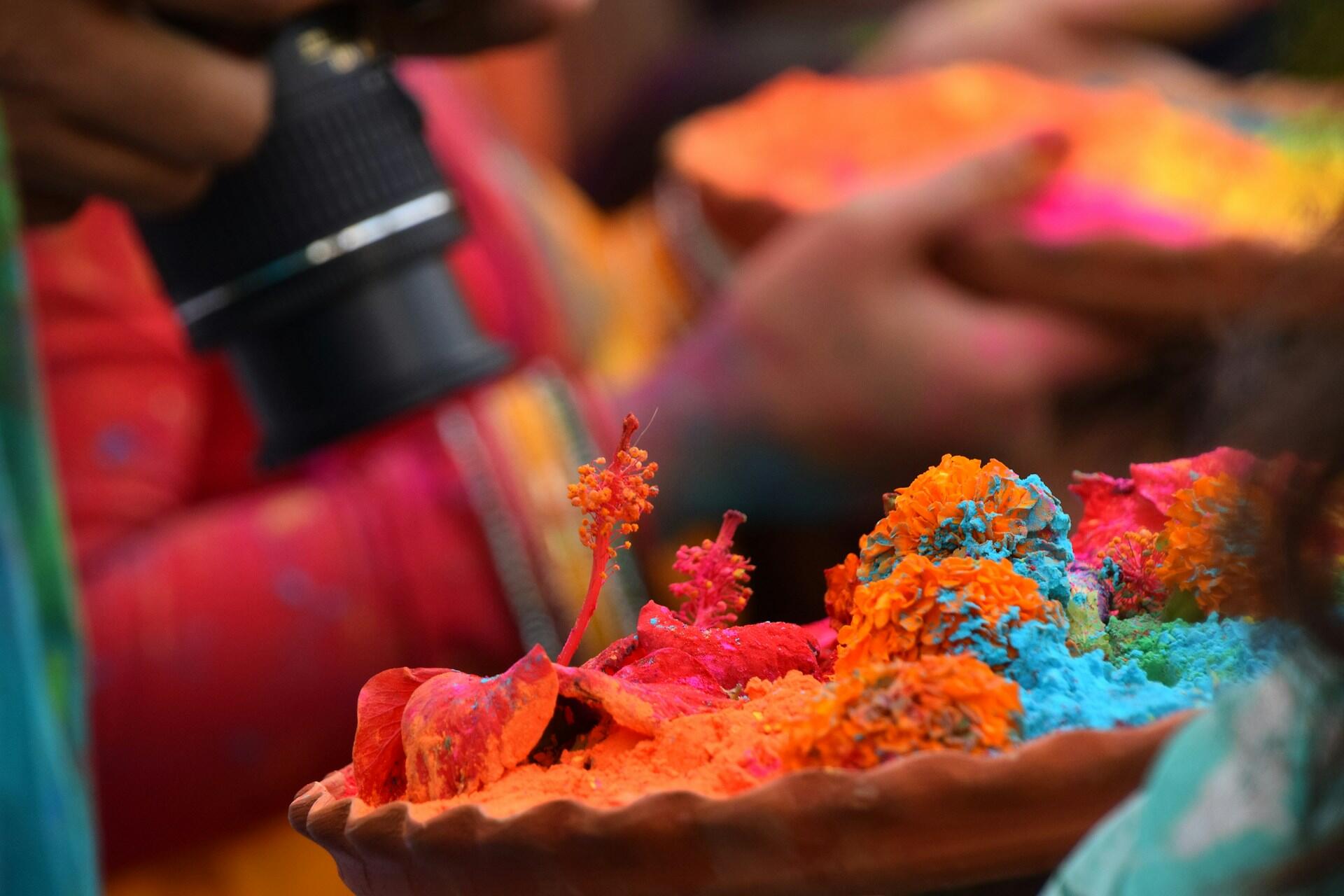
Holi's infectious joy has transcended its geographical origins to become a truly global phenomenon, embraced by communities worldwide regardless of their cultural backgrounds.
Holi's infectious joy has transcended its geographical origins to become a truly global phenomenon, embraced by communities worldwide regardless of their cultural backgrounds. In Nepal, the festival is celebrated as Phagu Purnima, with equal enthusiasm and similar traditions to those found in northern India, reinforcing the deep cultural connections between these neighbouring nations.
Former colonies with significant Indian diaspora populations, such as Guyana, Trinidad, and Suriname, celebrate Phagwah with remarkable fervour. This tradition, brought by Indian indentured labourers in the 19th century, has evolved to incorporate local cultural elements while maintaining the essential spirit of Holi, demonstrating how cultural festivals can adapt while preserving their core identity.
How to Celebrate Holi in the UK
The UK has particularly embraced Holi, transforming it into a celebration of the nation's multicultural identity. Major cities such as London, Leicester, Birmingham, Manchester, and Leeds host increasingly popular festivals that attract thousands of participants from diverse backgrounds, blending traditional elements — organic colours, devotional music, and cultural performances — with contemporary additions like live DJs, Bollywood dance, and fusion street food.
In 2026, London's Holi scene is bigger than ever. Holi London 2026 at Riverside East in Stratford (4 March) promises one of the capital's largest outdoor celebrations, while London Ki Holi at Hainault Skate Park (7 March) expects up to 7,000 attendees. Restaurants such as Cinnamon Kitchen Battersea and Kanishka in Mayfair are hosting special Holi menus. Outside London, Leicester Ki Holi (28 February), Holi Milan in Birmingham (1 March — already sold out), and Britain Ki Holi in Slough (7 March) highlight the festival's growing popularity across the country.
University campuses have also embraced the festival, with student organisations arranging celebrations that serve as cultural bridges, introducing Holi's rich heritage to the wider community.
If you're joining a Holi event for the first time, here are a few practical tips:
Wear old white clothes — they photograph beautifully, and you won't mind the stains
Apply coconut oil to skin and hair beforehand to make the colour easier to wash off
Use organic colours — most UK events provide them, and many don't allow outside powders
Stay hydrated and celebrate with consent — always ask before applying colour to someone
Protect your phone with a waterproof case or zip-lock bag
Because 4 March falls on a Wednesday, many public events take place on surrounding weekends — check Eventbrite for the latest listings near you.
Summarise with AI:
Did you like this article? Leave a rating!

 Loading...