

Working in videography can be an amazing way to show off your creativity, as well as a really fun job. There is also more video content produced in the modern age than ever before. In this guide we explore how to become a videographer and the steps that you can take if you have ambitions to work in this area.
To become a videographer, follow these essential steps:
- Learn the Basics: Understand the fundamentals of videography, including camera operation, lighting, and composition.
- Practice Regularly: Gain hands-on experience by filming various subjects and scenarios to hone your skills.
- Build a Portfolio: Create a collection of your best work to showcase your abilities to potential clients or employers.
- Network in the Industry: Connect with other professionals and attend industry events to build relationships and find opportunities.
- Seek Education and Training: Consider formal education or online courses to deepen your knowledge and expertise.
- Invest in Equipment: Acquire the necessary tools, starting with basic gear and upgrading as you progress.
- Stay Updated: Keep learning and adapting to new technologies and trends in videography.


What Does a Videographer Do?
A videographer is responsible for shooting video, often at events but also for small productions such as commercials, testimonial videos, and more. Videographers can work on projects that are small in scale or they can work on much larger projects, where their role might not encompass so many aspects of the video production process.
For example, a local company who wants to make a video of an event they are putting on, or to create a short commercial or video to demonstrate their products or services, may approach a local videographer. In this situation, it is often a freelance videographer working alone. This may mean that the person in this role is responsible for everything from planning, to shooting, to editing.
Working for a larger video production company, a videographer may specialise more in specific areas such as shooting the video itself, not having to worry about the other parts of production such as editing. These are still useful skills to have.
Put in its most simple terms, a videographer is responsible for making videos. But you already knew that...
Education to Become a Videographer
What education is required to become a videographer?
There are a lot of different routes into this industry, and it is important to know a little bit about how it works. It isn't like becoming a doctor or dentist, in that people who are employing you aren't always keen to look at qualifications. Instead, they would usually rather look at your portfolio.
This means that anything you can do to increase your skills is very worthwhile, and while this might include degrees in areas such as film and cinematics, it may also mean growing your abilities in other ways. You may wish to work with a videography tutor, or find somebody who is willing to take you on as an apprentice to teach you the ropes.
Of course, studying can be absolutely crucial. School subjects such as Media Studies can provide you with a very good grounding for the industry, but there are more important things when it comes to learning how to become a videographer. Here are a few courses available across the UK, if you're keen to gain a certification in videography at a professional level:
| Course Provider | Course Title | Format | Location | Duration | Ideal For |
|---|---|---|---|---|---|
| Paul David Smith | Beginners Filmmaking & Videography Course | In-person | London | 2 days | Aspiring videographers seeking hands-on experience |
| Film Oxford | 3 Day Video Production Course | In-person | Oxford | 3 days | Beginners wanting to learn full production process |
| SAE Institute | BA/BSc (Hons) Film Production Degree | Full-time degree | London, Liverpool, Leeds, Glasgow, Leamington Spa | 2 or 3 years | Students aiming for a comprehensive film production education |
| Access Creative College | Level 3 Film, Videography & Photography | Full-time college | Multiple UK locations | 2 years | School leavers pursuing a creative media career |
| London Film Academy | Short Courses in Filmmaking | In-person | London | 1 day to 6 weeks | Individuals seeking specific filmmaking skills |
| National Film and Television School | Various Filmmaking Courses | Full-time degree | Beaconsfield | Varies | Aspiring professionals aiming for specialized film education |
| Open University | Storytelling with Video Editing | Online | Online | Self-paced | Beginners interested in video editing basics |
| Mediatraining Ltd | Videography Courses | In-person & Online | London & Online | Varies | Professionals seeking to enhance video production skills |
Because there are so many potential routes into the industry, you should think more about your skills and abilities rather than what certification you have. Videography courses and tuition as well as a base knowledge of photography and videography can play a huge part.
Equipment
Equipment is a huge part of videography, and a big part of the learning process, too.
You can sit and analyse the best videography techniques all you like, but without the opportunity to get hands-on with the equipment you are never going to learn exactly how to make these sort of films.
Video equipment can be expensive. If you don't have a huge amount to invest on your initial equipment, that's usually not too much of a problem. Our tips below can help you to get used to the equipment that you will be using if you aim to explore videography jobs or working as a freelance videographer:
- Rent equipment. There are a lot of different camera rental companies out there and you can get hold of the equipment you need for a short period of time. This is perfect for building up your portfolio and making some impressive videos, and getting used to the gear you will be using without having to buy it outright.
- Find an apprenticeship or work experience. There are video production companies out there where you can learn your skills. Sometimes, it might be necessary to go and work for one of these as an apprentice or even do an unpaid internship with a wedding videographer or a commercial videographer. This can be frustrating, but it is a way to access equipment and get used to industry-standard cameras.
- Attend courses and work with tutors. This can be a way to get access to the sort of equipment you need, some courses and tutors will allow you to use the equipment to learn the skills you need.
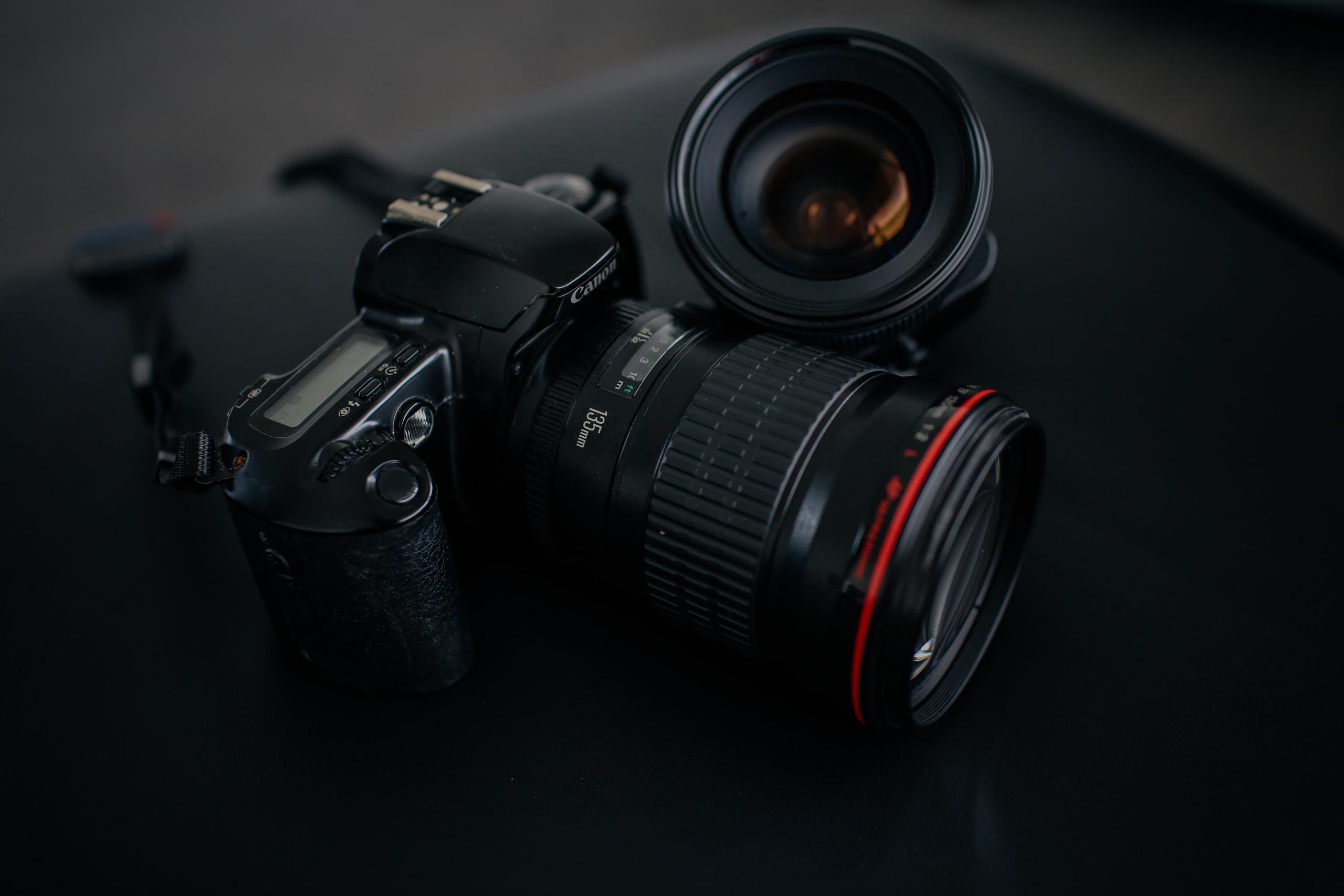
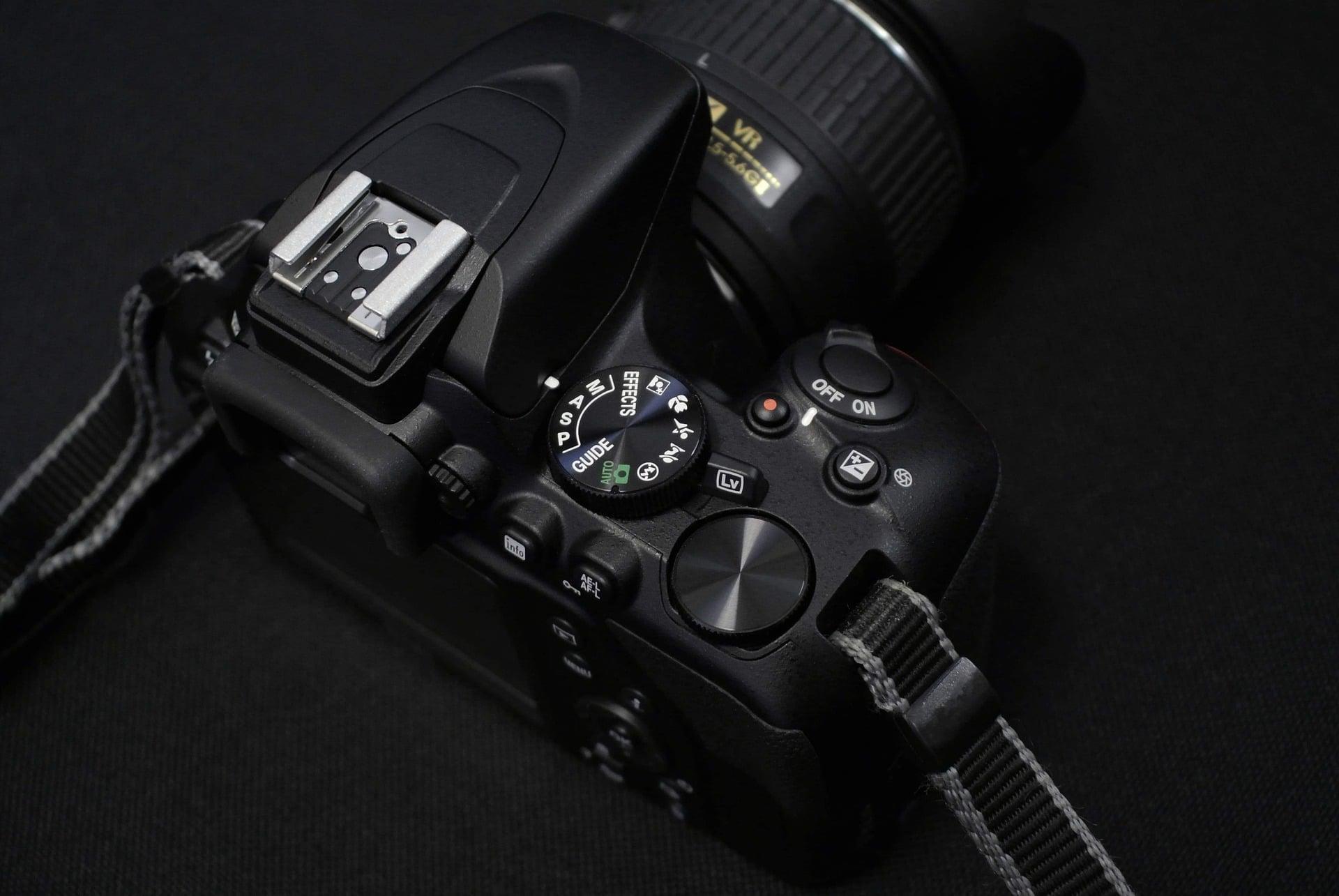
- Use a DSLR. A lot of the modern DSLR cameras have some great features for video, and these can help you to get used to key concepts such as white balance and exposure, as well as practising shooting video. DSLRs are a tool for videography and photography alike in the modern age.
Building Your Portfolio
In creative industries, people are usually more keen to see what sort of work you have done above all else.
It makes sense. If you were to employ a videographer you would probably base your decision on the videos they had made in the past, right?
For this reason, arguably the most crucial part of learning to become a videographer is the creation of a portfolio. This does mean you will need access to equipment (as explained above) but it also means that you can have some fun making videos.
While a lot of personal projects give you a lot of license to be artistic, it is unlikely that you will be able to land contracts to produce corporate videos if all you can show are your Halloween horror shorts you made for fun. Make sure you try to create a well-rounded portfolio of videos and show your video and cinematography skills.
There are many types of videos that you can create that show a basic aptitude and skill level. For example, you may wish to produce an interview video with somebody you know and admire. It is time to get creative and find opportunities to build that portfolio. You can do so by:
- Approaching local bands and musicians and offering to shoot video at their concerts and even produce music videos for them.
- Creating video content for local sports teams to use on their social media.
- Asking friends and family if they need any videos produced, especially if they run their own businesses as this can allow you to create some corporate-style content.
- Approaching the organisers of local events and offering to produce video content for them.
These are just some ideas of the ways in which you can build up your portfolio. Unfortunately, at the very start of the journey it is possible that you will need to work for free to build up this portfolio and use it to pitch for work or apply for video positions.
This is another benefit of going through a traditional route of education. At a university, for example, you will likely get a lot of opportunities to work on your skills and create quality videos that you can use to demonstrate your skills.
Employment Types in Videography
Like a lot of the creative industries, there are different ways to approach videography and no two jobs are identical. Videographers usually work in one of two ways:
- Employed. This is a traditional way of working for a company and getting paid a videographer salary, which can vary greatly depending on experience. Indeed.com states the average videographer salary in the UK is just over £25,000. This way, you don't have to worry about pitching for business and managing your own taxes.
- Freelance videographers. This is more common due to the mature of the business, and the fact that a lot of companies don't need permanent videography staff working for them. If you become a freelancer you will have to find a way to get new work and also establish yourself in the industry. It is also your own responsibility to handle and pay your taxes in the UK.
As a freelance videographer especially, the ability to travel to shooting destinations is crucial, and you will also need to own your own equipment (or at least rent).
Ready to Become a Videographer?
If you were to talk to 10 different videographers in the UK they would all have a different story about how they got in their position. You need drive, passion, and a love for video and photography above all else. This will help you to create an amazing portfolio, and then use this to find video positions or even freelance work. You can even start your own video production company if you are that way inclined.
Summarise with AI:
Did you like this article? Leave a rating!

 Loading...




Seamless integration: Professional videographers effortlessly convert vcr to digital , aligning with filming production companies for captivating content.