

Since the dawn of civilisation and likely before, animals have enriched human lives. So, it's no surprise that we call on our furry, feathered, and scaly friends when we need to make our conversation more lively. Animal idioms are so common that you likely already know and have used a few. This list presents some of the most popular ones.


Ants in Your Pants
Usually, as the school year comes to a close, learners find it hard to sit still for an entire class. And if you're excited about something, you might find it difficult to sit still, too. In those times, you can say you have ants in your pants.
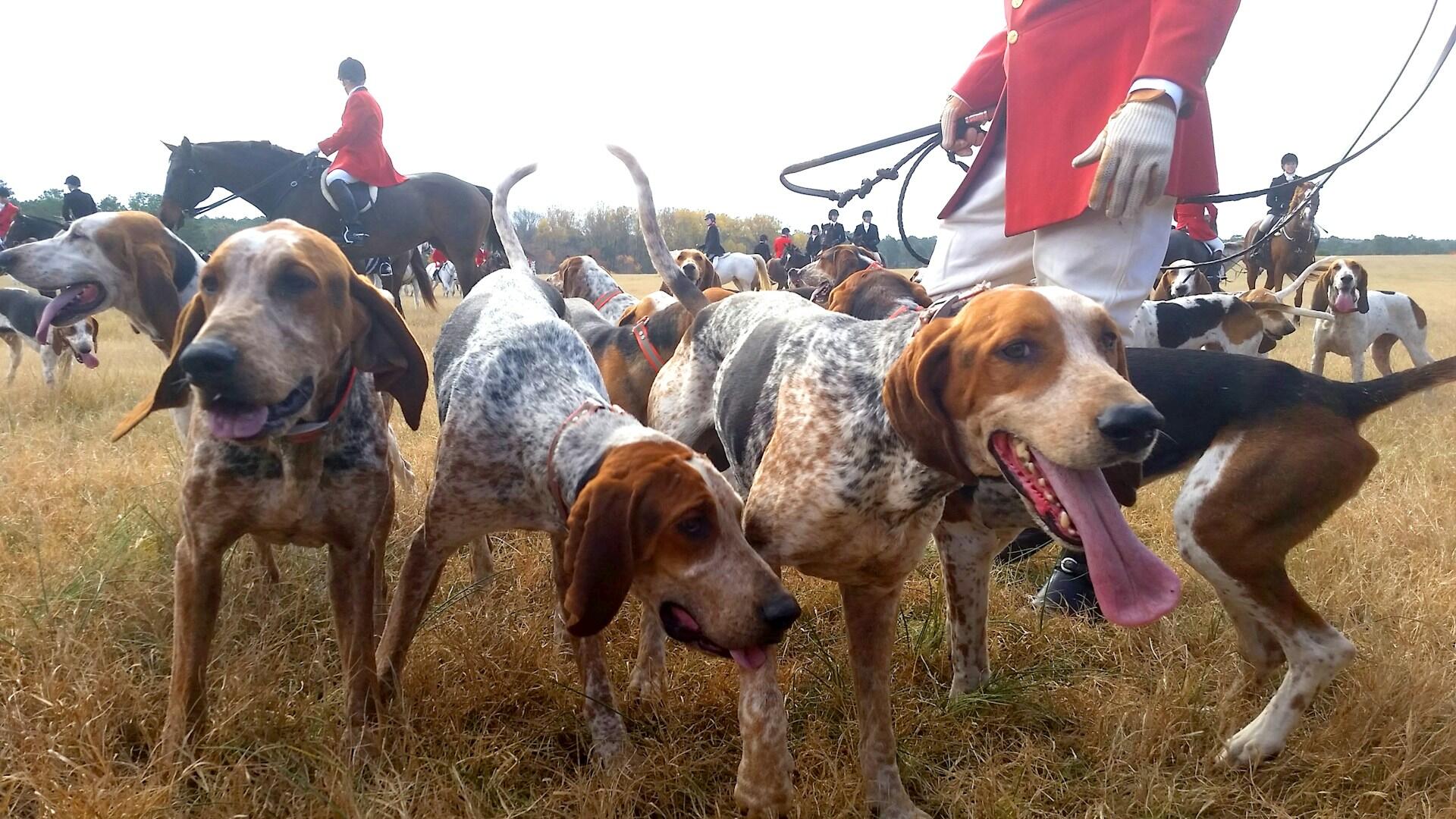
Barking Up the Wrong Tree
All dogs have sensitive noses, but a particular breed of dog, the hound, outdoes them all when it comes to sniffing and tracking. Imagine a hound, hot on the trail of some criminal who climbed a tree to hide from the law. It tracks that sneaky human right to the tree he's hiding in, then starts barking to let its masters know it's found who they were looking for. But what if it's wrong?
When people come to a false conclusion, we say they're barking up the wrong tree.
"You're barking up the wrong tree, mate. I didn't take your drink from the fridge."
A Bee In Your Bonnet
This idiom means being a bit angry, usually about something you think is foolish. "What's mum got a bee in her bonnet about this time?" is a perfect way to use this idiom. You can also use it to describe a friend who's irrationally angry about something. "Sally's got a bee in her bonnet again; better keep clear of her!"
Bees aren't always angry! This bee-related idiom means 'something perfect'.
"Why George, it's the bee's knees!" means "George, it's perfect!"
Though not exactly idioms to use in Business English, this pair of bee idioms is well-suited to the office environment. You might even use them sarcastically: "Pah! The new office hours! They're the bee's knees, don't you think?"
Let the Cat Out of the Bag
Cats have a well-deserved reputation for playing in bags. However, the origin of this idiom is much darker than the funny kitty in the clip above. It goes back to medieval times, when merchants would place a cat in a bag instead of the piglet the customer paid for.
The hungry client would walk home, excited about having a pig to raise and roast, only to discover he was cheated! But this idiom doesn't mean cheating today. It means that a secret isn't a secret anymore. "Don't let the cat out of the bag!" means "Don't reveal the secret!"
This cat-related idiom means, "You can't answer my question?" Picture a cat grabbing your tongue with its claws, making you unable to speak. That's the image behind this idiom.
And another cat idiom: the cat's meow. Use it in the same sense as 'the bee's knees' to describe something perfect.
Chickens Come Home to Roost
Normally, chickens coming home is a good thing; it would be terrible if all your chickens flew away! But this idiom takes a dark turn. When you use it, you mean someone is facing the consequences of their actions. Usually not good outcomes, either. Surprisingly, chickens have many other idioms attached to them.
Crocodile Tears
Crocodiles are easy. They try to kill and eat you.
Steve Irwin, conservationist
This late Australian conservationist and animal lover made it clear that crocodiles don't care about feelings. That gives away this idiom's meaning: crocodile tears are meaningless.
When you accuse someone of shedding crocodile tears, you're saying they're faking their feelings. Probably because they want something from you: pity, charity, or maybe even money. Beware of people shedding crocodile tears!
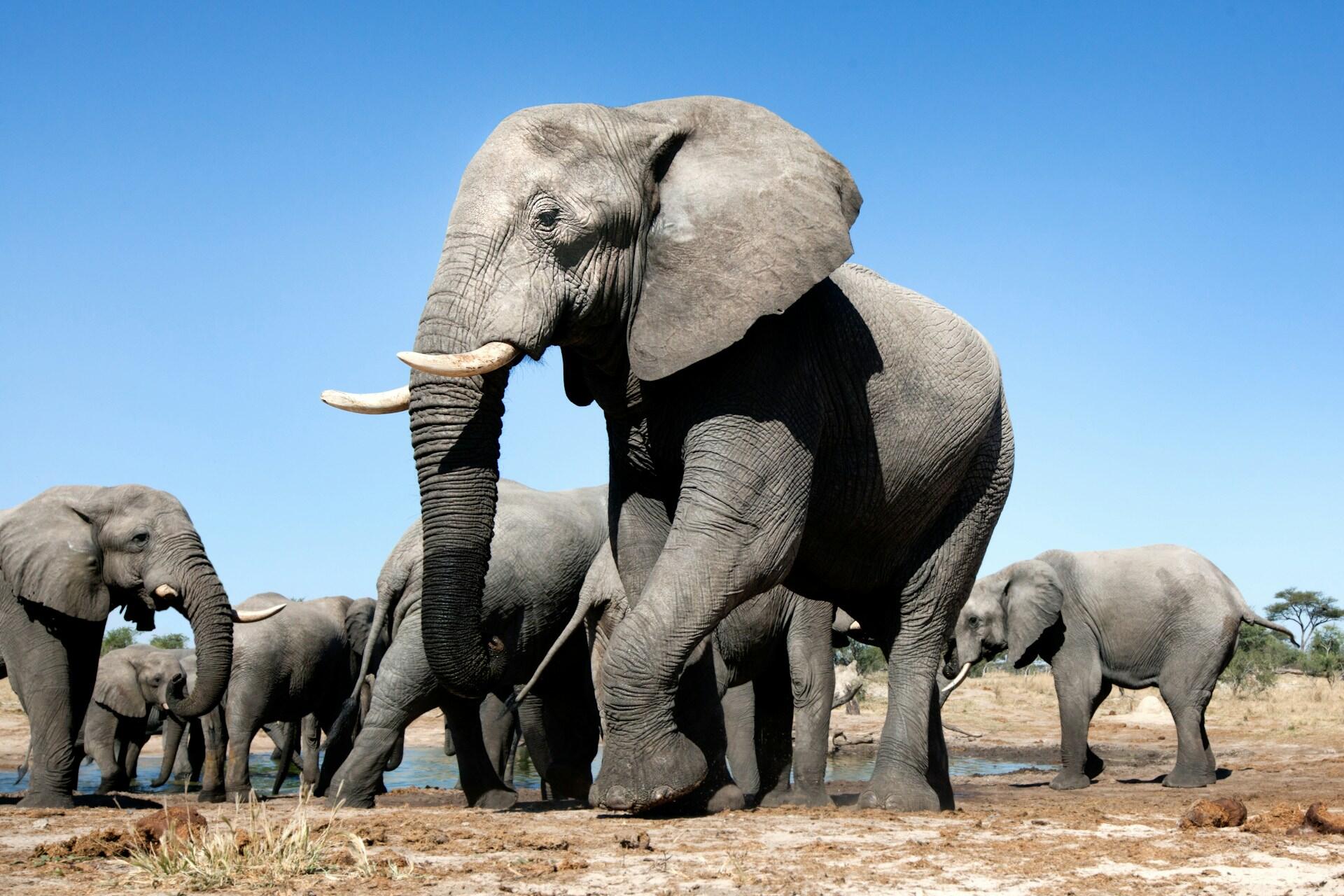
The Elephant in the Room
Elephants are the biggest land animals. Rooms are typically small, designed for humans to live in comfortably. What happens when the biggest land animal occupies a space designed for humans?
That's the idea behind this animal idiom: that such a large animal must be noticed. When you want to talk about something obvious that nobody seems to want to talk about, you should say, "When are we going to talk about the elephant in the room?"
A Different Kettle of Fish
Like many idioms related to animals, fish have a whole list of idioms attached to them. Have you ever used or heard of these fishy idioms?
All of these, in particular, feeling like a fish out of water, also serve as English idioms about food, because who doesn't like a tasty, grilled fish?
Going Whole Hog
People who go whole hog are totally committed to a course of action. You might say, "I don't really celebrate holidays, but for (name of holiday), I always go whole hog!" Nobody's quite sure where or when this idiom originated, but it certainly creates a funny mental image.
Having the Lion's Share
Lions are the kings of the beasts and, like all kings, typically have more than everyone else. That's the meaning of this animal idiom. Note that it's typically not used to describe giving someone the most; English speakers don't say, "I'll give you the lion's share if you'll leave me alone." However, you can say, "You already have the lion's share; leave me alone!"
Two more lion-related animal idioms, 'putting your head in the lion's mouth' and 'entering the lion's den'. Both mean you're putting yourself in a risky situation.
Killing Two Birds With One Stone
T. H. thinks to kill two birds with one stone ...
Thomas Hobbes, English political theorist
We must dismiss the terrible idea of killing birds to see the sense in this idiom. Thomas Hobbes meant it in the sense that trying to accomplish two results through one action is bound to fail. Today, it has a more positive meaning. We can, indeed, take one course of action that will deliver two desired outcomes.
Let Sleeping Dogs Lie
It's such a relief to find a stopping point in a difficult situation, isn't it? That gives everyone a chance to think about things and decide whether to continue. "I was going to tell her how wrong she was but then, I just decided to let sleeping dogs lie."
In the dog house = in trouble
dog eat dog = competition is fierce
Maybe the person is your best friend and you don't want to be in the doghouse with them. Or you've realised that friendship shouldn't be a dog-eat-dog thing. In fact, we should all live in a doggy-dog world, as Gloria (Sofia Vergara) of Modern Family insists:
Raining Cats and Dogs
Like most idioms related to animals, this adorable-sounding one has several possible origins that all suggest heavy rain. During the stormy season, it's common to say, "it's raining cats and dogs out there!" It's among the most common phrases used throughout English-speaking regions. It even has a follow-up to make the visual even funnier:
It's raining cats and dogs out there! Make sure you don't step in a poodle (in a puddle).
Straight From the Horse's Mouth
This idiom hints that horses have some sort of wisdom that anyone can benefit from, if only they spoke 'horse'. It means getting information from the most knowledgeable source. You might ask someone, "Are you sure about that?" if what they say sounds unbelievable. This idiom would be their answer.
Hold your horses = 'wait', 'be patient', or 'hang on a sec!'
Dark horse: someone who's good at something when you didn't expect them to be.
You can use the first bonus idiom like so: "Now, just hold your horses! I never said that!" The second one isn't quite so common but you could help make it popular. Try it next time you want to compliment someone: "Wow, you're a real dark horse! I didn't know you could sing so well!"
Sitting Duck
When you're caught in a bad situation that you have no escape from, you are a sitting duck. This idiom comes from hunters who would arrange traps to trick ducks. Once the duck swam into the trap and realised it had no way out, it just sat there until the hunter shot it.
'Lame duck' is what you call someone with no social or political power.
A company executive might be assigned to a low-power position to force them to retire.
A politician's last years in office are called 'lame duck years' because their power is waning.
Smelling a Rat
In English-speaking societies, rats are vile, horrible beasts. It makes sense, then, that anyone who lies, cheats, or betrays their friend would deserve the 'rat' label. You can also use this idiom when you're suspicious about something: "I smell a rat!" can also mean there's something sneaky going on.
Taking the Bull by the Horns
This popular English-language idiom means 'taking charge of a situation'. It's one of the most logical idioms about animals because bulls charge (move aggressively) when they're under stress. When you have a stressful situation to deal with, you can say, "I'm going to take the bull by the horns on this." But you must follow your declaration with suitable actions.
Until the Cows Come Home
When the cows come home, it's time to get to work milking and feeding them. Until then, you have a bit of time for yourself. This idiom expresses the wish to spend a long period of time doing what you want. Usually, English speakers follow their wish up with a reason why they can't fulfil it.
"I could listen to [my favourite singer] till the cows come home but my boss won't let us use earbuds in the office."
When Pigs Fly
When you're talking about something that's not likely to ever happen, this is the idiom you need. "Do you think she'll go out with you?" "Sure! When pigs fly." It's a sarcastic way of letting people know you think a situation is hopeless.
A Wild Goose Chase
A wild goose chase describes a series of actions that end in frustration. Maybe you want to get your things back from a partner you broke up with, or you have to get an important document from a government office. "They sent me on a wild goose chase and I never did get the thing done!"
If you have a good imagination, this is one of the English language's funniest phrases. Picture a group of frustrated people chasing after an angry, honking goose! Or is it that the goose is chasing people, like the clip above shows?
Summarise with AI:
Did you like this article? Leave a rating!

 Loading...