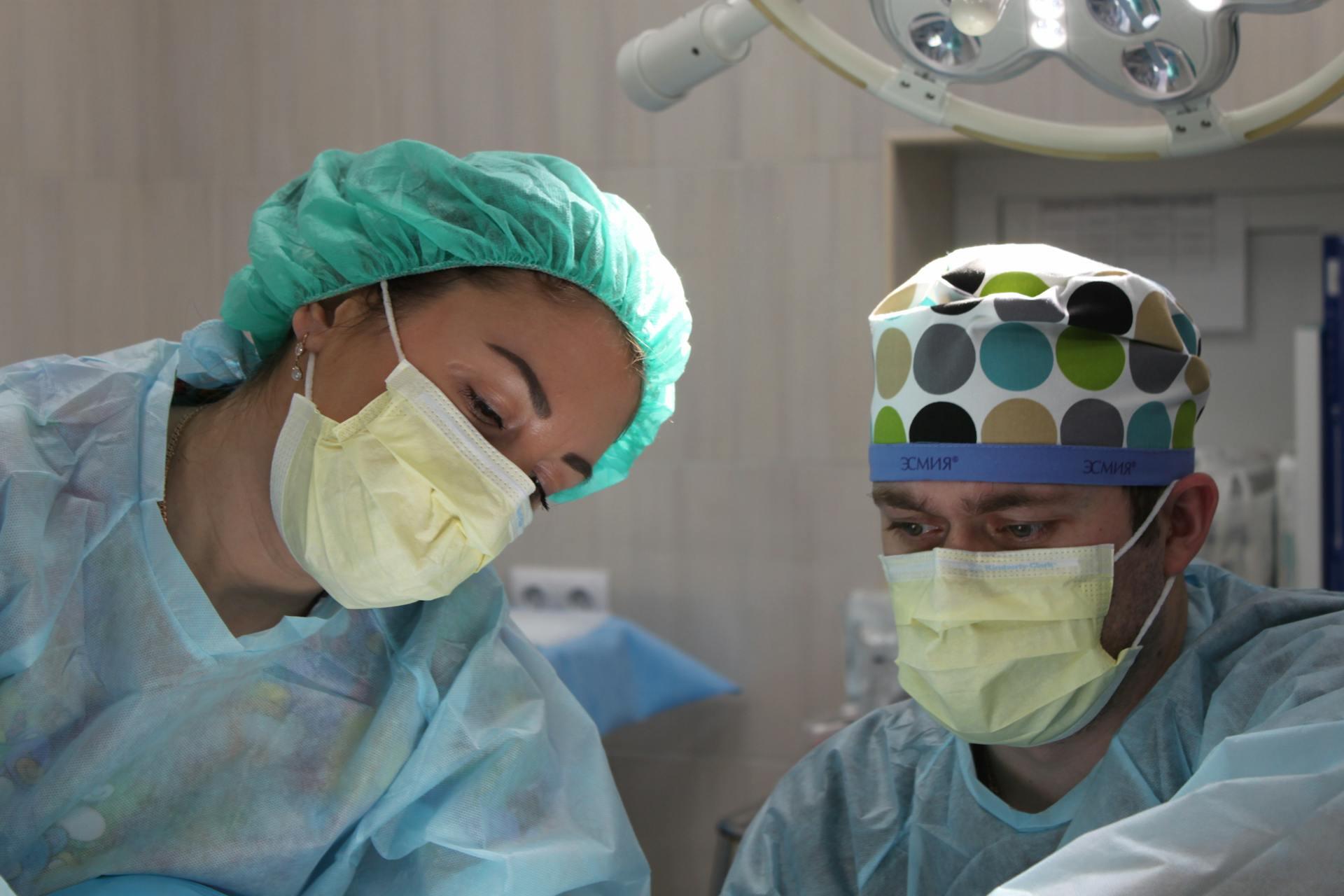

As the UK continues to face a persistent shortage of nurses working in hospitals and community health services across the country, hiring nurses from overseas has become a key component of the NHS workforce strategy, especially in 2025. Thousands of nurses from countries all over the world, including countries like India, Nigeria, and the Philippines, are actively helping to keep the NHS afloat. If you're a qualified nurse looking to practice in the UK, this article will walk you through everything you need to know to qualify and land a job as a nurse successfully. Keep reading to find out more.
| Step | What to Do | Why it Matters |
|---|---|---|
| NMC Registration | Apply online, pass CBT & OSCE, provide evidence of qualification & English | This is the official route to legally work as a nurse in the UK |
| English Language Proficiency | Pass IELTS/OET with required scores | Makes sure you meet NHS communication standards |
| Visa & Sponsorship | Secure Skilled Worker visa through employer sponsorship | Legal requirement for employment in the UK |
| Nursing Associate Route | Apply for nursing associate jobs/apprenticeships if not yet fully registered | A stepping stone into the UK system |
| Career Progression | Continue CPD, gain experience, revalidate with NMC every 3 years | Enables long-term employment and promotion |




Why the UK Needs Workers From Around the World

According to recent data from the Nursing and Midwifery Council, over 25,000 internationally trained nurses joined the UK register between 2022 and 2024 alone. With the NHS facing persistent issues in terms of finding enough staff, international nurses with plenty of hands-on experience are always highly valued.
However, under current government guidelines, UK employers aren't officially allowed to recruit nurses from countries appearing on the World Health Organisation's red list - a list of nations facing severe shortages in their own health systems. That being said, if you're from one of these countries and apply independently (without the employer reaching out or scouting you), there's still a chance for you to be considered for jobs in the UK.
It's estimated that one in four NHS nurses in England were trained outside the UK.
Why the NHS Recruits Internationally
- Experienced nurses often help fill urgent vacancies
- Hiring international nurses reduces the strain on domestic staff
- Perspectives from different nationalities can improve care quality
Ethical Rules You Should Know
- The NHS cannot recruit nurses from the WHO red list countries
- Independent applications are still allowed, though
- Everything must follow the UK code of practice
How You Can Join the System
- Start by applying for NMC registration
- Secure a Skilled Worker visa
- Alternatively, start as a trainee nursing associate through a nursing apprenticeship
Want a broader look at how becoming a nurse in the UK works, take a look at this useful guide.
How Do You Register as a Nurse in the UK?

So you're a qualified nurse from overseas and want to start working in the UK, what's your first call of action? Well, you should definitely start with the NMC registration for overseas nurses.
Essentially, this is the governing body that sets the professional standards for nursing in the UK. While the registration process might look a bit complex and confusing at first, it's been set up to make sure that every nurse working in the UK is trained to deliver high quality and safe care. Here's how registering works in greater detail:
Check If Your Qualifications are Recognised
Before anything else, you'll first need to make sure your nursing education actually meets UK standards. The NMC will review the qualification you completed in your home country and assess whether it's equivalent to a UK pre-registration nursing degree.

In order to be considered by the NMC you must have:
Demonstrate English Language Proficiency

If you didn't complete your nursing training in a country where English is the primary and native language (like the USA, Canada, or Australia), you'll also have to prove that you can speak, read, write, and understand English to a good enough level.
Without capable English skills, nurses will have a hard time communicating effectively with patients in their care and any colleagues they work alongside - hence the strict rules outlined by the NMC. To register, you'll need to complete one of the following English language tests within two years of submitting your application.
IELTS (Academic)
This test is widely used in healthcare and higher education and is accepted all around the world. It's primarily designed to assess your academic English, with tasks such as essay writing, data interpretation, and responding to interview-style questions. To pass, you'll need:
If you end up falling short in one section, don't worry - the NMC may allow you to combine results from two recent test sittings, as long as both were taken within a 12 month period and each met the minimum score requirements.
OET (Nursing)
Alternatively, if the IELTS isn't your cup of tea, you could also take the Occupational English Test (OET) instead. It differs from the IELTS because it's actually aimed at healthcare professionals instead of everyday people. For example, rather than writing essays on random topics, you might be asked to write a referral letter or explain a care plan to a patient. For this reason, the OET is often the preferred test for new nurses arriving in the UK. The scores you need to pass are:
Recently, the NMC has become very strict about how English results are accepted. As a result, scores must be sent directly from the test provider, and the test must be taken at an official NMC-recognised centre. This means anything like screenshots, scanned copies, or even forwarded emails won't be accepted
Completing the NMC Test of Competence
Once your qualifications and English language skills have been approved by the NMC, there's one big step left before you can start working full time as a nurse: passing the Test of Competence.

Don't let the name intimidate you too much; it's simply a way to check you've got the knowledge and practical skills to work in a safe and confident manner in your healthcare setting of choice.
Part 1: The CBT (Computer-based Test)
This is a written test that's made up of multiple-choice questions. It's taken on a computer and can usually be booked at a test centre near you, even if you're still currently in your home county.
The CBT is split into two completely different sections:
Numeracy
This bit checks how comfortable you are with numbers. It's not overly difficult but its required to demonstrate you're capable of working out things like drug does and fluid rates. The majority of nurses have to work with numbers fairly often in their profession
Clinical Theory
This section revolves solely around core nursing knowledge. So expect to encounter questions ranging from how to control infections and deal with wounds, to the safeguarding and legal responsibilities involved with being a nurse in the UK
While many nurses complete the Test of Competence after landing in the UK, others choose to begin their careers through nursing apprenticeships which you can find out more about in this detailed guide.
Part 2: The OSCE (Practical Exam)
The next part of the exam is the OSCE (which officially stands for the Objective Structured Clinical Examination). Unlike the CBT, this test is a practical in nature, so you'll need to take it in the UK at one of the NMCs various approved centres. Essentially, the test is broken up into several short, real-life scenarios called stations which mirror the everyday tasks nurses usually encounter during a typical shift (think assessing patients or giving out medication correctly, for instance).
Each station is timed, and you'll be assessed on how safely and professionally you handle your given situations. Don't worry if you feel super nervous going into the OSCE - that's completely normal. To feel more confident, try to prepare by doing stuff like mock tests, watching online videos on the test, and getting your hands on any OSCE prep materials you can find.
Once you've passed your CBT, you're required to take your OSCE again with two years. If you fail to do this, your CBT result will expire, forcing you to do everything over again
| Item | Cost (approximately) |
|---|---|
| NMC Application Fee | £140 |
| CBT Part A (Numeracy) | £83 |
| CBT Part B (Clinical) | £83 |
| OSCE | £794 |
| IELTS/OET Language Test | £180–£340 (varies by location) |
| Visa Fee (Health and Care Visa) | £247 (can be waived if NHS-sponsored) |
Can You Work Before Passing the OSCE?
Yes, you can indeed! If you've passed your CBT and secured a job offer already, some employers will hire you as a pre-registered nurse or healthcare assistant while you prepare for your OSCE exam. This is beneficial because it will allow you to earn an income and settle into the UK healthcare system while being supervised. Likewise, some nurses also begin their careers by working as a nursing associate before registering fully.
Applying for a Health and Care Visa

After you've assed both parts of the Test of Competence and finally received your NMC registration, you're now officially ready to begin working as a nurse in the UK. However, before you start applying for jobs, you'll also want to get your hands on a Health and Care Visa.
Unfortunately, you can't actually apply for this visa until you've received a job offer that includes sponsorship for overseas nurses in the UK. That means you'll need to find an NHS trust or private care provider that's approved by the Home Office to employ overseas workers.
In some cases, those without recognised overseas qualifications might instead choose the university degree route to train and qualify from scratch in the UK.
Visa Application Document Checklist
| Document | Required | Notes |
|---|---|---|
| Valid Passport | Yes | Must be up to date |
| Certificate of Sponsorship | Yes | Issued digitally by UK employer |
| English Language Test | Yes | IELTS or OET |
| TB Test Results | Conditional | Needed if from a country on the home office list |
| Proof of Funds | Yes | Unless employer confirms social support |
If you're being recruited into the NHS, your employers will actually cover the cost of your visa, certificate of sponsorship, and potentially even your flights or accommodation in your first few months.
What Comes Next: Building Your Nursing Career in the UK
Obtaining your NMC registration and visa is a big millstone, and one you should definitely be proud of. From this point, you have room to take your nursing career in several different directions, including areas you might not have considered yet.
Summarise with AI:
Did you like this article? Leave a rating!

 Loading...