Retirement seems a lifetime away when you're young and just starting to earn your own money. Planning for the future makes no sense when you're busy living for today. And who has any money to put by when everything is already so expensive?
Those are all solid arguments. Many young people think and act along those lines. Much like the old fable about the ant and the grasshopper, let us now frolic and sing! Winter will take care of itself. And that's how we end up with dire conditions like retirees having nothing to live on.
Times are hard. Let's acknowledge that upfront. Thanks to inflation, the pounds and shillings we spend today buy more than the cash we'll have a year from now. So why not get the most value for our money? These four points argue against that mindset:
- time is on your side when you invest early in life
- the early-life investment allows more time for risk
- early investing experiences will make you a savvy investor later on
- investing in yourself is investing in your future
We want to cover these points in-depth so you can see the benefits of investing early in life as clearly as possible. We'll cover the unique skills that today's young adults have that position them far ahead of investors of old. And then, we'll talk about the most essential benefits of early-life investing.


The Benefit of Time in Early Investing
Any 20-something with the ink barely dry on their university diploma will tell you they don't earn enough to live on, let alone save or invest. Nobody disputes that. We only propose a paradigm shift by posing a question. Who do you work for?
If you answered anything like 'my boss' or 'XYZ company', you don't have the right idea. You're working for yourself. XYZ company only signs your pay cheque. Now, let's extend this logic. As you're working for yourself, you must pay yourself.
As one of the top financial tips for young adults, finance experts agree that a 5% minimum 'pay' should be suitable and doable. That means setting aside at least 5% of your take-home pay each payday to serve your future financial goals. The first such goal should be establishing an emergency fund, enough money to meet at least three months of living expenses. Those funds should be readily accessible, maybe in a savings account.
Once you're claiming a small percentage of money for yourself, it's easy to expand your financial plan. You could continue growing your savings, but you won't get much of a return on your money. Savings accounts don't pay much interest, but investing does.
When you invest, you essentially lend your funds to the investment house and the market. Those entities pay investors interest on those loans, and the savvy investor will plug those interest payments into the market to gain even more interest. And every interest payment gets reinvested to earn yet more.

This is called compounding, what Albert Einstein called the Eighth Wonder of the World. It is the surest way to grow your wealth; all it takes is a small percentage of your take-home pay. Granted, it might mean you don't get to go out quite as often but that short-term sacrifice pays huge dividends in the long run.
Let's say you invest £1,0000 at 5% when you're 20 years old; that initial investment will grow sevenfold by the time you're ready to retire. By contrast, if you wait till you're 30 to start investing that amount at that percentage, your return will be nearly halved. Compounding only needs two factors: time and reinvesting earnings. As a young investor, you have both.
Risk and the Benefits of Early-Life Investing
Financial markets give us lots to be scared of. For one, they don't appear to be very steady and they haven't for a long time. As an investor, you might baulk at putting your money in uncertain markets but playing it safe isn't the mindset to take.
Markets are cyclical. They have their highs and lows, and times when uncertainty drives negative investment behaviour. You shouldn't let those factors keep you from growing your wealth through investment.
Time is on your side. You can afford a downturn or two because you are into investing for the long haul. Someone twice your age would take a much greater hit because they have less time to play the market.
More importantly, your early-life investment lets you take greater risks. You might invest in riskier stocks that yield higher returns, something else an older investor couldn't afford to do. Of course, you could fill your portfolio with nothing but low-risk investments. But you'd miss out on the larger gains more volatile investments stand to earn.
With all the talk of blockchains and digital currencies, you might be concerned about the future of banking and finance. Here again, youth works to your advantage. Indeed, it places you rather ahead of the pack because you likely know more about emerging technology than older investors.

Experience: the Greatest Benefit of Investing Early in Life
Being tech-savvy opens up new possibilities for investing. You've likely never known life without the internet; you search for information as a matter of course. Investors of old didn't have such means to educate themselves. They were at the mercy of brokers and bankers, relegated to reading the financial section of their daily newspapers to gauge their investments' performance.
Your generation of investors takes to the web to research investment opportunities. You have online tools to help you evaluate investment risks and platforms to trade on. You can connect with other young investors around the world to discuss the best investment strategies and opportunities. And you have access to global markets; you're not limited to homegrown investment opportunities.
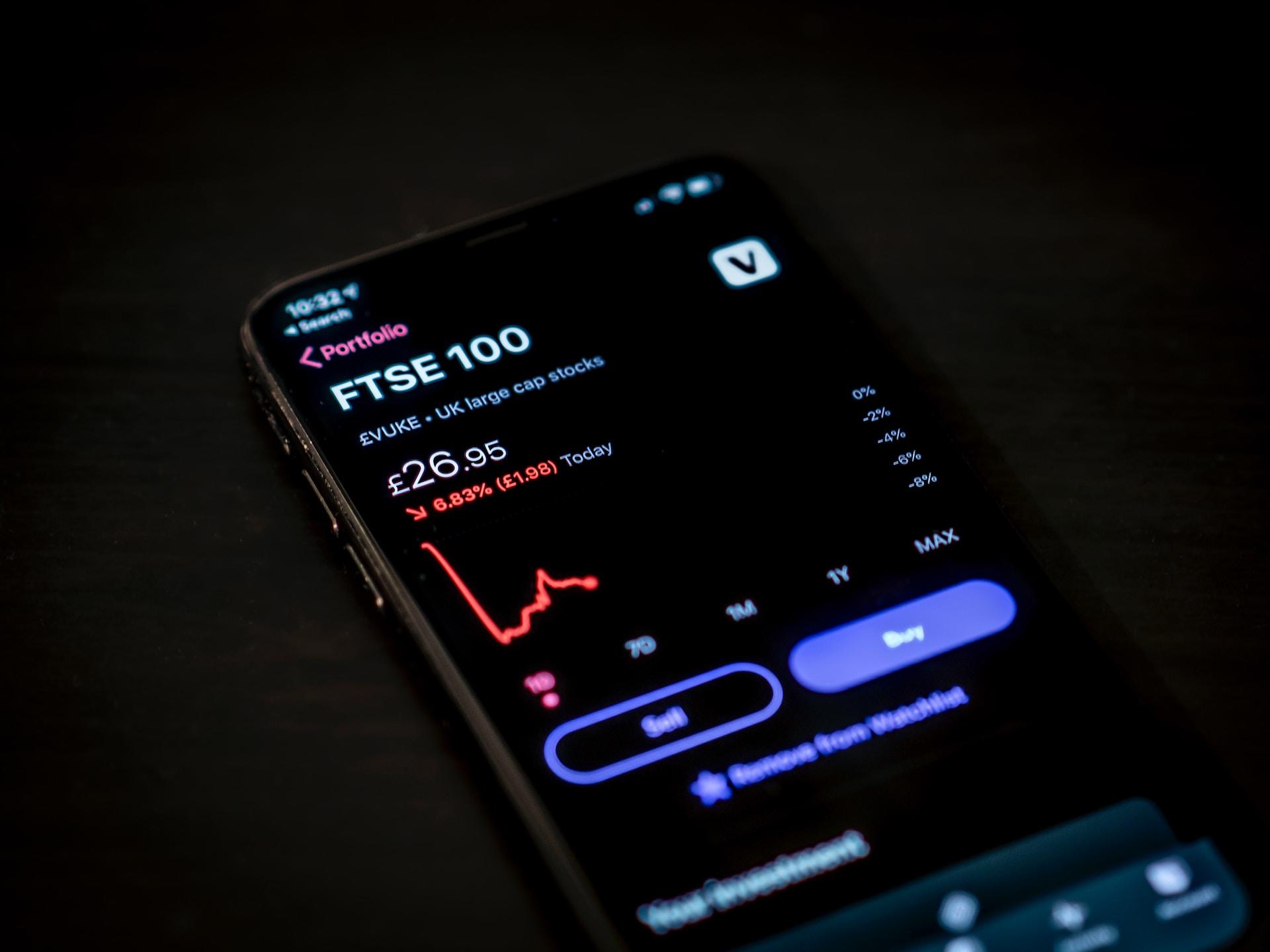
Young investors like you are already shaping the future of investing. You might remember the GameStop trading frenzy that nearly ended the Robinhood investment platform. Such events, along with blockchain and cryptocurrencies are forcing a rethink of financial structures and operations. Today's young investors have the financial literacy to call out legislative actions that would restrict their access to investment opportunities.
Your first forays into financial markets will teach you how to invest. The more experience you gain, the more you'll refine your investment strategies. Over time, you'll learn how to read the markets, which will allow you to make more judicious investment decisions.
The Benefits of Investing in Yourself
So far, all the talk has been about putting your money to work for you by investing in financial vehicles. That's generally what people think about when there's any talk about investing. What about investing in yourself?
Today's students find it hard to continue their schooling beyond what's required. For some, it's simply that they've had enough of being in a classroom. For others, the cost of living makes it difficult to plan for three more years of study. Many are keen to get on with their lives and start earning.
Graduating students' mindsets are understandable. But they are short-sighted because passing on higher education limits future earning potential. As a future investor, it's in your best interest to invest in your individual human capital.
From a personal financial perspective, human capital represents the present value of future earnings. You lessen your human capital by limiting your lifetime earning potential when you don't pursue further and higher education. The opposite is also true: you increase your human capital the more educated you are.
For the past 30 years, studies have shown a distinct rise in pay for university-educated workers. By contrast, employees who ended their academic career after sitting A-Levels saw their earnings decrease over their working life. As the UK continues to transition to a service economy, opportunities for high-paying work are growing scarcer.
So before investing even 5% of your wages into a mutual fund or money market, consider investing in yourself. If the thought of university leaves you cold, you can learn advanced skills most needed in today's high-tech work environment. Such might be anything from computer coding courses to skilled maintenance work in refrigeration or auto mechanics. Just make sure the courses you take are accredited, otherwise, you risk missing out on the income boost.
Instead of thinking of your personal investment as a one-and-done proposition like school, embrace the idea of continuous learning. There is no age limit to education; you can learn something new at any point in your working life. You might set your sights on learning a second language or a whole new set of skills, neither of which you necessarily need for your work.
Continuous learning will benefit you whether you stay with one employer for your entire career or change professions altogether. You may decide to start your own business. In that case, you'll need to learn accounting and management skills. No matter the path you take, investing in yourself is the most important investment to make.
Summarise with AI:
Did you like this article? Leave a rating!

 Loading...