

To have another language is to possess a second soul.
Charlemagne
When delving into the Japanese language, it's essential to grasp its unique writing system. Unlike English, which utilises a single alphabet, Japanese employs three distinct scripts: hiragana, katakana, and kanji. Each script serves a specific function and plays a crucial role in reading and writing.
- Hiragana: The foundational script, consisting of 46 basic characters, is primarily used for native Japanese words and grammatical elements.
- Katakana: Also comprising 46 characters, katakana is employed for foreign loanwords, onomatopoeia, and certain proper names.
- Kanji: These are logographic characters borrowed from Chinese, each representing a word or concept. While there are thousands of kanji, a set of approximately 2,000 is commonly used in daily life.
Together, these scripts form the backbone of written Japanese, each complementing the others to convey meaning effectively. Understanding how to read and write in all three scripts is fundamental for anyone aiming to achieve proficiency in Japanese.


The Basics of the Japanese Writing System
It might seem capricious, maybe even a bit overblown, to blend three whole writing systems into one language. If they were in competition with one another, or maybe could stand in for one another like Chinese traditional and simplified characters do, we would agree with that point.
However, Japan's three writing systems all complement one another. They each serve a specific purpose and each has its own function. For instance, numbers and names, both surnames and given names, are written exclusively in kanji while hiragana and katakana reflect the language's unique sounds.
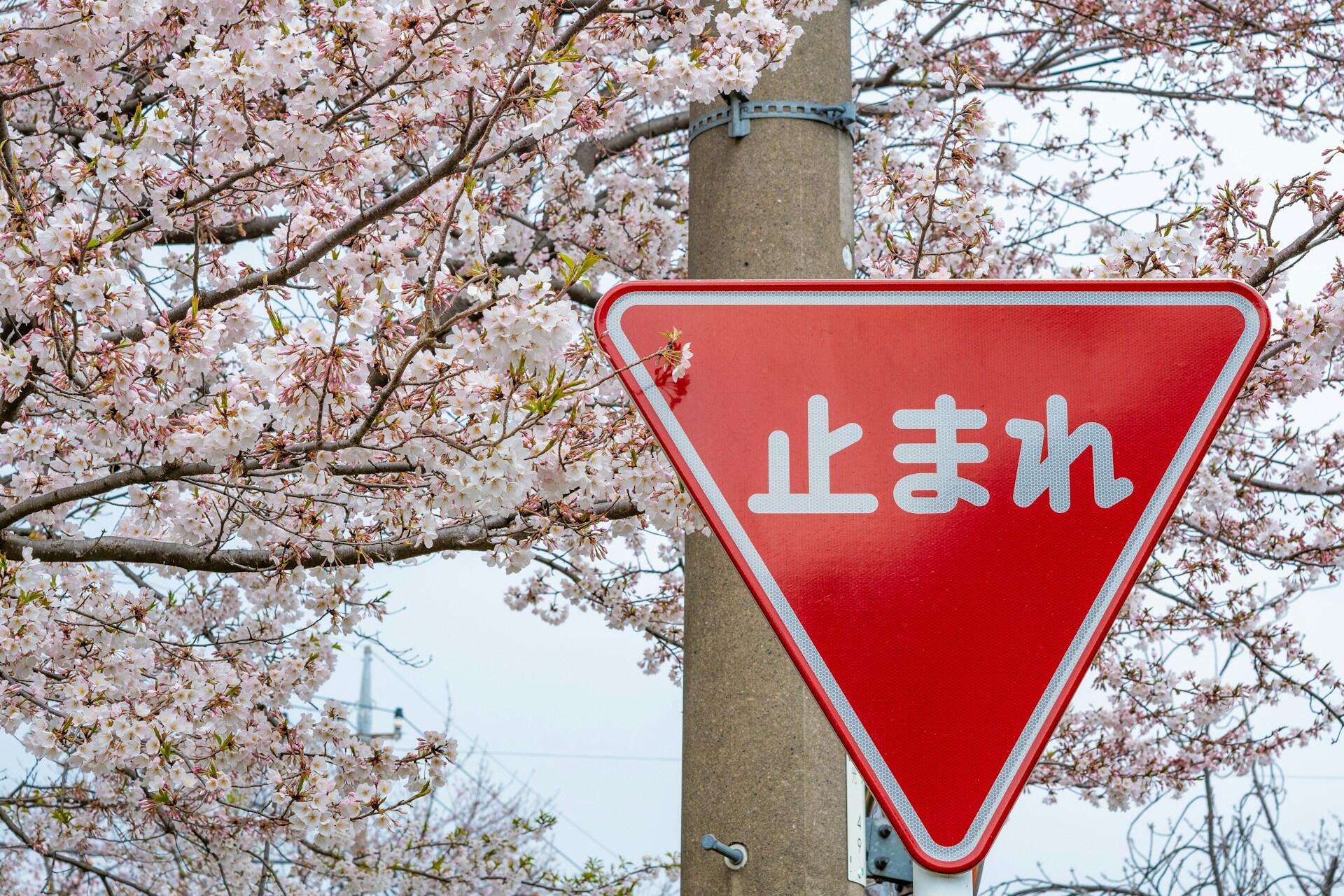
Katakana and hiragana are further distinguished by what they represent. Hiragana is used for authentically Japanese words (sushi すし, e.g.), and katakana is used for imports - words from different languages that are approximated and absorbed into Japanese.
Japanese isn’t just one alphabet; it uses kanji, hiragana, and katakana together. Kanji conveys meaning, hiragana handles grammar and native words, and katakana signals foreign terms. Without this balance, Japanese writing would lose clarity and nuance.
We'll use 'hamburger' as an example. Its Japanese equivalent is hanbaga (ハンバーガー). It sounds close enough to the English word for English speakers to understand it, but it's written in katakana. If you're in any way knowledgeable about Japanese writing, you know that kanji consists entirely of Chinese characters. You might wonder: shouldn't that writing system be considered a wholesale import of language and, thus, fall under the katakana banner?
Modern imports aside, the Chinese and Japanese languages share a centuries-long history. While the characters might be written exactly the same way in Japanese as in Chinese, in particular, Japanese numbers, the sounds of each character have changed over time. Sometimes, the meanings have, too. A Mandarin speaker would recognise kanji writing on sight, but their pronunciation would be much harder for them to understand unless they have mastered the basics of learning Japanese.
The Reason for Kanji
Despite Japan and China's long history, since the Second World War, the two countries have maintained a simmering rivalry. That might make you wonder why the Japanese haven't yet jettisoned every trace of their former ally's language from their own. The reason is simple: kanji serves a vital purpose. Well, that and the fact that kanji is far too entrenched to be surgically removed.
If not for kanji, it would be difficult to tell when, in Japanese writing, a new word begins. If you read a text written only in katakana and/or hiragana, you might find it difficult to determine which characters belong together to form individual words. Kanji, with its straight-line format, makes it easy to tell the beginning of a new word.
Unlike the other two Japanese scripts, kanji has no loops or swirls. It does have slanted strokes - as in 八 or 刃 but, for the most part, kanji is fairly boxy and well organised. By comparison, the stroke combination for some Japanese characters, like (katakana) shi (シ), seems aimless; almost whimsical.
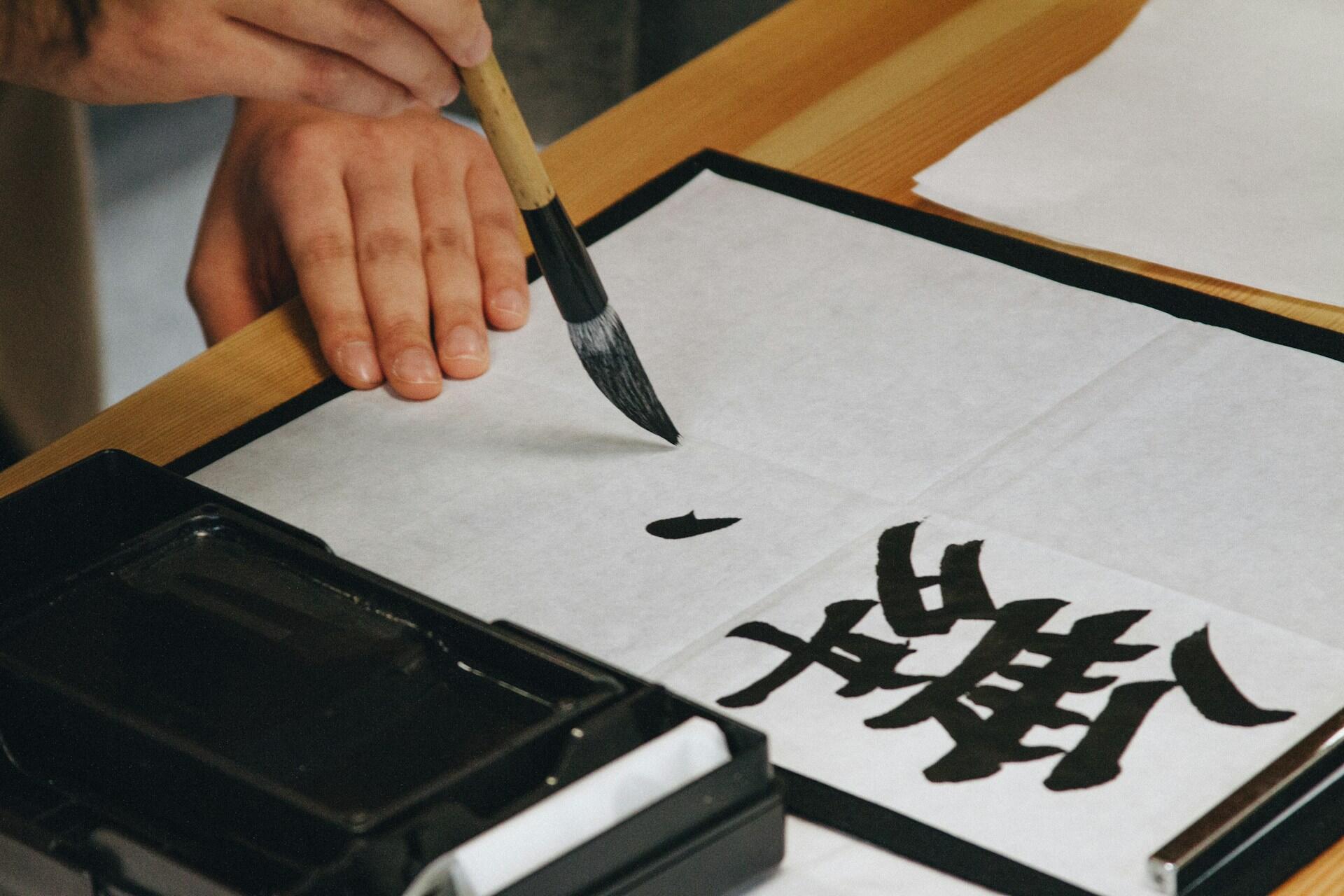
As mentioned in the preceding segment, kanji is used to write numbers; it is also used to write names in Japanese. Besides those functions, kanji is used to write nouns, verbs, and adjectives.
The Hiragana and Katakana Alphabets
Hiragana and katakana represent the phonetic aspects of the Japanese language. Whereas one kanji character represents a whole meaning (国 = 'country'), each hiragana ideogram equals a syllable. Individually, they do not represent complete words or concepts. Thus, every multi-syllable word will contain an equivalent number of hiragana symbols.
What's the Difference?
- Used for native Japanese words, particles, endings, and grammar
- Rounded, flowing shapes
- Every Japanese learner starts here
- Used mainly for loanwords/foreign words, foreign names, sound effects, and emphasis
- Angular, sharp shapes
For example: coffee → コーヒー (kōhī)
In short:
- Hiragana = everyday writing, grammar, and native words.
- Katakana = foreign words, names, sound effects, emphasis.
The Hiragana Alphabet
Hiragana is made up of 46 sounds, broken down into:
- The five vowels: a, e, i, o, u
- 40 consonant-vowel pairs
- Two of which, wa (わ) and wo (を), are word order particles
- one consonant that acts only with the vowel 'a' (think: -n in our earlier hanbaga example)
core kana characters total, once you count the 46 hiragana and 46 katakana characters.

In Japanese, hiragana is the closest to what we understand to be a complete, authentic alphabet. In theory, you could write in Japanese using only hiragana. Still, the resulting text would lack spaces between syllables and not indicate whether they belong together to form a word or are part of a different word.
The Katakana Alphabet
Readers would have to know hiragana and Japanese culture very well to understand such writing. As katakana and hiragana both represent the phonetic aspects of the Japanese language, it's logical that they would have many things in common.
Like its counterpart, katakana consists of five vowels and has 40 main vowel-consonant pairs, as well as the outlier -n. And then, the two vowel-consonant pairs: wa (ワ) and wo (ヲ), particles indicating word order that are found in both katakana and hiragana. One marks the sentence's object (wo) and the other (wa) indicates the sentence's subject or topic.
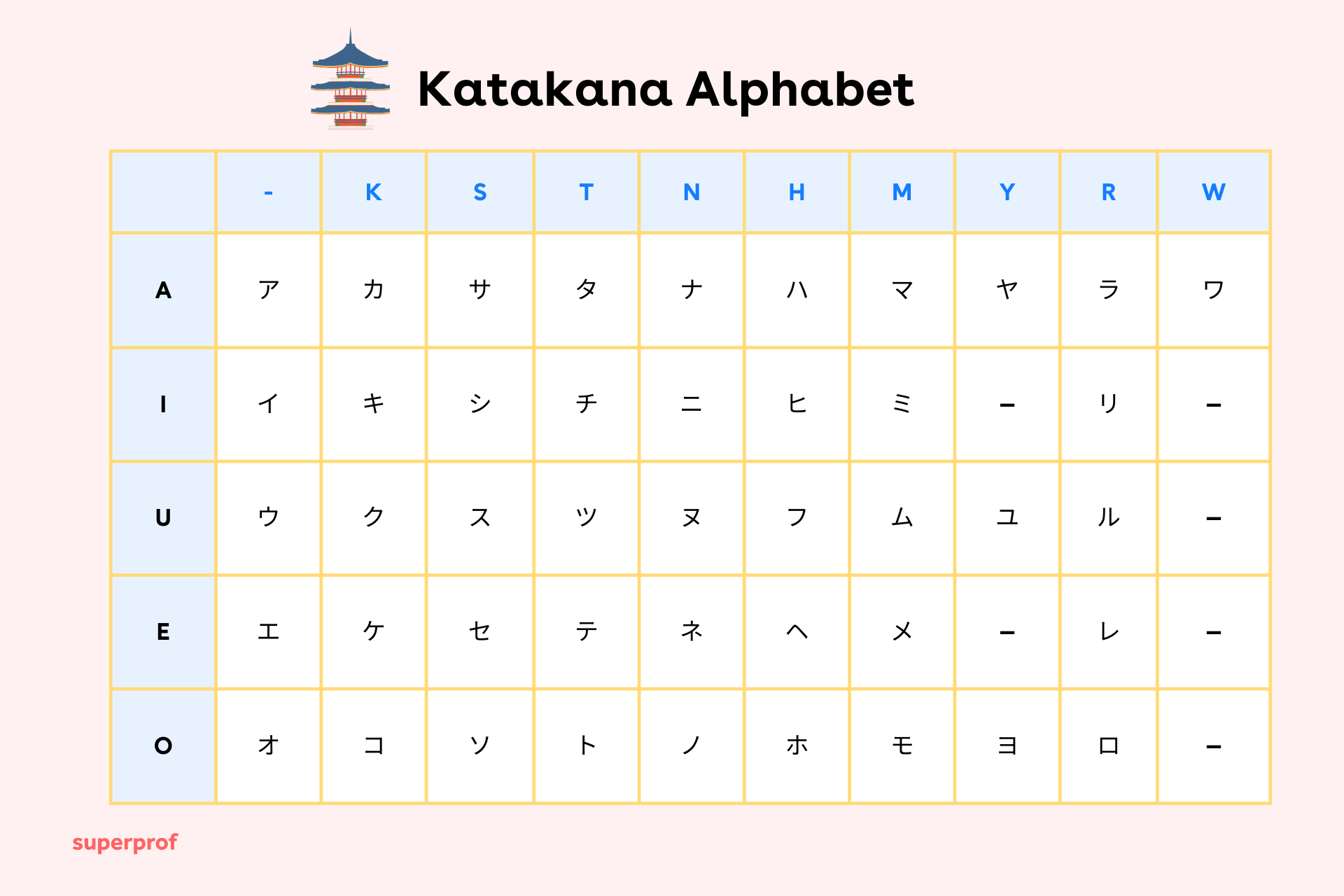
In many ways, katakana is far easier to master than its counterpart. It is not as elaborate, either. Consider the character for the 'mu' syllable. In hiragana, it looks like む; katakana's version is much easier, if a bit less elegant: ム.
Unlike many countries that insist their language remain free of foreign influence - including foreign words, the Japanese language contains many words from other languages, including Chinese and English. That's why katakana is necessary. Even though many of katakana's sounds and functions are the same as hiragana's, the altered script serves to signal that the word is an import.
Mnemonic Tips to Memorise the Kana Fast
It's much easier to learn the Japanese alphabet by linking each character to a story or image. These types of memory aids are called mnemonics, and they can help you turn the abstract hiragana and katakana symbols into something your brain can visualise. Connect the sounds and syllables of familiar words or shapes, and you'll find it easier to remember them when reading or writing.
Why Mnemonics Work and How to Build a Kana Mnemonic
Research on language learning has shown that visual hooks and short stories can create stronger memory pathways than simple rote memorisation. If you combine mnemonics with active recall (usually by testing yourself) and regular practice, you'll learn kana more quickly than simple repetition. It's a good idea to look at a character, say its sound, write it once, and then test yourself with flashcards. There are a few simple rules to building any kana mnemonic:
Make it visual and unusual so it sticks in your mind.
Anchor the pronunciation with an English word that shares the same sound.
Describe the shape of the character and link it to your chosen word.
Keep it short and memorable.
Phase out the picture or story once you can read the characters without help.

Examples
Here are some common mnemonics that learners find helpful:
さ (sa) looks like two arms stirring a bowl → think “salsa.”
ぬ (nu) has a loop like a pile of noodles → “nu = noodles.”
ね (ne) has a tail like a neko (cat).
む (mu) spirals like a cow’s head → “mu = moo.”
よ (yo) looks like a yo-yo.
For katakana, simple shapes also lend themselves to mnemonics:
ア (a) resembles an A-frame tent.
カ (ka) looks like a kite with a tail.
ン (n) is almost a cursive n (easy to confuse with ソ).
A 10-Minute Daily Routine
- Pick 5 new kana from the chart.
- See the symbol, say the sound, and sketch it once while repeating your mnemonic.
- Shuffle flashcards and test yourself without hints.
- Try writing the character again from memory.
- Re-test the ones you missed at the end of the session.
How to Remember Kana Fast
Step 1
👀 See it
Focus on the unique strokes of the character.
Step 2
🗣 Say it
Repeat the sound out loud (link it to an English word).
Step 3
✍️ Sketch it
Write the kana once while saying your keyword.
Step 4
🧠 Story it
Create a short mental image (e.g., さ = salsa bowl).
Step 5
🔁 Review it
Test yourself with flashcards or a free app every day.
Practice Strategies and Recommended Apps
Once you can remember a few kana characters, you have to practice. Short, regular study sessions are better than cramming. Little and often works better than all at once. Mix reading, writing, and recall into your study sessions. A consistent routine will help you learn hiragana and katakana more quickly and make both the sounds, characters, and words stick.
Daily Practice Ideas
⏱ Keep it short: 10–15 minutes a day is more effective than one long weekly session.
✍️ Write to remember: trace each character slowly, following the correct stroke order.
👂 Say the sounds: repeat them out loud to connect pronunciation with the written letters.
🔁 Mix skills: switch between reading charts, writing from memory, and testing yourself with flashcards.
A 7-Day Starter Plan
1. Read the kana aloud.
2. Write it once, using the correct stroke order.
3. Test yourself with flashcards.
4. Review missed characters.
Day 1
Learn the five vowels (a, i, u, e, o).
Day 2
Add the K-row (か, き, く, け, こ).
Day 3
Add the S-row (さ, し, す, せ, そ).
Day 4
Review vowels + K + S rows.
Day 5
Add the T-row (た, ち, つ, て, と).
Day 6
Add the N-row (な, に, ぬ, ね, の).
Day 7
Full review with flashcards + practice writing all rows.
Try these free and paid resources to keep your practice fun:
Write Japanese → stroke-order animations for every kana.
Kana.Pro → fast quizzes to test reading speed.
Tofugu Kana Quiz → pairs mnemonics with practice drills.
Anki (with kana decks) → spaced repetition flashcards.
LingoDeer → structured lessons that include kana basics.
Next Steps After Learning the Japanese Alphabet
Anyone who has studied Mandarin must have revelled in the fact that their target language, deemed one of the most difficult in the world to learn, has a complete lexicon of romanisation. Pinyin helps Mandarin learners start speaking faster without first having to learn enough characters to put a sentence together.
Not just foreign language learners, either. Chinese school children also start out with pinyin, later graduating to reading and writing Chinese characters. Unfortunately, the closest Japan can come to such a universal conversion of language is romaji - Japanese words written in the alphabet English speakers know so well. That does not mean it is easy or straightforward to learn.
For one, there is more than one system of romaji. The Latin alphabet was introduced in Japan by Portuguese missionaries sometime in the 16th Century. Since then, other missionaries have left their influence on the Japanese language. Through the centuries, the Japanese have also attempted to romanise their language, resulting in two additional forms of Romaji: the Nippon and Kunrei systems.
Arguably, the most widely used romaji is the Hepburn System, which includes both hiragana and katakana corresponding sounds with their Latin counterparts in one complete chart. Whether you're a language purist - you want to learn Japanese without using romaji, or you do occasionally rely on it to help you learn Japanese faster and more easily, it's likely your teacher has discouraged you from relying on romaji too much.

To a point, they're right. When you do finally make it to Japan, you won't find much of anything written in romaji so it's best to learn how to read and write in Japanese. However, unless you have a Japanese keyboard, you will have to know romaji to type in Japanese. Even so, you still have to recognise which character to select from the software's menu. Are you looking for katakana's sa (サ) or hiragana's (さ)?
Some language learners shy away from learning Japanese because it's simply too complicated. There are too many sounds and characters to learn and too many rules to follow. And all that, on top of having to figure out which writing system to use for any given word? But then, if you think about it, our alphabet may contain only 26 letters, but they yield a startling variety of constructs and sounds, too. Add to that the difference between capital and lowercase letters, and cursive versus print... and we manage pretty well, don't we? So let's get to studying those Japanese words and phrases! Write them in romaji if you must but also practise writing them using the Japanese alphabet.
Summarise with AI:
Did you like this article? Leave a rating!

 Loading...
