
Seollal, the Korean New Year celebration, is that country's most important holiday. It's a time of family reunion and venerating ancestors, for letting go of negativity and preparing for a new start. The celebration lasts just one day - one action-packed day! - but the preparations leading up to it take far longer.
The week before
Clean the house; wash the linens.
This wipes away bad luck and makes ready for incoming good fortune.
A couple of days before
Shop for food ingredients for the Seollal meal.
Also shopping for gifts, such as gingseng, fruit baskets, and vitamins; perhaps buy new hanbok.
The day before
Begin preparing food
Chopping and slicing vegetables, marinading meats, preparing banchan.
The morning of
Begin cooking the dishes.
Set the charye table (charyesang) first, according to traditional rules.
After cooking
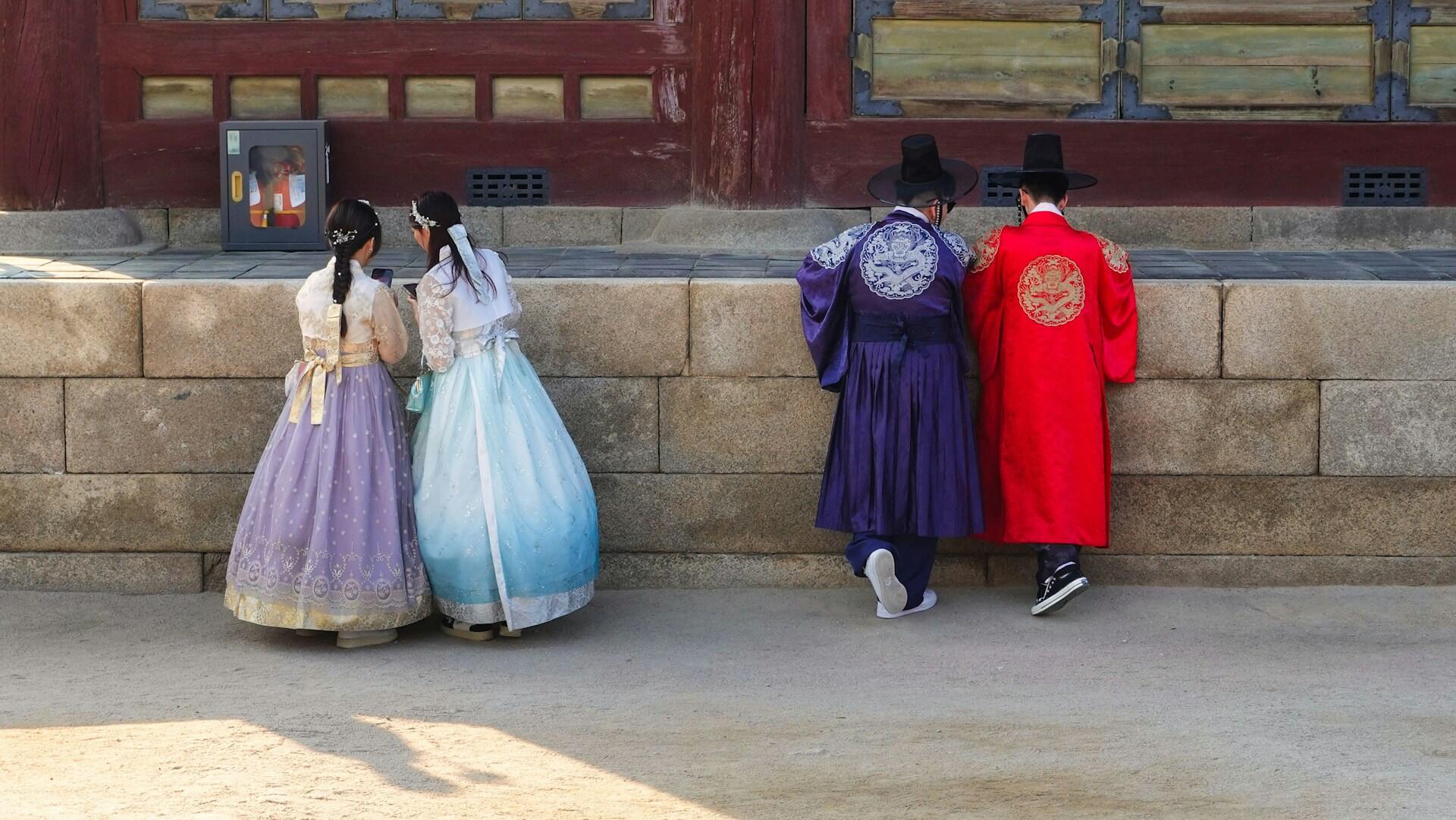
Put on hanbok, prepare for charye ritual.
The eldest male descendant bows first, with successive bows dictated by age.
Following charye
Take Sebae: bow deeply to the elders, wishing them good fortune in the new year.
Men bow deeply, with hands and forehead to the ground; women's bows are more graceful.
After Sebae
Give Sebaedon
Elders offer blessings and wisdom, give children 'lucky' money.
After Sebae
Enjoy dinner!
The meal revolves around tteokguk, the 'lucky' rice cake soup.
After the meal
Play Lunar New Year games.
Games include yutnori, jigichagi, seesaw jumping, and kite-flying.


Korean New Year Meaning: Origins and What It Represents
As in many cultures, the Korean people view New Year's celebrations as a herald of new beginnings. However, unlike many cultures, Korea enjoys two New Year celebrations:
신정 (sinjeong)
- celebrated December 31st / January 1st
- typically a big-city event
- marked by parties, fireworks, and countdowns
- no special foods or dedications
- schools and businesses closed
- shops and restaurants open
설날 (seol-nal)
- date varies according to Lunar cycle
- typically a country-wide event
- ancestor veneration, rituals, and games
- special food: rice cake soup (tteokguk)
- stores and restaurants closed
- museums and palaces open.
Of the two, Seollal is more culturally significant and, arguably, the more keenly anticipated. Standard New Year greetings, such as 새해 복 많이 받으세요 (saehae bok mani badeuseyo), suit both occasions. It means "May you receive many blessings in the New Year."
Korean New Year Origins
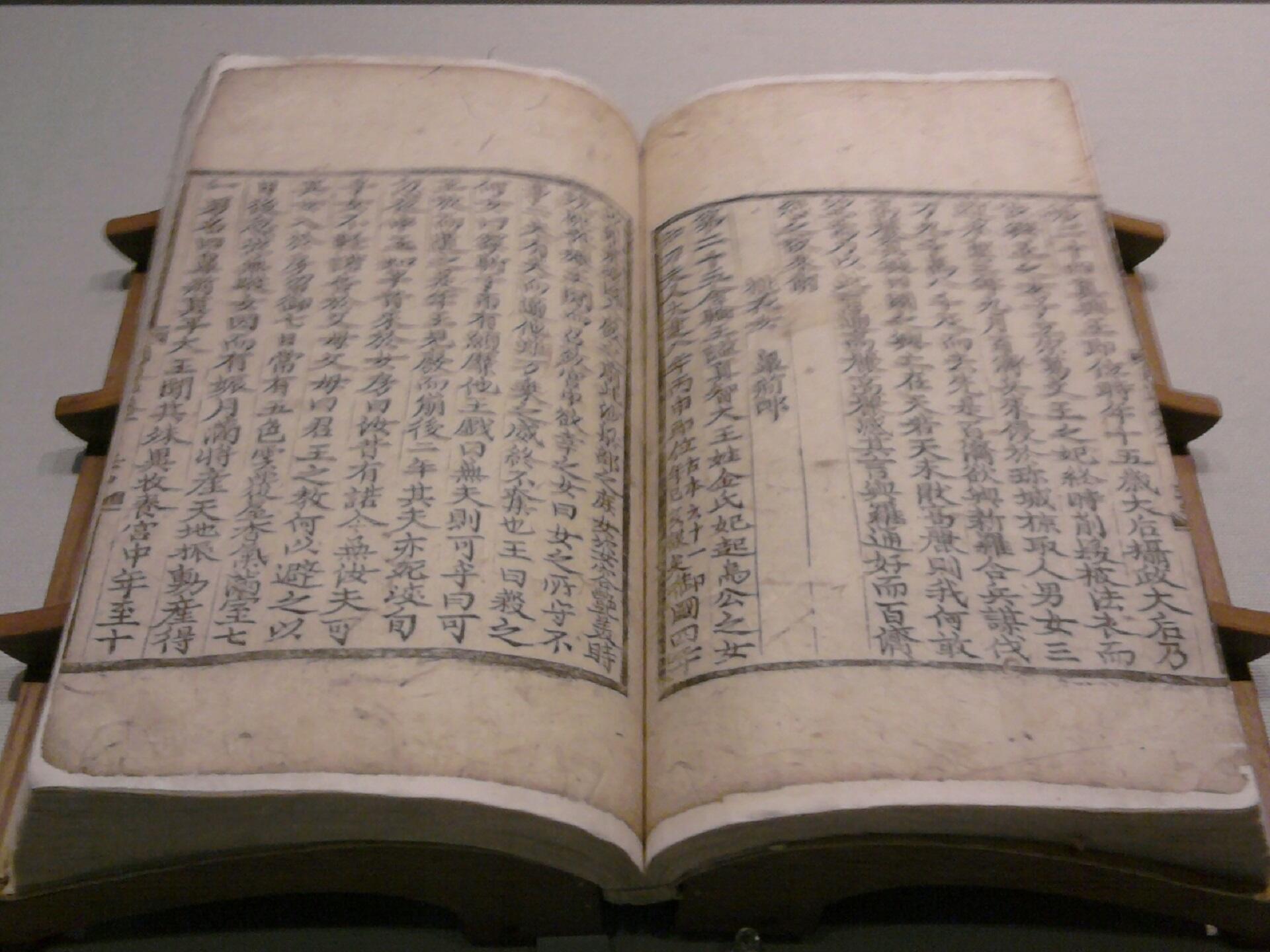
Evidence exists that people who lived in what's now called Korea celebrated Seollal as far back as 57 BCE (before the current era). Throughout history, China has had an outsized influence on its neighbours. So, it's no surprise that ancient Koreans embraced the Chinese Lunar calendar concept.
We find the earliest recorded mention of Lunar New Year in this collection of historical accounts, legends and folktales.
This compilation, whose title literally means 'Memorabilia of the Three Kingdoms', dates back to the 13th century. It includes early Seollal ceremonies and customs, based on rituals found in 7th-century Chinese volumes, such as the Book of Sui.
It didn't take long for the Korean people to make these celebrations their own. Today, China and Korea both observe the Lunar New Year, but their celebrations are very different:
Chinese observance
- 15 days long
- less focused on ancestors
- an occasion for shopping and travel
- dumplings are the must-have food
Korean observance
- one day long
- focus is on ancestors
- a family occasion
- rice cake soup is the must-have food
Perhaps the most profound difference is that, in Korea, everyone gains a year. This is for administrative purposes only, such as entering school and determining retirement age. It's a controversial system that is nevertheless deeply entrenched in Korean society. So, people make the best of their added year of wisdom with these celebrations.
Korean Holiday Customs: Key Traditions and Rituals
As noted above, the Korean Lunar New Year revolves around venerating ancestors. Naturally, those rites top the list of rituals.
Charye, the Ancestral Rites
Visit any Korean home, and you're sure to find at least framed portraits of long-passed people. Those are more than mere portraits; those images - the spirits they represent - serve as the family's guides and guardians.
Before the family sits down to their Korean New Year celebration meal, they first serve their ancestors. Per tradition, this is how families perform charye:
Sebae: Respect for Living Elders
With the charye ritual complete, it's time to venerate the elders. The bowing order roughly follows the same eldest-to-youngest pattern as the charye ritual, though men and women bow together.
Men bow deeply, with their hands and foreheads touching the ground. Women hold their hands shoulder-height, with palms down and one hand atop the other, and tilt their heads down.
Once the family has delivered their New Year wishes, the elders perform sebaedon. This entails dispensing wise words and doling out money. Children should receive the silk pouch (bokjumeoni) containing 'lucky money' with both hands and a slight downward head tilt.
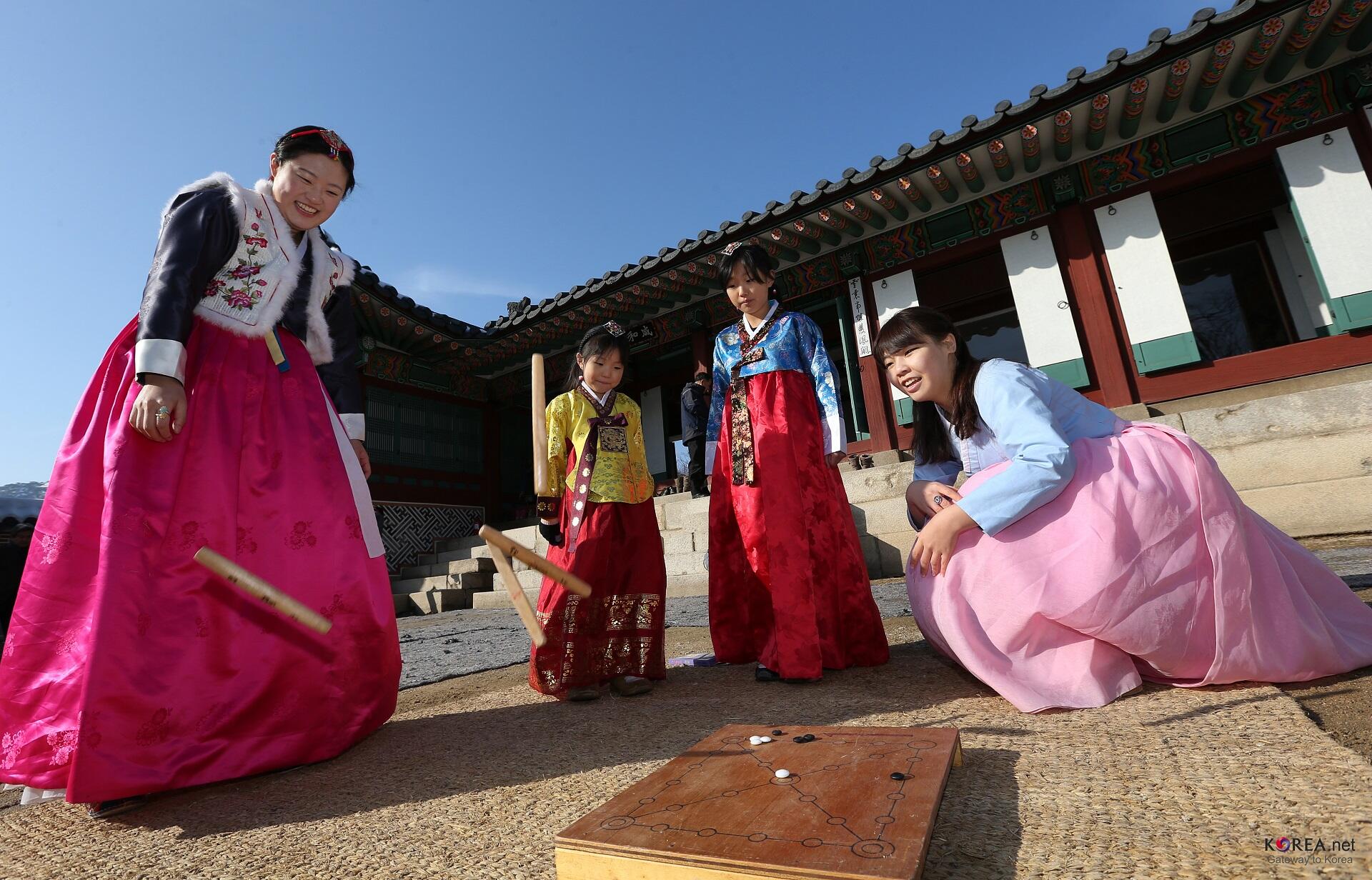
Korean Holiday Customs: Playing Games
Besides ancestor veneration, family is the main focus of Korean Lunar New Year activities. After enjoying a fine meal together, it's time to play. These are the games and pastimes Korean families play:
Yeonnalligi (연날리기) involves 'players' flying kites with notes of negative events and sentiments written on them. Once the kites reach a high enough altitude, the kite flyers cut the string, allowing all the bad things from the year before to fly away.
Playing these and other traditional games for Lunar New Year helps lighten an otherwise solemn occasion. They also reinforce family bonds, giving members precious memories to cherish throughout the year.
Korean New Year Celebration Foods
Around the world and in every culture, food helps define the most important cultural celebrations. It's no different in Korea, where people enjoy a delicious array of traditional dishes.
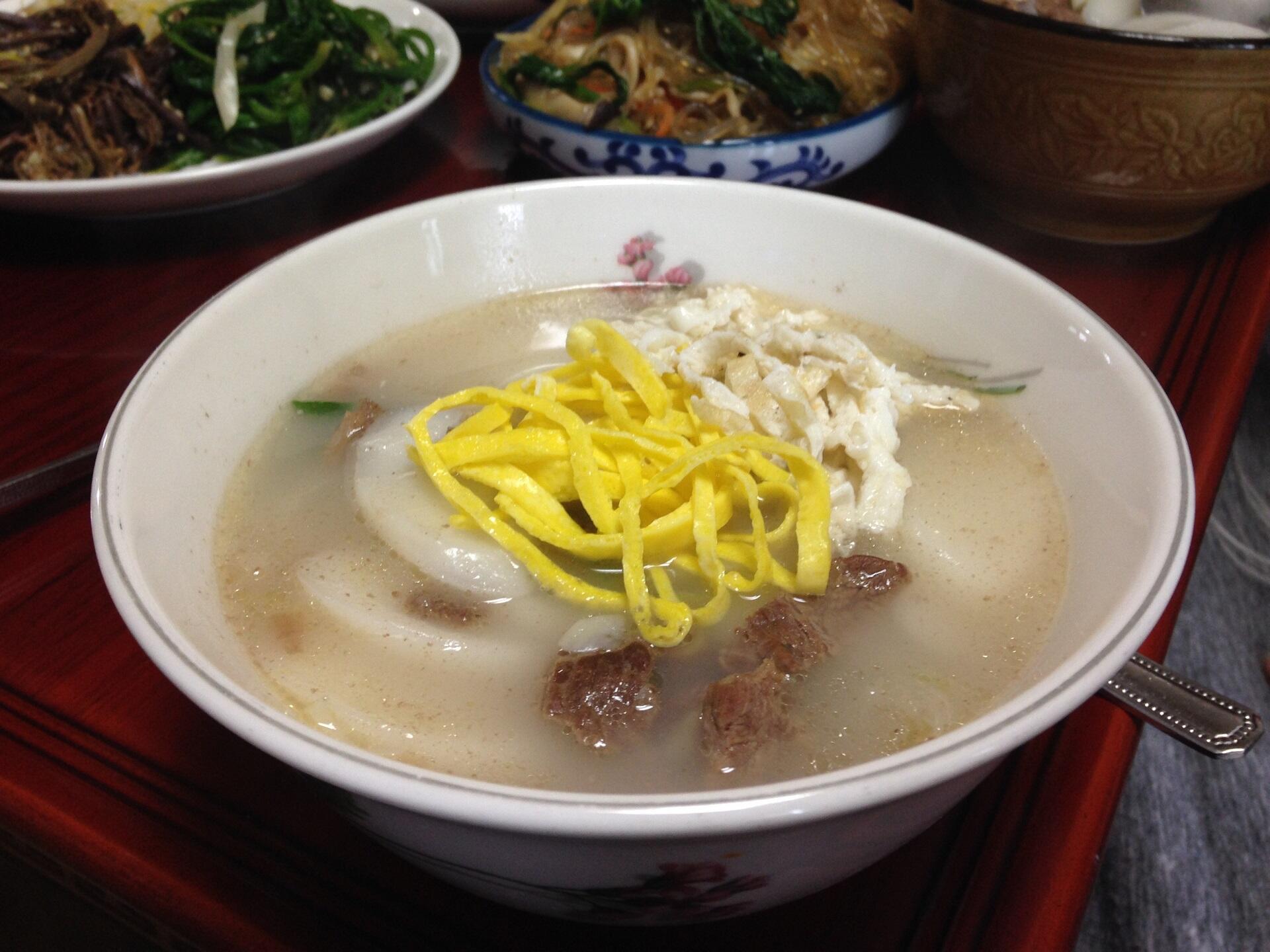
The most important among them is tteokguk (떡국). According to legend, this rice cake soup brings prosperity to whoever eats it because its round, white rice cakes resemble coins. A generous bowlful takes pride of place on the charye table. For the Seollal meal table setting, all the other dishes are arranged around this delightful, tasty soup.
Other Seollal foods, also laden with meaning, don't quite have the significance that rice cake soup does. Furthermore, they may be enjoyed year-round, for any occasion, and at any venue. This chart presents a sampling of dishes you might find gracing a typical Seollal table.
| 🍜Korean food name | 📖Romanised | 🔊What it sounds like | 🙋♀️What it is |
|---|---|---|---|
| 만둣국 | manduguk | Korean dumpling soup | |
| 삼색 나물 | samsaek namul | A side dish (banchan) made of spinach | |
| 잡채 | japchae | Korean glass noodle stir fry | |
| 갈비찜 | galbi jjim | Korean braised short ribs | |
| 떡갈비 | tteokgalbi | Korean beef patties | |
| 전 | jeon | A floured, egg-washed, fried food. Many types exist. | |
| 약식 | yaksik | A sweet rice 'cake' with dried fruit and nuts |
Many of the foods served for the Korean New Year celebration can be enjoyed year-round. Tteokguk, the rice cake soup, is the sole exception to that rule. It is exclusive to the New Year meal - at least, it was. But times change, and what was once traditional melds into everyday life.
Seollal Traditions in Modern Times
It's not just the tradition of eating lucky soup that's changing. Of late, younger Koreans have wished to ditch the hanbok-wearing custom. On this point, though, tradition is proving stronger. The surge of idols and celebrities wearing hanbok is helping to hold that line strong.
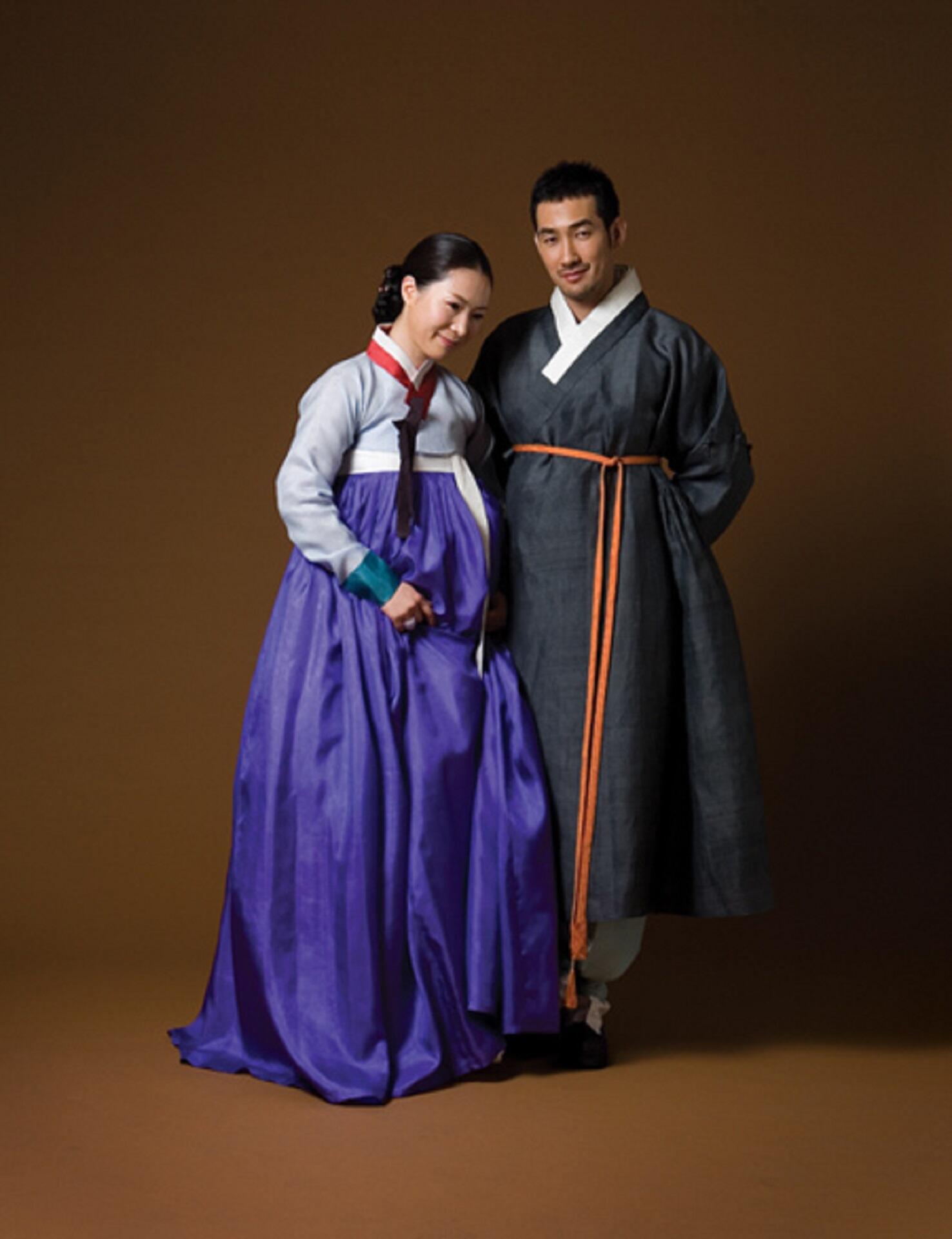
Also, hiring a hanbok for the occasion eliminates the cost of having and maintaining this expensive, little-worn garment. So, to whatever their degree of reluctance, people still put on that graceful, flowing attire for Korean New Year.
In our rush-and-hurry world, few have the time or the will to travel back home for a one-day celebration event. Technology makes it easier for families to connect online; these days, more people observe the charye ritual virtually. That pillar of Korean New Year traditions, at least, still stands firm, no matter where people find themselves.
Some city-dwelling families choose to dine out rather than do all that cooking and cleaning. They might order or prepare enough food to observe charye on camera, but then head out to their favourite eatery once the camera's off. Or, they might simplify/streamline the food preparation process so it won't be so labour-intensive.
Some families might investigate what the year ahead holds in store for them.
But that's typically not the zodiac animals' purpose in Korea. People are aware that the Year of the Horse is coming up, of course. Still, the Korean zodiac is used more to understand others' personal characteristics and temperament.
It's also a way to determine who's older. As you might know, hierarchy is vitally important in Korean culture. Being even a few months older than someone you just met entitles you to honorifics and extra respect. That just goes to prove that the more Korean culture changes, the more its most crucial aspects remain the same.
Which is your favourite Seollal tradition?
Summarise with AI:
Enjoyed this article? Leave a rating!

 Loading...