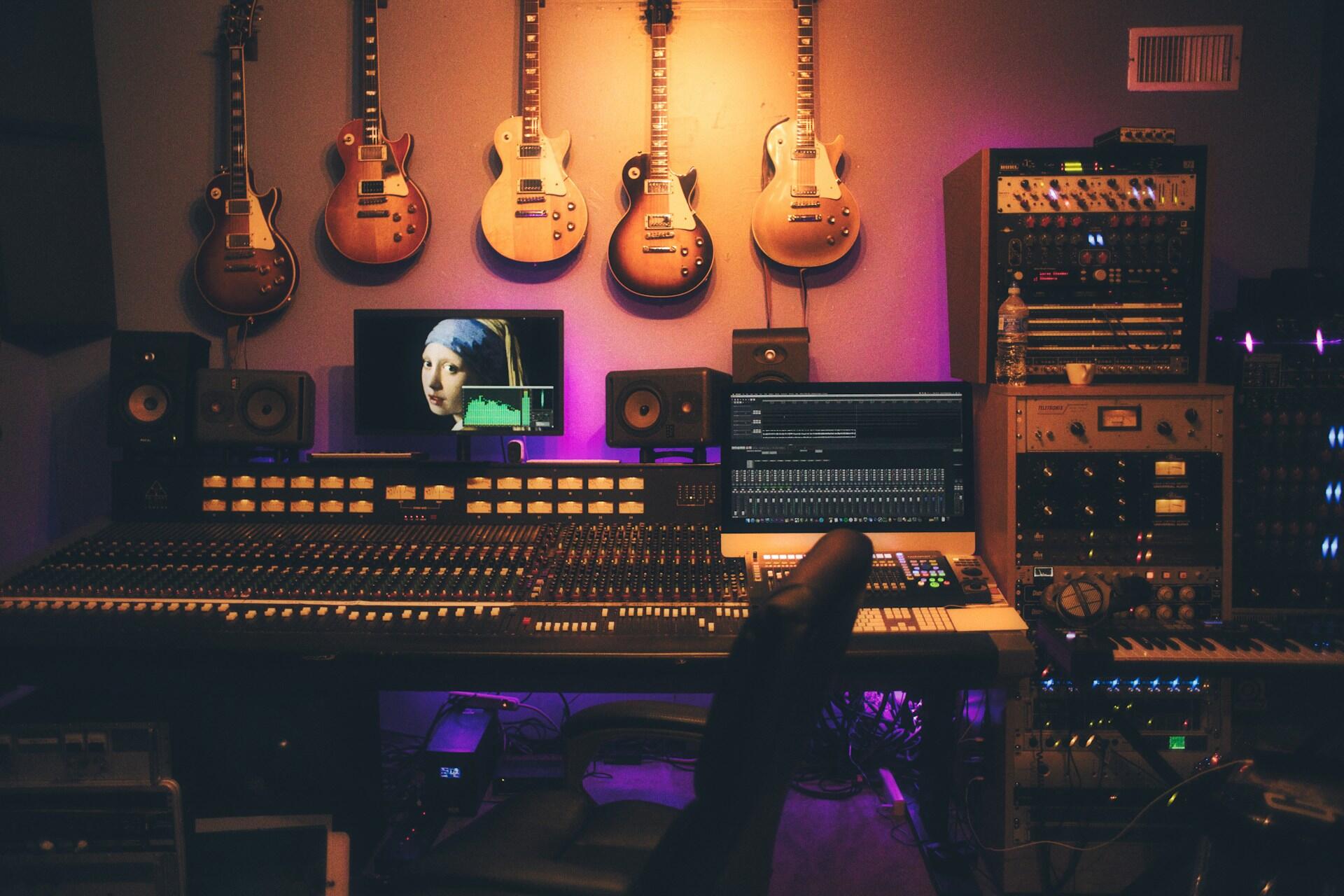
A complete guide to becoming a music producer, from education and technical skills to hands-on experience, networking, and building a strong career path.
The studio is a playground where anything can happen.
Brian Eno
Music producers sit at the centre of creativity and technology. Whether you want to work in professional studios or build a career with a home setup, you'll still need musical skill, technical knowledge, hands-on experience, and industry awareness. Let's look at the steps involved in becoming a music producer in the UK, from the education pathway, technical skills, portfolio building, and career opportunities along the way.
Music producers oversee the artistic and technical process of turning a song into a finished recorded track. They work with artists and guide the creative vision, organise recording sessions, and make decisions to shape the sound. The exact role can vary by genre, project, or working environment. It's common for producers to combine their musical instincts, technical skills, and communication.
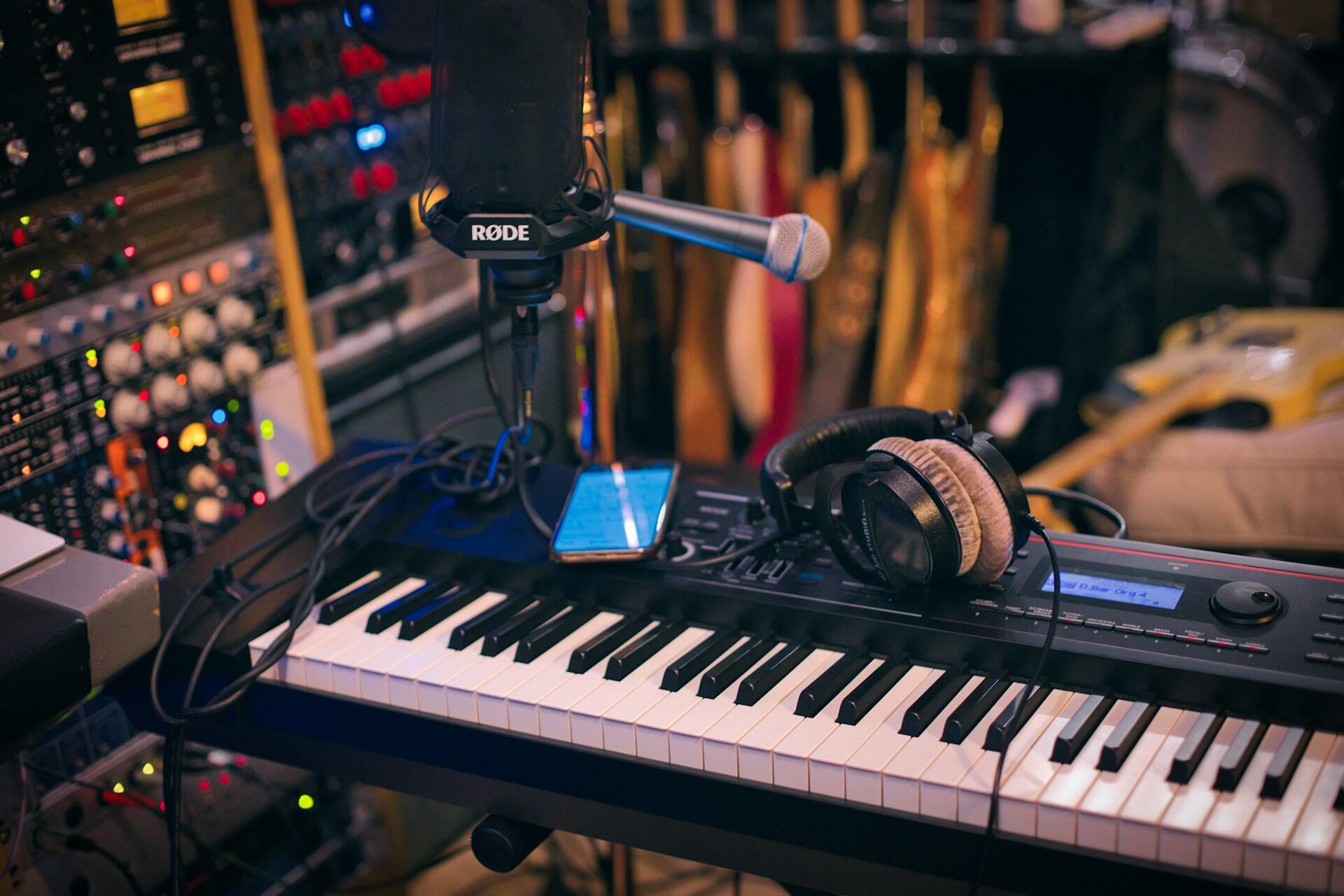
Not every music producer has the same role. Some act more like coaches for musicians, while others can be technical advisors or anything in between. | Photo by Caught In Joy
Key Responsibilities: Producers help shape the creative direction of a track, oversee recording sessions, collaborate with artists, and manage the practical elements of projects, including timelines, budgets, and studio organisation.
Essential Skills: Producers need a strong command of DAWs, musical knowledge, leadership, communication, and the ability to work across both creative and technical tasks such as arrangement, recording, and editing.
Educational Pathways
There are many different ways to become a music producer. In terms of education, they can complete full degrees, study music production courses, or teach themselves. The important thing is to develop foundational music production skills, understand how music creation works, and offer a creative and technical perspective on music.
Formal Education: Many producers study music production, audio engineering, or related subjects through degrees, diplomas, or accredited programmes. Formal education provides structured learning, access to equipment, and guidance from industry-active tutors.
Self-Directed Learning: Many successful producers learn independently through online courses, YouTube tutorials, workshops, and practical experimentation. This path offers flexibility, allowing learners to develop skills at their own pace while building a personal workflow.
Gaining Practical Experience
Once you've completed your education, whatever route you choose, you'll need hands-on experience. Spending time creating tracks, collaborating with artists, music production apprenticeships, and working in real or simulated studios will all help. Practice helps with workflows, confidence, and portfolio building.
Building a Portfolio: Creating original tracks, remixes, or collaborations helps demonstrate your style and technical ability. A portfolio shows artists and employers what you can do and is often more important than formal qualifications.
Internships and Apprenticeships: Working in professional studios or joining structured apprenticeships provides valuable real-world experience. These opportunities expose you to industry workflows, professional equipment, and the expectations placed on producers and engineers.
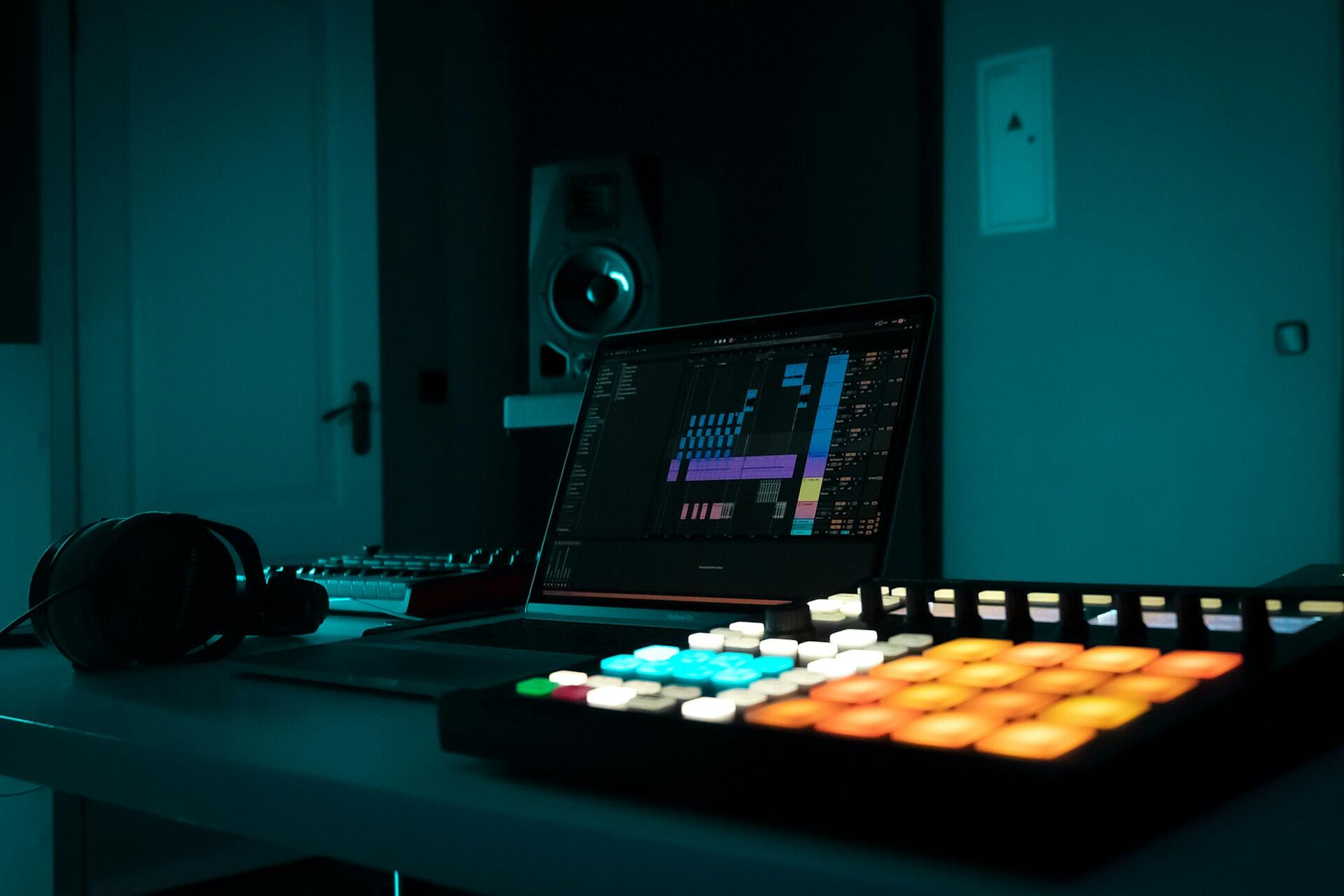
Nowadays, aspiring music producers can practise their craft at home. | Photo by Erwi
Technical skills are key for any music producer. From professional studios to home production, you have to know how to use your tools. Whether it's digital tools, recording equipment, or engineering techniques, you'll need a strong foundation. Here's what you should work on to improve the quality of your work, collaborate effectively, and solve problems during recording sessions.
Mastering DAWs and Equipment: Producers must be confident using Digital Audio Workstations such as Ableton Live, FL Studio, Logic Pro, and Pro Tools. Understanding MIDI programming, audio editing, recording techniques, synthesis, and plug-ins is essential for shaping a track’s sound.
Understanding Sound Engineering: Producers benefit from knowing the fundamentals of recording, mic placement, acoustics, mixing, and audio processing. These skills help ensure clean recordings, professional mixes, and consistent sound quality across projects.
Get started with Ableton.
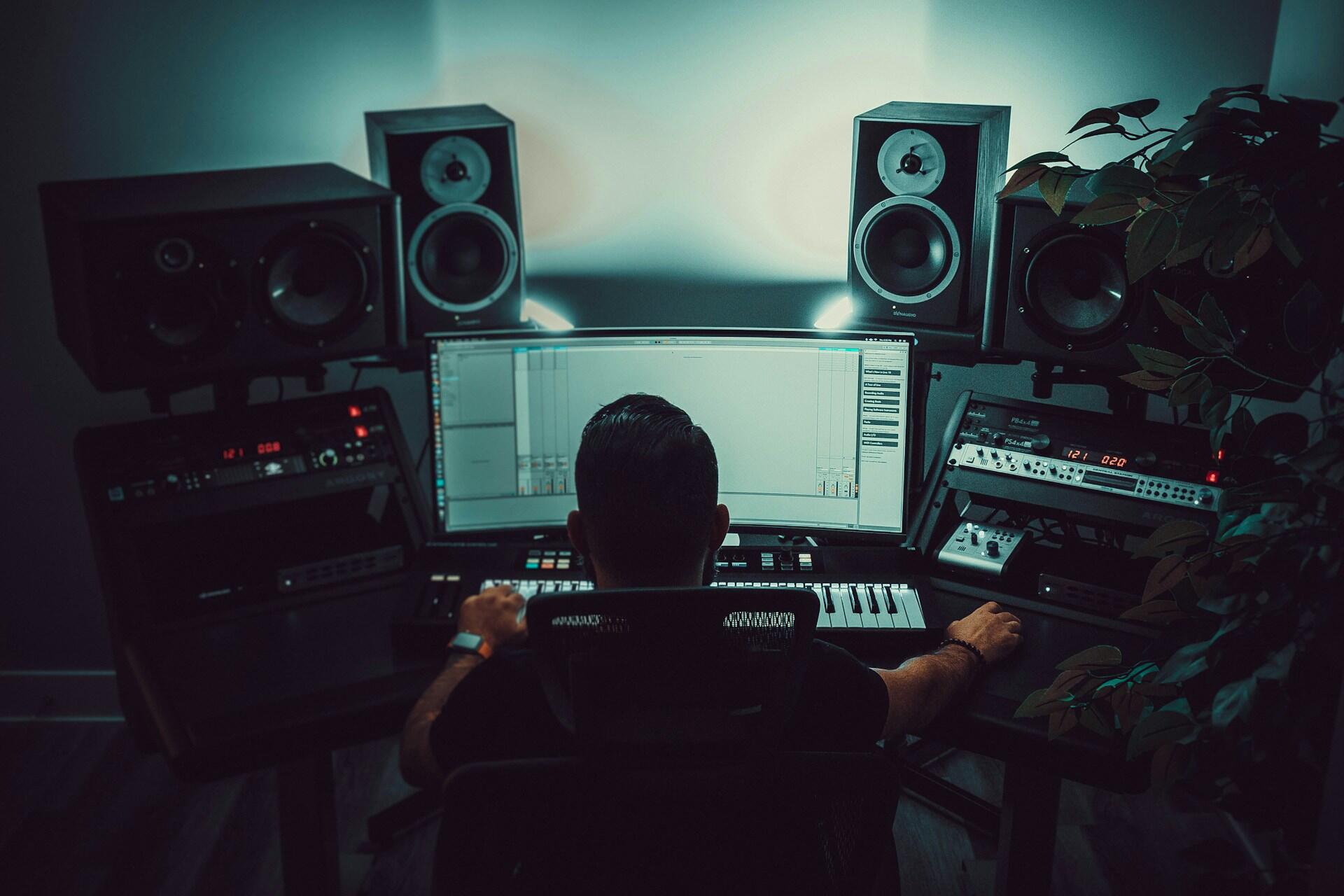
Every music producer should be familiar with a DAW. | Photo by Troy T
Networking and Industry Engagement
Music producers can't work without people to hire them. Whether you're a studio-based employer or a client for freelance music producers, you need to connect with the right people to further your career and boost your earnings as a music producer. Networking is key to becoming a successful producer. Recommendations, collaborations, and long-term creative partnerships can help you further your career.
Building Professional Relationships: Producers form connections by attending gigs, collaborating with local artists, joining studio sessions, participating in events, and building trust with musicians, engineers, and labels.
Online Presence: A strong digital footprint across social media, personal websites, streaming platforms, or beat-selling sites helps showcase your work, attract clients, and demonstrate your style and professionalism.
beenhere
Key Skills and Tools for New Music Producers
To become a music producer, you need a mix of musical understanding, DAW fluency, and practical studio skills. Focus on learning at least one main DAW, understanding recording and editing basics, and working with core tools such as audio interfaces, microphones, MIDI controllers, and studio monitors. Combine this with creative listening, communication skills, and a willingness to keep learning so you can adapt to new genres, workflows, and technologies over time.
Staying Current with Industry Trends
Music production is constantly changing. The quickest way to fall out of favour is by falling behind. Producers have to stay up to date to stay competitive. By keeping up to date with the latest developments, you can improve your sound, work more efficiently, and adapt to artists' expectations.
Continuous Learning: Producers stay current by following tutorials, taking online courses, attending workshops, and studying new production techniques. Regular learning helps refine skills and maintain a modern sound.
Adapting to Technological Advances: New tools such as AI-assisted mastering, updated DAWs, innovative plug-ins, and evolving hardware all influence how music is made. Adapting to these shifts allows producers to remain relevant and expand their creative capabilities.
Step 1
Learning and First Projects
Start by learning a DAW, experimenting with loops and ideas, and finishing your first tracks or remixes at home.
Step 2
Early Collaborations and Small Jobs
Work with local artists, friends, or online collaborators on small projects, demos, or student films while building a basic portfolio.
Step 3
Assistant, Runner, or Junior Roles
Move into studio assistant or runner positions, internships, or entry-level audio roles where you can observe professionals and learn workflows.
Step 4
Independent Producer or In-House Role
Take on complete projects as a producer, either freelancing for multiple artists or working in-house for a studio, label, or media company.
Step 5
Established Producer and Specialist Work
Build a strong client base, develop a recognisable sound, and specialise in areas like mixing, mastering, electronic production, or sound for media.
Step 6
Senior, Executive, or Studio Owner
Lead major projects, run your own studio or production company, mentor other creatives, and take on executive or creative director roles.
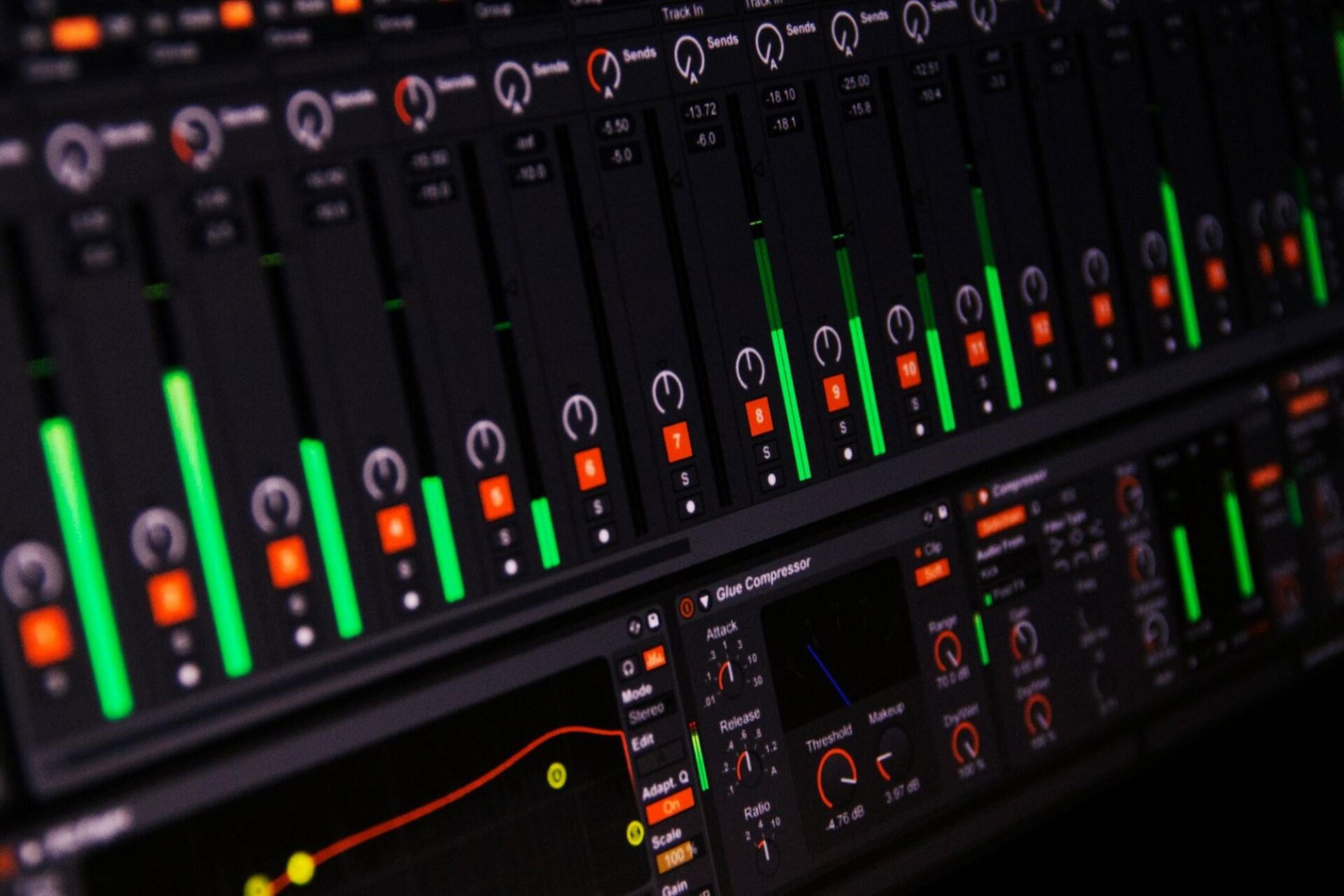
Modern music producers need to be well-versed in classic hardware and modern software. | Photo by Ivan Jermakov
Career Outlook and Opportunities
So, what do the prospects for music producers look like? There is a wide range of career paths across studios, media companies, freelance work, and creative industries. As more artists release music independently and digital production becomes a bigger part of the industry, the number of opportunities is increasing. Plan your next steps strategically.
Employment Prospects: Producers may work in commercial studios, media companies, education settings, broadcasting, theatre, or gaming. Full-time roles provide structured income, stable schedules, and opportunities to collaborate within larger teams.
Freelancing and Entrepreneurship: Many producers operate independently, offering production, mixing, mastering, beatmaking, and sound design services. Freelancers set their own rates, build their own client base, and often enjoy greater creative freedom and higher earning potential over time.
Summarise with AI:
Did you like this article?Leave a rating!
5.00 (1 rating(s))
Loading...
Joseph
Joseph is a French and Spanish to English translator, language enthusiast, and blogger.
Top Music Production Courses in the UK The UK is one of the world's best countries for music and audio production. It's home to world-famous studios and a thriving creative industry. If you want to study music production, there are plenty of music production courses that UK students can choose from.⁹ Let's explore a few […]
8 April 2026 ∙ 8 minutes to read
Summarise with AI:
Frequently asked questions
🎓 Do I need a formal degree to become a music producer?
While degrees provide structured training and access to professional equipment, many successful producers learn independently and build careers through practice and strong portfolios.
📅 How long does it take to become a proficient music producer?
With consistent practice, most learners need several years to develop strong creative and technical skills.



 Loading...