


Apprenticeships in music production are among the most accessible ways to get into the creative industries. Unlike academic routes, apprenticeships put you in the studio with production teams and live specialists. Whether you want to work in recording, sound design, live audio, or project planning, apprenticeships are a great way to get real-world experience. These are often paid, hands-on training opportunities. Let's see how combining full-time work with learning makes for a direct pathway into the music and audio industry.


Understanding Music Production Apprenticeships
With a music production apprenticeship, learners can gain practical experience and industry-ready skills. Instead of a purely academic environment, apprentices work in studios, venues, and organisations. They not only learn music production skills but also real production workflows.
Music production apprenticeships give learners the chance to develop real technical skills while working alongside experienced industry professionals. Instead of learning in a classroom alone, apprentices build confidence through day-to-day studio tasks, live event support, equipment handling, and collaborative project work. These programs are also paid positions, making them a valuable option for learners who want to enter the industry without taking on university tuition costs.
What Is a Music Production Apprenticeship?
Music production apprenticeships are paid, work-based training programmes. They combine full-time employment and structured learning. You'll work alongside engineers, producers, and technical staff while also getting formal training from an approved provider. By combining real responsibilities with guided skill development, budding music producers can learn about studio operations, equipment handling, audio workflows, and project coordination.
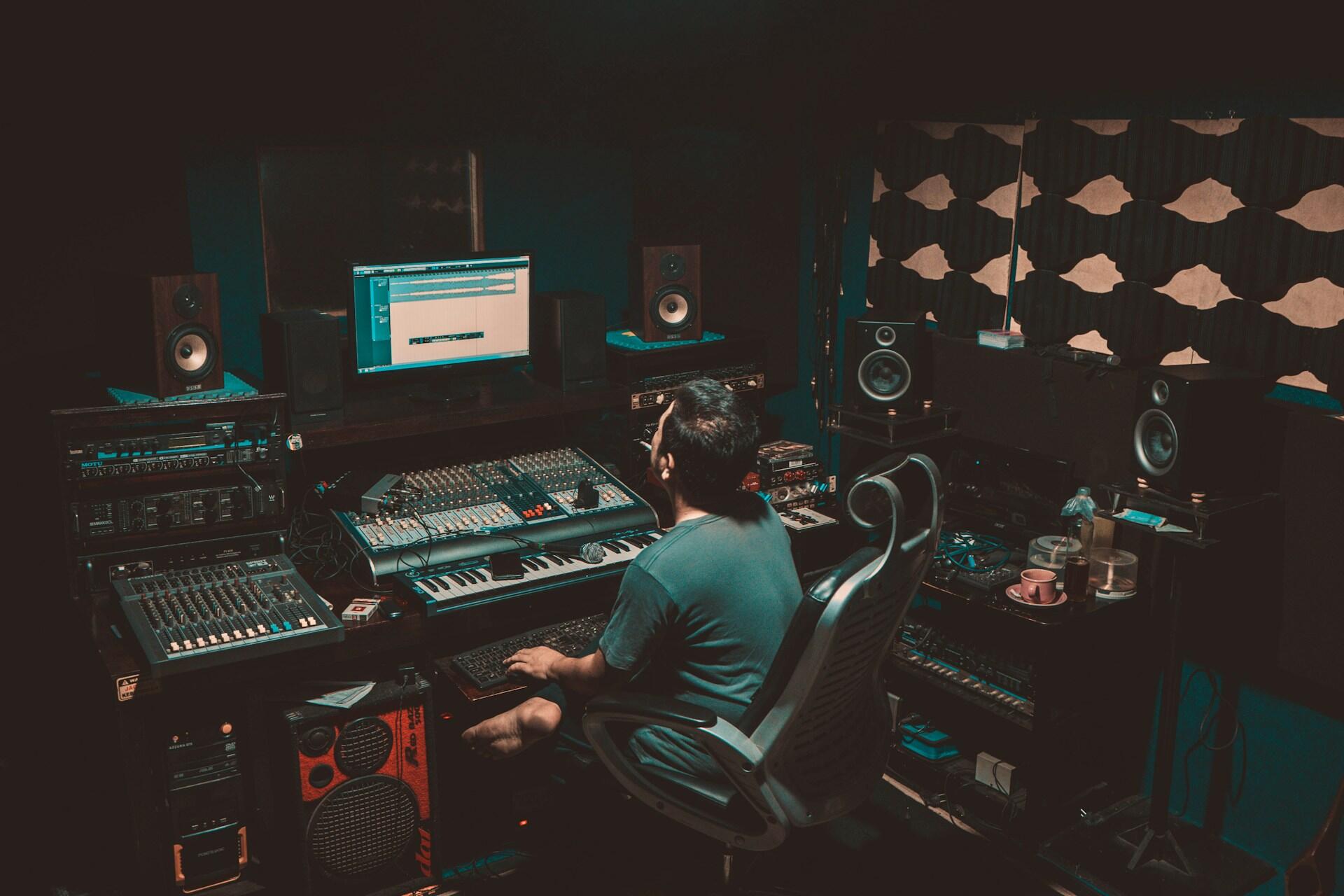
Benefits of Pursuing an Apprenticeship in Music Production
Practical and financially accessible, there are lots of benefits to doing an apprenticeship in music production. They mightn't be the only thing you can do in music production, and you may still need some formal training, but there's a reason they're so highly recommended. Here are just some of the benefits.
Types of Music Production Apprenticeships
If you don't feel like a music production degree is right for you, there are different types of music production apprenticeships depending on the kind of specialisation you want to pursue. Whether you want technical studio work, project coordination, or hands-on instrument handling, there's an apprenticeship out there for you. Here are some of the most common.
Assistant Recording Technician Apprenticeship
An Assistant Recording Technician works directly in professional studios. They support engineers and producers during mixing and recording sessions. This is an excellent apprenticeship option for those who want to learn about topics such as microphone placement, signal flow, equipment setup, and the day-to-day workflow of commercial recording environments. Apprenticeships can learn skills that help prepare sessions, troubleshoot technical issues, handle cables and patch bays, and assist with editing and preliminary mixes.
Music Project Planner Apprenticeship
Music Project Planners will focus on the organisational and logistical side of production. As an apprentice, you'll learn how to coordinate between artists, producers, studios, and marketing teams so that projects run smoothly. This is an excellent option for those who love planning, communication, and time management. Typical tasks include creating production schedules, managing budgets, organising recording sessions, and ensuring that deadlines are met.

Music Instrument Technician Apprenticeship
Instrument Technicians work in workshops, studios, or at live performances. They specialise in maintaining, repairing, and setting up musical instruments. This is an excellent option for technical learners interested in craftsmanship. In these apprenticeships, you'll learn about servicing guitars, keyboards, drums, or orchestral instruments. You'll also learn how to support artists during studio sessions.
| Apprenticeship Type | Main Responsibilities | Skills Learned | Typical Employer | Best Suited For |
|---|---|---|---|---|
| Assistant Recording Technician | Studio setup; supporting recording sessions; equipment handling; editing | Mic placement; DAW workflows; audio troubleshooting | Recording studios; production houses | Tech-minded learners wanting hands-on studio experience |
| Music Project Planner | Scheduling; project coordination; liaising with artists and producers | Project management; communication; budgeting | Labels; studios; production companies | Organised learners who enjoy planning and coordination |
| Music Instrument Technician | Instrument repair; maintenance; tuning; setup for sessions or live work | Technical repair; workshop craft; performance prep | Instrument retailers; touring companies | Detail-oriented learners who enjoy instrument craftsmanship |
Notable Apprenticeship Providers and Programmes
There are many reputable apprenticeships in the UK. Whether you want to work directly with recording studios, broadcasters, or creative organisations, you'll find something. Here are just two of the most recognised ones.
BBC Production Apprenticeship
The BBC Production Apprenticeship is one of the most respected creative apprenticeships in the country. Apprentices here work with various BBC departments, including audio, live broadcast support, podcast production, and music programming. You can gain practical experience in recording, editing, content creation, and studio operations. This programme is usually around 18 months.
UK Music Apprenticeship Development Programmes
UK Music has partnerships with various studios, venues, and creative employers. There are roles like Assistant Recording Technician, Music Project Planner, and Music Instrument Technician. These programmes provide on-the-job training and are a great first step in your career as a music producer.
How to Apply for a Music Production Apprenticeship
Even though an apprenticeship isn't precisely the same as a job, you still have to apply for one like a job. For most, you need to meet the entry criteria and go through the application to prove your interest and eligibility for the apprenticeship. Here's how you do it.
Eligibility Requirements
Before applying, make sure you meet the eligibility requirements. We can't stress this enough. Some applications are very strict, and your application will be rejected outright if you don't meet the criteria. Do your research into each apprenticeship programme.
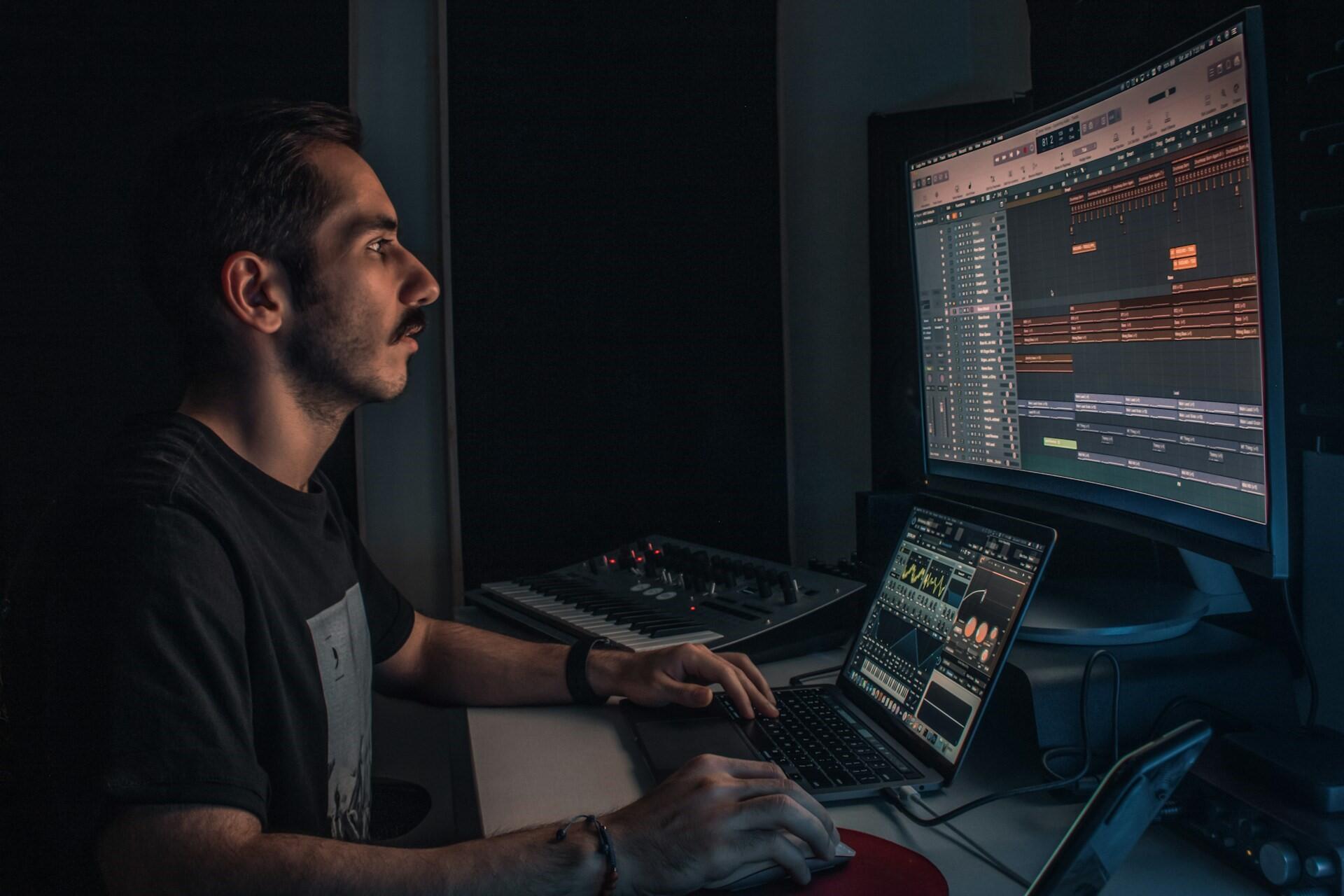
Application Process
Once you're certain that the programme is for you and that you're eligible. You can start applying. It's a good idea to look for programmes that align with your interests and aspirations. You should refresh your CV before starting, too.
Step 1
Check Your Eligibility
Confirm you meet the age, education, and residency requirements. Most apprenticeships require GCSEs and the right to work in the UK, while higher-level roles may require A-levels or experience.
Step 2
Research Apprenticeship Opportunities
Browse the UK government apprenticeship portal and industry sites to compare roles. Look at duties, locations, and entry criteria to find the best match.
Step 3
Prepare Your CV and Basic Portfolio
Create a simple CV that highlights your education, interests, and any music or audio experience. Add links to any personal projects you have.
Step 4
Write a Focused Cover Letter or Statement
Explain why you want the apprenticeship and what interests you about music production. Keep it personal, relevant, and tailored to the employer.
Step 5
Submit Your Application
Apply through the official portal or employer website. Check your details, attach your documents, and submit before the deadline.
Step 6
Prepare for Interviews or Assessments
Be ready to talk about your interest in music, any technical experience, and how you work in a team. Review the job description and research the employer to feel confident.
Step 7
Accept the Offer and Prepare to Start
Read your contract and training schedule carefully. Organise travel, scheduling, and anything else you need for your first day.
Career Prospects After Completing a Music Production Apprenticeship
In addition to the skills that you'll develop during a music production apprenticeship, they're also great for getting real-world experience, professional contacts, and the confidence of having already worked in creative environments, which may also help with your starting salary. Naturally, many apprenticeships can move straight into junior roles. After all, many employers who have skills over formal qualifications, especially in areas like music production.

Potential Job Roles
Your apprenticeship might lead to a related role. While most prepare you for a specific role in music production, you may find yourself better suited to another. Here are just some of the roles that music production apprenticeships can lead to.
Further Education and Professional Development
You don't necessarily have to go into a job. Music production apprenticeships could lead to further education. Here are some of your options:
Summarise with AI:
Did you like this article? Leave a rating!

 Loading...
How can I join
Hi Moses!
Thanks for your interest. This article explains how music production apprenticeships work and how to get started. To join one, you’ll usually need to apply through an approved training provider or the UK government apprenticeship website, where current opportunities are listed.
We’ve included step-by-step guidance and useful links in the article above to help you take the next steps. 🎶
This was very insightful, my only question is, do you have or know of any organisations willing to offer a young, inspiring upcoming male the opportunity to do some voluntarily work or even better offer an apprenticeship in London?
I know the website has some info, but if you don’t ask you don’t get.
Thanks for your comment! We don’t offer placements directly, but we’d recommend keeping an eye on local studios, arts organisations, and apprenticeship boards in London, as opportunities do come up regularly. Best of luck!