Music producers are influential in the music-making process. They guide the creative direction of music, the sound of an artist, and the technical decisions that turn a song into a track. From studios to home setups, music producers are at the heart of the artistic and technical side of music creation. Here's what a music producer actually does, including the skills they need and how they can go from an entry-level producer to a successful career in production.
Key Takeaways
Music producers guide the creative and technical direction of songs from concept to final mix.
Producers shape an artist’s sound, support performances, and streamline studio sessions.
The role blends creativity, audio engineering knowledge, and project management skills.
Different types of producers (creative, technical, executive) focus on other parts of the process.
A modern producer must understand DAWs, studio gear, digital tools, and workflow stages.
Career pathways include studio roles, freelancing, working with labels, and senior production roles.
Producer salaries vary widely depending on experience, location, credits, and whether they work freelance.
Developing a signature style helps producers stand out and attract the right projects.
Strong networking and industry relationships directly influence career progression.
Continuous learning and adapting to new technology are essential in an evolving industry.
The role of music producers is constantly evolving, and what a producer did 20 years ago isn't the same as what one does now. However, the core of the role has remained the same: they guide musical projects from concept to recorded completion. Producers have to combine musical creativity, technical knowledge, and people management to help artists perform at their best and shape the sound of a record. From chart-topping singles to independent releases, they have to turn ideas into finished, professional-quality tracks.
What Does a Music Producer Actually Do?
A music producer is involved in every stage of the music-making process. They define the artistic direction of songs. They support the artists' performances and make decisions about the arrangement, sound design, recording, editing, and mixing. Some producers take a hands-on approach by building beats, programming drums, or even playing instruments. Others choose to focus on coaching, direction, and shaping the track's vision. Producers typically:
Guide the creative direction and sound of the project
Help artists refine melodies, arrangements, and performance
Oversee recording sessions and maintain efficiency
Make decisions about tone, instrumentation, and song structure
Collaborate with engineers, musicians, and mixers
Ensure the final result matches the artistic vision
Why Producers Are Essential in the Music Industry
Producers are the bridge between creativity and execution. Artists need them for professional guidance, a trained ear, and technical expertise. Without music producers, tracks would lack structure, cohesion, and even emotional impact. They also have a logistical role, managing the practical aspects of projects, such as budgets and schedules. Producers are essential because they:
Translate artistic ideas into production reality
Bring consistency and quality to the recording process
Provide objective creative feedback
Maintain timelines and manage costs
Support both technical and emotional performance elements
Types of Music Producers (Creative, Technical, Executive)
In the world of music production, there are different types of producers with distinct focuses. For example, some focus on technical aspects, others are visionaries for a track's sound, and some get their hands dirty making beats. The three main types are:
Creative Producers: Focus on songwriting, sound, arrangement, and artistic direction. Often work closely with artists to build a track's identity and character.
Technical Producers: Specialise in recording, sound engineering, editing, and audio quality. They ensure the production meets industry standards.
Executive Producers: Oversee the entire project from a managerial or strategic perspective. They coordinate budgets, teams, resources, and may contribute to high-level creative decisions.
Some music producers focus on the recordings while others work more in a coaching role with the talent. | Photo by Kelly Sikkema
The Evolution of Music Production
1950s–1960s
The Rise of the Studio Producer
Producers like Phil Spector and George Martin transform the role from simple recording supervisor to creative architect. Multi-track recording begins shaping modern sound.
1970s
Growth of Multi-track Recording and Analogue Gear
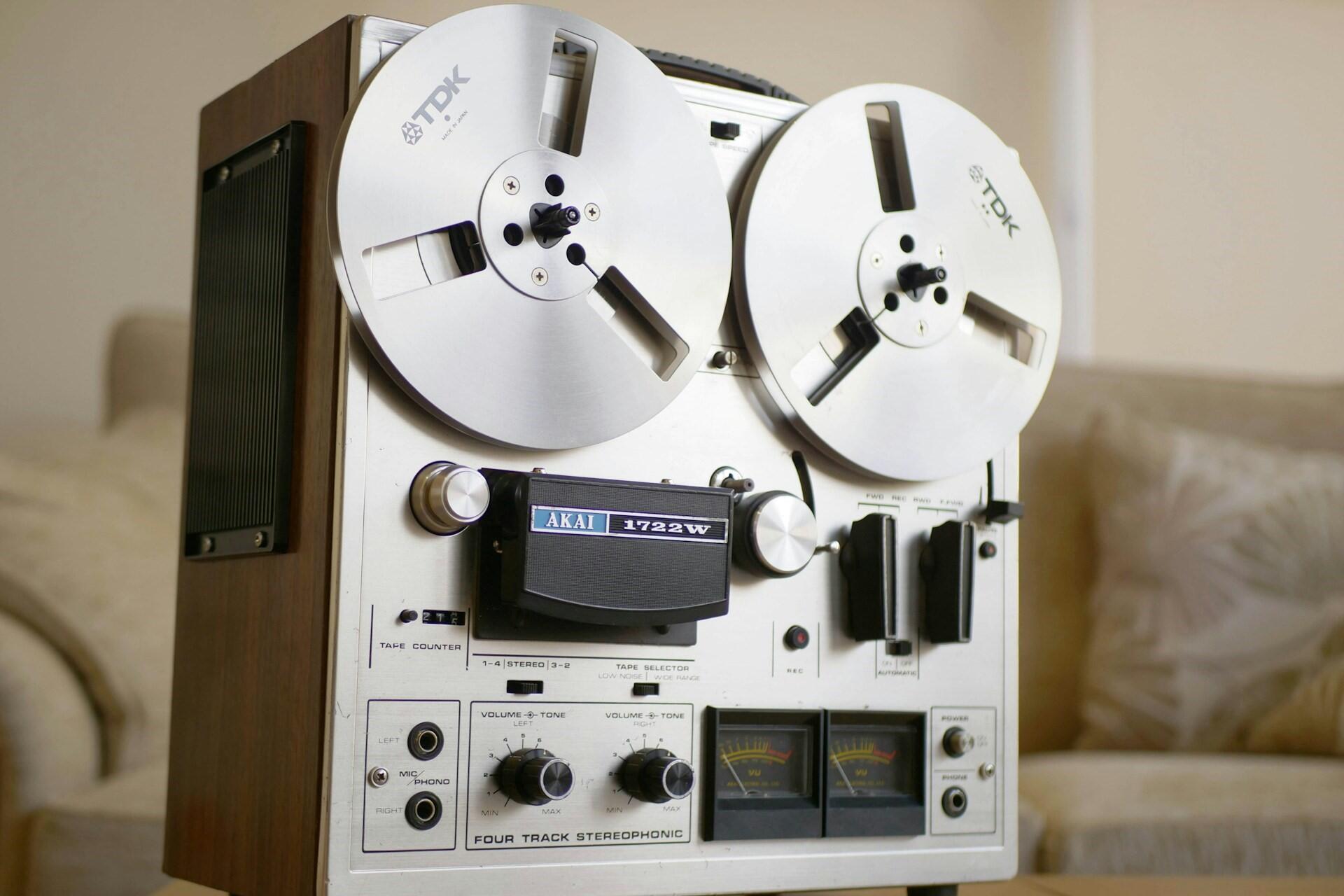
Producers embrace tape machines, large-format consoles, and analogue synthesis. Artists and producers experiment with layering, effects, and more complex arrangements.
1980s
Digital Revolution and Early DAWs
The first digital synthesisers, drum machines, and samplers appear. MIDI is introduced, giving producers new creative control. Early workstation-style production emerges.
1990s
DAWs Become Mainstream
Software like Pro Tools becomes standard in professional studios. Producers gain precise digital editing tools, and home studios begin to develop.
2000s
Home Recording and Laptop Production Take Off
Affordable audio interfaces, virtual instruments, and powerful laptops make professional production accessible from home. Genres like electronic and hip-hop explode.
2010s
Remote Collaboration and Streaming Era
Producers work globally with artists via internet-based file sharing. Streaming changes the economics of production, increasing the demand for consistent releases.
2020s
AI Tools, Hybrid Workflows, and Creator Culture
AI-assisted composition, mastering, and editing tools emerge. Producers increasingly blend hardware and software setups, while social media accelerates artist–producer collaboration.
Core Responsibilities of a Music Producer
Music producers cover both the creative and technical sides of music production. Their exact duties will depend on the genre, project, or artist. Still, they're always central in shaping the sound, structure, workflow, and quality of recordings. From pre-production to planning and the final mix, the decisions they make shape the sound.
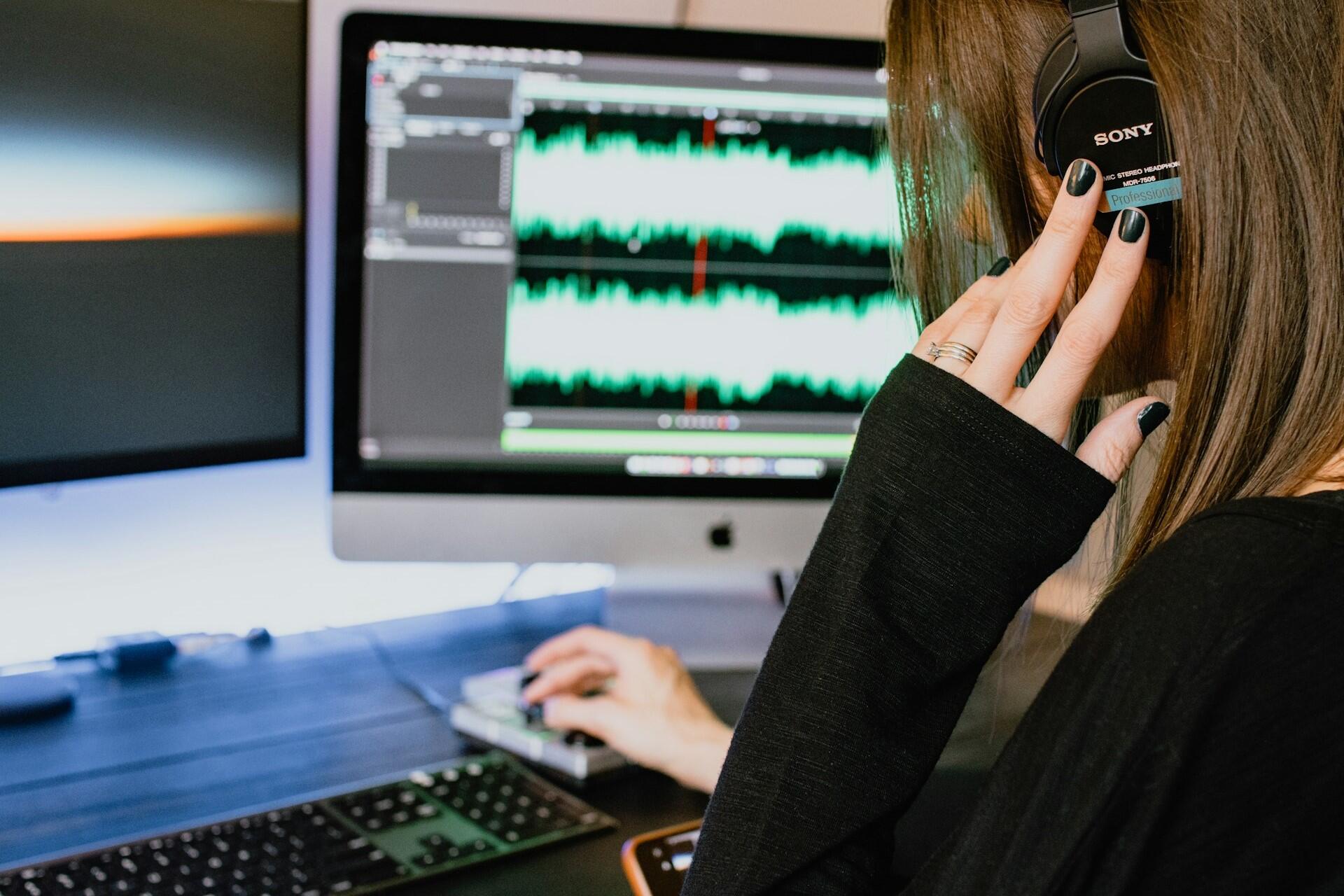
Music producers need to know the hardware and software used to make great recordings. | Photo by David James
Project Planning and Creative Direction
Creative vision is one of the key aspects that a music producer brings to any recording. They work with artists to refine ideas and sound. They give the project what it needs, including studio time, musicians, equipment, and creative support. This often includes:
Discussing the artistic goals and style of the track
Planning the session structure and recording approach
Helping artists refine melodies, arrangements, or lyrics
Offering creative guidance to bring ideas into focus
Shaping the Artist’s Sound and Vision
Music producers can help artists with their sound, with technical skills being a strong focus of most good music production degrees. Producers may suggest stylistic shifts, experiment with textures or arrangements, and guide artists towards a final result. This can include:
Offer feedback on vocal performances and delivery
Suggest instrumentation, sonic textures, or genre influences
Work on arrangement changes to improve structure
Help the artist develop a recognisable sound
Supervising Performances and Session Workflow
The music producer will also act as a sort of manager during the recording sessions. They'll lead the entire workflow to ensure everything runs smoothly, providing feedback and ensuring the artist feels confident and supported. Producers aim to bring out the best in performers in the studio. This can include:
Providing performance direction to musicians and vocalists
Managing the pace and energy of recording sessions
Selecting the strongest takes and requesting retakes when needed
Keeping sessions on schedule and organised
Overseeing Technical Elements and Sound Quality
Though a music producer mightn't be the primary engineer, they'll still influence the sound. They'll work with engineers on mic placement, recording quality, tonal balance, and the overall character of tracks, which you can learn on an apprenticeship for music producers. Technical responsibilities include:
Approving recording tones and equipment choices
Evaluating takes for clarity, emotion, and consistency
Deciding on editing approaches and production techniques
Offering input during mixing and mastering
Managing Budgets, Schedules, and Communication
Producers have a duty to keep projects on track by meeting deadlines, managing budgets, and communicating between artists, engineers, session musicians, and external collaborators. They're heavily involved in the logistics, especially when studio time has to be paid for. Their logistical duties can include:
Scheduling sessions and coordinating studio time
Managing project budgets and expenses
Leading communication among the project team
Delivering final files on time and ensuring professional standards
Essential Skills Every Music Producer Needs
Music production is at the crossroads of creative instincts and technical skill. If you're considering becoming a music producer, you'll need to master or develop certain skills. Here are the main ones:
Musical Knowledge and Creativity: Producers benefit from a strong understanding of melody, harmony, rhythm, and arrangement. Creative instincts help guide artists, shape ideas, and recognise what makes a track compelling.
Technical Ability (DAWs, Recording, Editing): Producers must know how to use industry-standard software like Logic Pro, Ableton Live, Pro Tools, or FL Studio. Skills in recording, mic placement, editing, comping, tuning, and basic mixing are essential.
Collaboration, Leadership, and Artist Management: Producers guide performances, manage studio sessions, and create a supportive environment for artists. Strong communication and leadership help keep projects on track.
Business Skills (Contracts, Royalties, Negotiation): Understanding how royalties, agreements, project budgets, and split sheets work helps producers protect their earnings. Negotiation and client management skills support long-term career sustainability.
Music producers need to be organised for the logistics of recording music. | Photo by Glenn Carstens-Peters
There are multiple routes into the music industry. Some music producers start in studios while others build up a freelance portfolio. Here's the general path that you could follow if you're interested in becoming a music producer.
Starting Out (Assistants, Internships, Home Studio Work): Many producers begin as studio runners, assistant engineers, or interns while building skills through personal home studio projects. This stage focuses on learning workflows, observing professionals, and gaining basic credits.
Mid-Level Roles and Building a Professional Portfolio: As producers gain experience, they move into more independent roles like handling client projects, collaborating with artists, and taking on higher-level creative responsibilities while strengthening their portfolio.
Working with Labels, Studios, Artists, and Media Companies: Producers may join commercial studios, sign production deals, or collaborate with labels and content creators. These roles offer greater income potential and greater visibility through credited work.
Freelancing vs Employed Roles: Producers can choose to work full-time in a studio or operate independently as freelancers. Freelancing offers flexibility and higher earning potential, while employed roles provide stability and a consistent workflow.
Advancing to Senior or Executive Roles: Experienced producers may run their own studios, serve as lead producers on major projects, become executive producers, or move into related fields such as mixing, mastering, A&R, or creative direction.
Music Producer Salary Expectations
How much a music producer earns will depend on experience, where they work, and who they're working with. Music producers can earn a salary from a studio, work freelance with artists, or even earn royalties. However, here's roughly what you can expect to earn working as a music producer:
Entry-Level Earnings: New producers working as studio assistants, runners, or junior engineers typically earn £18,000–£25,000 per year. At this stage, most income comes from fixed studio roles, small freelance jobs, and early production credits while building experience and contacts.
Mid-Level and Experienced Earnings: Producers with several years of experience, stronger portfolios, and returning clients can earn £28,000–£45,000 in studio roles, with freelancers earning £200–£350 per day. Those with recognisable credits may command much higher track or project fees.
Freelance vs Royalty-Based Income: Freelancers often earn more per project through day rates or track fees, while producers involved in commercial releases may earn royalties—typically 0.5–5% depending on experience and negotiation. Royalty income is unpredictable early on but can become significant as a producer’s catalogue grows.
Tools, Tech, and Workflow of a Modern Music Producer
Music producers nowadays typically use a combination of software, hardware, and workflows to turn an idea into a recording. Both at home and in professional studios, producers have to know how to use their tools. Here are some of the common tools they use:
Key DAWs and Production Software: Producers primarily work in Digital Audio Workstations such as Ableton Live, Logic Pro, FL Studio, and Pro Tools. These platforms allow you to record, edit, arrange, design sounds, and build complete tracks. Many producers specialise in one DAW, but understanding several helps when collaborating with artists and studios.
Studio Gear, Hardware, and Digital Tools: Essential hardware often includes audio interfaces, studio monitors, MIDI controllers, microphones, and headphones. Producers also use virtual instruments, plugins, samplers, synthesisers, and effects processors to shape their sound. Even small home studios can achieve professional results with the right combination of tools.
Typical Producer Workflow (From Demo to Final Mix): Most producers follow a similar workflow: starting with demos or writing ideas, shaping arrangements, recording performances, editing and comping takes, adding production elements, and guiding the track into mixing and mastering. This structured process helps keep projects organised and ensures the final result meets the artist’s creative vision.
Notable Music Producers and Their Impact
Here are some of the most famous music producers, almost household names. Their work has been instrumental in shaping artists' careers. Many artists wouldn't be nearly as successful as they are without these visionary producers.
George Martin: Often called "the fifth Beatle," George Martin revolutionised modern music production through his innovative arrangements, studio experimentation, and orchestral integration. His work with The Beatles helped redefine the creative possibilities of recording. It cemented him as one of the most critical producers in history.
Quincy Jones: With a career spanning decades, Quincy Jones has produced some of the world's biggest hits, including Michael Jackson’s Thriller, the best-selling album of all time. His ability to blend genres, nurture artists, and manage large-scale productions makes him a defining figure in pop, jazz, and R&B.
Rick Rubin: Known for his minimalist style, Rick Rubin has shaped the sound of artists across rock, hip-hop, and metal. From early Def Jam releases to working with Red Hot Chili Peppers, Johnny Cash, and Kanye West, Rubin’s approach focuses on emotional clarity and stripping music back to its core essence.
The Beatles owe a lot of their success to the people who helped them make such iconic records. | Photo by Fedor
How to Succeed as a Music Producer
You won't become a successful music producer overnight. It takes time and a willingness to learn the creative and technical aspects of production. That said, here are some areas to focus on to help you on your way:
Developing a Unique Sound and Identity: The most successful producers are known for a recognisable sonic fingerprint, whether it’s a specific approach to drums, harmonies, textures, or arrangements. A signature style makes you stand out, attracts the right artists, and becomes part of your professional identity.
Networking and Industry Relationships: Building genuine connections with artists, session musicians, engineers, and labels is essential. Many producers get their best opportunities through recommendations, long-term collaborations, or relationships built during sessions and events.
Continuous Learning and Tech Adaptation: Music production evolves quickly. New plugins, DAW features, recording techniques, and genre trends appear constantly. Producers who stay updated through courses, tutorials, workshops, or experimentation remain competitive and expand their creative toolkit.
Expanding into Mixing, Mastering, or Executive Production: Many producers increase their earning potential and creative reach by offering additional services. Mixing, mastering, vocal production, sound design, and even executive production roles allow you to contribute to a project at different stages while increasing your versatility.
Summarise with AI:
Did you like this article?Leave a rating!
5.00 (1 rating(s))
Loading...
Joseph
Joseph is a French and Spanish to English translator, language enthusiast, and blogger.
Music producers guide the creative process of a track, supervise recording sessions, support artists, and make key decisions about arrangement, sound, and workflow.
🎹 Do music producers need to be able to play instruments?
Not always. Many producers play one or more instruments, but it’s not required. Strong listening skills, creativity, and understanding of music structure are often more important.
🤔 Is music production a realistic career path?
Yes. Producers work in studios, with independent artists, in media companies, or as freelancers. Many build careers through consistent practice, networking, and portfolio development.
💻 How technical does a music producer need to be?
Producers don't need to be engineers, but they do require a working understanding of DAWs, recording basics, editing, and sound quality to guide sessions effectively.







 Loading...
