


The music production programme you choose can shape your entire career. Across the UK, there's a vast range of programs where you can build the creative and technical skills needed for music production. You can find everything from full university degrees to short diplomas and flexible online courses.


Understanding Music Production Programs
Most music production programs are designed to give students a solid foundation in creative, technical and practical skills. Programmes typically include hands-on studio training akin to production apprenticeships plus recording, mixing, digital technology, and innovative project work. Music production covers everything from audio engineering to electronic composition and live sound, so the programs offered are pretty varied.
What Are Music Production Programs?
Music production programs teach you to create, shape, and refine recorded sound. Students in any of these programs will learn how to use industry-standard software and equipment, record instruments and vocals, edit audio, design electronic sounds, and manage the whole creative process from concept to completion. Programs will combine theoretical lessons with practical studio work, where you can experiment, build confidence, and develop your own production style.
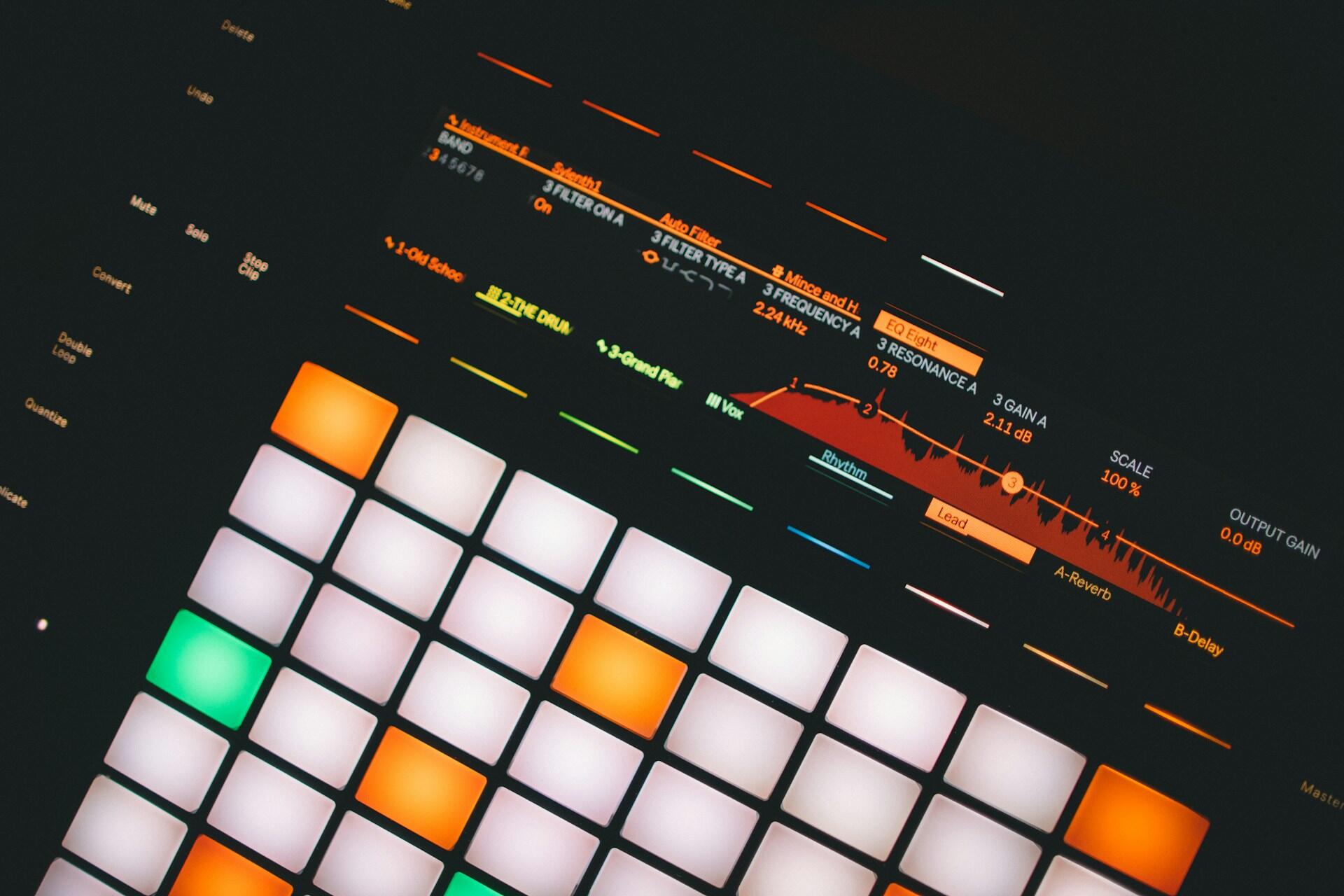
Types of Music Production Programs
Since music production covers so much, there are programs in different formats. Some prefer a full degree, whilst others may want the flexibility that short courses and industry-specific training offer. Choose the type of course that works for you, your creative interests, technical ambitions, and preferred way of studying.
Degree Programs (BA, BSc, BA Hons)
For many, a degree program is the most comprehensive way to study music production. Students can find the time and structure to develop advanced creative and technical skills. Learners will enjoy hands-on experience in professional studios, complete large-scale production projects, and work with industry-standard equipment and software. This is an excellent format if you want to fully immerse yourself in the field while being certain that this is what you'd like to do in the future.
Diploma and Certification Courses
Diplomas and shorter courses are suitable for skills-focused students. Here, you can specialise in certain types of music production. Shorter and more targeted, these are good for adult learners who want to upskill.
Online Music Production Courses
Online music productions offer the flexibility to develop professional-level skills. While they often mirror many in-person courses, many find them more convenient, cheaper, and better-paced. They're a strong alternative to the other options.
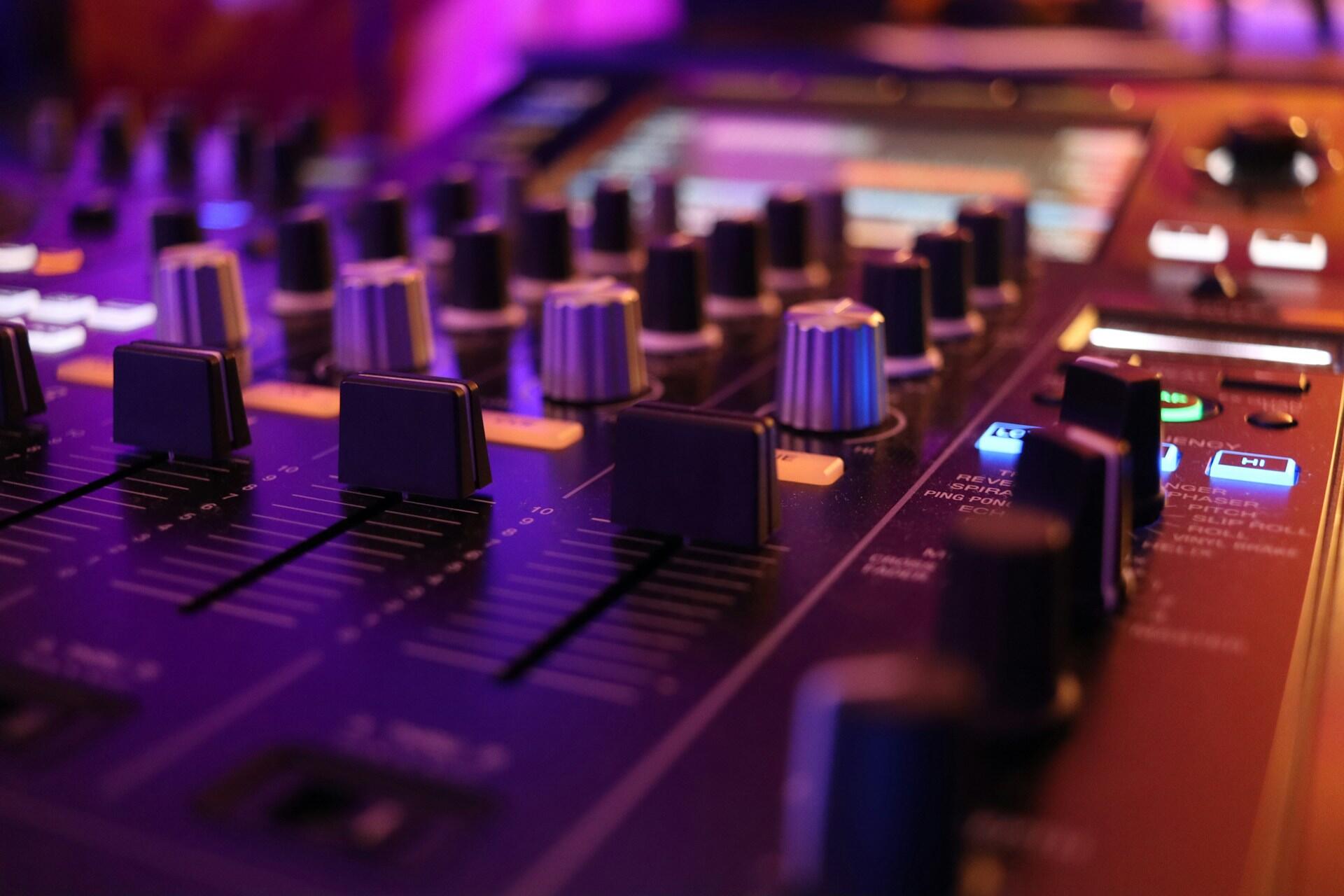
Music production programs typically combine studio-based learning with training in digital production, audio engineering, and creative project work. Most courses teach students how to use at least one industry-standard DAW such as Pro Tools, Ableton Live, or Logic Pro, and many provide access to professional studios and equipment. Entry requirements vary, but most programs require a high school diploma or equivalent, with some requesting a short portfolio or a demonstration of musical interest. These programs are designed to help learners build both the technical foundation and creative confidence needed for a career in modern music production.
Top UK Institutions Offering Music Production Degrees
The UK is home to many music schools that offer music production degrees, as well as the other course types we've outlined. You can find industry-active tutors, high-end equipment, and opportunities to collaborate with performers, producers, engineers, and songwriters. Whether you want a traditional university or a specialist modern music college, there's something for you. Here, we'll highlight just a couple of the best ones.
BIMM Music Institute
BIMM is one of the leading modern music colleges in the UK. It's famous for its hands-on, industry-driven approach. Music production degrees focus on developing technical, creative, and collaborative skills. Tutors work actively in the industry, and students benefit from masterclasses, guest lectures, and networking events. BIMM has campuses across London, Brighton, Manchester, Birmingham, and Bristol.
Institute of Contemporary Music Performance (ICMP)
ICMP is known for its strong industry links and practical learning approach. The BA (Hons) Creative Music Production degree allows students to use industry-standard equipment and software in purpose-built studios. The curriculum enables students to develop a portfolio reflective of their creative strengths. ICMP is located in London and offers excellent exposure to the UK music scene.
Best Online Music Production Programs
Increasingly popular, online music production courses offer flexible and accessible pathways for students who want to build professional skills without attending a physical campus. Learners can complete guided projects, receive tutor feedback, and work with industry-standard DAQs.
Coursera
Coursera is a popular choice for students who like the structured format of university music production training but don't want to attend a physical campus. It has courses taught in partnership with respected institutions. Learners can access clear learning pathways, high-quality video tutorials, and practical assignments. Coursera is flexible and self-paced.
Berklee Online
Berklee Online offers students access to expert instructors, structured lessons, and personalised feedback. It provides a learning experience close to that of Berklee's on-campus programs. Courses include everything from foundational music production to advanced mixing, mastering, and sound design. It's an excellent option for learners at all levels.
Choosing the Right Music Production Program
There are so many degrees, diplomas, and online options available that it can be tough to choose the right music production program. Ultimately, it comes down to you, your goals, your expected salary, and your preferred learning style. Compare facilities, staff expertise, accreditation, and career support. Factors you should consider include:
When comparing programs, it's essential to look beyond the course title and dig into what each school actually offers. Accreditation ensures you're studying at a recognised institution. At the same time, the availability of professional studios, modern equipment, and industry-standard software will directly affect your hands-on learning experience. Tutors with real industry experience can provide valuable insight and connections, and strong career support can help you transition into the workforce more smoothly. Practical considerations like cost, location, and day-to-day workload also play a significant role in choosing a program that fits your lifestyle.
Aligning Programs With Your Career Goals
Your career goals as a music producer should guide your choice of music production program. If you're interested in studio production or engineering, a degree with strong technical modules and access to fully equipped studios will be most beneficial. Students focused on electronic music, sample-based production, or beatmaking may prefer programs with modules in sound design, synthesis, and digital workflows. For those considering film, gaming, or media work, schools that offer modules in sound-for-picture or post-production will be the best fit. Thinking ahead about the roles you want and the portfolio you'll need to secure them will help you select a program that genuinely supports your ambitions.
Success Stories from Music Production Graduates
A high-quality music production program can open doors. Beyond the studio, there are roles in performance, engineering, production, touring, and sound design. Don't take our word for it; here are some of those who attended the institutions we mentioned.
From BIMM Music Institute
From the Institute of Contemporary Music Performance (ICMP)
The achievements of music production graduates highlight how the right training can create meaningful opportunities across the creative industries. Many alumni go on to work with major artists, contribute to award-winning projects, or build sustainable freelance careers by applying the skills and professional habits developed during their studies. Their career paths show that a strong portfolio, hands-on experience, and continued networking often matter just as much as the qualification itself, offering a realistic picture of how diverse and dynamic a career in music production can be.
Summarise with AI:
Did you like this article? Leave a rating!

 Loading...
