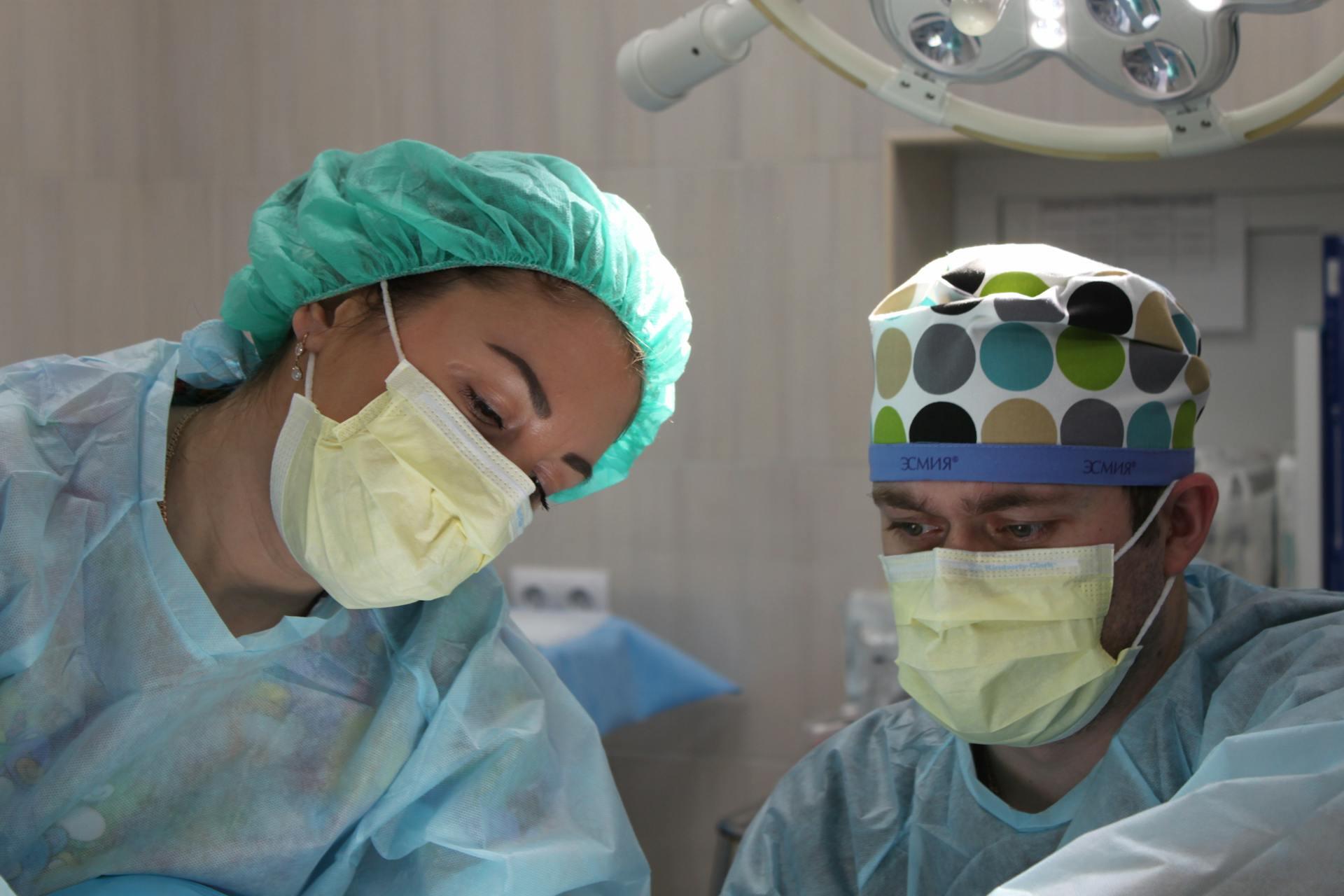

Generally when most people picture hospital nursing, they conjure up images of an A&E department with various types of nurses madly dashing between different patients and various emergencies. Neonatal, on the other hand, narrows the focus to the very start of life. Simply put, a neonatal nurse's role is exclusively centred around treating newborn babies. In the following article, we'll take a close look at what a newly qualified neonatal nurse will be expected to do on the job, what life inside a NICU is really like, and the various salaries and career routes open to neonatal nurses in the UK. Ready to start your own career in neonatal nursing? The information provided below will help you get prepared!




What Does A Neonatal Nurse Do?

Neonatal nursing is arguably one of the most specialised areas in nursing, being entirely dedicated to newborn babies in their first few weeks of life. While many babies are born healthy and can go home within a couple of days, others need extra support in order to survive and thrive.
As a neonatal nurse, you'll be expected to care for babies that are born prematurely, or for those who develop breathing problems, infections, or who otherwise need surgery. While some infants only need short-term help with things like feeding or temperature control, others will spend months in intensive care before being discharged.
Whatever the situation, neonatal nurses are there to provide constant around-the-clock care to ensure babies have the best chance of survival and long-term health.
In the UK, neonatal care is actually organised into three main levels. These units form a network across NHS hospitals, ensuring babies get the right care in the right place.
| Level of Care | Which Babies Are Treated? | Role of the Neonatal Nurse |
|---|---|---|
| Special Care Baby Unit (SCBU – Level 1) | Babies usually born after 32 weeks who may need help feeding, regulating body temperature, or overcoming mild infections | Monitor breathing and vital signs, provide feeding support, administer simple treatments, and prepare families for discharg |
| Local Neonatal Unit (LNU – Level 2) | abies born between 27–31 weeks or those who need short-term ventilation or nutritional support | Manage CPAP or high-flow oxygen, deliver parenteral nutrition, stabilise babies, and provide family guidance during admission |
| Neonatal Intensive Care Unit (NICU – Level 3 | Extremely premature babies (before 28 weeks) or those with life threatening complications or surgical needs | Deliver advanced respiratory and cardiovascular support, insert and monitor lines, work closely with neonatologists, and provide long term care |
How To Become a Neonatal Nurse
As it's so specialised, neonatal nursing isn't something you can just step into straight away. Like all nursing specialisms (mental health nursing, pediatric, etc), you'll need to get your qualification, professional registration, and some on-the-job experience before you can start working in private hospitals or through the NHS. But don't worry, in this section, we'll outline every step required to officially start your career as a neonatal nurse.
Yes, there are a few things you'll need to be able to study nursing. Firstly, you'll need to have at least 5 GCSEs at grade 4/C or above, including English, maths, and a science subject. Level 3 qualifications ,ranging from A-levels, BTECS, or T Levels in Health and Science, are also a requirement. Lastly, UCAS points requirements vary by university, but most courses ask for the equivalent of 112 to 128 UCAS points too
Step 1: Complete an NMC-Approved Nursing Degree

To enter into neonatal nursing, completing an NMC-approved nursing degree is non-negotiable. Essentially, this is a 3-year course which offered by plenty of universities across the UK.
You can choose either an adult nursing or pediatric nursing degree (there are 4 main fields in nursing), each of which will allow you to get your professional registration once finished. During your time spent studying, you'll split your time between university learning and clinical placements arranged through the NHS.
In 2025, tuition fees for a nursing degree (adults or children's) will likely set you back around £9,535 a year. However, international students have to pay even more, unfortunately, between £14,000 to £17,000 a year, depending on the university.
Step 2: Alternatively, Take the Apprenticeship Route
If you don't fancy studying full-time, you can also train through a Registered Nurse Degree Apprenticeship (RNDA). Instead of spending three years at uni, you'll be employed by an NHS trust and earn a salary while studying part-time. The RNDA pathway is open across different branches, including medical nursing and paediatrics

The downside to this is that it takes a little longer for students to earn their qualifications - around 4 years on average. However, your training will also be fully funded by your employer, saving you from paying those expensive university tuition fees.
Step 3: Register with the Nursing and Midwifery Council (NMC)

Finishing your degree is a huge milestone, but before you can officially work as a nurse, you'll have to join the Nursing and Midwifery Council register. Basically, the NMC is the professional body associated with regulating nurses and midwives across the country.
Fortunately, applying to the NMC register is fairly easy. Here are the steps:
- Your university will confirm you've completed your qualification directly to the NMC; no need to send in any confirmation yourself
- From here, you can then complete an online account with the NMC and fill out the registration form
- Pay the initial registration fee (currently £120 as of writing)
- Provide a health and character declaration, which should include a reference from your uni confirming your fitness to practice
- Agree to the NMC code of conduct
- Once approved, you'll then be issued your very own NMC PIN number, which confirms your license to practice. Keep this safe!
All nurses need to revalidate with the NMC every three years, showing proof that they've done at least 35 hours of continuing professional development (CPD) either through workshops or relevant courses
Step 4: Search for a Neonatal Post
Don't worry if you're feeling nervous - most NHS trusts happily recruit new nurses directly into neonatal units. These entry-level posts typically start at Band 5 and come with a structured preceptorship programme where a senior nurse will support you during your first year.
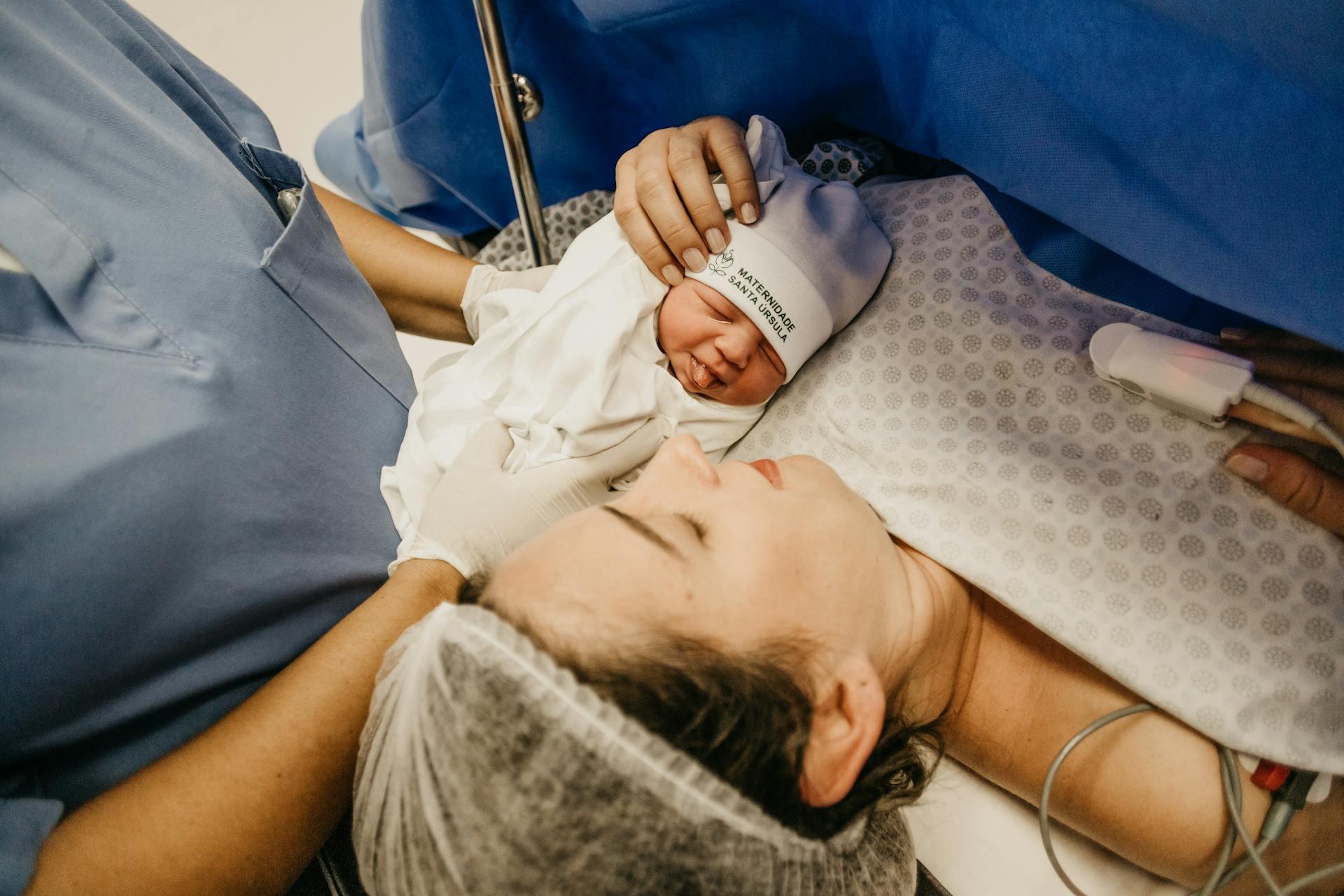
Most neonatal nurse roles are advertised on the NHS Jobs website, where all Trusts post their vacancies. Likewise, hospitals also list openings on their own careers pages, and specialist sites like Nursing Times Jobs tend to be useful for more senior posts
Step 5: Complete Your QIS Training

All Neonatal Nurses are expected to complete what's known as Qualified in Speciality (QIS) Training. This training is a requirement and is designed to teach you everything you need to know to care for sick and premature babies safely.
More often than not, most nurses start QIS within their first 12 months at their new post. Successfully completing it will show you're competent enough to take full responsibility on the ward and also open the doors for moving into a Band 6 position as well.
The types of training you'll undertake during this time will look like:
Neonatal Nurse Salary in the UK
Neonatal nurses are paid under the NHS Agenda for Change pay scales. These pay scales can be applied to any nurse in the NHS, including Band 2 healthcare assistants, all the way up to Band 9 nurse directors (the highest level there is).

Your starting point and future salary are linked to your band, too and also reflect your level of responsibility, training, and overall seniority within the NHS workforce. Take a minute to check out the table below if you want more info on this. On average, those in advanced practice nursing earn the highest wages.
| Role | NHS Band | Salary (2025/26) | What It Involves |
|---|---|---|---|
| Staff Nurse (Newly Qualified) | Band 5 | £31,049 – £37,796 | Entry-level neonatal post, preceptorship; supervised skill development. |
| QIS Neonatal Nurse | Band 6 | £38,682 – £46,580 | Qualified in Specialty, independent practice across SCBU/LNU/NICU; mentors junior staff |
| Senior Neonatal Nurse / Ward Sister | Band 7 | £47,810 – £54,710 | Shift leadership, staffing and care coordination, advanced clinical input |
| Advanced Neonatal Nurse Practitioner (ANNP) | Band 8a | £56,164 – £65,262 | Master’s trained, assesses, diagnoses, prescribes, performs advanced procedures (e.g., intubation). |
| Lead Nurse / Consultant Nurse | Band 8b+ | £67,594+ | Senior leadership, service development, policy, research and education at Trust/regional level |
What Are Career Prospects like for Neonatal Nurses Practicing in the UK?
Neonatal remains a field where demand is consistently high all year round. On a yearly basis, up to a staggering 60,000 babies are born prematurely in the UK, and thousands more require specialist hospital care to overcome various breathing conditions, congenital issues, and other serious health issues. Due to this, there are always plenty of opportunities for nurses who want to specialise in neonatal care.
Did you know that premature births account for around 7 to 8 percent of all deliveries in the UK? Fortunately, due to the efforts of neonatal teams, survival rates for extremely premature babies have improved dramatically over the last two decades. And as more and more babies survive, neonatal units also need more and more nurses to provide care for them
The Challenges of Neonatal Nursing

Working in neonatal care can be one of the most meaningful paths in nursing, but by no means is it easy. Many of the babies in your care will be fragile and prone to sudden dips in health, which can be incredibly distressing to witness firsthand.
As a result, nurses working in this type of department need to strike a balance between being compassionate and strong enough to act quickly when things do take a turn for the worse.
Emotional Demands
Looking after sick or premature babies takes its toll. Sadly, not every baby makes it home, and nurses are often there to guide families through these awful and distressing moments
Physical and Mental Pressure
Shifts on neonatal wards can be extremely long, up to 12 hours, and include nights and weekends. What's more, shifts can be fast-paced and stressful, leaving nurses with little time to switch off
Staffing and Workload
Many NHS neonatal units are understaffed, meaning the nurses on hand have to juggle more babies at once, relying on teamwork to keep standards high
Summarise with AI:
Did you like this article? Leave a rating!

 Loading...