


"Be the nurse you would want as a patient.”
-Unknown
Do you love animals? Do you want to spend your working life helping animals? If so, you are wise to consider a career that contributes to the well-being of pets.
While becoming a veterinarian takes many years, there is the option of working as a veterinary nurse. Vet nurses are indispensable healthcare workers that assist veterinarians to complete their work tasks.
But, you might be wondering, how do I become a veterinary nurse in the UK? Without further delay, in today's article, we'll discuss how persons in the United Kingdom can work towards becoming certified as vet nurses.
Here is where you can find qualified and talented nursing tutor near me in the United-Kingdom



What Are the Job Responsibilities of a Veterinary Nurse?

While veterinarians love animals too, vet nurses truly ADORE animals. Why's that? Well, the main difference is that veterinarians have massive salaries and vet nurses do not. Therefore, certain vets might be influenced by the large paycheck whereas vet technicians are truly involved in the welfare of the animals.
But, what do vet nurses do daily? What are their employment responsibilities? The following list covers the primary work tasks of vet nurses:
- Providing drugs, anaesthetics and injections to the pets under their care,
- Preparing animals for surgery by calming them down,
- Being present during operations to hold and monitor animals,
- Helping vets before and after surgical procedures by sterilising and laying out surgical equipment,
- Cleaning up for the veterinarian after surgery,
- Processing and going over diagnostic tests,
- Prepping and sending off laboratory samples,
- Being ready to take x-rays for animals when needed,
- Providing food, taking animals for walks, grooming pets,
- Talking to and advising owners about caring for and breeding animals,
- Writing and filling out reports about the animals so that the vet knows what is going on.
To make a long story short, vets are the eyes and ears of veterinary clinics. The daily tasks of a vet nurse might change depending on the employer or place where they are working.
The most common employers of vet nurses are animal centres or hospitals, private veterinarian practices, zoos, or government organisations.
Even if some work tasks aren't the most thrilling, what keeps vet nurses going is their uninterrupted love for animals. So, if the multiple work responsibilities of vet nurses haven't distracted you and if you still want pets as your "coworkers", becoming a veterinary technician is the right career for you.
What is the Average Salary of Vet Technicians in the United Kingdom?
Before starting your studies to become a vet technician, it's always a good idea to know how much money you'll be able to earn per year.
Being aware of the yearly salary is one of the best ways to prepare for your life as a vet nurse.
So, how much do vet nurses make in the UK? The average annual income of veterinary technicians depends on the following conditions:
- The location (city or town),
- The years of experience a vet nurse has,
- The previous qualifications acquired,
- The type of position accepted (part-time or full-time),
- The specific expertise required by the employer.
For instance, London-based vet nurses that have years of experience and specific qualifications can expect to make more money per year than entry-level vet technicians in cities such as Wolverhampton or Stoke-on-Trent.
Nonetheless, the average salary of most veterinary nurses in the UK is between £17,800 and £38,600 per year. Entry-level vet nurses can expect to make approximately £18,000 per year; however, this quickly grows.
What Are the Steps Required to Become a Vet Nurse?

Have you considered the pros and cons of working as a vet nurse? Are you ready to dedicate time to studying to receive a certificate in vet nursing? If so, congratulations since you are about to embark on a rewarding career!
But, what are the steps required to become a qualified vet nurse in the UK? Let's consider three unique ways interested ones can become vet nurses.
Completing a College Degree
One of the best and most popular ways to become qualified to work as a veterinarian nurse is through a college course from a trusted vocational school.
College students receive a Level 3 Diploma in veterinary nursing that is approved by the Royal College of Veterinary Surgeons.
The requirements for studying college courses in vet nurses are generally five GCSEs, including English, science and maths, with grades of between 9 and 4 (A* to C).
Completing a University Degree
Another way that vet nurses become qualified is by attending a university and completing a degree that is in vet nursing or something similar. It's worth stating that a veterinary nursing certificate in the UK doesn't take three years since it's not a Bachelor's degree but rather two-thirds of one.
Any relevant vet nursing program studied at a university level must be accredited by the Royal College of Veterinary Surgeons (RCVS).
To be eligible for a university degree in vet nursing, outstanding grades are required at an A-Level and GCSE stage in secondary school.
Completing an Apprenticeship
Some vet nurses learn the entirety of their skills on the job while working under veterinarians in the United Kingdom. Becoming qualified through an "internship" or "apprenticeship" is a brilliant way to learn the fundamentals of veterinary nursing if you haven't had the chance to attend further education programs at a university or college.
Aspiring vet nurses who have taken an apprenticeship with a nurse may come to fruition by accepting a job as a receptionist at a vet clinic and going from there. It's essential to consult with a veterinarian to see whether or not they wish to train you as a vet nurse. Also, before starting an apprenticeship in vet nursing, it's essential to have four or five GCSEs, including one of the sciences, English and maths, with grades of 9 to 4 or A* to C.
The apprenticeship way of becoming a vet nurse may take many years but gradually the experience level and the annual income will rise.
The previously mentioned ways have various steps and hoops to go through; however, in the end, a career working with animals is guaranteed!
Are There Any Tips for Successfully Working as a Vet Nurse?
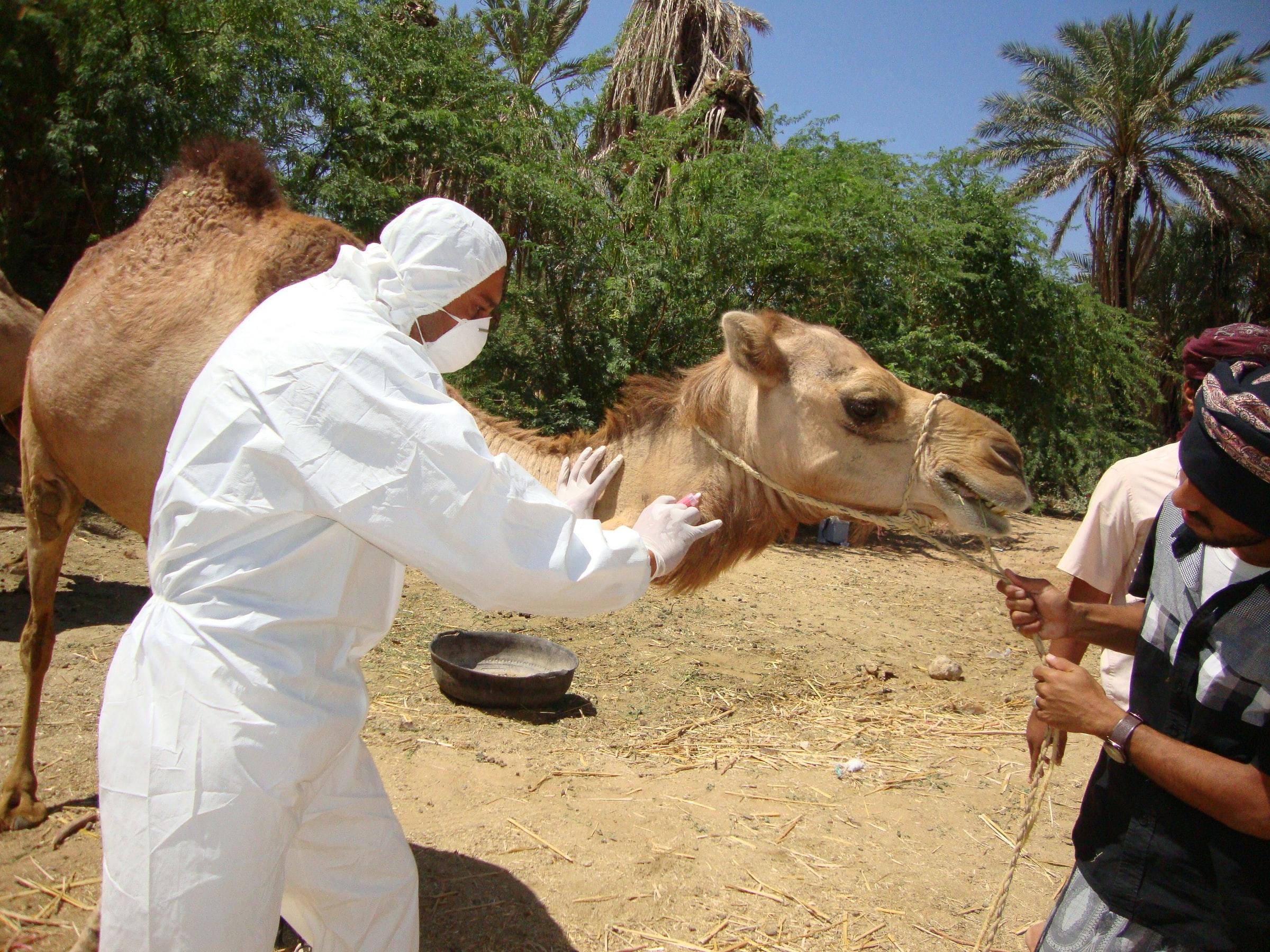
Vet nurses are qualified individuals who have received training from further education centres. While vet nurse students receive plenty of valuable information while studying for their certification, there are some tips and tricks for success that are only received or acquired after practice.
Let's take a look at three ways that new veterinary nurses can continue their learning experience and see how to become successful in their careers.
Hone Specific Skills
Reviewing to become a vet nurse usually equips persons with technical knowledge; however, sometimes certain abilities or skills are neglected. Such as? For instance, to be a successful vet technician, you might want to try improving or working on the following skills:
- Communication: being a vet nurse requires a lot of communication with the owners of pets and with the veterinarian. Many phone calls are answered that require appointment bookings and provide individuals with the information they need to care for their pets. Therefore, without being a good communicator, you will struggle to complete essential job responsibilities.
- Empathy: the best vet technicians know how to respond to pet owners in a calm and caring manner. Also, vet nurses need to be able to understand persons from all walks of life and help them to get through difficult emotions that they may be feeling concerning their pets. Empathetic vet nurses are great for business.
While there are plenty of other abilities that are worth learning, the previously mentioned ones will set you on the right path!
Ask for Advice
In the beginning, you don't know everything there is to learn about vet nursing; therefore, be humble and ask questions. By seeking the advice of others, you'll expand your understanding and advance more quickly.
We highly recommend asking veterinarians and other trusted experts in your field for suggestions on how you can improve.
Never Stop Learning
While asking for advice is a great way to continue your learning process as a vet nurse, it's highly recommended to stay up to date with the most modern techniques by reading blog posts, taking a look at textbooks, and watching YouTube videos from trusted ones in the sector of veterinarian science.
In conclusion, becoming a veterinary technician is a perfect career for people in the UK who love animals and want to dedicate a career to helping them.
Summarise with AI:
Did you like this article? Leave a rating!

 Loading...
