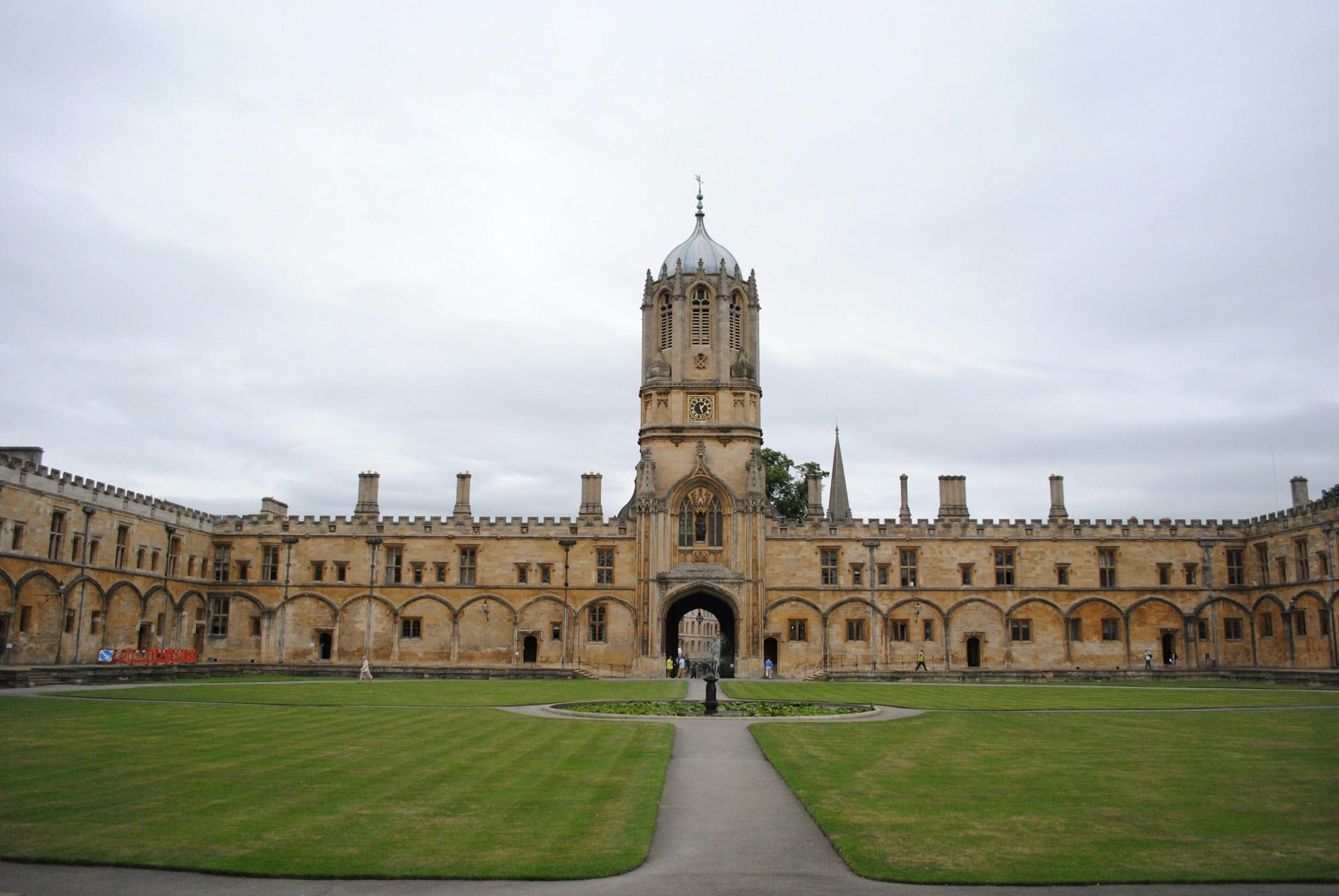

[Oxford] inculcated a reverence for what is ancient and free and great.
William Gladstone
This British statesman voiced one of the reasons so many students submit their Oxford University application. They too wish to imbue themselves with educational excellence, and continue the traditions learnt in those great halls. However, admission to this university isn't only about what grades do you need to get into Oxford.
and description
These venerable halls of learning cannot accommodate every student. They must select their candidates carefully to ensure the greatest accessibility. This suggests that top marks aren't the only admissions criteria those officials consider. This article details Oxford admissions statistics, which criteria matter, and how applicants can best position themselves for consideration.
📃How to Get Into Oxford University
- study admission statistics
- determine whether your educational background makes you a qualified candidate
- ensure you meet the application criteria
- follow application best practices to maximise your chance at success


What Grades Do You Need to Get Into Oxford?
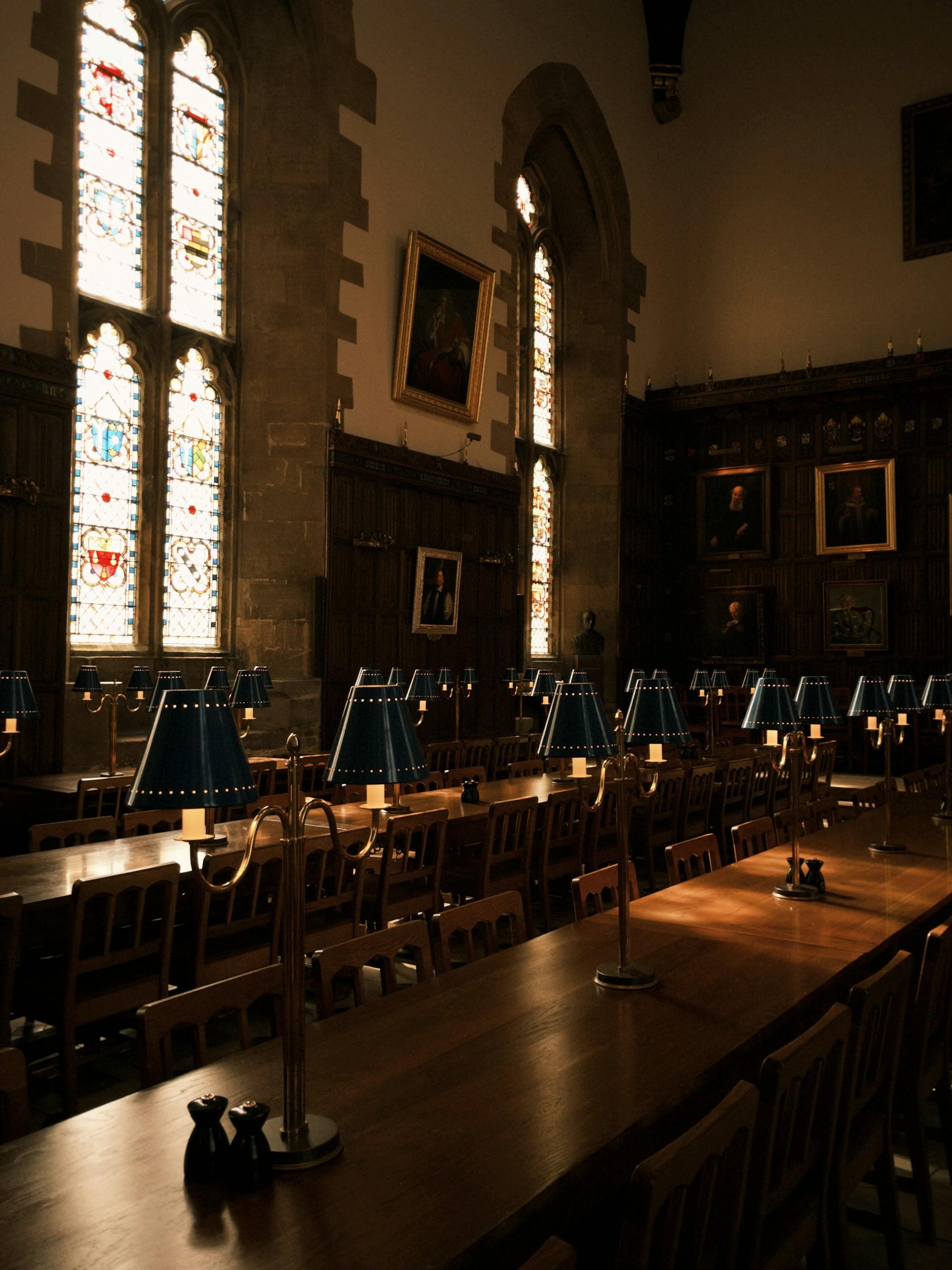
As noted in this article's introduction, the question isn't how many UCAS points to get into Oxford. This prime university welcomes many types of students, from within the UK as well as abroad.
Furthermore, the 'what grades do you need' question doesn't consider which study tier students aim for. Undergraduate entry relies more on grades, while graduate-level applicants must focus on skills presentation.
The numbers below come from the Oxford University Annual Admissions Statistical Report, seventh edition. They give us a glimpse into 2023 admissions data, but those numbers only tell us how competitive Oxford entry must be.
📄Undergrad application stats 2023
- Applicants: more than 23 000
- Open places: 3 300
🎓Graduate application statistics 2023
- Applicants: around 38 000
- Open places: 5 500
Those figures cannot give us a complete picture of Oxford admission, though. For that, we need to compare year-on-year data, as this chart does.
👨🎓UK Undergraduate Admissions, 2019-2023
| 📊Statistic | 📆2019 data | ⏲2023 data |
|---|---|---|
| ⬆ State school applicant entry | 62.3% | 67.6% |
| ⬆ Black and Minority Ethnic (BME) entry | 22% | 28.8% |
| ⬆ Socio-economically disadvantaged entry | 12.2% | 14.4% |
| ⬇ Low progression/higher education entry | 14%. | 13.3% |
| ⬆ Students with disabilities entry | 9.5% | 19% |
| ⬇ Female student entry | 54.3% | 52.2% |
These numbers bring Oxford admissions criteria into sharper focus, but they still don't tell us anything about the grades you need. On that point, Oxford hedges the question. Their admissions documents emphasise that grade expectations are subject-specific.
Your A-Level subjects must relate to your chosen course of undergraduate study.
In many cases, AAA in subject-related A-Levels is a start towards consideration for admission. The best universities in the UK follow the same principle. The more technical or specialised the degree plan, the better/higher A-Level results must be. Compare these three subjects for an idea of Oxford's A-Level expectations.
🕴Human Science
- Grade profile: AAA
- Mandatory: none
- Recommended: none
- Desirable: Biology and Maths
🌍Earth Sciences
- Grade profile: A*AA/AAAA
- Mandatory: Maths, Chemistry and/or Physics
- Recommended: Biology, Geology
- Desirable: Further Maths
👷♀️Engineering Science
- Grade profile: A*A*A
- Mandatory: Maths and Physics
- Recommended: Maths Mechanics modules
- Desirable: Further Maths
You'll note that grade profiles merit the least consideration. You can earn a A*A*A but, without the required subjects, Oxford will reject your application. One might argue that Oxford admissions teams focus on your demonstrated dedication to your subject.
Grades are a secondary consideration, after the subjects you earned them in.
How to Get Into Oxford Based on Educational Background
Most Oxford applicants are sitting - or have recently sat, A-Levels. However, Oxford reserves a portion of their available slots for students from diverse educational backgrounds.
Those include the other UK countries, as well as transfer students, mature learners, and applicants from other countries. We now explore those candidates' application criteria.
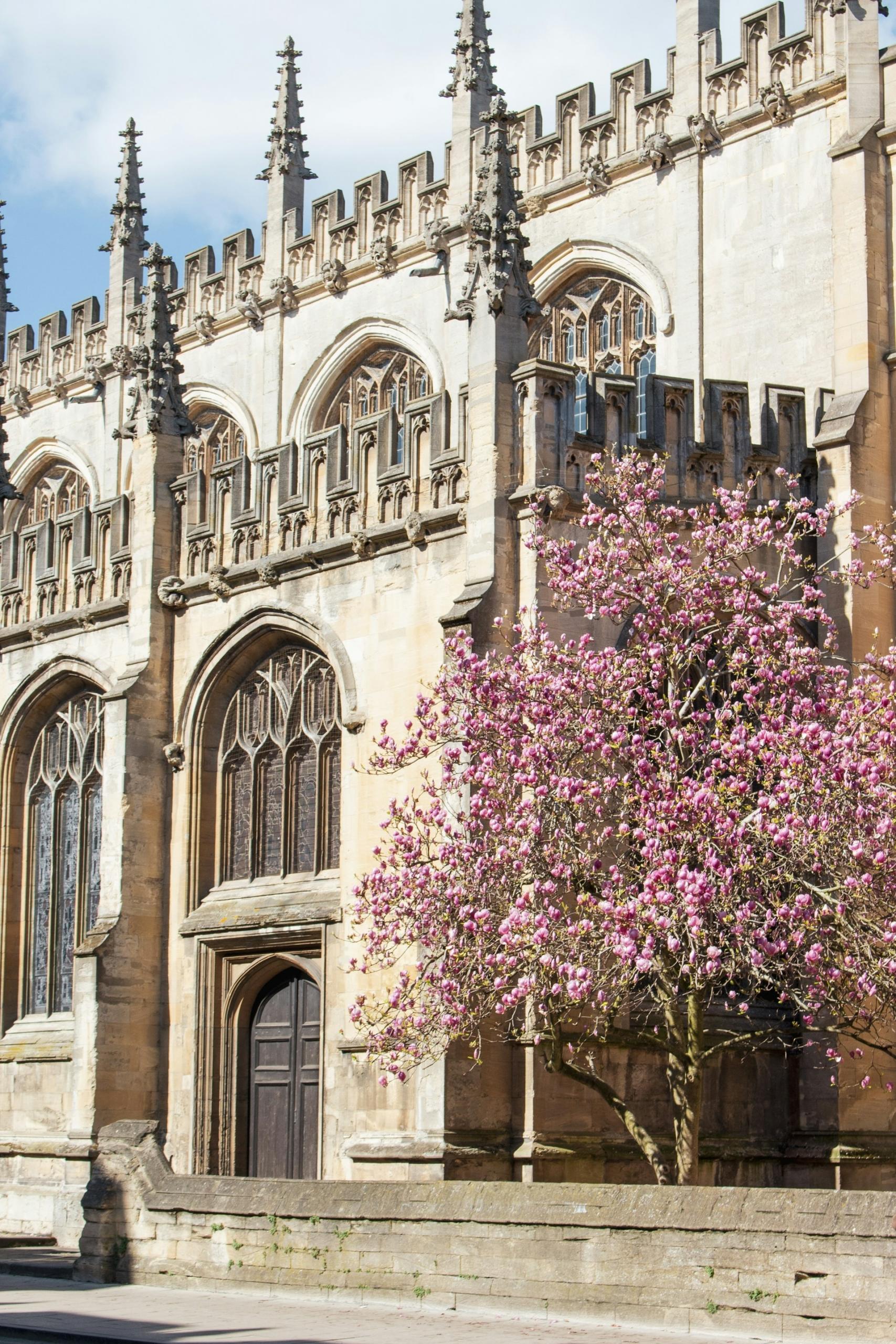
🚌Students Transferring to Oxford
Any transfer student must begin their undergraduate study program anew. This university does not accept transfers in the typical sense; learning and credits from your current university will not apply.
Unlike other degree plans, you may not transfer to Oxford's School of Medicine and restart your program.
Oxford only considers transfers in exceptional cases. The admissions body considers every transfer request on a case-by-case basis. This university does not provide any examples of what they might consider suitable reasons for transferring. You must present your reasons for transferring on your application; the admissions board recommends being as explicit as possible when stating your reasons.
🌐International Oxford Candidates
International students form the largest applicant/student group, after A-Level candidates. To qualify for consideration, students from abroad must have at least 38 points on their International Baccalaureate (IB).
Oxford will not consider applications from students on the IB Career-related Program track.
Oxford's IB consideration depends on students' course selections, and core points (minimum 6s and 7s) in higher-level subjects. These learners must further prove their English language abilities, with a minimum Band 7 IELTS score.
🧓Mature Learner Oxford Entry
Mature learners are those whose last stint in formal education is a few years behind them. That means their qualifications may reflect an obsolete grading system, or they studied subjects that don't feature in today's curricula.
The Oxford admissions team will consider such applications on a case-by-case basis. Furthermore, Oxford offers these learners their 'senior programme', which permits them to start in their second study year.
🎓United Kingdom Countries: Oxford Entry Specifications
We present these three countries' admissions requirements side by side. That makes it easy to compare them, and to assure yourself of Oxford admissions' fairness in assigning places.
🐑Welsh Qualifications
- Expected grade range A*A*A to AAA
- Subject-specific study
- Advanced Skills Challenge Certificate as a standalone qualification
🐎Scottish Qualifications
- AAAAA/AAAAB on Scottish Highers
- PLUS two Advanced Highers OR AAB, all in Advanced Highers
- YASS modules as extra qualifications
🐇Northern Irish Qualifications
- same qualifications as England
- grade range A*A*A to AAA
- subject-specific study
Oxford places students in all available slots from the current applicant roster. This university does not participate in UCAS Clearing.
Likewise, getting into Cambridge University excludes Clearing course selections. For both of these premium institutions, applicants must decide on their choice of schools when they apply at UCAS.
How to Get Into Oxford University: The Exemplary Application
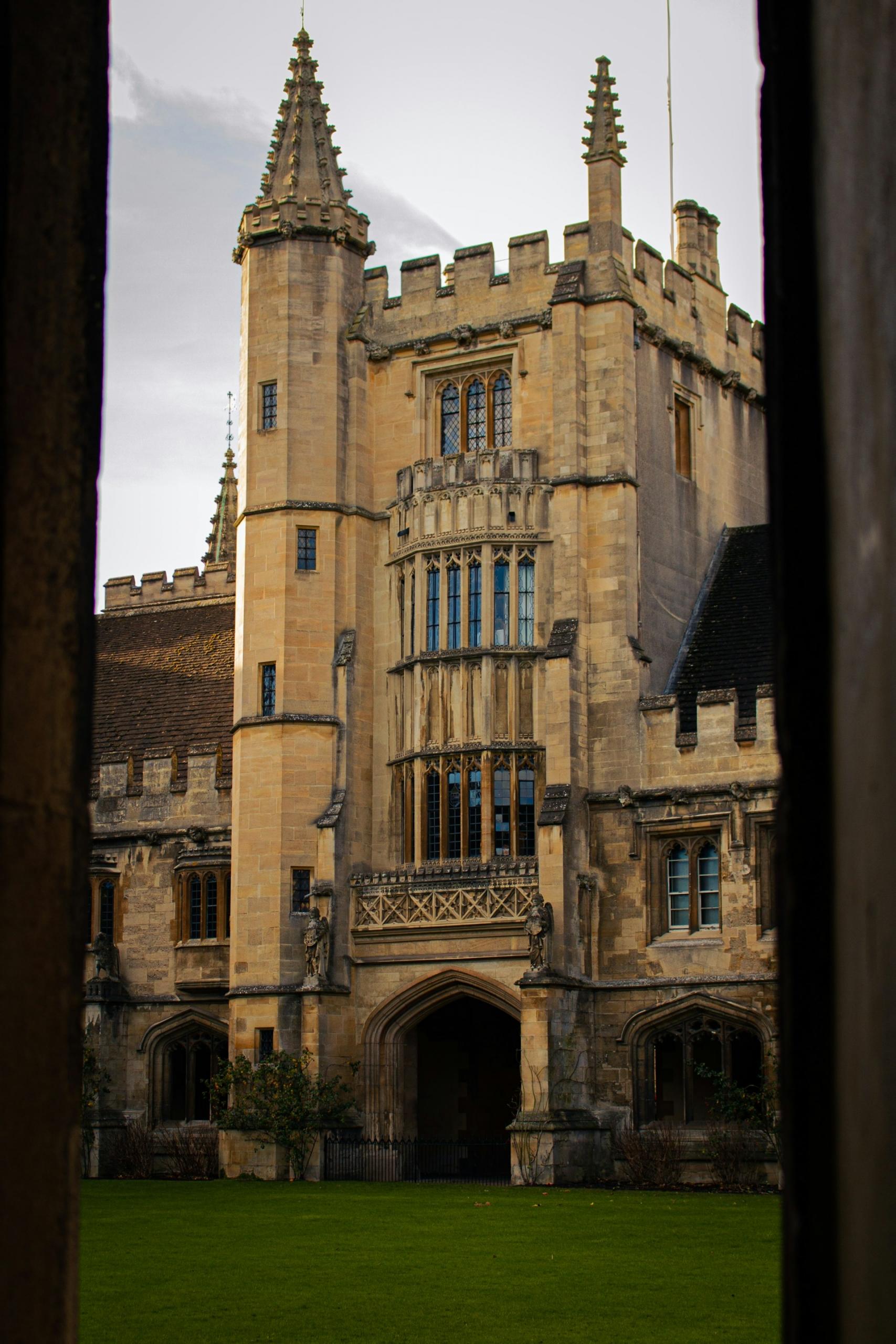
So far, we've covered Oxford admissions statistics and requirements. We concede that this university's admissions standards are a bit more stringent than admissions to KCL and UCL.
That notorious pair of London-area schools enrols more students than Oxford, too. With the information given so far, you can determine whether you qualify for application to Oxford.
If so - and if that's your aim, it's time to start the paperwork. You might guess from the criteria you read so far that your application must hit all the right notes. Otherwise, the Oxford admissions office will reject it.
Check the Oxford course catalogue. You must make sure that you meet all of Oxford's course-specific requirements for application.
Once you're certain your educational profile meets Oxford's requirements, you must decide what type of application to make. You may pursue an Open application via UCAS, or select an Oxford college to apply to. You can explore Oxford colleges by visiting the university's website.
Timing is crucial to the Oxford application process. Any missed target date will result in your application's rejection. This timeline shows every step's deadlines for your planned 2025 entry.
June 2024
UCAS application
Choose course and college (or open application), gather documentation, write personal statement
August 2024
Confirm your test(s)
Register for tests starting August 15; deadline October 4
mid-September 2024
Check for written work
if needed for your course
mid-October 2024
UCAS application deadline
21-31 October
Take test(s)
December 2024
Interviews
if Shortlisted
January 2025
Decisions
How Hard Is It to Get Into Oxford?
By now, we must have convinced you that admission isn't only about how many UCAS points to get into Oxford. This university considers your entire academic career when evaluating your application.
Unlike getting into LSE - the London School of Economics, which is more like the standard university entry experience, Oxford entry is more exacting. Still, it's not hard to get into Oxford, if you follow the proper steps.

You won't simply register with UCAS and make your school and course selections. As Oxford does not use Clearing, you must decide firmly. And, your application package must compel.
That bundle includes your completed application and well-organised academic references. You have little flexibility over those documents' contents. By contrast, your personal statement gives you space to present yourself, your academic experience, and future goals.
As with other Oxford admissions aspects, your personal statement must be subject-oriented. It should detail your dedication to the subject, and the work you've done, including studies and extracurriculars. You may include podcasts you listen to and extra reading you've done, so long as they relate to your subject.
Your Oxford personal statement should reflect your personal qualities as they apply to academics. Your writing should demonstrate your ability to think about your subject independently and critically.
It must also show initiative. For instance, in how you pursue your subject (extra reading, working in your field, and being open to new experiences.) Use this breakdown to frame your personal statement to Oxford's standards.
✅Do this
- stay subject-specific
- communicate clearly
- give evidence
- give enough details to support your points
- be honest
- be assertive
❌Don't do this
- be vague/non-specific
- use clichés
- use trigger words (my passion, amazing...)
- come across as weak or laid back
- fail to proofread
Summarise with AI:
Enjoyed this article? Leave a rating!

 Loading...