UK Parliament has two chambers, making it bicameral. The people we elect to represent us staff the House of Commons. The King appoints people to the House of Lords, on the recommendation of the Prime Minister. This is the most obvious difference; this article goes deeper into our Parliament's structures, and the functions of the people serving there.


UK Parliament Key Terms and Concepts
When people ask what type of democracy guides our country, the answer is often "a bewildering one!". Making sense of the branches of government, their duties and responsibilities, and their functions, can be confusing.

Before we dive into more detail on the UK parliament, we present a chart of key terms, what they mean, and their function in our democracy.
| 💡Term | 👨🎓Definition | 🏫Functions |
|---|---|---|
| Parliament | The gathering of two sets of representatives | Oversee government Act on behalf of the citizenry |
| House of Commons | The chamber where elected representatives serve. | Representing constituents' interests Debating and proposing laws. |
| House of Lords | The chamber where appointed representatives serve. | Review, debate, and amend proposed laws. Recommend changes to unsuitable laws. Conduct inquiries |
| MP | Member of Parliament Anyone elected to the House of Commons | Represent constituents' interests. |
| Direct democracy | The citizens expressing themselves, not through representatives. | Referendums, elections |
| HM's Government | The Prime Minister and their cabinet | Managing the country's affairs Setting / implementing agenda Set taxes Decide how to spend public money |
| Prime Minister | The leader of the House of Commons' dominant political party. | Leads HM's government Sets the agenda Coordinates with cabinet members |
| Cabinet members | The people the Prime Minister appoints to head up various government departments | Manage a specific area of government concern Education, taxation, healthcare, security, energy and so on. |
| The constitution | The document that establishes the UK as a political body. | Represents principles and statutes of governance |
| The monarchy | The sitting king or queen. | To embody the state. To fulfil ceremonial roles. To act as ambassador, vis-a-vis other heads of state. |
| The opposition | The political party that opposes the dominant party in the House of Commons. | Serve as a brake on the party in power. |
UK Parliament Overview
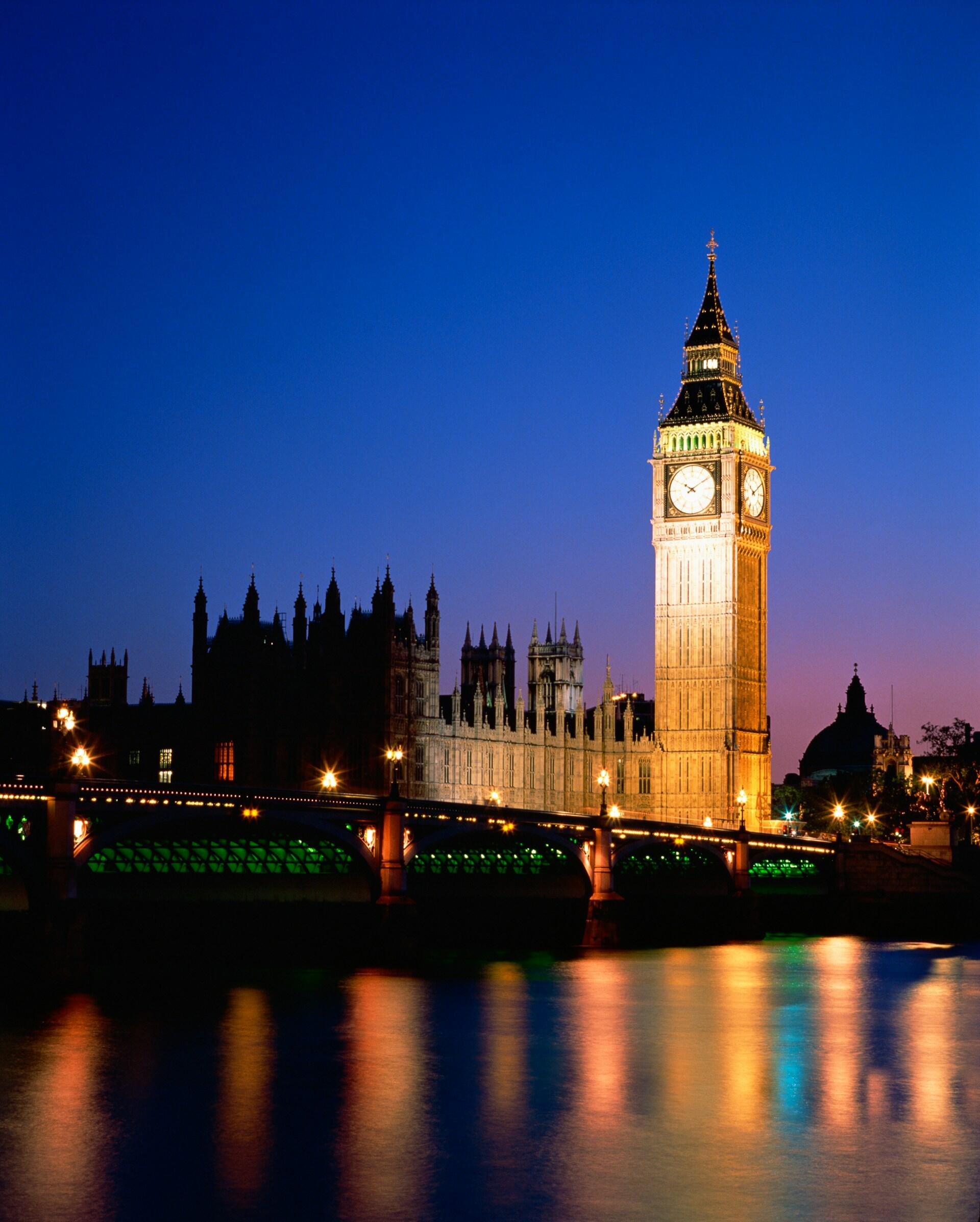
At first glance, our country's government is a behemoth. It consists of nested spheres of power, each with its own set of guidelines, responsibilities and duties. Of them, the UK Parliament claims the lion's share of attention.
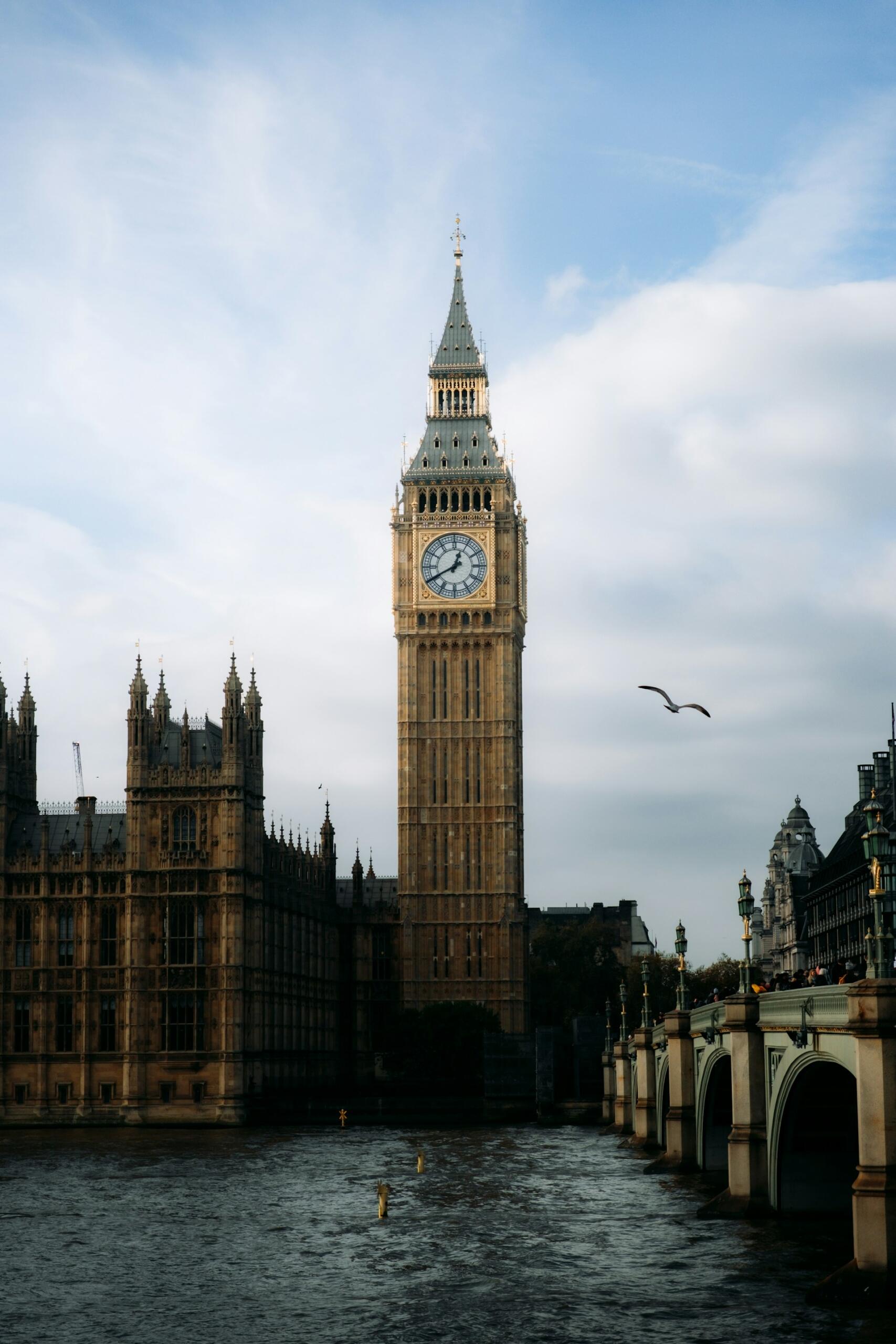
Its offices are instantly recognisable. People the world over associate the Palace of Westminster with the UK government.
This former royal residence underwent substantial reconstruction to accommodate governance operations.
More than 1,100 rooms
Two debating chambers
100 staircases
4.8 km of passageways
The robing room, royals' gallery and members' lobby are all points of interest. But, all the action takes place in the debate chambers. Those rooms form the hub for the Houses' precincts.
Precincts of the House of Lords
- Central lobby
- Peers' lobby
- Lords' chamber
Precincts of the House of Commons
- Members' lobby
- Commons chamber
The more grandiose Lords' accommodations affords them the chance to debate matters off the record. By contrast, the House of Commons has no pre-chamber lobby. For this end of Parliament, the members' lobby serves the same function as the peers' lobby.
No government structure in Great Britain includes a UK senate.
Architectural details and room functions aside, what matters is what goes on in the halls of Parliament. Lords and Members of Parliament (MPs) have specific duties to attend to, and roles to fill.
The Role of the House of Lords
This is the upper house in Parliament. Many of its duties mirror, or overlap, those of the lower house. Members of this House examine and debate proposed legislation.

They may suggest amending a bill, or reject it altogether. Though they may not prevent a bill from eventually becoming law, they may delay its passage for up to one year.
The House of Lords plays a major role in holding the UK government to account. It revises and reports on public policy, and leads enquiries into government actions, when needed.
In practically every other UK government branch, political parties shape government agendas. The House of Lords is the exception. Appointments to this House do not depend on party affiliation, nor are votes expected along party lines.
What Is House of Commons UK?
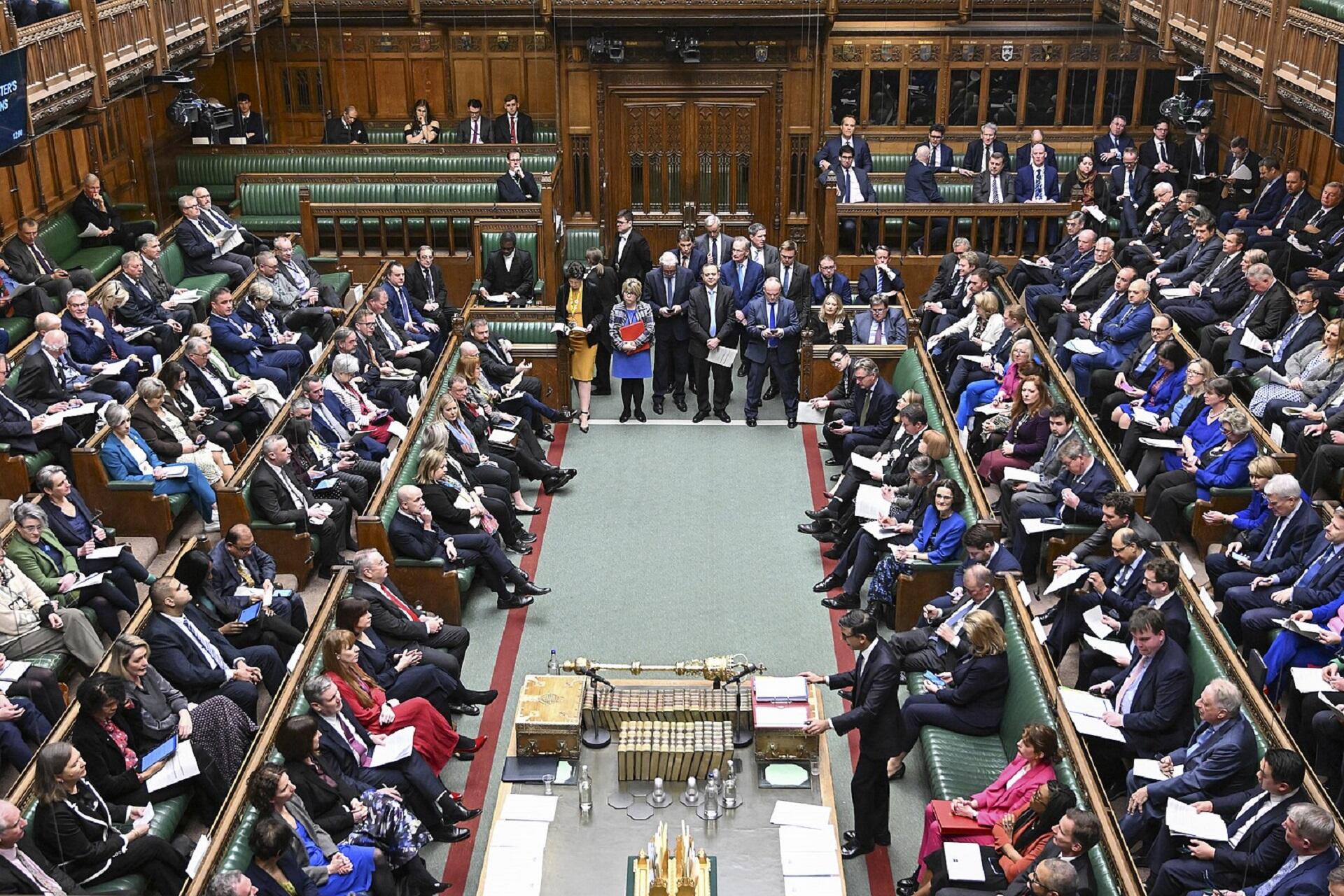
As noted above, the houses share - or, better said, complement each other's duties. So, they too examine and debate legislation. They may even draft legislation for consideration in the upper chamber.
Legislative activity in the Commons is protected by the Parliament Acts of 1911 and 1949, which grants certain motions royal assent. That means any bill, particularly those dealing with public funding, need no consideration from the Lords to pass into law.
The Prime Minister is answerable to the House of Commons.
The Prime Minister only serves in that role as long as they retain the MPs' confidence.
In many ways, the House of Commons is more powerful than the Lords, particularly where spending is concerned. To wit, the Lords may not delay a spending bill by more than one month. Also, MPs are voted into office, thus, they're direct representatives of their constituents' will.
What's the Difference Between House of Commons and House of Lords?
We could go on, narrating the Houses of Parliament, and how they differ. But, after the clip above, you'll likely get a better idea of these Houses' differences with a side-by-side comparison.
The House of Lords
- number of seats undefined
- 834 members (currently)
- appointed to their seat
- lifetime appointment
- no annual salary
- identified as peers
The House of Commons
- number of seats defined
- 650 members
- voted into office
- up to a five-year term
- £91 346/year base annual salary
- identified as MPs
How Many Members of Parliament Are There?
Counting members of Parliament depends on how you define the term. If we accept the narrowest definition, the number of MPs, that limits Parliament member numbers to 650. Recall that we designate only members of the House of Commons as MPs.
However, peers in the House of Lords are also members of Parliament, albeit unsalaried ones. Adding their number (currently 834) to the 650 MPs gives us a total of 1,484 people serving in Parliament.
Of all the bicameral legislative bodies in the world, the UK House of Lords is the only upper house whose members outnumber those in the lower house.
Nearly 1 500 people filling both chambers of Parliament need a lot of support staff. In December 2022, the last year we have numbers for, the House of Commons staff alone numbered 3,108. Under no circumstances are they considered members of Parliament.
Parliamentary Government UK: What to Know
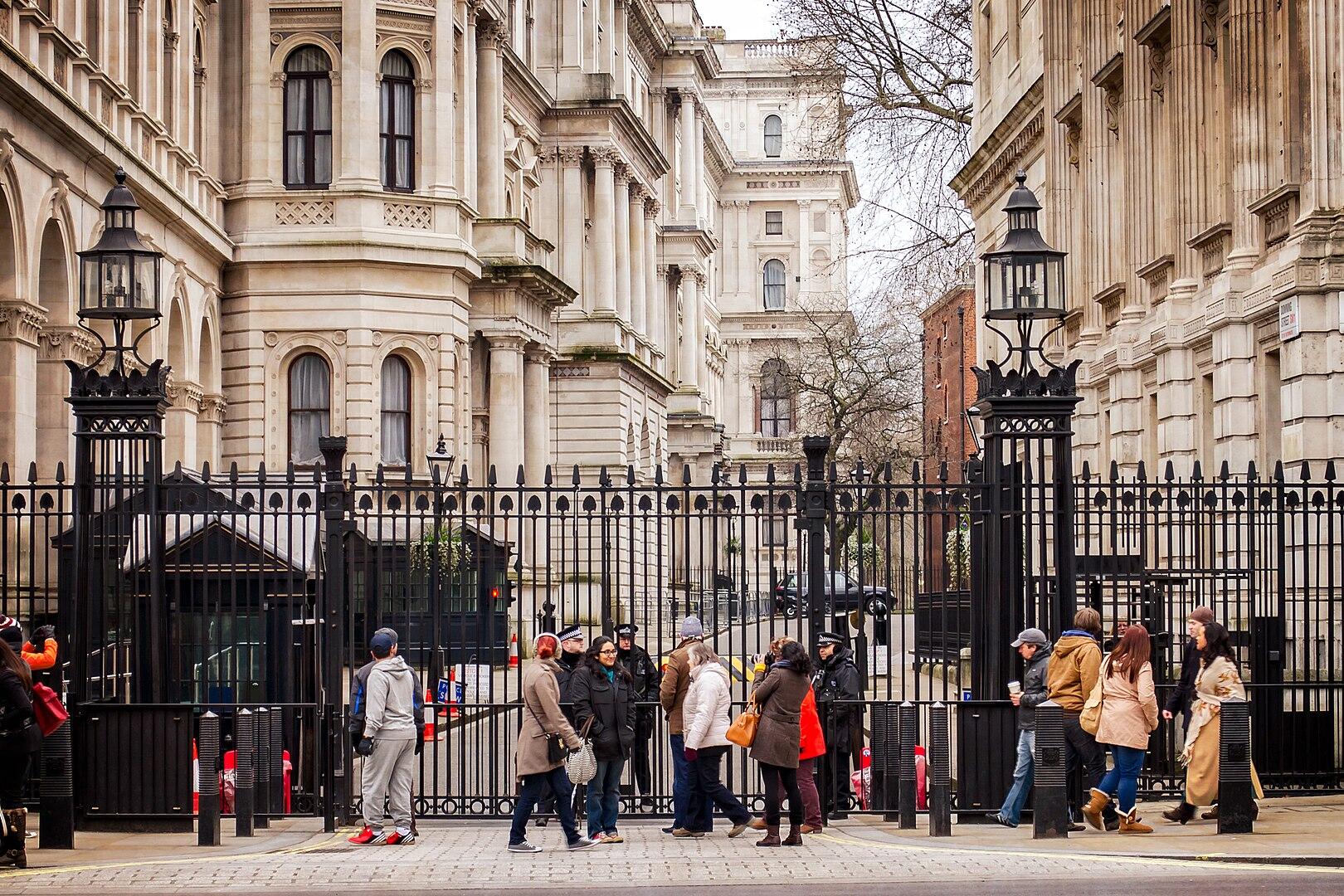
The most important fact is that Parliament oversees what goes on at 10 Downing Street, the seat of the UK government. The Parliament is a part of the UK government system, but actual governing falls under a different branch.
In fact, the differences between Parliament and government activity are many.
His Majesty's Government
- Prime Minister and cabinet run the country
- manage day-to-day affairs
- administer public funds
Parliament Lords and MPs
- oversee running the country
- consider the big picture
- create and debate spending bills
The Prime Minister, and their cabinet, direct national and international policy. They do not act in a vacuum, though. As noted above, the Prime Minister answers to the House of Commons. Furthermore, they must assure that any initiatives they propose meets with the monarch's approval.
Citizens' participation in democracy is the very definition of the democratic state. We exercise our voice in Parliament through our elected representatives. We may register our dissatisfaction with their parliamentary votes by contacting them.
We can also ask them to raise an issue on our behalf, or support/oppose a motion underway. We may do the same with the government, by directing our queries to the government minister with responsibility towards the issue. This is what it means to be politically engaged.

Who Makes the Laws in Great Britain?
Law-making is a concerted effort, in the UK. Our three layers of government - Parliament, His Majesty's (HM's) Government, and the monarchy itself, all play a role in making laws.
For the most part, Parliament Houses make laws. However, the trend is now towards government ministers writing laws, with little parliamentary input. The process for passing a new law is straightforward, no matter where it comes from:
- the government, an MP, or a peer introduces a bill
- the House of Commons approves the bill
- The House of Lords approves the bill
- The Monarch approves through Royal Assent
Obviously, if the bill originates in the House of Lords, those delegates will give approval before passing the bill to the lower house. Parliament doesn't formally consult with government before initiating this process.
After every election, the party in power in the House of Commons seats their party leader as Prime Minister.
As the Prime Minister comes from Parliament, and answers to Parliament, the two government bodies work closely together. Thus, they have no need for formal consultation to pass new laws. Furthermore, as political parties follow their agendas, the proposed laws typically accord with the party's goals.
The lower house's opposition party moderates the power the dominant party may wield. This serves as a counterbalance, so that all citizens' interests are fairly represented, not just those who voted for the party in power. Furthermore, the House of Lords may step in, and declare that the proposed law unfairly disadvantages a portion of the population.
They may insist that the proposed law be revised.
Such might include adding or removing provisions, or changing what the law covers.
At no time may they veto a proposed law, but they may delay it.
As members of the electorate, it's vital for us to understand the systems of voting our representatives into office. And, crucially, what to do if our elected representatives do not fulfil their mandates.
As citizens, we have many ways to stay politically engaged, beyond elections. Knowing and exercising our political rights and responsibilities gives us an active role in steering our country's governance. So, the final answer to our question about who makes laws in our country: well, it's us! 😎
Summarise with AI:
Did you like this article? Leave a rating!

 Loading...