
When we spend money, we usually don't think about where it came from beyond how it got into our pockets and bank accounts. In fact, we're not even spending money; we only have currency at our disposal. The difference is that money has an assessed value and currency, the coins and bills we trade for goods, has an assigned value.
For instance, a £10 note is only worth ten pounds because everyone agrees that it's so. It allows you to buy £10 worth of something but the note itself has no value. Today, most of the world's currencies are fiat currencies. That means governments issue them but the bills and coins aren't 'pegged' to anything of value.
How that came to be and how these currencies shape the global economy is one part of today's story. We also want to talk about two of the world's most valuable commodities, oil and gold. All of this leads us to a conversation about petrodollars and petroyuan. Rather like peeling an onion, we'll get to the heart of global energy markets by exploring:
- events that set today's economic standards
- why global commodities markets are so important
- the two countries currently setting global economic standards
- comparing petrodollars and petroyuan



Setting Up the Global Economy
The global economy as it functions today is only around 80 years old. in 1944, towards the end of the Second World War, hundreds of delegates from 44 allied nations came together in the United States (US). It was the only country not ravaged by war or under attack so it made sense for everyone to meet there, no matter how hard it might have been to travel.
We discussed the Bretton Woods Conference in depth in a related article. Here, we'll only say that the US scored major points. The World Bank and International Monetary Fund (IMF) headquarters are in New York City thanks to the war and Bretton Woods. And the US dollar became the world's reserve currency by default.
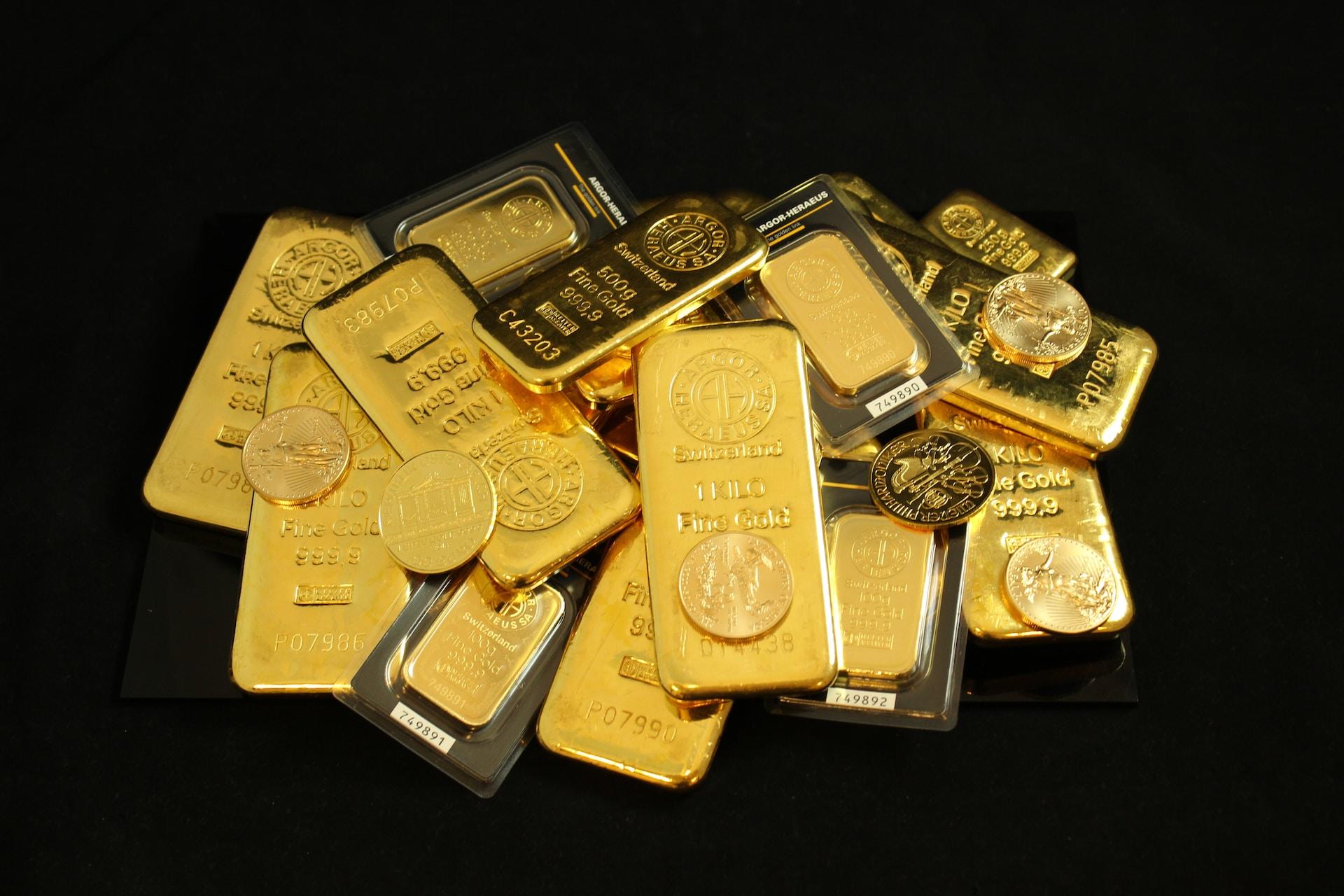
US representatives at Bretton Woods proposed a system where every dollar would be gold-backed and set the dollar's value against gold at $35 per ounce. In theory, anyone holding dollars could convert them to gold. After the war, the US and European powers established a system called the London Gold Pool to keep gold prices stable. This agreement lasted less than 20 years.
In 1967, western European powers grew wary of US motivations. Events like the US war in Vietnam and civil rights uprisings caused economic instability in the US. Other nations worried that their dollars would soon be worthless. They did a 'run on gold' that broke the London Gold Pool.
Four years later, in 1971, US President Nixon unilaterally scrapped the gold standard. At that moment, every currency pegged to the dollar became a fiat currency. Since then, countries have relied on a floating exchange rate to set their currencies' value. That means a currency's value depends on what happens in foreign markets.
Commodity Markets' Economic Impacts
Despite that 1971 Nixon Shock, as it was called, the dollar remained supreme in global trade and commodity pricing. That's because every nation held dollars in reserve, and also because everyone had gotten used to trading in dollars. Around the world, people still say 'billion-dollar industry' even though every nation has its own currency.
But around the world, countries' economies have built up cash reserves in their own currencies. So why isn't anyone trading in Euros, Pesos or Rials? In part, it would be too complicated to peg a commodity's value to individual currencies. Also, imagine how difficult it would be for Saudi Arabia or Iran to keep up with every nation buying oil in their own currency.
We could extend the single-currency practice to all commodity markets. All around the world, nations buy grain and other agricultural products, raw materials, precious metals and energy. Energy includes everything from electricity to fossil fuels, including coal and petroleum. These trades account for up to 3% of the global gross domestic product (GDP).
Before 1947, the year international trade was standardised, countries agreed amongst themselves how much a commodity was worth and how they would pay for it. The General Agreement on Tariffs and Trade (GATT) established international trade fundamentals. GATT evolved into the World Trade Organisation in 1995. Despite the timing, GATT was not a part of the Bretton Woods Agreement.
This unified trade structure created commodity markets. To illustrate the point: we no longer have to go to the butcher's, the baker's and greengrocer's for our weekly shop. Commodity markets operate on the same principle. And just as Tesco and Sainsbury's do, commodity markets estimate the value of a good by how much 'stock' is available and how much nations are willing to pay.
For markets around the world, speculating on prices was easy to do when the dollar ruled trade. But now, there's a new currency in town and it's eroding the dollar's supremacy. What might that mean for the global energy markets?
The Two Economically Dominant Countries
The US has been the world's strongest economy for the past 80 years. That's despite the Nixon Shock, multiple wars and several bank collapses. The US's 2008 financial system collapse destabilised the global economy; some countries took years to recover. If trading partners were wary in 1967, they became downright mistrustful in the wake of all that.
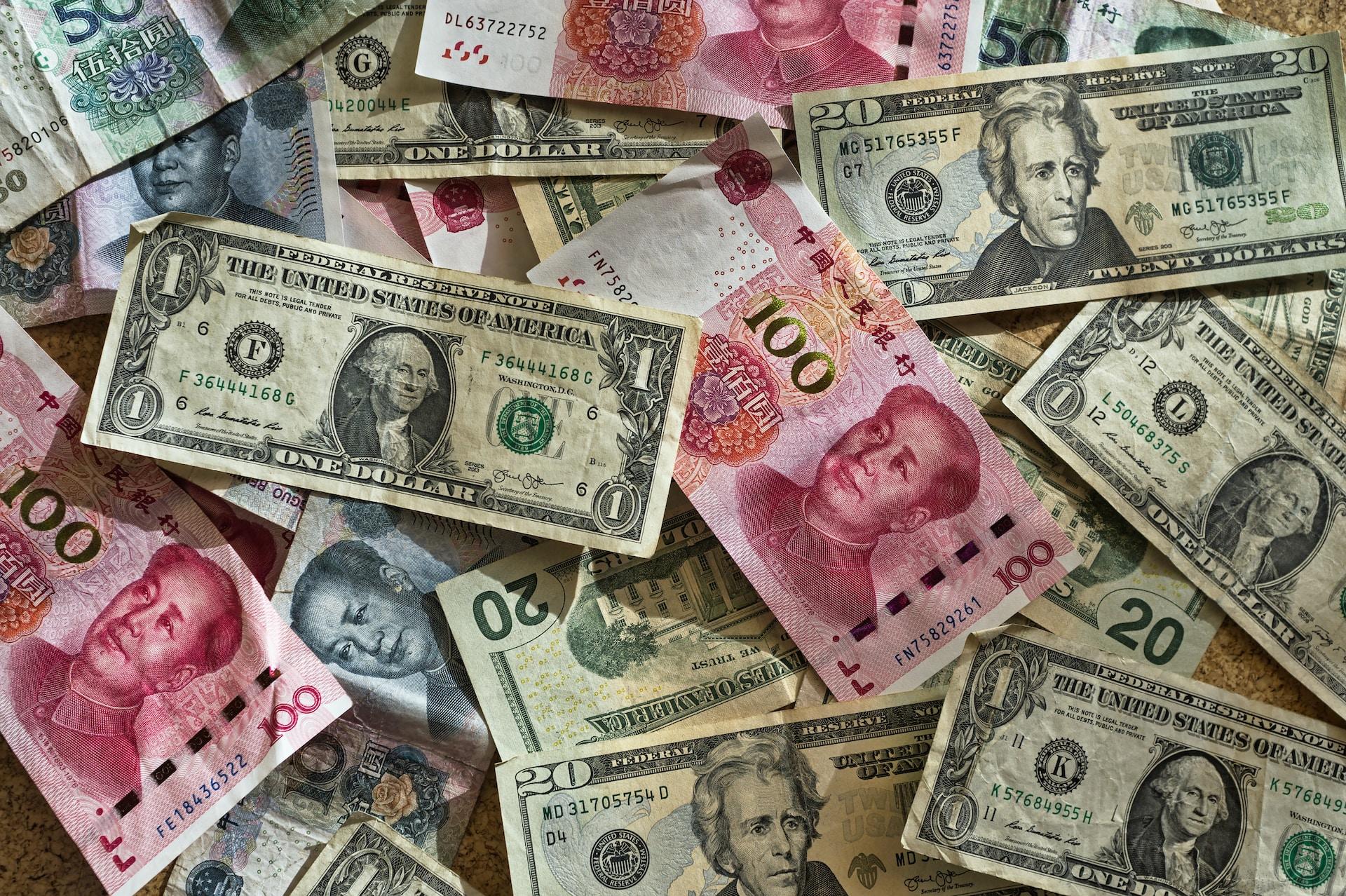
Two factors have kept the US economy afloat. First is that the US dollar is the world's global reserve currency and second is that nations typically use dollars for international trade. And in energy markets, the petrodollar, dollars used to buy oil, reigned supreme. But only until recently.
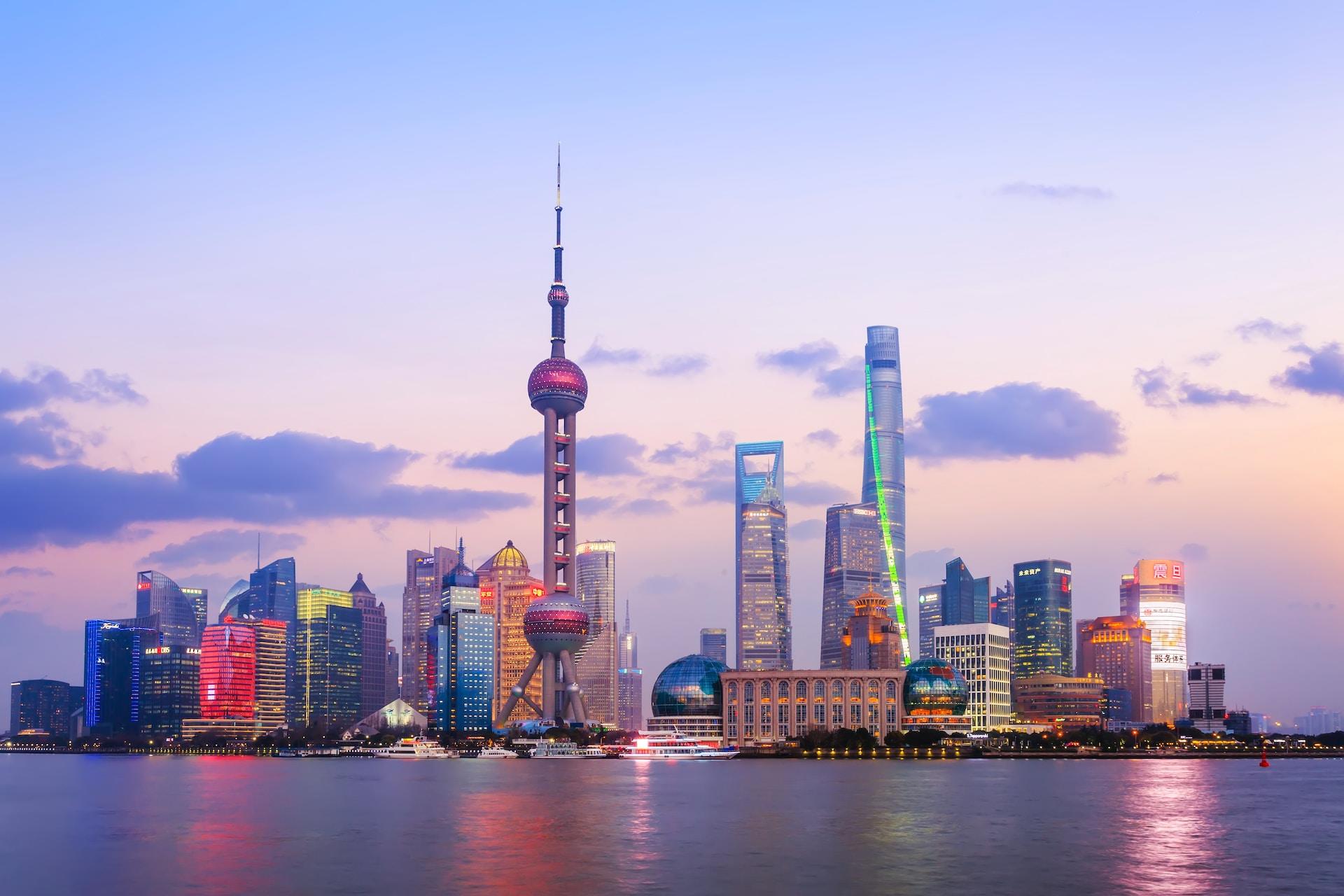
To hear some economists tell it, China has wrought an economic miracle. For the past 30 years, this country has invested in infrastructure and education, growing its GDP at 6% a year (on average). This recently undeveloped country has now overtaken the world's historically strongest economy (in purchasing power parity).
| United States | China | |
| Type of economy | debt-based economy | asset-backed economy |
| type of currency | fiat currency | gold-backed currency |
| GDP (2023 IMF estimates) | $26,855 trillion | $33,015 trillion |
| Debt-to-GDP ratio (2023) | 129% | 76.9% |
| inflation rate (2023) | 8.05% | 2.17% |
In 2013, China debuted the Shanghai International Energy Exchange (INE). Five years later, INE launched a crude oil futures contract, payable in Chinese yuan. But even in 2018, few nations were keen to stockpile any yuan so the initiative seemed destined to go nowhere.
The London-based Financial Times reported in 2022 that China was one of the world's biggest gold buyers. It didn't take long to discover why. A few months ago, Chinese President Xi Jinping met with the Gulf Cooperation Council (GCC), the world's major oil exporters, to expand trade relations.
China is the GCC's biggest customer; 25% of their oil imports come from Saudi Arabia. Thus, it makes sense to trade in a mutually serviceable currency, especially considering that China will also tackle Saudi infrastructure projects through its Belt and Road Initiative (BRI). Backing the yuan with gold assures these trade partners that the yuan is stable, with a guaranteed value.
Some interpret this deepening partnership as China trying to undercut the US dollar or at least, to challenge its dominance. But every nation has the right to pursue economic initiatives. And besides, nowhere is it mandated that the US dollar must dominate. There's plenty of room in the global economy and in oil markets for more than one currency.
Petrodollars and Petroyuan
There is, of course, a major downside to this proposition. The petrodollar and the dollar-as-reserve have sustained the US economy for decades. It would be hard to fathom the global economic impacts of the dollar's waning importance. But just because countries now have access to another strong currency doesn't mean all is lost for the dollar.
It only means that economies now have a choice of currencies to trade in. This shift also represents the opportunity to hold a stable, gold-backed currency. And if a country has reason to fear US-imposed sanctions, it will still have access to commodity markets.
Notably, China isn't trying to tell anyone who they can do business with. Nor do the Chinese want to tell anyone how to run their country, if all reporting is correct. Indeed, some heads of state seem bewildered that China doesn't use its economic and diplomatic power to rein in rogue nations.
And China doesn't insist that oil markets abandon the dollar and switch to the yuan. By all appearances and per President Xi's own words, each nation is free to pursue its interests. For countries Western powers have long disfavoured, such an assertion must be a breath of fresh air. And those wondering what might lie beyond questionable US policies may also feel relief at the prospect of another strong economic partner.
There's no reason that the petrodollar's future must be grim, at least not because of China and the petroyuan. But if these developments mean a fundamental shift in the international monetary system, we might say it's been a long time coming.
Summarise with AI:
Did you like this article? Leave a rating!

 Loading...