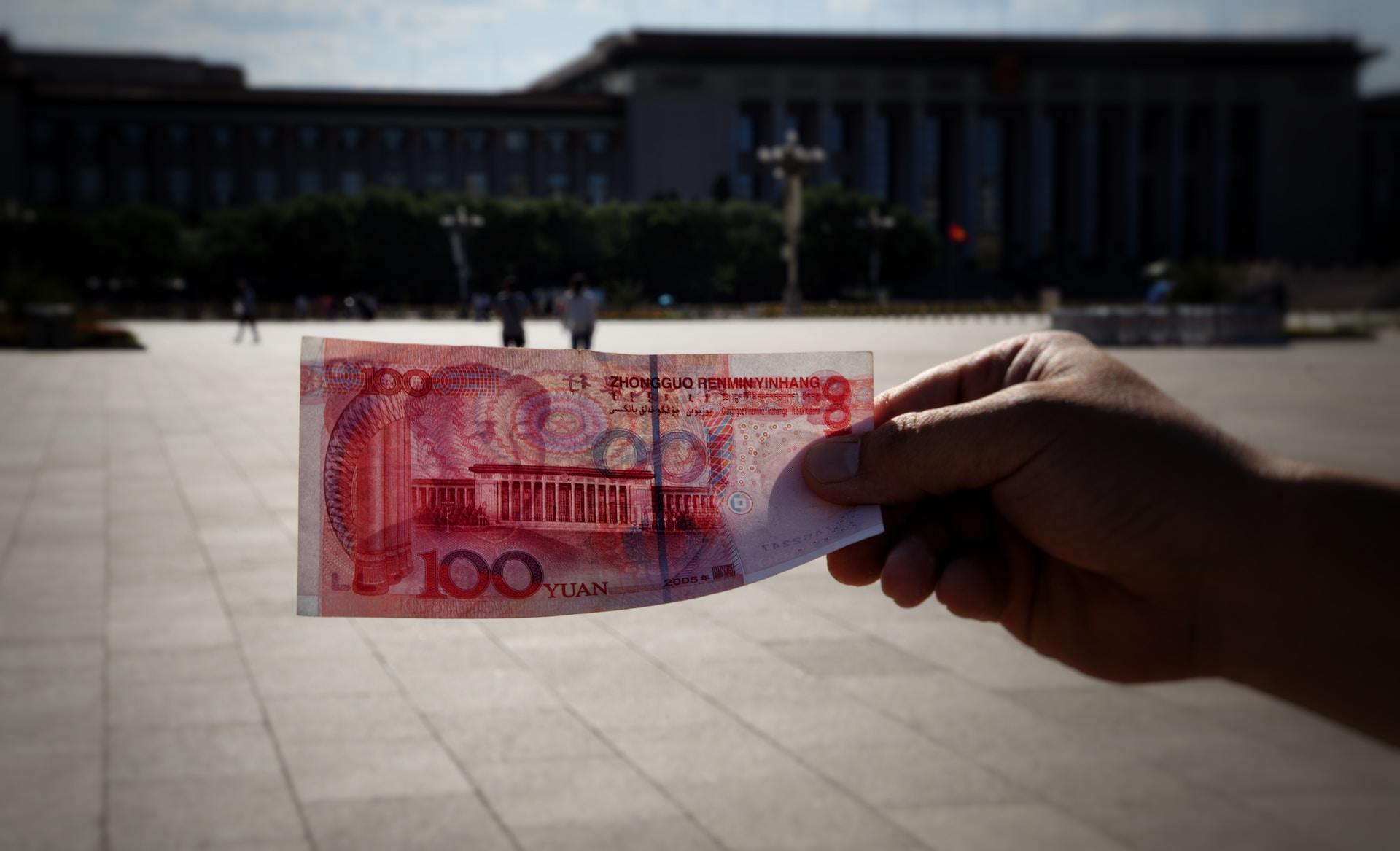

Some people say love makes the world go 'round and others insist money is the true 'round-maker'. Either way, this idiom describes something crucial to the world's operation. Much as we'd like to see more of the former, where the global economy is concerned, only the latter matters.
For most of recorded human history, economics has been a matter of haves versus have-nots. Wealthier, more powerful countries have plundered lands and subjugated peoples of lesser economic strength. But now, we've arrived at a point of dual power: two countries with roughly similar economies. Historically, such a situation would lead to war.
Is that where we're headed? Some believe it's inevitable but all the signs point the other way. We have progress, innovation and development to look forward to as we move beyond outdated power and monetary systems. Parts of the world that have never had equal standing in global economic affairs are edging closer to competitiveness.
All of this and more comes about thanks to the Chinese currency. The yuan, also called renminbi (RMB - lit. people's currency) recently captured the spotlight in a big way. Chinese President Xi Jinping just negotiated an oil trade deal with Saudi Arabia to pay for petroleum exports in yuan. Thus, the petroyuan debuted, so we'd best learn as much as we can about it and discover:
- how trade deals work
- who established those conventions and standards
- how the petroyuan fits into current trade frameworks
- what the future of international trade might look like
Until recently, most people had never heard the term petrodollar or the Chinese currency name. These days, renminbi-yuan, petrodollars and petroyuan are all over the headlines. It's your turn to get into the loop now, so you too can be a well-informed consumer and financial planner.



How to Trade Oil - and Everything Else
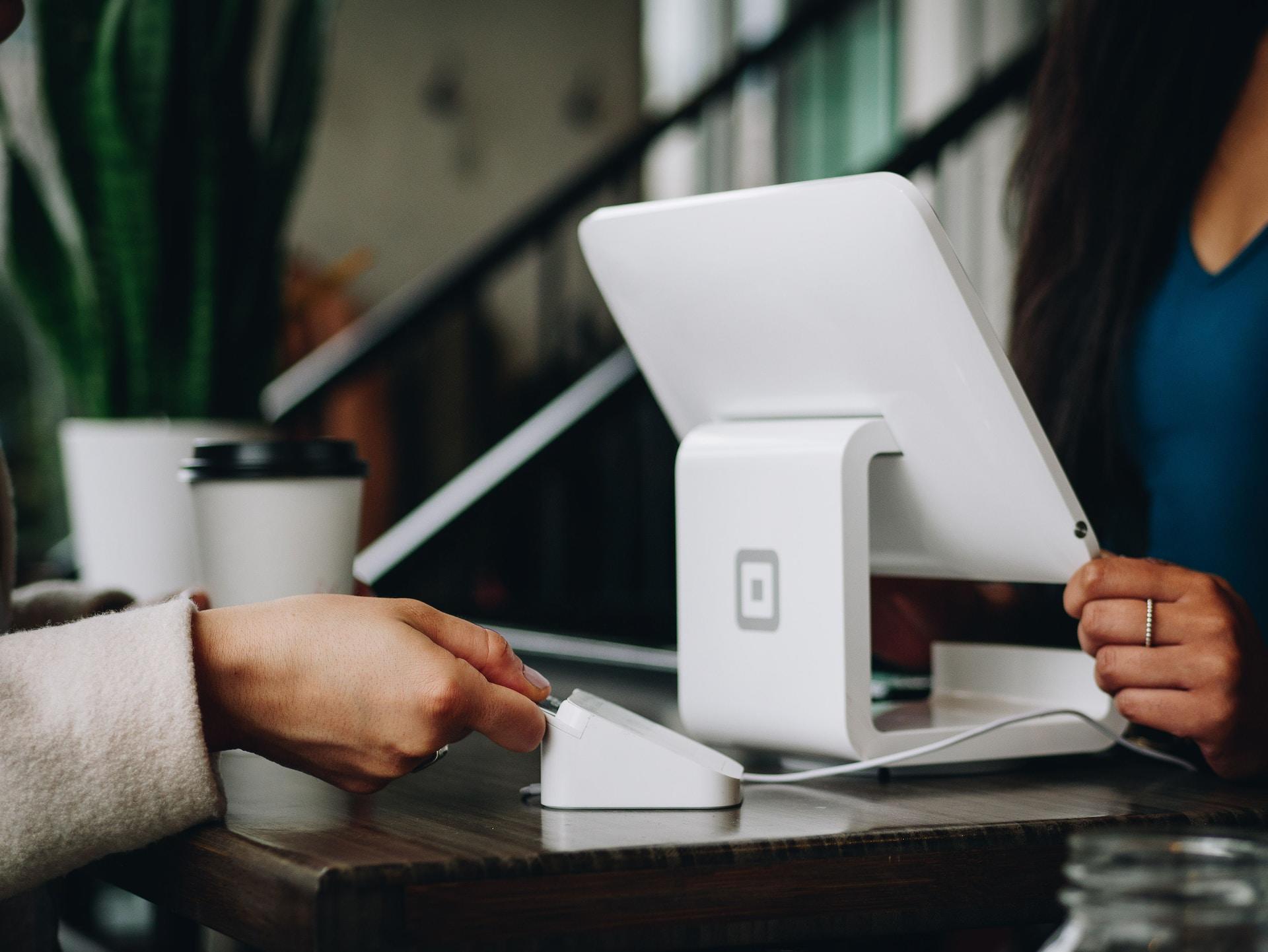
When you or I go to the shops and buy something, we hand over some cash or use our bank cards or an app to pay for what we want. It's easy and direct; these transactions happen all over the world, all the time. Luckily, we speak the same language and use the same currency as our shopkeepers do. If that weren't the case, things would be much more complicated.
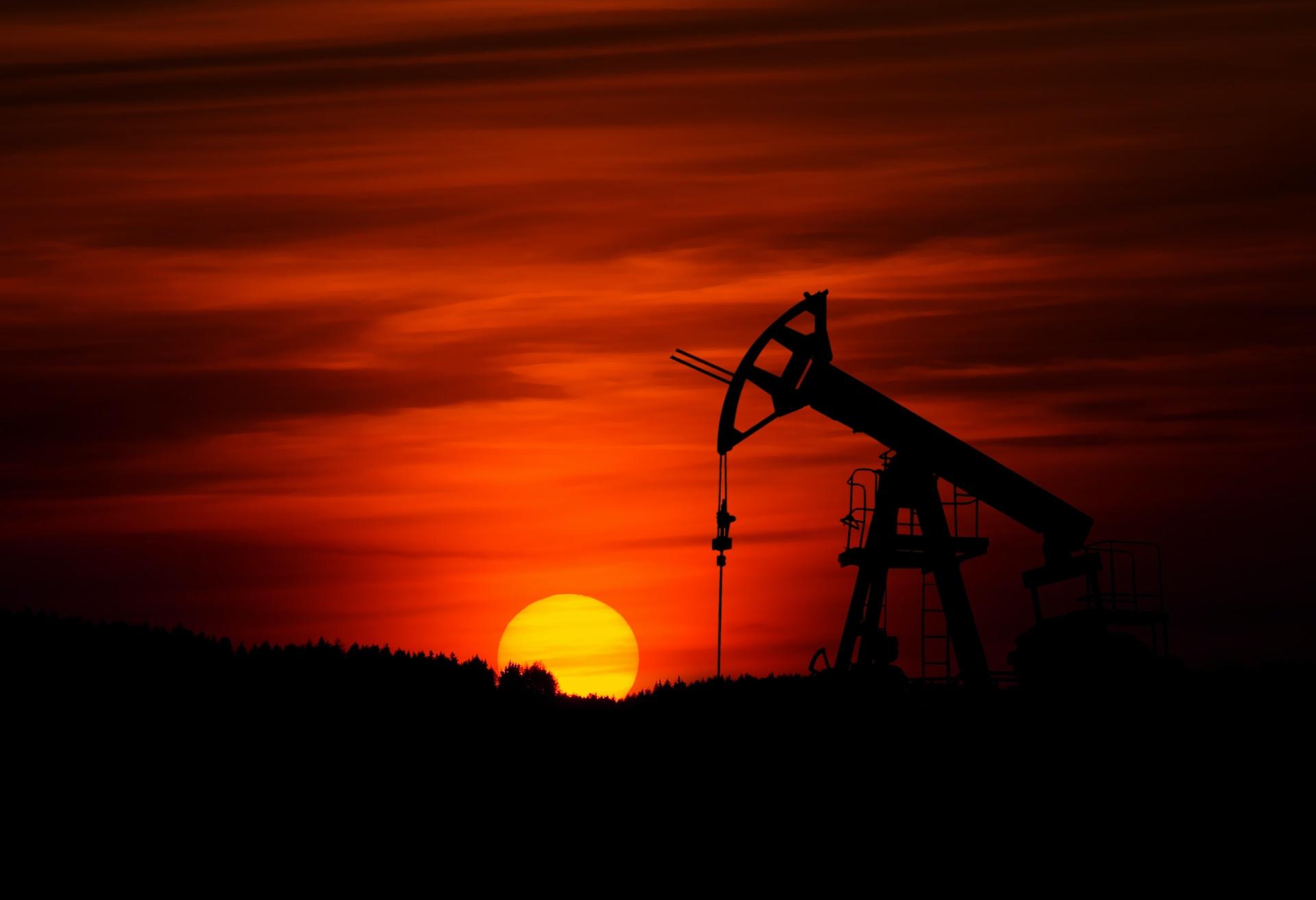
And it's doubly so when parties trade oil. The oil trade is one of the global economy's biggest drivers; it accounts for three per cent of the global gross domestic product (GDP). But it's a scarce resource, found in only parts of the world and costly to extract. And geopolitical tensions such as the ongoing war have great impacts on the supply and price of oil.
Global powers needed to find a way to negotiate oil trading and build a system to process payments. So, in 1944, world leaders gathered in the US for the Bretton Woods Conference. This 21-day summit established the World Bank and the International Monetary Fund (IMF). Also, everyone agreed that the US dollar should be the world's default currency because, at the time, the United States (US) had the strongest economy.
You can read more about Bretton Woods and how those negotiations played out here. For now, let's point out that the US gained far more control over the global economy than it seemed at the conference's end. The World Bank and IMF headquarters were/are in New York City, those institutions' leaders were/are American, and the US dollar was/is supreme. And then, a private US bank announced its plan to establish a payment network for international trade.
By the late 60s, global powers had grown wary of US leadership; the idea that the US would control one more aspect of the global economy was too much. In 1973, a Swedish bank CEO worked with tech firms to build the Swift system, headquartered in Belgium. This network amounts to a telegraph system with printers attached. Soon, all international trade concluded via Swift, and virtually everyone paid for everything in US dollars.
Why the Petro Dollar Is so Important
The Swift network can and does accommodate transactions in different currencies. But for so long, the world had been using US dollars to buy oil and other commodities. Indeed, until recently, Saudi Arabia, one of the world's largest oil exporters, refused to accept any other currency for their oil. This forced oil-importing nations to keep dollars as reserves so they could buy oil.
The petro dollar (petrodollar) is not a special version of the US currency. They're regular dollars used to buy petroleum and commodities like agricultural products and metals, particularly gold. Petrodollars are vital to keep the global economy humming; they also underpin the US economy. The fact that other countries hold US dollars as a reserve currency also boosts US economic strength.
Despite appearances, not all is well with the dollar. The 2008 global financial meltdown prompted serious discussions about reforming the international monetary system. The US levels sanctions against 'non-compliant' nations like Russia and North Korea, making it seem like they're weaponising economic instruments. World leaders worry that the US has too much influence over the global economy; they're taking steps to mitigate risks.
In 1977, four years after the Swift system executed its first transaction, the US dollar comprised about 85% of the world's reserve currencies. Today, that number hovers around 59%. The world isn't quite done with the dollar yet, though. The geopolitical and economic ramifications of switching to another currency are too great for a swift jettison. But discarding the dollar is likely not on anyone's agenda, anyway.
Finding Room for Chinese Currency
Over the past 34 years, China has wrought what some call an economic miracle. Never has a country climbed out of destitution and into economic superpower status so fast. That's not to say there were no blunders along the way. But the speed and focus of China's development is breathtaking; today, the Chinese economy outpaces the US's.
In 2013, China launched its Belt and Road Initiative (BRI), a multi-level, global economic development plan. The BRI proposes building infrastructure in economically disadvantaged regions so that they, too, may access global markets. Over the past 10 years, Chinese crews have built railways and ports, hospitals and schools, mostly in the global south. As Chinese businesses build relationships with those nations, more Chinese yuan enter into global circulation.
There's still a dearth of yuan throughout the global financial system, though. Some countries are reluctant to take on a second reserve currency. Wealthier nations allied with the US may fear economic sanctions if it looks like they're aligning themselves with China. But perhaps none of these points matters.
In December 2022, Chinese President Xi Jinping met with the Gulf Cooperation Council (GCC). This group comprises six of the largest oil-producing states. This meeting ended with Saudi Arabia announcing that its oil enterprises will accept Chinese yuan as payment. For his part, President Xi assured the completion of several BRI projects.
It might seem as though China is trying to unseat the petrodollar and upset the current global economic order. We can't presume to know what he has in mind but it's more likely that the Chinese president's focus is on forging new economic pathways. He's been consistent in word and deed for years. And it seems that, today, more world leaders find themselves in accord with what China has to offer.
Global Trade Beyond the Petro Dollar and Chinese Renminbi
Revolutions are never easy, even if they are badly needed and everyone strives for the same proposed outcome. The whole world has been doing business the same way for nearly 80 years. Taking that view on a wider scope, we find that commerce and trade and markets have remained the same throughout history. Only the tools have changed and this time, we're in for a massive economic standards overhaul.
Barter has always been about exchanging things of approximately equal value. The more societies came to rely on money and currency, the more unequal marketplaces - and the whole world became. Global powers have been levying economic sanctions against populations whose politics don't align with theirs for decades. And now, we've come up with new and creative ways of crippling economies.
Allowing one nation's currency to be the world's reserve currency gives that country outsized influence over global economic matters. Also, it gives that nation undue power, which history and current events prove does not advance global interests. But it would be inconvenient for every bank to hold reserves in every world currency.
Financial visionaries look to do away with reserve currencies altogether and give every nation a stake in global markets. Today's technologies make it possible to engineer a decentralised accounting system that operates on a global digital currency. Instead of holding foreign currency reserves, each country will trade their native denominations for digital at a globally-set rate.
With such a promising economic future, neither the petrodollar nor the petroyuan may exist for long. Our global financial future will strive to level the economic playing field while keeping a check on every participant's power. It may be harder for some to adjust to the coming economic reality.
Summarise with AI:
Did you like this article? Leave a rating!

 Loading...