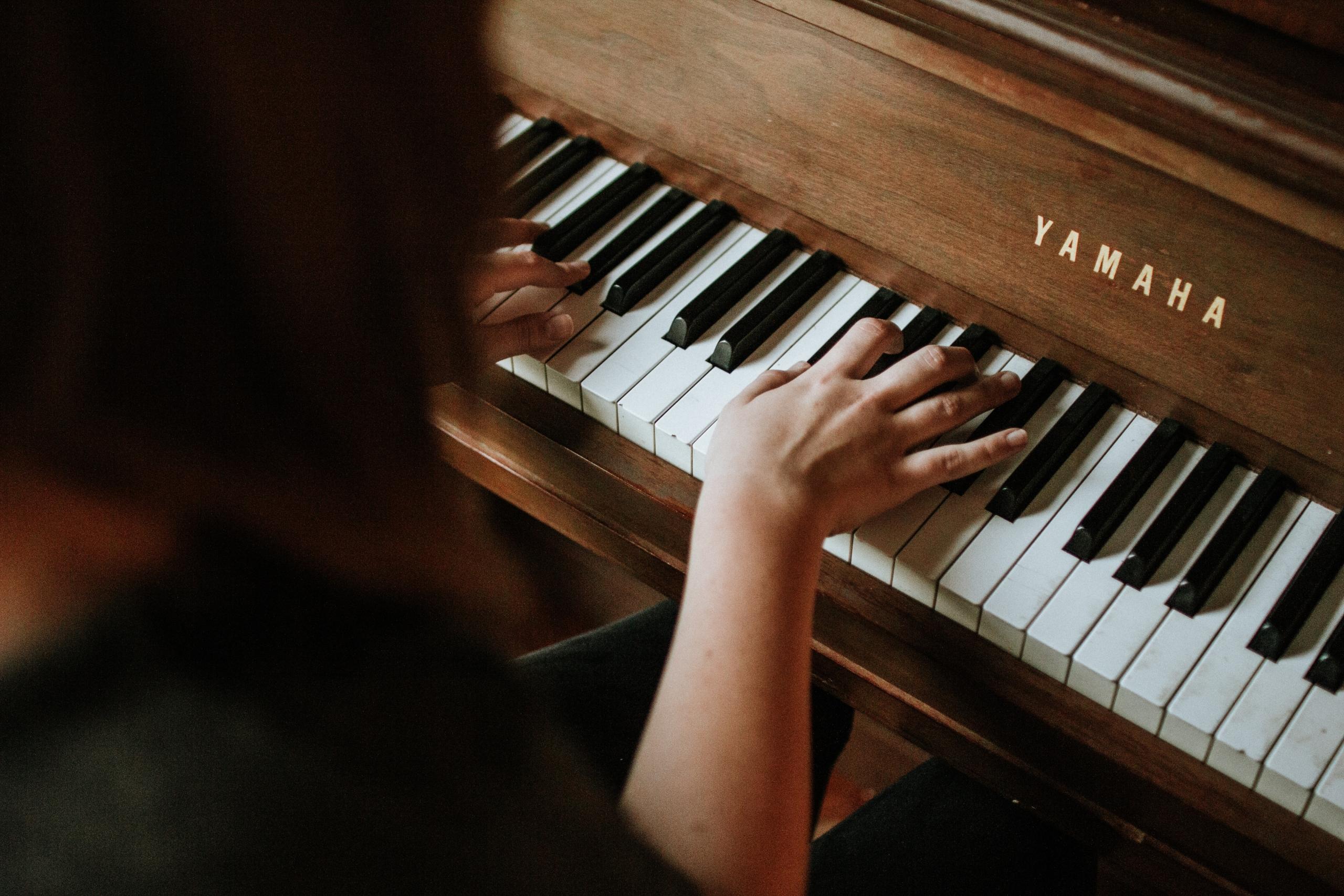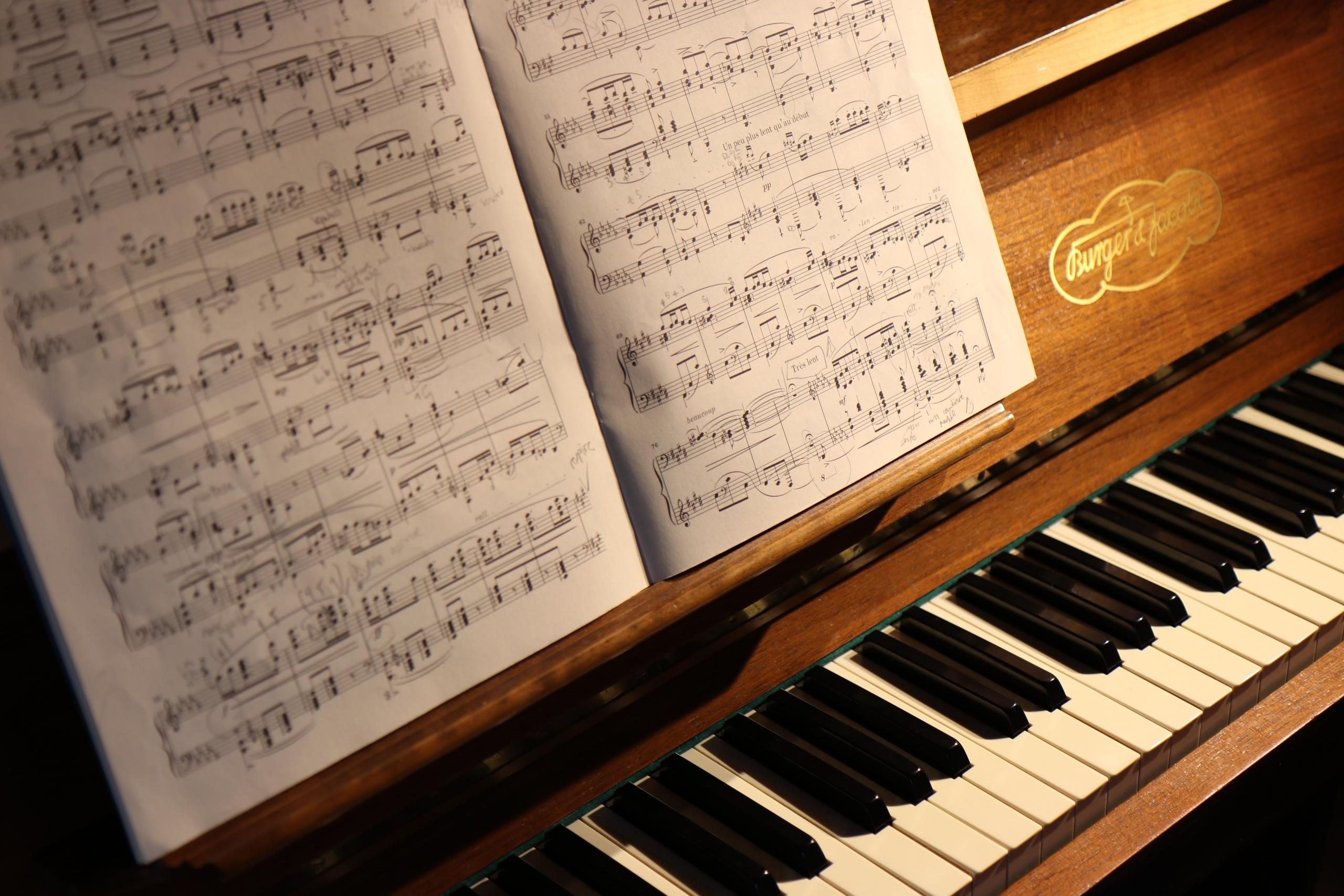

The piano is one of the most beguiling yet confounding instruments. It has strings, so technically, it belongs in the same category as guitars, harps and violins. However, because hammers strike the strings when the player depresses the keys, it could equally be considered a percussion instrument. Is it logical to put the piano in the same family as drums, bongos and xylophones?
Pianos are officially classified as chordophones with keyboards and hammers attached. A chordophone is any type of musical instrument whose sound results from vibrating strings. So there we have it: pianos are in the same family as guitars and violins. But instead of having only six or 12 strings, pianos may have up to 240 (230 strings is generally the norm).
Those are just the first few of the many piano facts this article will cover. But piano players don't need to learn how pianos are built or how they make their marvellous sounds. So we'll turn our focus to facts about piano playing that every beginner player should learn. Those include:
- how the most mundane piano exercises help you develop playing technique
- what piano pedals are for and how best to use them
- why some types of music can advance your playing
- how playing with a partner benefits both players
You might be interested in learning when the first piano was built and who developed it. Those would be 'in the early 18th Century' and 'Bartolomeo Cristofori', respectively. That type of information may be intellectually satisfying but it doesn't advance your piano playing. So let's get to the type of piano facts that will enhance your skills.


Facts About Playing Scales and Arpeggios
Practically every beginner piano player bemoans the fact that they have to spend so much time practising scales. There may be merit to their claims because beginner guitar players get to jump right into chord building. Beginner drummers get to hammer out some beats in their very first lessons. So why does it take so long to learn how to play even the simplest songs on the piano?
We're not knocking other instruments' complexity and all the tones and notes one can play on them. It's just that the piano requires so much more diligence and effort to learn it well. Playing scales - and later, arpeggios aren't simply exercises to bore you to tears. They're valuable to train your ear, master proper fingering and reinforce your posture and form.
Besides, you're not playing the same notes over and over, even if your sheet music says you are. You're going up and down the keyboard, discovering the notes' relationships from octave to octave. You're learning intervals and how to count them. And you're training your hands to execute coordinated movements independent of each other.
Therefore, we proclaim mastering scales and arpeggios the Number One Important Fact about playing the piano. Of course, you could play the piano by ear with no formal training, as many garage band drummers and guitarists do. Learning how to play the piano that way would severely limit your playing ability in the long run. And your risk of injury would be far greater.
Search for the best piano lessons in Liverpool.
What to Know About Piano Pedalling
Piano pedals are another reason proper fingering and form are so vital to piano playing. Many beginner piano players wonder why pianos have brass appendages and how they should be used. In all your hours of practising scales, you never used them; why use them to play a song?
In general terms, these treadles modify how the instrument sounds, a feature considered integral to the instrument's musical capabilities. In the early days of piano design, players had to contend with pull knobs when they needed a certain tonal effect. The knob was later abandoned in favour of a lever a player could activate with their knee. Ultimately, piano builders settled on the pedal design.
Depending on where you and your piano are, your instrument may have two or three appendages. Two-pedal pianos are more common in Europe while players elsewhere prefer three-pedal instruments. The third pedal - the middle one is called the sostenuto. It sustains the notes played at the time the pedal is depressed.
The leftmost one is the 'soft' pedal or una corda. It essentially reduces the hammers' force in striking the strings. A competent piano player can achieve the same effect by depressing the keys a bit more lightly, so many pianists don't use it. The rightmost treadle sees the most use; it pulls all the dampers away from all the strings when depressed.
Using your piano's pedals correctly is more a matter of listening than playing. Sheet music often includes pedal notation but those are more of a suggestion than a mandate. How your piano sounds depends on many factors, including the environment you play in and the type of piano you play. That makes piano pedalling the Number Two most important fact you need to know about the piano.
Find piano lessons in London with a Superprof tutor here.
Why You Should Learn Jazz Piano
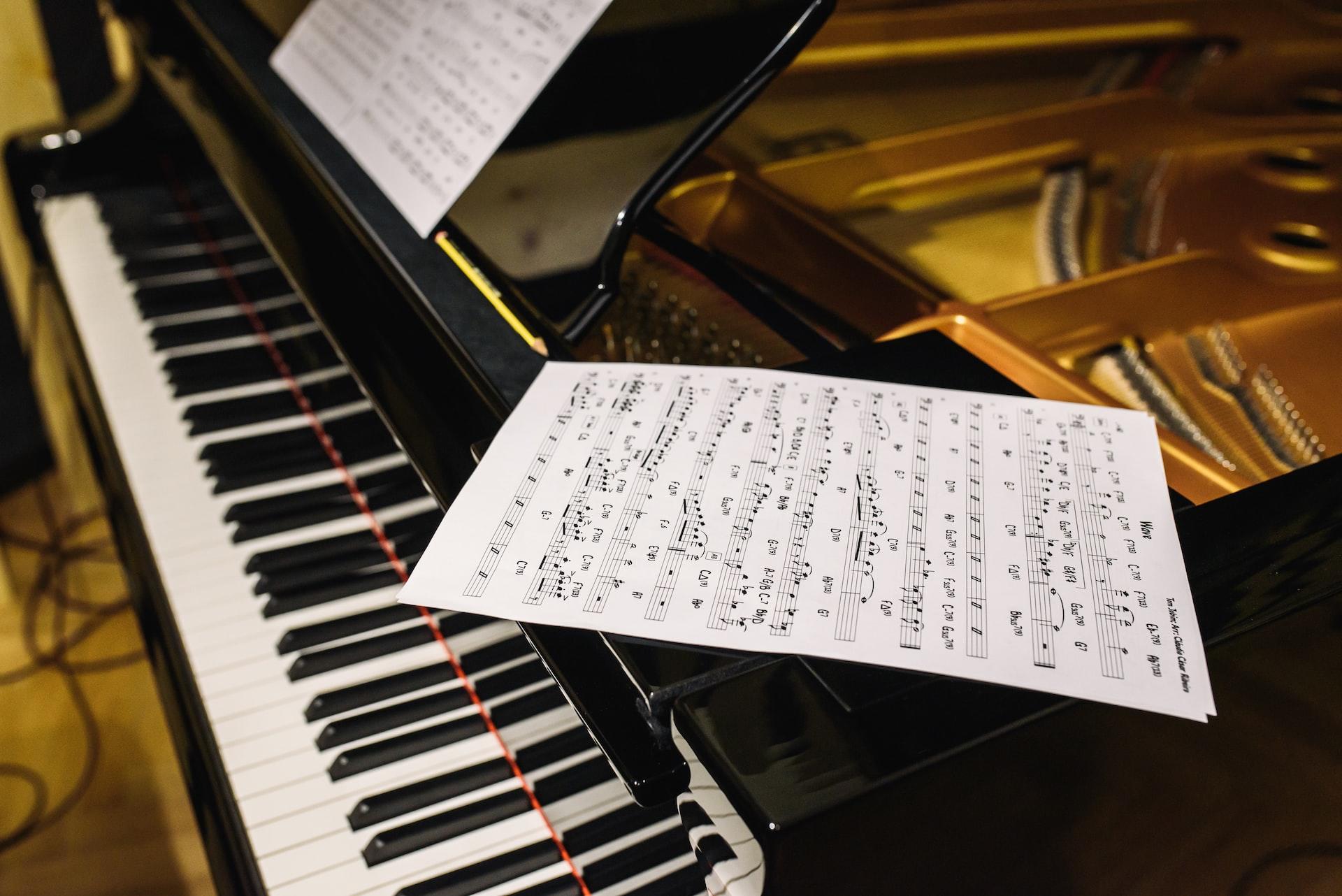
If you've ever seen a jazz piano player letting loose, you likely noticed how often they use their piano's treadles. Jazz music can be very sophisticated in its phrasing. Going from one movement to the next would be challenging if a pianist couldn't sustain the last notes they played.
Smooth jazz benefits from the lingering effects of judicious pedal use, too. But that's not what makes learning jazz piano important. This type of piano playing relies heavily on music theory. So, to play jazz piano, you'll need to understand key signatures, chord notation and chord progressions.
Wouldn't you know it? Every beginner pianist spends a lot of time learning music theory. So it makes good sense for anyone in their early days of piano learning to venture into jazz piano. The sooner they do, the sooner they can apply everything they're studying in their solfège lessons.
Take piano lessons in Manchester here.
For all of its emphasis on chord progressions, jazz piano is all about being spontaneous. As soon as you've mastered counting intervals and the 2-5-1 progression, you can begin to explore jazz stylings. That particular progression underpins practically every jazz composition, in case you were wondering.
As an added benefit, playing jazz pieces helps you improve your fingering and build speed. Even smooth jazz incorporates moments of dizzying fingerwork. Practising such pieces will do much to improve your manual dexterity and fluidity. But don't try to imitate other pianists, discover your own sound.
Facts About Piano Duets
Jazz music is basically ensemble music and so is playing a duet on the piano. Piano duets take many forms, one of them being the piano coupled with another instrument - maybe even another piano. But we want to focus on the type of piano duet that features two pianists at the same keyboard.
As you surely know, a standard-sized piano has a fairly long keyboard with 88 keys. With two players on the bench, the one on the bass end plays what's called Segundo. The player at the treble end plays primo. Of the two, Segundo presents the greatest playing challenges.
Or does it? Most piano compositions insist that the left hand should play the chords while the right carries the melody. A similar division manifests in piano duets but those pieces are arranged so that both pianists have equal time. But that's not the most interesting of the piano-playing facts duets present.
Playing a piano duet is not hard from a technical perspective; even beginner pianists can play piano duets. Complementing each other's style of playing makes duets a challenge. Musical expression is unique; no two pianists want to communicate exactly the same things with their music. So one of the greatest duet challenges is finding a partner who has a complementary playing style and approach to music.
But even that's not enough to play a piano duet well. You and your partner must decide together who will play which part and who will work the pedals. You must learn the piece well and listen as your partner plays it. And you must go through the score together, marking all of the decisions you made regarding how to play the piece.
After all that, we still haven't gotten to the most important fact about playing duets on the piano. As mentioned earlier, playing a duet is neither uncommon nor particularly challenging. However, playing a duet on the same instrument at the same time is remarkable. Take a moment to touch on that: have you ever seen two guitar players play one guitar at the same time?
Over the three centuries since the piano was invented, piano designers, composers and musicians have discovered novel ways of producing sound. Piano duets are not a recent development; they came about shortly after the first piano was built. Some of the most creative musical minds have written piano duets. That ranks piano duets among the most important piano facts you need to know.
Summarise with AI:
Did you like this article? Leave a rating!


 Loading...