
Hats off to all students who choose A-Level Politics! This is a challenging subject that covers a broad spectrum of political ideologies. Students must know and be able to discuss eight political ‘isms’, from conservatism to anarchism, and who the most important political thinkers were. Here, we present them all.
Political Ideologies to Know:
- Conservatism: the 'philosophy of imperfection'
- Socialism: emphasises cooperation and community
- Liberalism: believes in maximum human potential
- Non-core ideologies: nationalism, anarchism, feminism, ecologism, multiculturalism


What Is the A-Level Politics Exam Like?

Obviously, students will have to do more than name the ideologies. You must know the thinkers' names associated with each ideology, a bit about their background, and how they came to their ideas. You'll discuss their ideologies and how they view aspects of the human condition.
Ideas about economics feature in each political ideology too, so you'll have to know how each ideology proposes meshing economic, social, individual, and political aspects.
The exam comprises three papers:
1. UK government and politics
2. Comparative politics and USA government/politics.
3. Political ideas.
Your third paper tests your knowledge of political ideologies. On it, you'll find three sections: the first calls for short answers, the second calls for students to analyse and compare/contrast two different ideologies. The third section allows you to choose one from five political ideologies to discuss at length.
For each of the five ideologies, you will read one statement.
Your task is to build your arguments around that statement.
Students have two hours to complete this paper, which is worth up to 77 marks. That sounds like a long time to finish three sections - and it could be, if you're well prepared. Still, you'll need every minute to organise your thoughts and put them to paper. But first...
What is Political Ideology?
That question is a bit misleading. Whether political or spiritual, ideology represents the ideas, attitudes, and beliefs that shape a person's outlook. People may build their views consciously or unconsciously: perhaps they picked ideas up from their parents and never questioned them.
In all cases, people's beliefs reflect and shape their understanding of the social and political world. They also frame the misconceptions they believe in, or think others do, as a vital part of their ideological understanding.
This ongoing fight is based as much on belief of what their favoured party stands for as on misconceptions of what the other party represents.
Ideologies are personal, so studying them means we must look at them objectively. Let's say a student has conservative leanings, developed through conversations at home, news from the telly, and input from their church. They must set those beliefs aside so they can properly examine other political ideologies. With that in mind, we explore the A-Level Politics isms.
Liberalism: on a Political Ideology Spectrum
The French Revolution (1789-99) and the Enlightenment (17th - 18th Centuries) changed European life. As people grew tired and angry about social and economic inequality, great thinkers proposed radical ideas to reorganise society and politics.
John Locke, the English philosopher, predated this movement by a few decades. But his writings inflamed the passions of the learned and the masses alike.
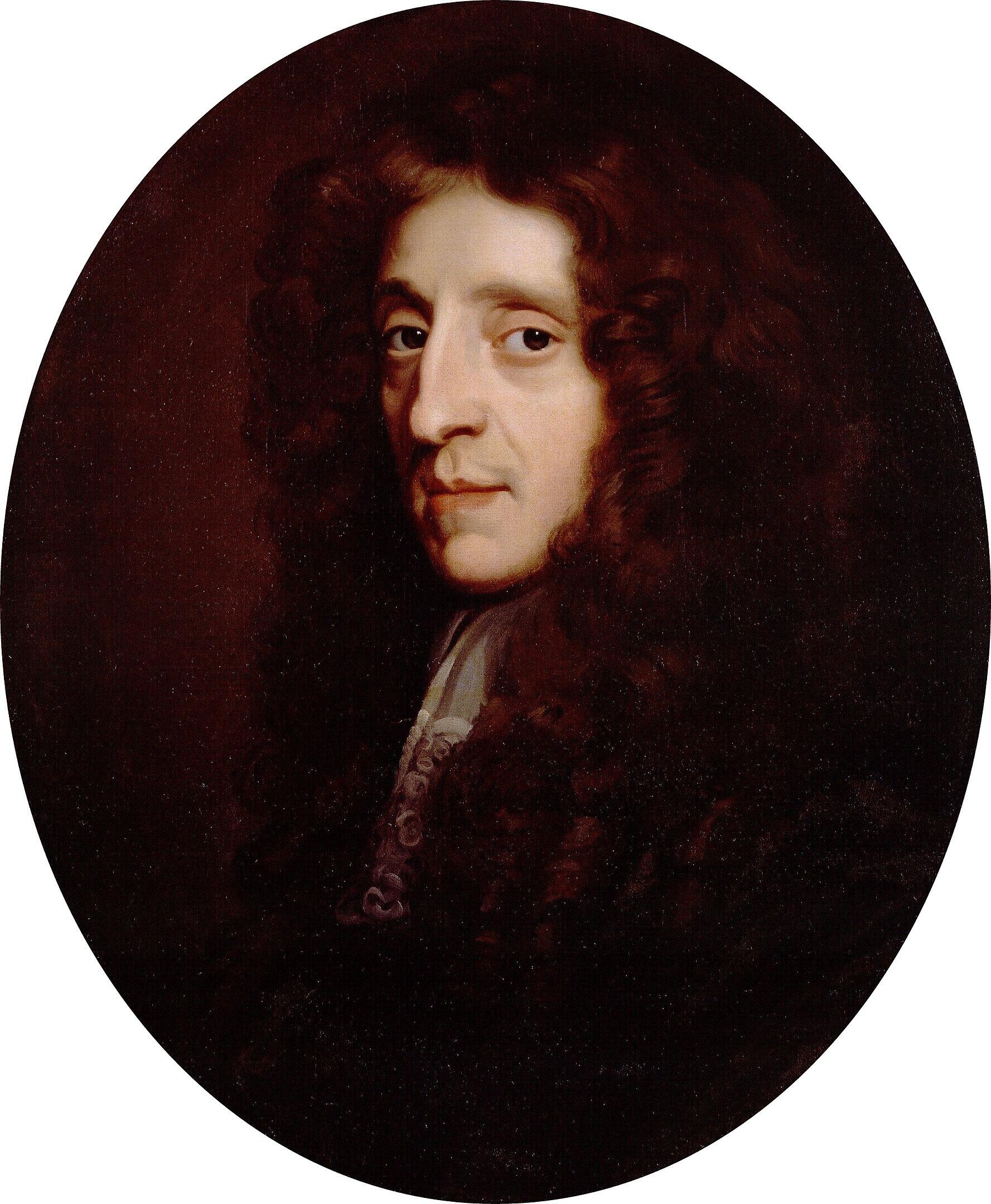
His Two Treatises of Government attacked traditional political models, and put humans at the centre of political and social development.
He advocated for government by consent and constitutional rule. He insisted on the contractual nature of the state and how it should provide natural rights.
Liberal thinkers picked up where John Locke left off. Among them, we count:
- John Stuart Mill: the Harm Principle; Tolerance
- John Rawls every person must have a life worth living, and society must be just.
- Mary Wollstonecraft: women are capable of reason; they should have access to education and careers
A fourth liberal thinker, Betty Friedan, echoed Mary Wollstonecraft's ideas, updated for the current era. She further advocated for turning over oppressive social norms and laws.
Liberalism and Economics
Liberals stand firm on property ownership and the economic systems to permit it. A market-based capitalist economy underpins liberal principles, driven by the belief that humans are rational. These ideas are an outgrowth of Adam Smith's liberal economic theories, which John Maynard Keynes and Milton Friedman later amplified.
The liberal political ideology expresses itself through a variety of terms. Mastering them brings you closer to understanding what liberalism is all about.
| 🤔Term | 🧾Meaning |
|---|---|
| Egoistical individualism also atomism | Individual freedom, associated with self-reliance and self-interest. |
| Enabling state | A state that helps its people achieve their potential |
| Formal equality | Everyone has the same rights in society, legally and politically. |
| Foundational equality also called natural rights | Rights people are born with, that cannot be taken away. |
| Harm Principle | People are free to do as they will, except if it harms others. |
| Keynesianism | Government involvement to stimulate and regulate the economy, and ensure full employment. |
| Laissez-faire capitalism | A market-organised economic system where wealth is privately owned, and goods are made for exchange and profit. |
| Meritocracy | A society that functions based on success coming through hard work and ability. |
| Minimal state | Keeping state workings small to maximise individuals' freedom. |
| Negative freedom | No external constraints in society. No interference in private matters. |
| Positive freedom | The freedom of individuals to achieve fulfilment and reach their full potential. |
| The social contract | The unwritten agreement that people will respect the law, and the state will respect the people. |
| Tolerance | The willingness and desire to respect values, beliefs and customs of others, even if we might disagree with them. |
Political Ideologies in Socialism
Reason has always existed, but not always in a reasonable form.
Karl Marx
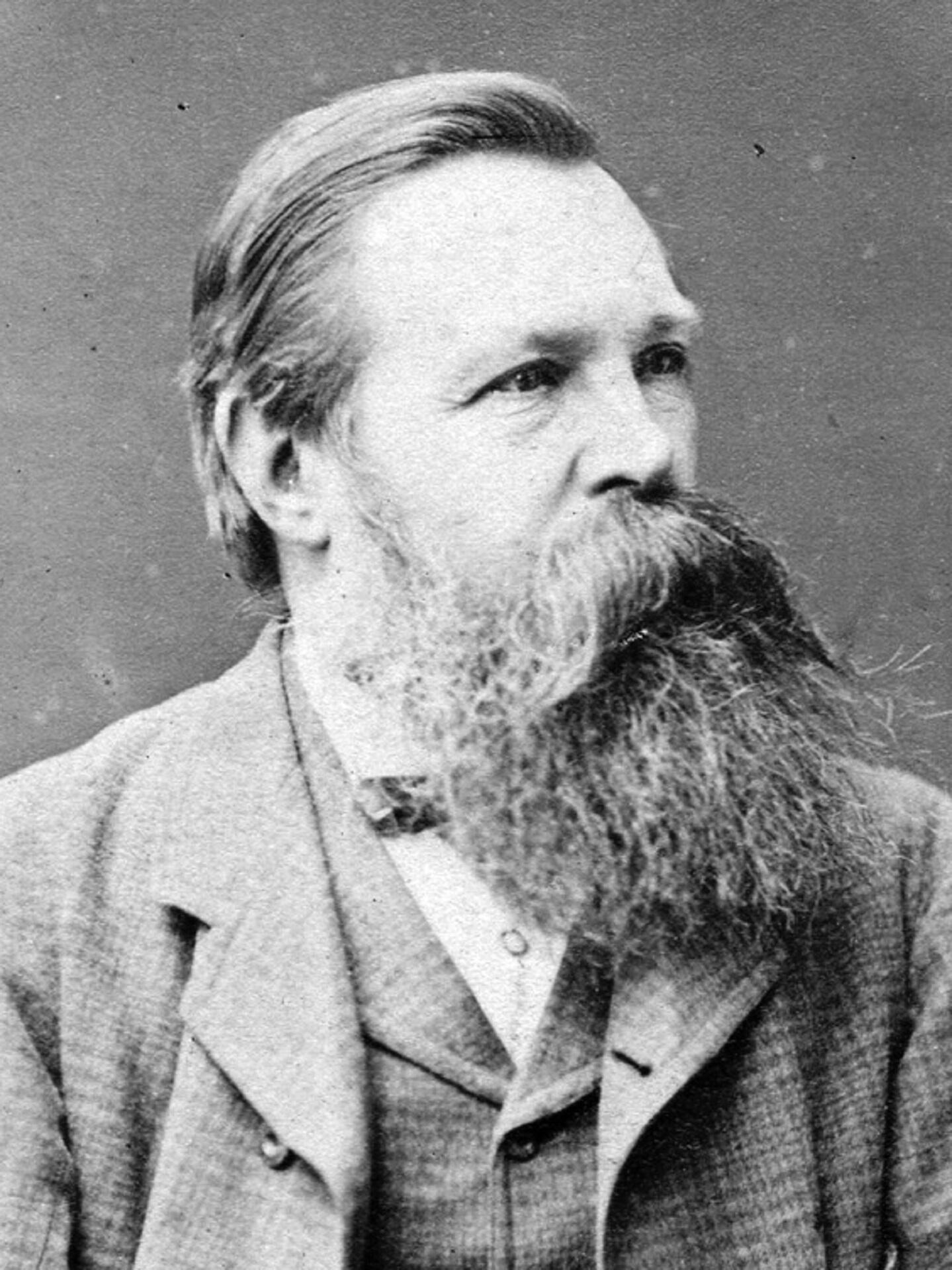
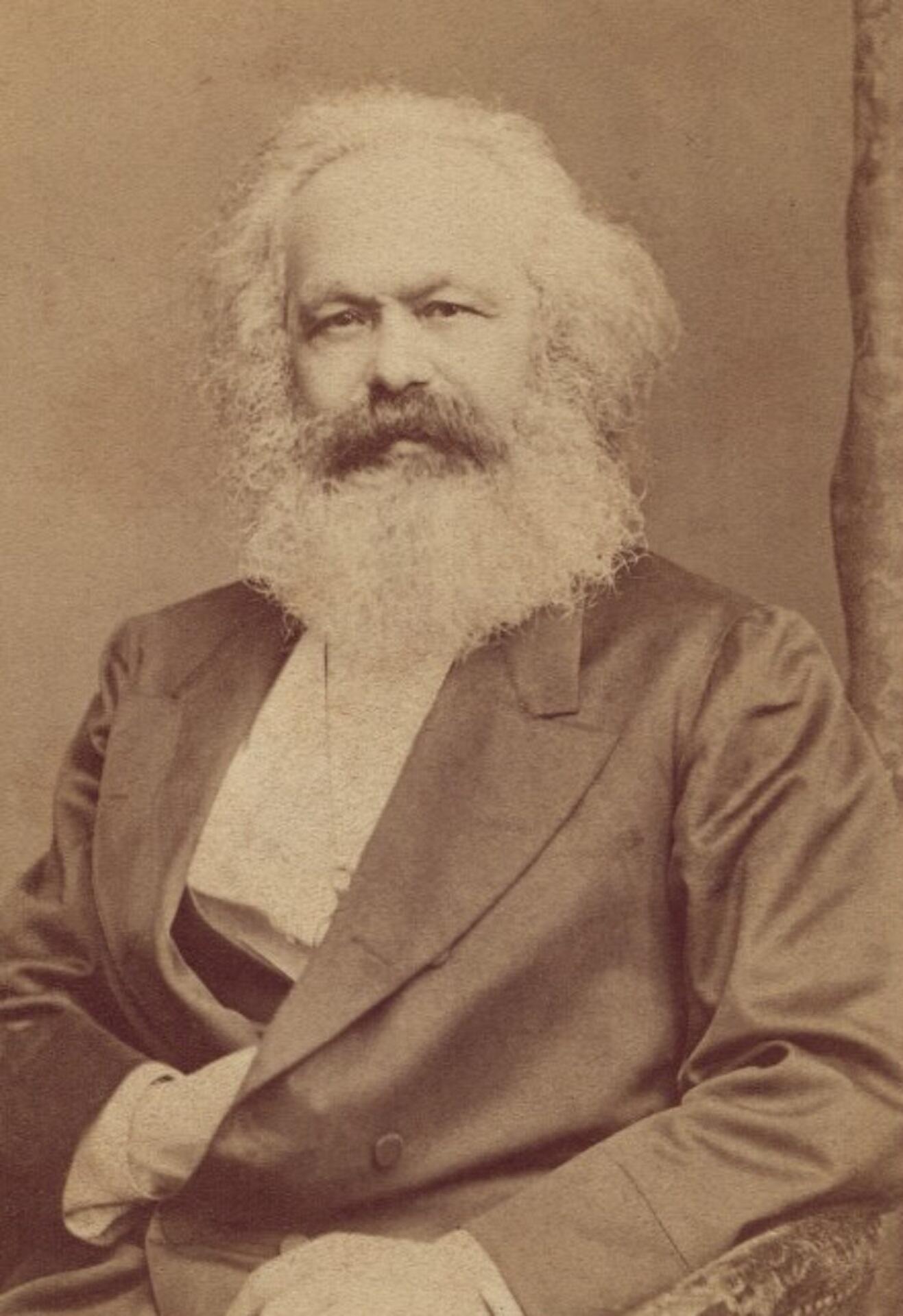
Karl Marx and Friedrich Engels were ideological soulmates. They both came from well-to-do households which, rather than make them appreciate their privilege, horrified them. To them, an unequal society was beyond cruel. It defied human nature and stifled individuals' hopes and possibilities.
Marx was all in on Enlightenment thinking, the ism he spent his life working towards has its roots in that movement. He and Engels folded many liberal concepts into their ideology but pushed beyond liberalism's limitations.
The First Industrial Revolution coincided with the Enlightenment, making urgent the need to equalise wealth and power across society.
Early thinkers along those lines include Charles Fourier and Robert Owen, but other socialist thinkers had a far greater impact:
- Rosa Luxemburg: the masses are capable, therefore the revolution must triumph.
- Beatrice Webb: cooperation must be the root of progress and change.
- Anthony Crosland: equality, social welfare and personal liberty instead of nationalisation.
- Anthony Giddens: socialist politics and liberal economics.
Anthony Giddens called his movement the Third Way. It borrowed from socialist ideology and liberalism to form an alternate way of building society. As socialism is all about meeting in the middle, many of its associated terms suggest that.
| 🤔Concept | 🧾Meaning |
|---|---|
| Capitalism | An economic system that calls for good to be produced for profit, wherein wealth his private. |
| Class consciousness | The understanding that social classes are a historical phenomenon. |
| Common ownership | The ownership of the means of production so that all may participate in its running, and benefit from its wealth creation. |
| Communism | The organisation of society based on the common ownership of wealth. |
| Cooperation | Working collectively to attain mutual benefits. |
| Dielectic | A development process that takes place through conflict between two opposing forces. Marxism: class conflict creates contradictions, which lead to change. |
| Evolutionary socialism | A radical, incremental way to transform society through legal, peaceful means |
| Fraternity | The comradeship that binds humans together. |
| Historical materialism | The Marxian idea that economic systems form the basis of society - its politics, laws, and social consciousness, among others. |
| Marxism | The explanation for why communism will ultimately replace capitalism. |
| Revisionism | Redefining socialism so that it's not so harsh on capitalism, and smooths socialism's rough edges. |
| Social justice | A morally justifiable distribution of wealth. A desire to limit inequality. |
The Conservative Political Ideology
All the isms your curriculum presents are constantly in flux, with new thinkers proposing ideas and rejecting established concepts. However, none are so affected with such changes as the conservative ideology. The clip above presents 10 variations on the conservative theme, all of which keep these fundamental ideas at their base:
- authority
- social order
- the right to own property
- defining human nature
- the state the economy
Unlike socialism and liberalism, conservatism has no clear 'start'. Many of the aspects conservatives revere have long been a part of society. Those include paternalism, so-called 'traditional values', and the concept that humans are fallible.
Thomas Hobbes proposed a philosophy of imperfection to describe humans' vulnerability and neediness. He emphasised human fallibility and discounted human potential.
Hobbes helped define characteristics that would later fold into conservative thought. Today, he's celebrated as the intellectual godfather of conservatism. The ideology didn't get a name until the Bourbon Restoration period (1818), as those leaders tried to roll back social gains made during the French Revolution.
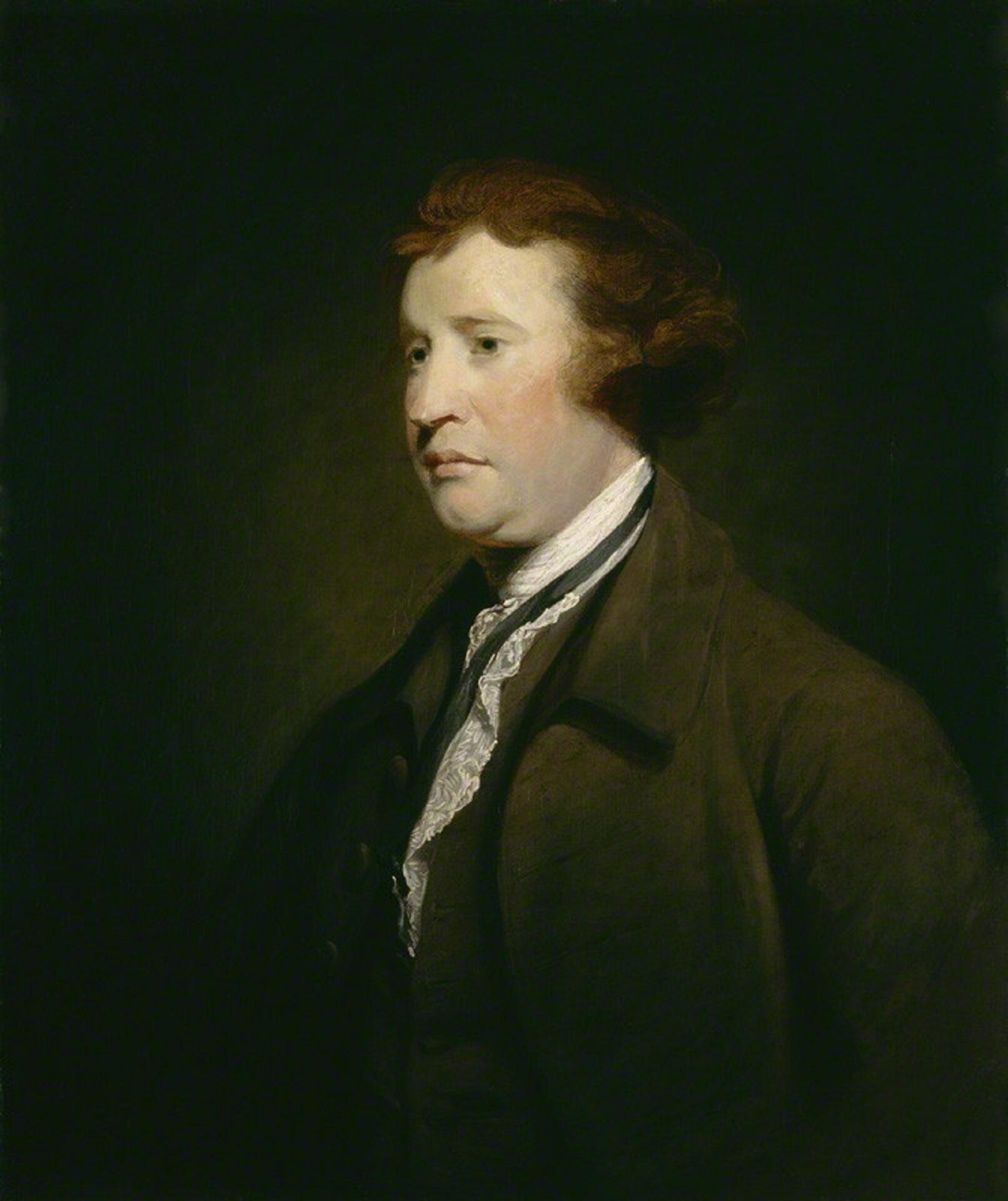
We credit Edmund Burke as the father of conservatism, though he too predates its naming.
Burke had firm ideas on how to structure society and everyone's role in it.
Economically, he favoured private property and tolerated capitalism, though he feared humans were too 'weak' to make judicious use of wealth.
The glossary of terms to describe conservatism can be confusing. More so than the other isms you study, conservatives bake contradictions into their ideology. Consider this list of keywords for proof.
| 🤔Concept | 🧾Definition |
|---|---|
| Anti-permissiveness | No objective right or wrong; people should make moral choices. |
| Atomism | Society consists of self-interested, self-sufficient individuals. Also called egoistical individualism. |
| Authority | People in higher social classes are better able to determine the course of society. Authority is top-down. |
| Empiricism | Evidence comes from experience. Theories have no weight. |
| Hierarchy | Societal organisation is fixed into tiers. Individuals' place does not depend on ability. |
| Human imperfection | Humans are incapable of making sound decisions for themselves because they're flawed. |
| Laissez-faire | Minimal government interference in business and the state. From French: literally 'let them do' |
| Law and order | Harsh enforcement and strict penalties to maintain social order and reduce crime. |
| Libertarianism Neo-libertarianism | Maximises autonomy and free choice, particularly in economic matters. |
| Noblesse oblige | The wealthy, privileged classes have a duty to look after the lower classes. |
| Nuclear family | Parents and their children, living together in one home. |
| Organic state-society | The state is more important than any component, including its citizens. |
| Paternalism | The state exerts benign power over the people's interests. |
| Pragmatism | Decisions made based on what works for society. |
| Radical | A belief that favours sharp economic, political, and social change. |
| Tradition | The accumulated wisdom of past generations. Tradition creates stability, enhances security, and leads to organic change. |
Political Ideology Examples: Non-Core Isms
The socialist struggle, liberal ideas and the strong hand of conservatism tend to dominate political discourse. However, societies across the world long to expand their political and economic clout. They do so from a variety of platforms.
Anarchism
This ideology aims to liberate people from political oversight and economic exploitation. It rejects the concept of the state and all political authority, in any form.
Emma Goldman, Pierre-Joseph Proudhon, and Max Stirner were leading anarchists. They all advocated for revolution - peacefully, in Proudhon's case. They each proposed a different flavour of anarchism.
| 🔖Type of anarchism | 🧾What it means |
|---|---|
| Collectivist anarchism | A system of common ownership that nurtures rational, altruistic and cooperative human nature. |
| Individualist anarchism | Rational, autonomous, competitive and self-interested individuals get to make decisions in their own best interests. |
| Insurrection | Individuals elevating themselves above the established institutions, leaving them hollowed out and powerless. |
| Mutualism | Equitable exchange between self-governing producers. |
| Solidarity | The people's togetherness proves that no government oversight or regulation is needed. Such regulation makes solidarity impossible. |
| Syndicalism | The working class, through trade unions, conducts revolutionary strikes to demonstrate their political power. |
Feminism
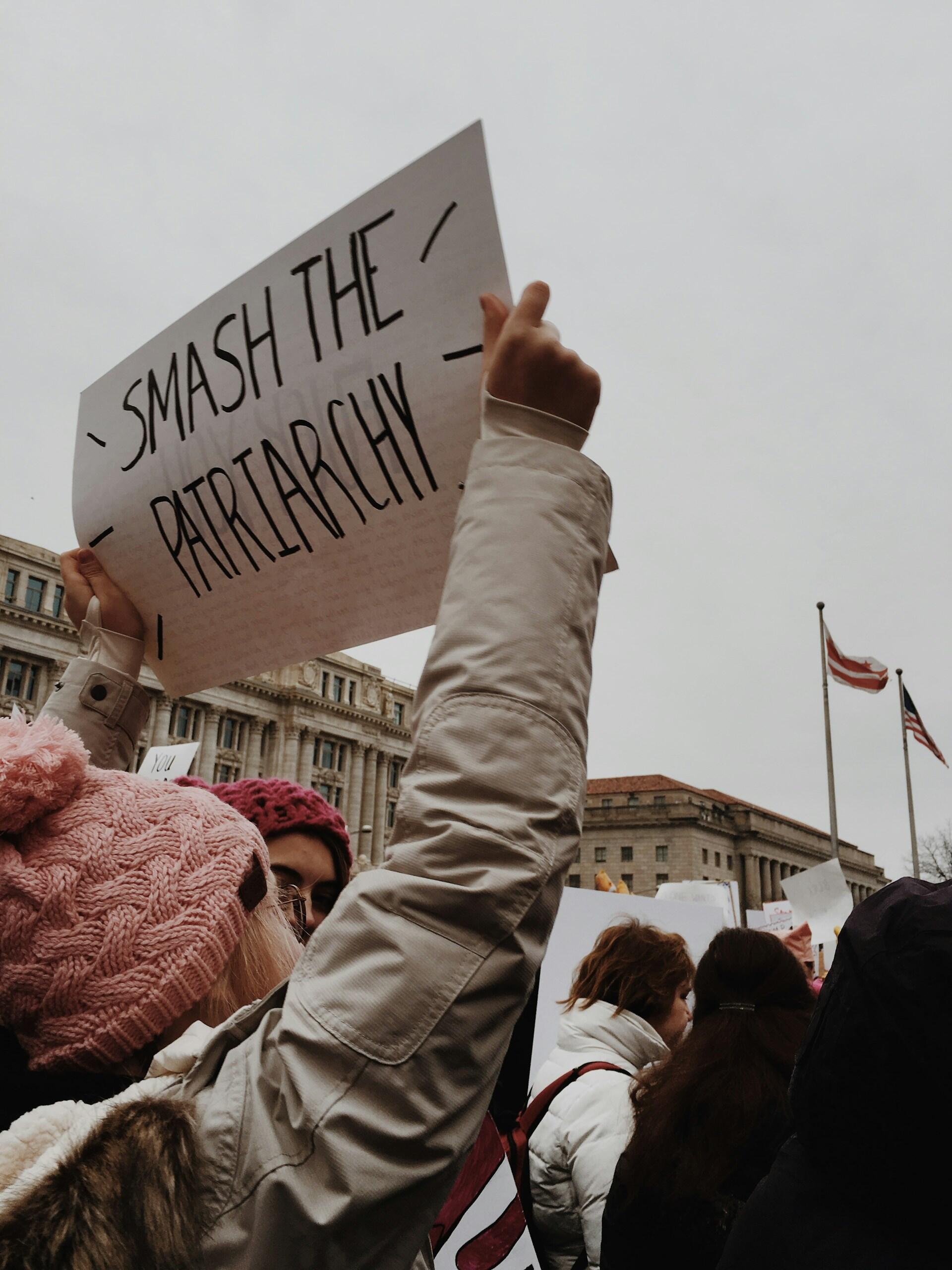
It's not hard to get the basis for this ideology, but it's easy to misrepresent feminism. The world's feminists don't want to trade places with men, as the oft-heard criticism goes. They want to be equal to their male counterparts. Equal in social status, political recognition, and economic power.
Charlotte Perkins Gilman, Simone de Beauvoir, and bell hooks each had their own visions of the feminist ideal. Together, they covered the feminist spectrum, from radical feminism to liberal feminism.
Many of the words they used apply across political ideologies, with essentialism perhaps being the most targeted term.
Biological factors matter when assessing the difference between men and women.
Nationalism

Nationalists believe that nations have always been and will always be. The concept relies less on the land's borders and more on the culture and traditions of the people living within them.
Their main goal is to preserve for themselves the right to continue those traditions without interference.
This ism sparks a type of racialism, as nationalists believe biological markers matter in determining who belongs in the nation.
Furthermore, they believe in internationalism, as they contend other societies must also be nationalist, so common ground can be found.
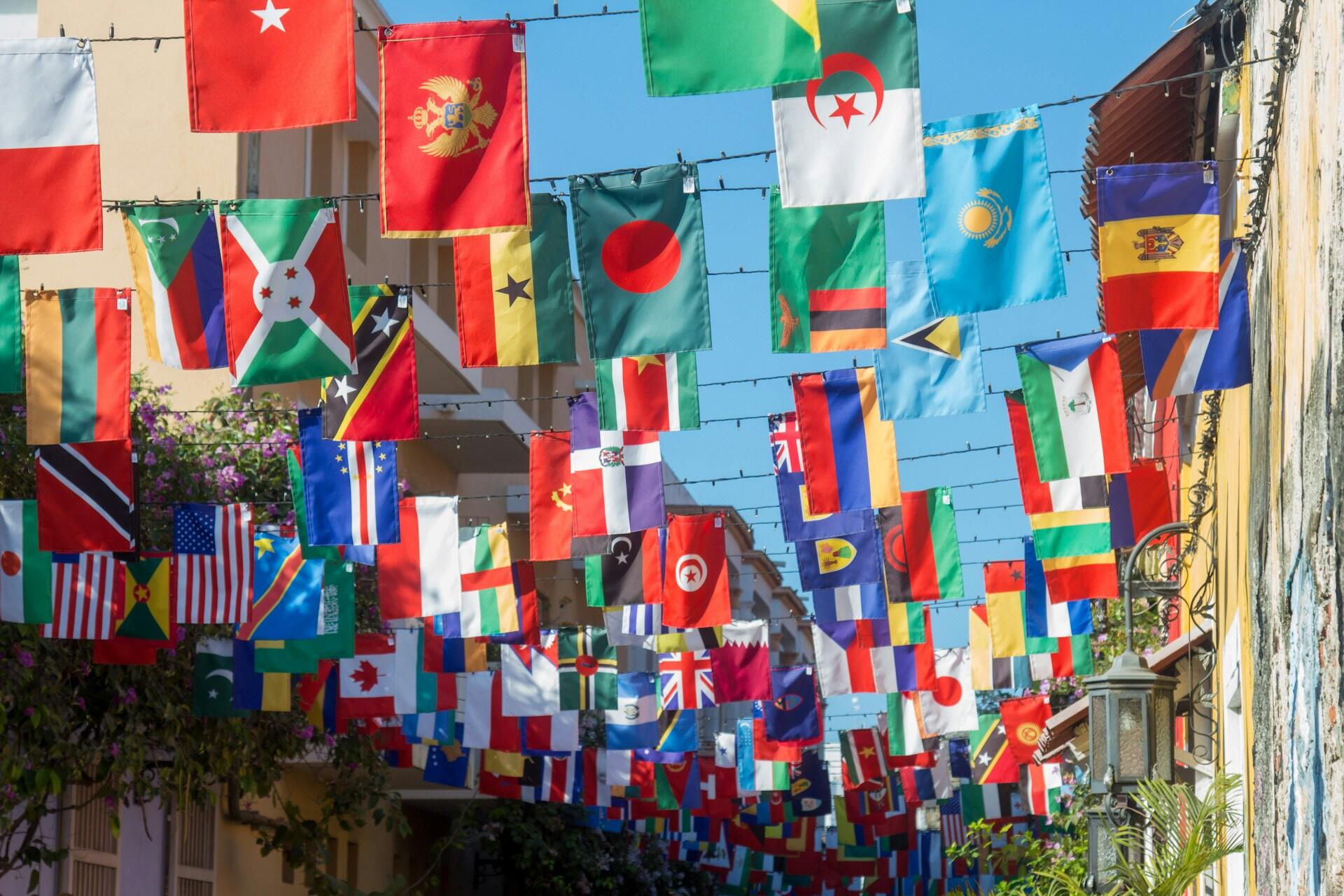
Multiculturalism
This political ideology strives to find ways to accommodate religious and cultural diversity while maintaining civic unity.
it opposes nationalism, leaning more into equal opportunity, tolerance, and assimilation.
Around the world and in the UK, fury over immigration stymies multicultural efforts. It was one of the main reasons people voted to leave the European Union, and a pillar of Reform UK's platform. Multicultural thinkers like Charles Taylor and Isaiah Berlin revile this type of thinking.
Ecologism
Urbanisation and industrialisation have taken a heavy toll on our natural environment. The ecologist ideology proposes to balance the harm already caused through sustainability efforts. Going further, it seeks to change our relationship with nature by radically altering social and political norms.
We stand now where two roads diverge.
Rachel Carson
Ms Carson ranks among the top thinkers of ecologism, alongside Murray Bookchin, Carolyn Merchant, and Aldo Leopold. They use common terms, a blend of scientific and economic callouts, to make their points clear. Their ideas fit well into other non-core political ideologies.
Summarise with AI:
Did you like this article? Leave a rating!

 Loading...