
Around the world, self-branded socialist democratic governments are imposing increasingly conservative ideas on their citizens. Our own Labour government doesn’t shy away from – or condemn such policy initiatives. To understand this trend and its implications, A-Level Politics students must know what conservatism represents. They must have firm responses to questions about conservatism and know the thinkers who conceived these ideas.
| 🎩Conservative thinker | 📅When they lived | 🏆What they championed |
|---|---|---|
| Thomas Hobbes | 1588 to 1679 | Humans are vulnerable and needy; they must have an established order. Order: the social order must take into account the human need for a free life. |
| Edmund Burke | 1729 to 1797 | Political change must be cautious and organic. General wisdom and practices must be respected. |
| Michael Oakeshott | 1901 to 1990 | Pragmatism: favouring practical solutions over discussion or theory. Humans are imperfect, making society unpredictable. |
| Ayn Rand | 1905 to 1982 | Objectivism: rational self-interest is virtuous and should be encouraged. Economic freedom (laisser faire capitalism) leads to political freedom. |
| Robert Nozick | 1938 to 2002 | Self-ownership: people 'own' themselves and all their inherent features and functions. Individuals cannot be treated as a resource or used as property. |


The Ideology's Roots: Conservatism Key Thinkers
The state of nature for humans is poor, nasty, brutish, and short.
Thomas Hobbes
We can trace the beginnings of socialist political ideology to the Age of Enlightenment, and those of liberalism, too. Conservatism's roots are a bit harder to pin down.
Thomas Hobbes (1588 - 1679) is considered the intellectual godfather of the realist right.
He contended that humans needed a central authority to establish and uphold law and order.
Royalty and its appointees should be at the heart of this proposed authority, and its driving force.
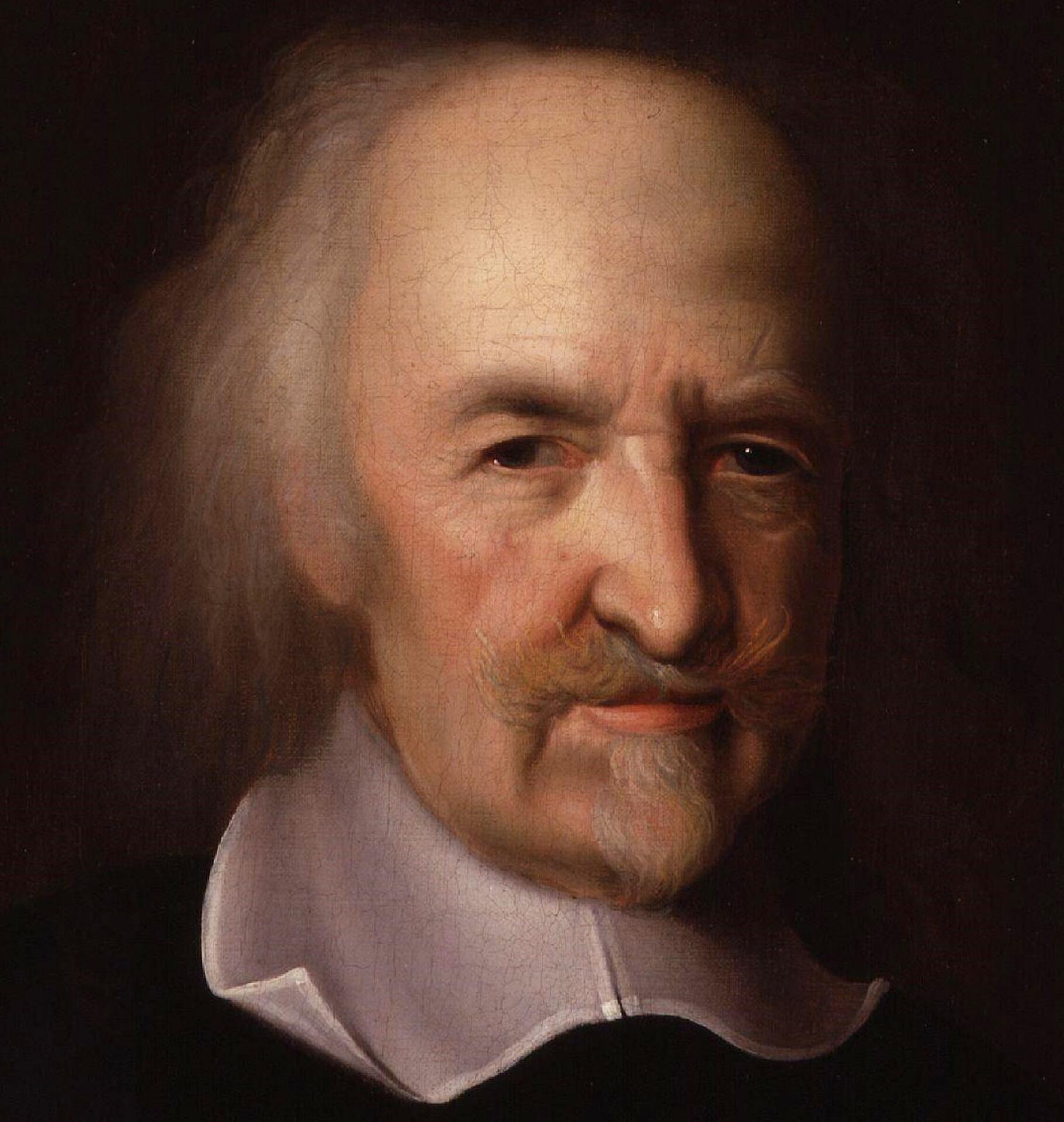
This paternalistic view set the stage for conservatism, but didn't define it.
The American cartoon strip by that name pays tribute to John Calvin and Thomas Hobbes. The strip explored many philosophical ideas, including Hobbes' poor views of human nature.
A religious man, Edmund Burke applied the Bible's concept of original sin to his social organisation theories. He too believed that humans needed a firm hand, preferably an aristocratic one, and traditional institutions: the monarchy, the Church, and an established government. In this respect, he echoed Hobbes' 'philosophy of imperfection'.
Thanks to Burke's influence, most people assign the Age of Enlightenment as conservatism's beginning. It emerged as an anti-Enlightenment movement.
More Conservative Thinkers
Michael Oakeshott (1901–1990) cemented into conservatism the idea that humans are not perfect, so they need a firm hand, lest society get out of control. While still at Cambridge, he embraced British Idealism, the belief in an absolute, self-sufficient reality.
He was shocked out of such notions in 1930s Germany, where he went to further his studies. His remaining academic records show a dislike of Marxism and Nazism.
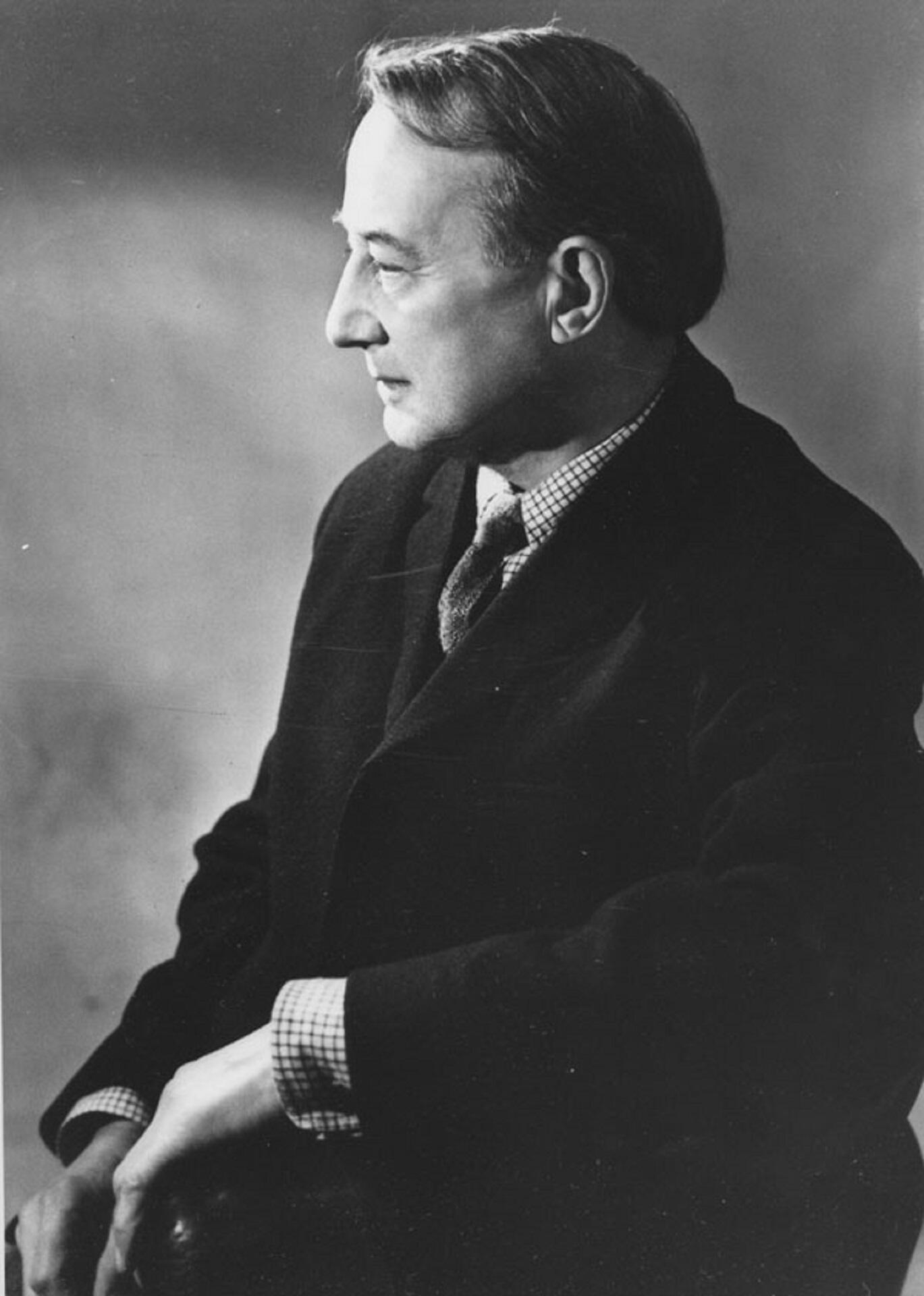
Hegel became his philosopher of choice, from whom he took his ideas on pragmatism.
The idea of conservatism being pragmatic. In philosophical terms, that means every concept boils down to its practical applicability.
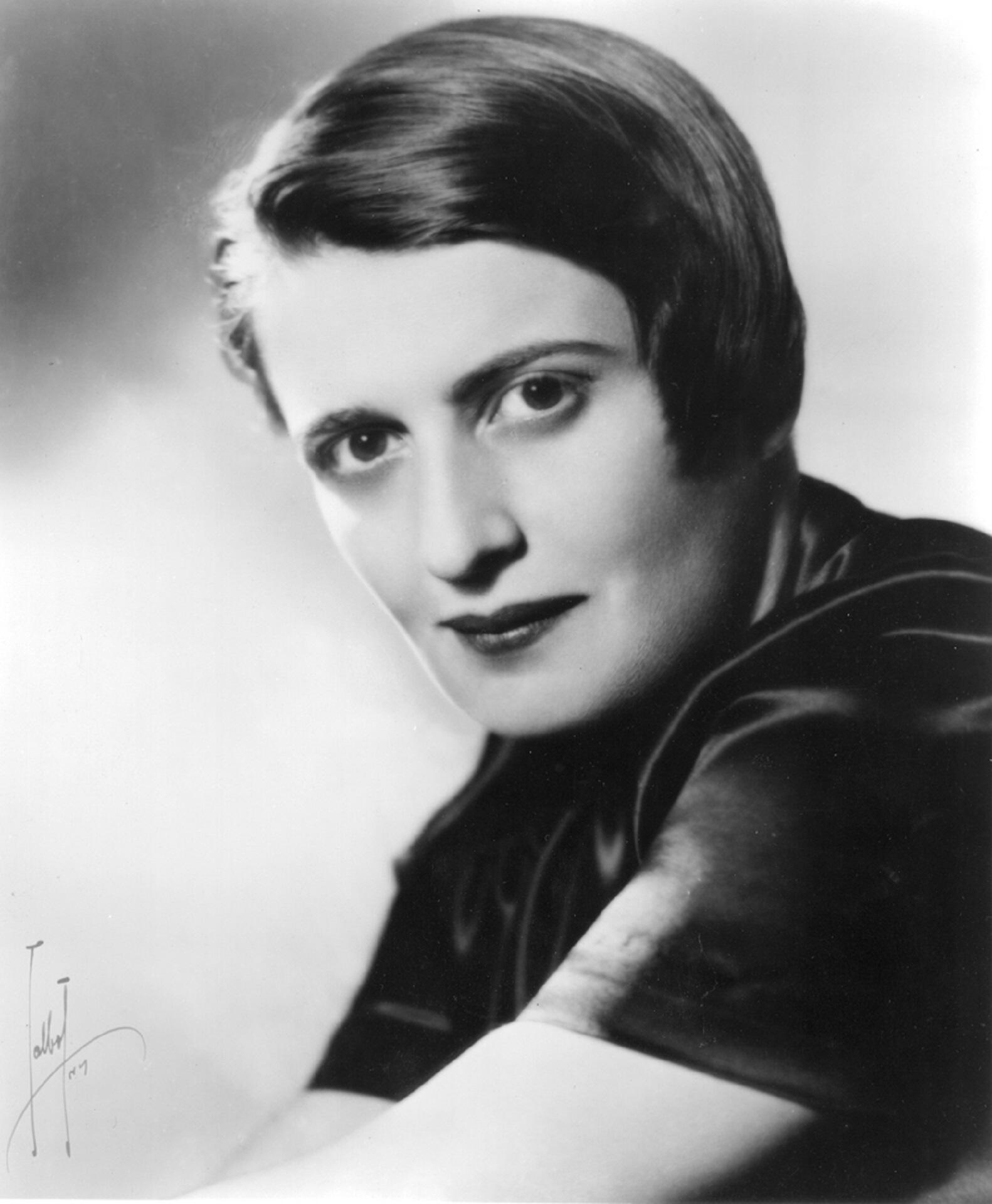
Ayn Rand (1905–1982) is an unusual conservative, in that she rejected religion and its institutions.
She also resented government, where control of the individual and economic matters were concerned.
She promoted many views in line with the liberal ideology, such as property ownership and individual rights.
She is renowned for two perspectives:
Objectivism
The belief in rational self-interest, ethical egoism, and productive achievement as a noble activity.
Freedom
Ayn Rand's definition entailed property rights, individual rights, and laissez-faire capitalism
Robert Nozick (1938–2002) briefly flirted with socialism at university before discovering Friedrich Hayek. After reading The Constitution of Liberty, he began adopting conservative views.
I was pulled into libertarianism reluctantly.
Robert Nozick
From Hayek, he skipped to Emmanuel Kant, and embraced the libertarian ideology wholeheartedly. He points to Kant's idea that individuals are not resources; they cannot be used against their will. Nozick extends that idea by emphasising 'self-ownership': people own their bodies, skills, talents, and labour (and their data?).
A-Level Politics: Conservatism Definition
Conservatives view change warily. They believe it should happen slowly, organically - as needed, and incrementally. They value pragmatic solutions over theoretical concepts, and strive to adapt their ideology and values to their changing society.
Society and humanity have changed dramatically since the original conservative thinkers put forth their ideas. Today, some conservatives believe traditional ideas are outdated.
Conservatism, Tensions and Conflict
The best way to examine the evolution of conservative ideas, and the tensions those changes create is to see them side by side:
Traditional conservatism
- established institutions
- gradual changes
- values authority and security
- paternalistic hierarchy
One Nation conservatism
- paternalistic
- updating conservative thought to keep up with capitalist expansion
New Right conservatism
- neoliberal economics
- traditional social values
- priority on law and order
- emphasises public morality
Of all conservatism's contradictions, the imbalance between its fundamental concepts is the starkest.
Human imperfection
- focus on fallibility
- disregard potential
- must be 'overseen'
Empiricism
- knowledge comes from experience
- blends tradition and pragmatism
- favours the wisdom of generations.
Pragmatism
- suitable solutions
- will it work?
- rejection of theory
- reliance on tradition
We start with the premise that humans are fallible and lack potential. Thus, they may only apply traditional solutions to social problems. They must overlook that those problems must have their roots in tradition. Traditional knowledge comes from experience - not new ideas. But, didn't new ideas once help create the traditions conservatives revere?
The Values of Conservatism
The song 'Grandpa tell me bout the good old days' by the Judds lists several mythical conservative values, including families praying together, staying together, and that those days were better. Such wistfulness stretches the imagination. The historical record is full of fathers who went away, or outright denied their offspring. That implies, of course, that lovers didn’t stay together.
Still, conservatives present such scenes as the standard for humans to aspire to. Those picture-perfect visions clash with the conservative belief that humans are fallible and imperfect. That, in turn, sets the stage for the tensions and conflicts this ideology presents.
Humans are flawed.
The state is more important than its people.
Paternalism should be benign.
Tradition - myths from the past.
Those who embrace non-core political values revile those positions. Imagine a feminist submitting to the patriarchy, or an anarchist confessing that the state is more important! Other terms in the conservative glossary are equally questionable:
| 🤔Concept | 🧾Definition |
|---|---|
| Anti-permissiveness | No objective right or wrong; people should make moral choices. |
| Atomism | Society consists of self-interested, self-sufficient individuals. Also called egoistical individualism. |
| Authority | People in higher social classes are better able to determine the course of society. Authority is top-down. |
| Empiricism | Evidence comes from experience. Theories have no weight. |
| Hierarchy | Societal organisation is fixed into tiers. Individuals' place does not depend on ability. |
| Human imperfection | Humans are incapable of making sound decisions for themselves because they're flawed. |
| Laissez-faire | Minimal government interference in business and the state. From French: literally 'let them do' |
| Law and order | Harsh enforcement and strict penalties to maintain social order and reduce crime. |
| Libertarianism Neo-libertarianism | Maximises autonomy and free choice, particularly in economic matters. |
| Noblesse oblige | The wealthy, privileged classes have a duty to look after the lower classes. |
| Nuclear family | Parents and their children, living together in one home. |
| Organic state-society | The state is more important than any component, including its citizens. |
| Paternalism | The state exerts benign power over the people's interests. |
| Pragmatism | Decisions made based on what works for society. |
| Radical | A belief that favours sharp economic, political, and social change. |
| Tradition | The accumulated wisdom of past generations. Tradition creates stability, enhances security, and leads to organic change. |
A-Level Politics Conservatism Views
Conservatives view aspects of the human experience through curiously insular lenses. For instance, private property and the economic structures to permit it are good.

However, stability is more desirable than economic certainty, so conservative thought says we must trim economic systems to maintain a stable society. We can examine other human constructs to see how confusing conservative ideas can be.
The State
For this conservative aspect, Hobbesean thought prevails. Recall his buzzwords: security, stability, authority, and order. Only with those qualities can the state 'oversee' society. From there, Burke's views on society kick in, emphasising hierarchy and aristocracy.
These views suggest that humans must be amenable to being led, managed, and 'overseen'. The contradiction lies in the fact that those with the 'paternalistic responsibility' of overseeing humans are themselves human.
Society
Conservative thinkers believed that social change was inevitable, but that it should be done in increments. This position stems from their disdain of French Revolution 'messiness'. Conservatives advocated for reforms, but only if they were done cautiously, with only small changes over time.
Society must change to conserve.
Edmund Burke
The conservative philosophy of imperfection implies that social inequality is both desirable and unavoidable. Conservatives' goal is to establish small communities, Burke's 'little platoons', which a paternalistic authority would oversee. The contradiction lies in the state never changing, while society inevitably will.
Humanity
In many ways, conservatism echoes Christian religious doctrine, from its appeal to authority to the belief that humans will always fall short. As the men who shaped conservative thought were deeply religious, it's no surprise that they would project those views on humanity.
This ism's guiding philosophy of imperfection paints humans as fallible, rather than full of potential. The contradiction lies in the belief that upper social classes should guide society, even though upper-class populations must themselves be imperfect, and lacking potential.
Socialism regards humanity positively; so does liberalism.
By contrast, conservatism is sceptical of human nature. It posits that the gap between achievement and aspiration is too wide to be crossed.
These values and their explanations underscore this ism's contradictions and how dramatically this ideology stands apart from other leading political ideologies.
Conservatism: Then and Now
Conservative ideas covered in this article and in the A-Level Politics curriculum are traditional. Since the 1970s, conservatism has evolved - or, more specifically, traditional views face growing challenges from new conservative ideas.
This conservative evolution blends liberal elements into its visions of a conservative society.
Ayn Rand and Robert Nozick presented different ideas on how to organise society, manage the economy, and shape the state. Gone is the philosophy of imperfection.
Rand's view of humanity turns individuals into heroic beings, whose pursuit of happiness is a moral imperative. Nozick contends that, far from being imperfect and in need of guidance, humans should have minimal supervision. Key takeaways from all this are:
Summarise with AI:
Did you like this article? Leave a rating!

 Loading...