

The A-Level Politics exam challenges students to discuss aspects of various political ideologies, one of them being socialism. For exam success, students have to know about socialist leaders and thinkers. They should have an idea about core socialist ideas, and tensions within socialist movements. Here, we cover socialism's key concepts, socialist developments, and socialist thinkers.
| 🎩Socialist thinker | 📅When they lived | 🏆The ideas they championed |
|---|---|---|
| Karl Marx | 1818 - 1883 | Class, the class struggle, and the centrality of social class. Revolutionary class consciousness and dialectic change |
| Friedrich Engels | 1820 - 1895 | Helped formulate Marxist beliefs. Criticised capitalism and industrial working conditions. Emphasised historical materialism as a springboard into Marxism. |
| Rosa Luxemburg | 1858 - 1943 | Class consciousness is needed to overthrow the capitalist state. The masses, and the revolution, will inevitably triumph. |
| Beatrice Webb | 1871 - 1919 | Advocated for co-operation: co-operative individualism, federalism, and other aspects |
| Anthony Croslund | 1918 - 1977 | Criticised Marx Rejected nationalisation as a main goal Supported equality, personal liberty, and social welfare. |
| Anthony Giddens | 1938 - present | Advocates for right-wing economic / left-wing social policies Rejects traditional Marxist thought |


The Roots of Socialism
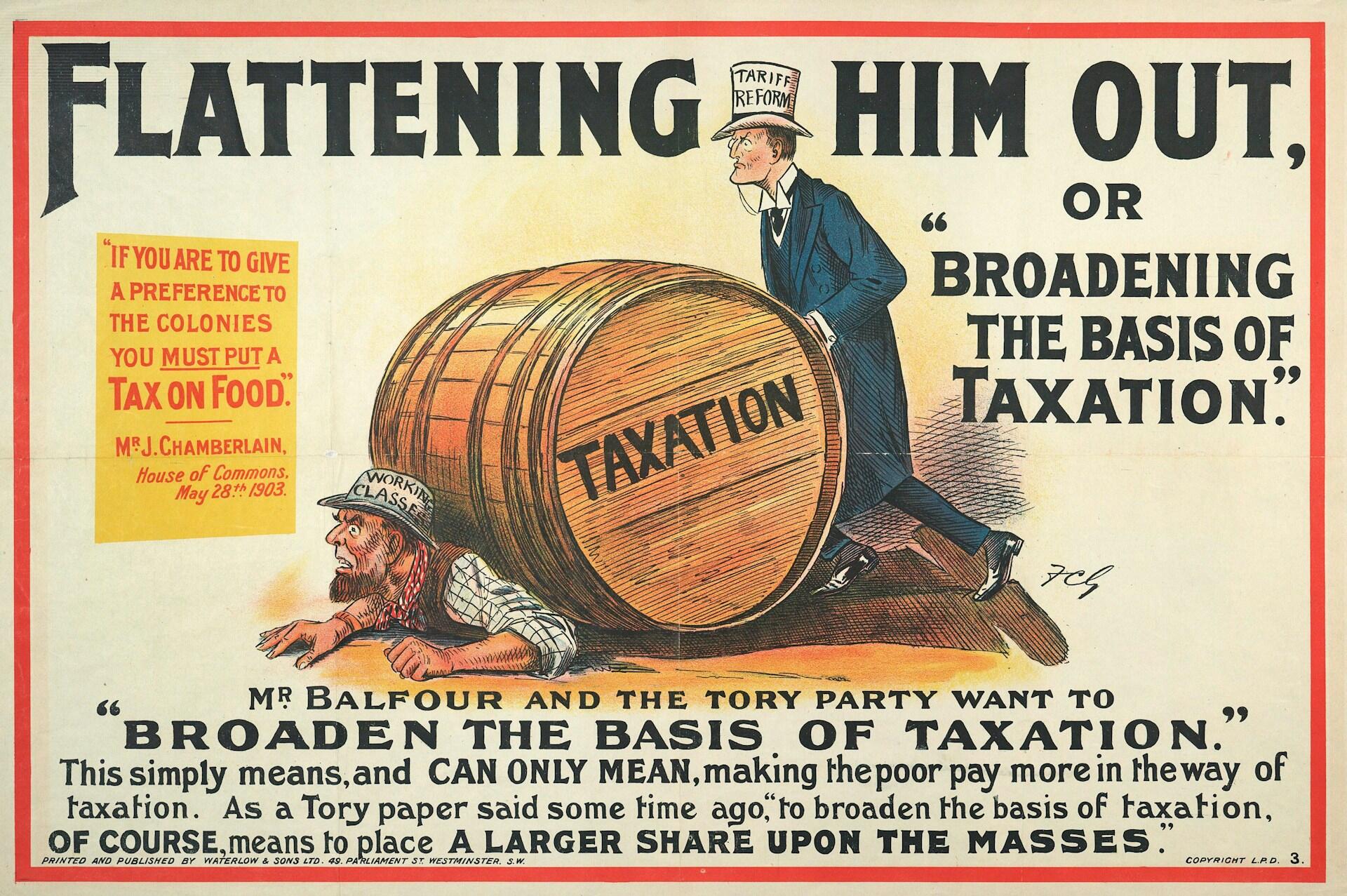
Taxation, wealth redistribution, and social classes have been a driver of the human experience since the beginnings of recorded history. And, probably, long before then.
It wasn't until after the Age of Enlightenment that fully formed socialist ideas took root.
The Enlightenment was an explosion of philosophical and intellectual movements in Western Europe, that lasted from the late 1600s to the early 19th Century.
To be sure, social inequality and economic resentment have been present throughout history. Our records are filled with accounts of uprisings and revolts. Still, it took the French Revolution - mass beheadings and the end of the monarchy, to throw open the door to new political and economic ideas.
Enter socialist thinker Karl Marx. Born into an upper-middle-class family in Trier, the Kingdom of Prussia, he was the son of a lawyer. The family owned several vineyards along the Moselle River, which added to their income and status.
Heinrich, Karl's father, embraced Enlightenment ideas, including political reform. He sent his son to a school whose teachers were liberal humanists. These influences shaped Marxist thought.
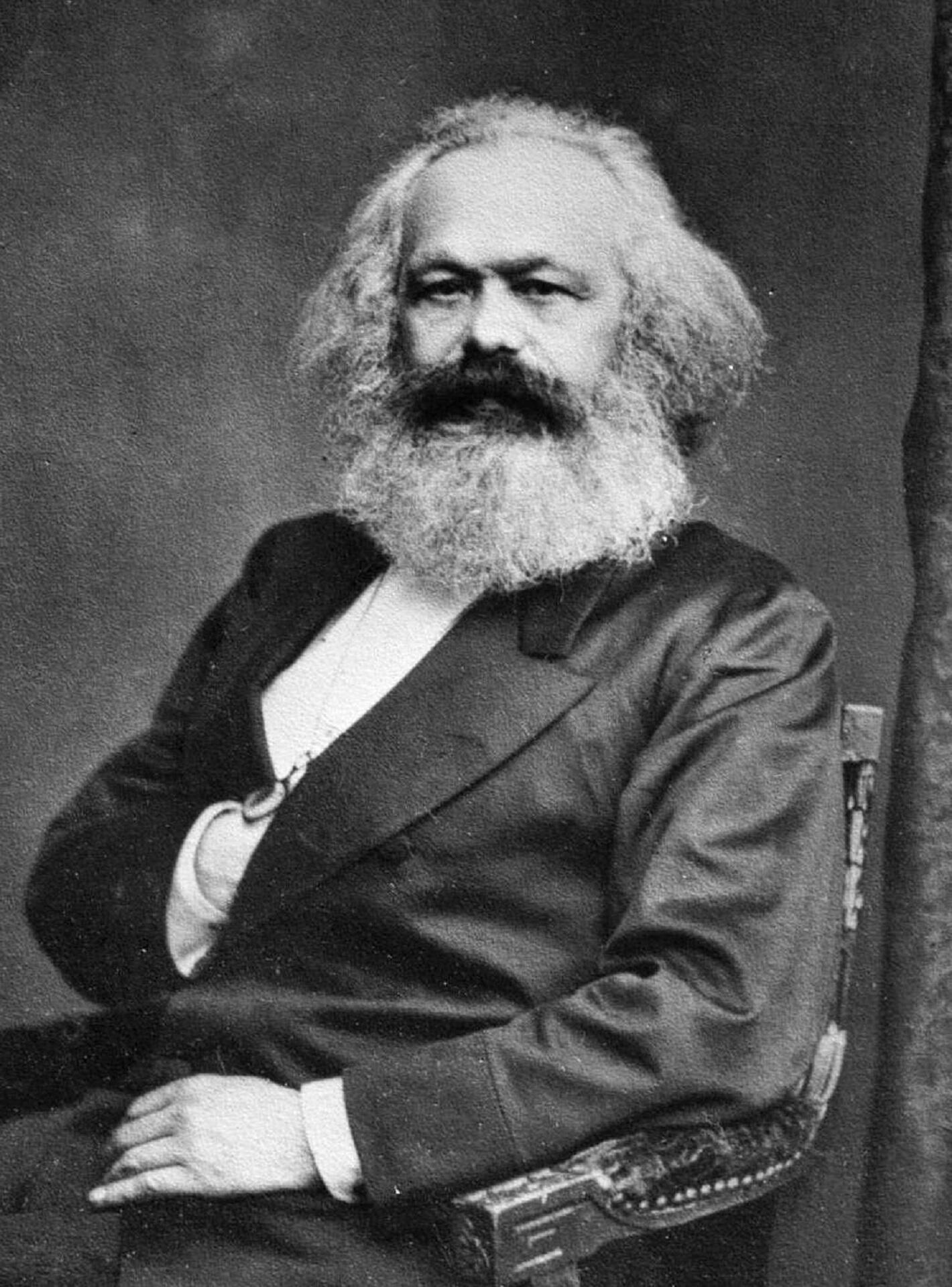
Karl Marx wrote three books detailing his socialist plan. Unfortunately, most people study only the first volume and consider their knowledge of Marxism complete.
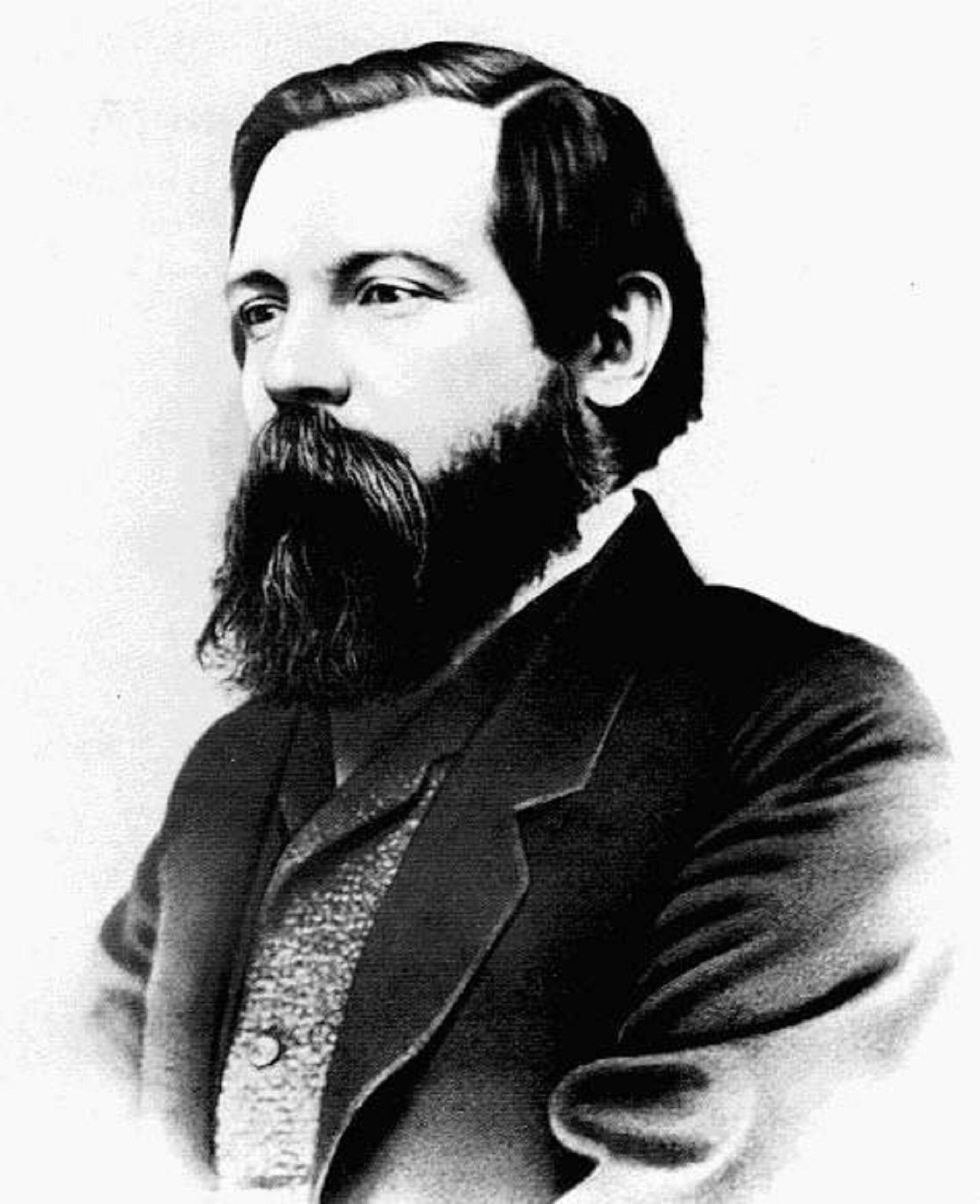
Friedrich Engels, three years Marx's junior, also hailed from a wealthy family in the Kingdom of Prussia. His father owned a textile factory, where young Friedrich saw firsthand the tragedy of capitalist enterprise.
Resisting family pressure to quit school and enter the family business, he became fast friends and ideological soulmates with Karl Marx.
Together, they built a socialist vision we know today as Marxism. Friedrich often funded his less-well-off friend's lifestyle and work, and contributed substantially to their written canon. It was he who published the last two Das Kapital volumes, which Marx left in draft form when he died.
Important Socialist Thinkers
English sociologist Anthony Giddens rejects traditional socialist ideas, in favour of a political Third Way. It proposes that social movements may be more effective than political action. He envisions a six-step process to radically reorganise politics:
- rediscover and repair solidarity
- recognise the importance of self-actualisation politics
- active trust means generative politics
- talk to one another (dialogic democracy)
- rethink the welfare state
His ideas are a touch controversial, and a bit outside of traditional socialist thought. He proposes borderline conservative views, which typically don't mesh well with socialist ideas. Marx and Engels called that type of thinking 'bourgeois socialism'.
Socialism Core Concepts and Ideas
In general terms, we might describe socialism's core concepts as social democracy, revolutionary socialism, and Marxism. All of these fold human nature, the nature of society, and the workings of the economy into the socialist framework.
But those terms aren't specific enough to get an idea of what socialism entails. So, we must drill down.
Common humanity
- describes human nature
- Human behaviour is socially determined
- Humans are social creatures who tend to cooperate
Collectivism
- describes the practical value of collective human effort, on the economy, and on humanity.
Out of those two principles grow three fundamental socialist ideas:
Equality
- vital to the state, the economy, society, and individuals.
Workers' control
- the degree of power workers have over the economy and/or the state
Social Class
- groups of people with the same socioeconomic status.
Bookending those fundamental concepts, we find alternate paths to achieving the socialist state. At one end sits revolutionary socialism, the idea that existing socioeconomic and political structures must be overthrown. At the other end, social democracy wishes to smooth out capitalism's rough edges and make it more human.
As noted above, Third Way proposes to mesh socialist aspects within free-market capitalism.
Socialist pioneers scoffed at such an idea, perhaps thinking of it as a betrayal of the working class. A similar blending of liberalism's principles of individual freedom with socialism's goal of self-direction, is equally reviled. Those two 'isms' share some ideas, but they are very different.
An Overview of Socialist Movements
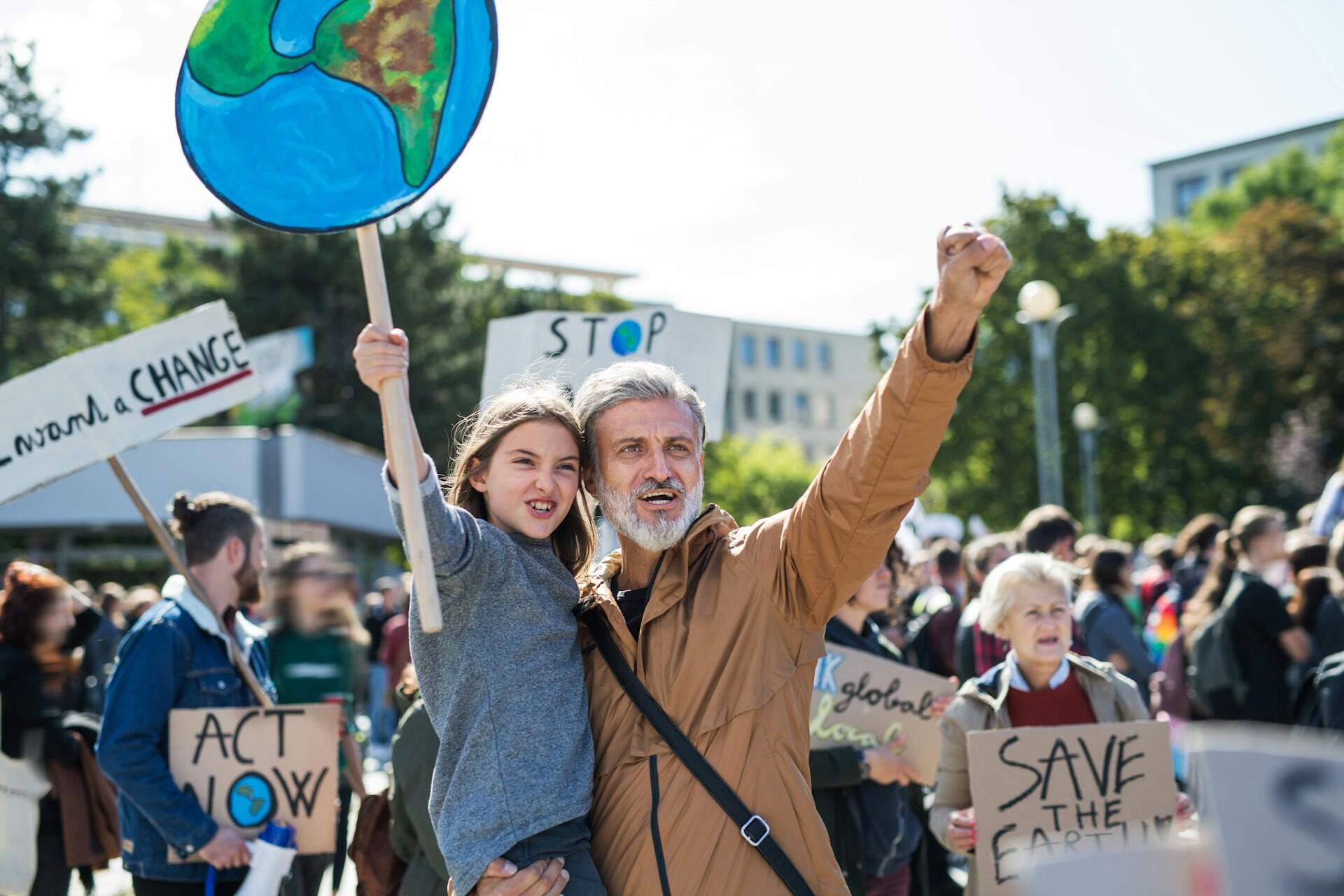
All human constructs (complex ideas) have variations. In religion alone, we find branches and loose affiliations of ideas. These ideas' complexities lend themselves to alternative interpretations, and create new avenues to explore. So, it comes as no surprise that socialism does the same. These are just a few socialist movements that have captured the public's imagination.
Leninism
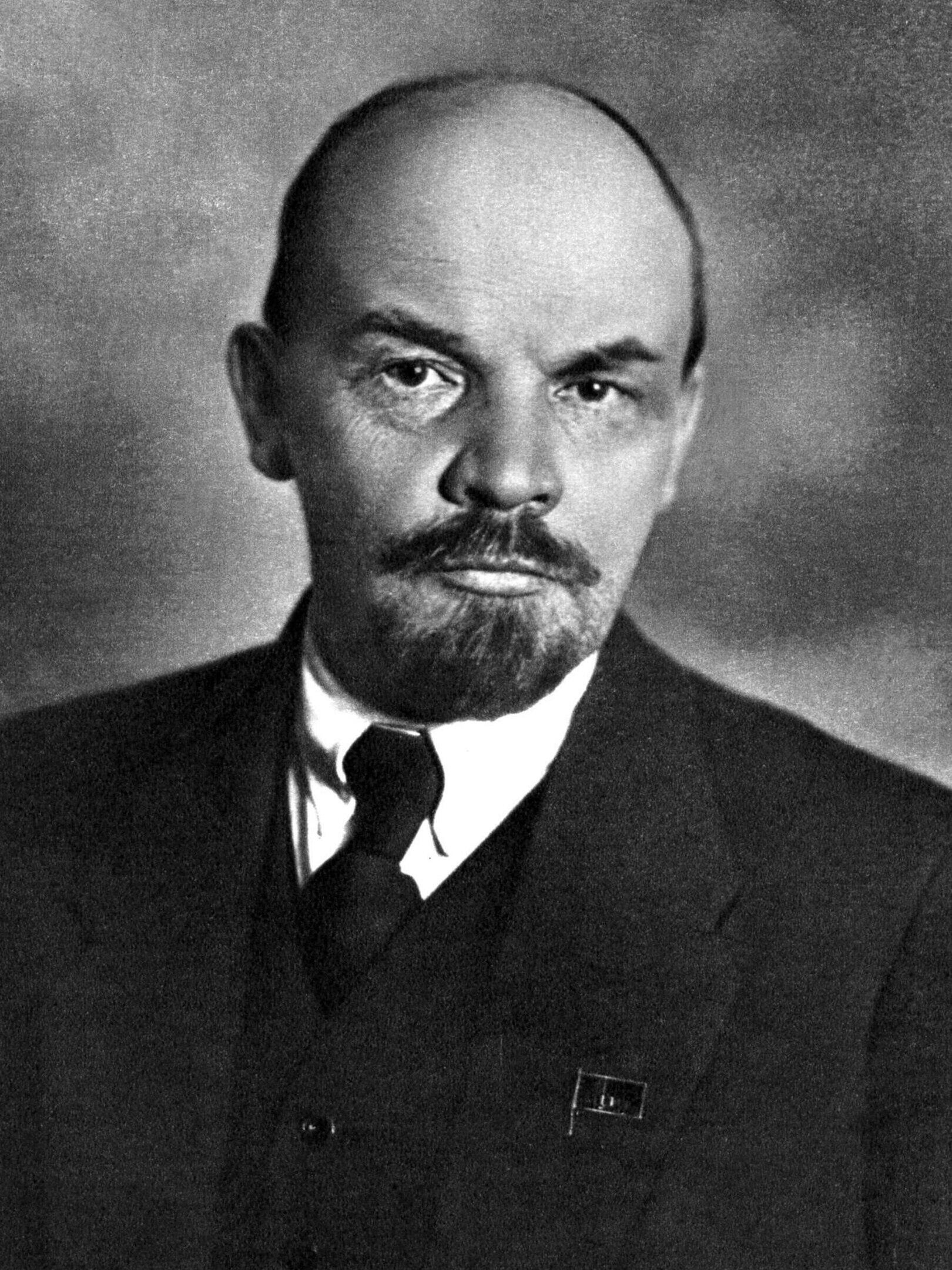
Vladimir Lenin believed a dictatorship of the proletariat would pave the way to communism.
Establishing that dictatorship must come through revolution, in which a vanguard party would lead the workers to political consciousness.
Eco-socialism
Eco-socialists believe that capitalism causes environmental degradation, inequality, and social exclusion. They discount 'green' movements and criticise left-wing politics for not going far enough to alter the current world systems, or rein in capitalism. They place emphasis on use-value and exchange-value contradictions.
Socialist Feminism
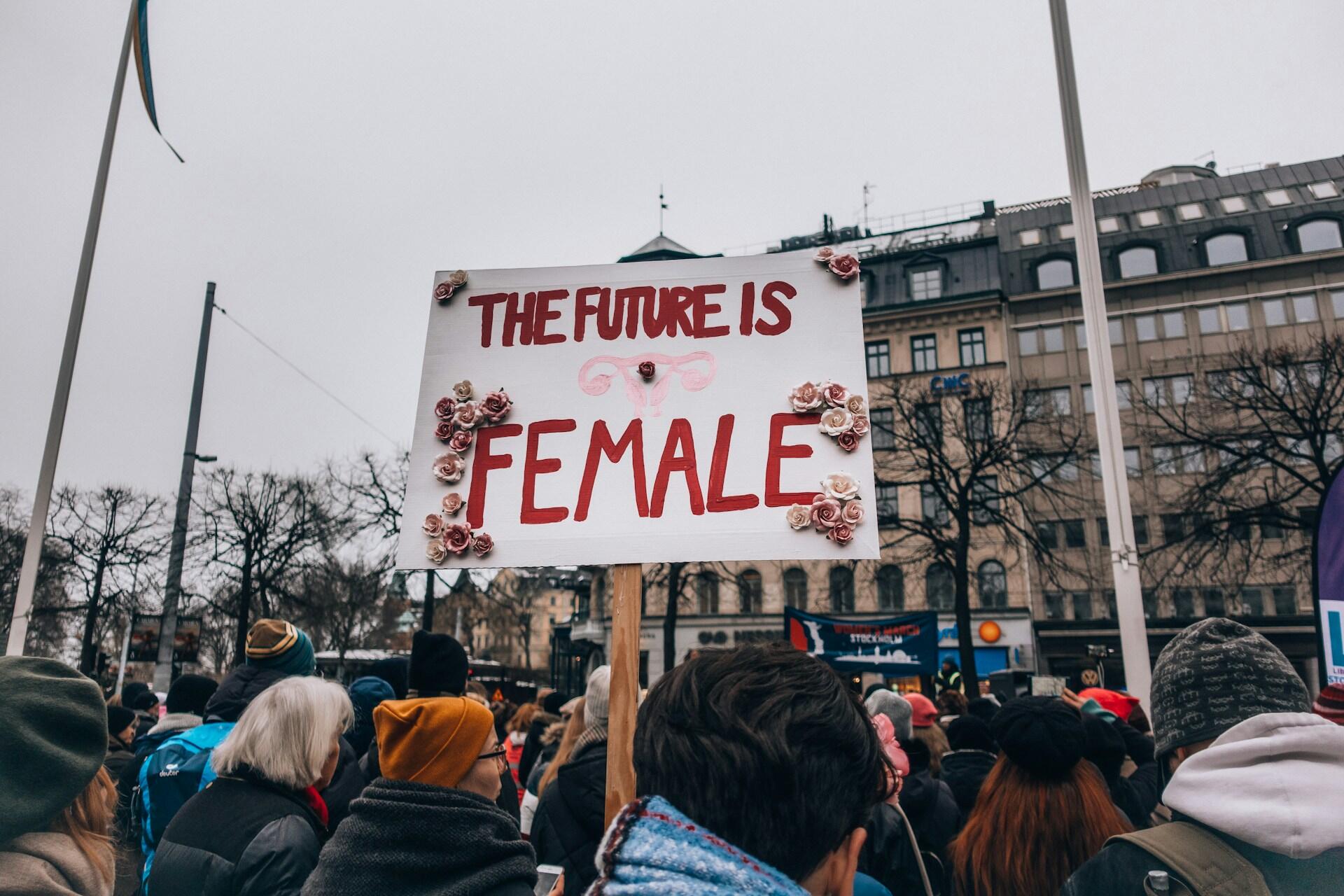
As a non-core ideology, feminism fits well within Marxist logic and the socialist framework. Socialism revolves around equal power relationships, and the lack of social classes. Feminism fights for gender equality, including in social power dynamics.
Religious Socialism
Written religious texts profess socialism: caring for the young, the poor and the weak, public control over economic utilities and, above all, equality. Each major religion champions their 'branded' socialism:
- Christian socialism
- Buddhist socialism
- Islamic socialism
- Jewish socialism
- Hindu socialism
Social Anarchism
This type of socialism sits left of Marxism, while still upholding anarchist views of liberty and individualism. It stresses that social solidarity relies on individual liberty. Other names for this movement include anarcho-socialism and socialist anarchism.

Democratic Socialism
People often confuse this movement with socialist democracy, or interpret them through the same lens, even though they are fundamentally different:
Strives to establish economic democracy by, and for, the working class.
Government policies for welfare, publicly financed services, and a mixed economy.
Socialism, Communism, and Capitalism
We must remember that socialism is both a political and an economic movement. So are communism and capitalism. What's less clear is how they differ across various aspects. Seeing them side by side lays out their respective qualities.
| 🔎Aspect | 🤝Socialism | 👨👩👧👦Communism | 🤑Capitalism |
|---|---|---|---|
| Religion | Freedom of religion | No official religion | Indifferent to religion (tends to support wealthy religious groups) |
| Role of government | Large government to ensure equality and resource distribution. | Total government control, over economy and society. | Minimal intervention, in business and economy. |
| Type of economy | Mixed economy, with elements of state planning. | Command economy. | Free market economy |
| Wealth distribution | Fair distribution aims to reduce inequality. | Strives for complete equality, with communal wealth ownership. | Competition makes economic inequality inevitable. |
| Resource ownership | The public (the state) owns the resources, and decides what to produce. | The state has control over the resources and production. | Private individuals and businesses own resources and control production. |
A major critique levelled at both capitalism and communism is that workers do not own the means of production. Instead, they trade their time and abilities to produce what they're told to produce. In return, they receive a wage, while the enterprise's profits go elsewhere.
Workers don't decide what to produce, how to produce, where to produce, and what to do with the profits.
Richard Wolff, Marxian economist
Professor Wolff argues that socialism and democracy coexist to varying degrees, and at various levels of society. However, in enterprise, top-down capitalist structures rule. Employees do not decide their enterprises' direction, nor do they enjoy the fruits of their labours.
He emphasises that workers bartering their labour for wages does not equal profit-sharing, as payrolls are a balance sheet expense. Dividends are not expenses. So, workers invariably lose out - they become cost-cutting measures, to be terminated in the quest for higher profits.
The good professor argues that conservative traditions run counter to socialist ideals, particularly the stance on social order and traditional institutions. Since the 1800s, socialists like Rosa Luxemburg have given their lives to revolutionising that social order, to make it fair for all.
What About Socialist Countries?
Socialist countries apply various combinations of socialist concepts. Among the most successful, we count Sweden - usually at the top of the global list for happiness and wellbeing. Brazil is also a socialist country, more specifically a democratic socialist land. Economic and political turmoil aside, Brazilians enjoy a high degree of social protections, and broad democratic rights.
Socialism with Chinese characteristics
Deng Xiaoping, Chinese reform leader
Give Sweden its due, but China is the most successful socialist country, by far. It is a market economy, fuelled with a blend of state and private investments. The state sets the agenda - its five-year plans, but leaves it up to industry and innovators how those goals will be achieved.
Among fundamental political ideologies, socialism is perhaps the most flexible. It is, at its heart, people-driven, even though it revolves around improving society (and economics), like other 'isms' do.
Summarise with AI:
Did you like this article? Leave a rating!

 Loading...