


The optimal nap length for studying is 10 to 20 minutes. This "power nap" window lets your brain rest in light sleep—enough to reduce mental fatigue and restore focus—without slipping into deeper stages that leave you groggy. If you have more time, a 90-minute nap lets you complete a full sleep cycle, but anything in between can backfire.
Here's a quick breakdown:
- 10–20 minutes: Ideal for a quick refresh. You'll wake alert and ready to study.
- 30–60 minutes: The danger zone. You risk waking mid-deep sleep, which causes grogginess that can last 30 minutes or more.
- 90 minutes: A full sleep cycle, including REM. Great for creativity and memory, but requires more time.
Below, we'll explain the science behind these numbers—how sleep stages work, why timing matters, and how to build naps into your study routine⁴ without disrupting your nighttime sleep.


Understanding Sleep Stages and Their Impact on Napping
Certain nap lengths are more effective for studying than others, with some students swearing that it helps them get good grades. To understand how and why, let's look at sleep. Sleep isn't a singular state, but a series of stages that your brain goes through. Let's explore them.⁷

Overview of Sleep Stages
Sleep is a structured sequence of stages that repeat. Different stages affect the brain and body differently. This is why nap length is so important. Sleep is broadly divided into non-REM sleep and REM sleep. Non-REM sleep can be lighter or deeper, supporting physical restoration and memory consolidation. REM sleep plays a key role in creativity, emotional regulation, and learning integration.¹¹
Light Sleep
Light sleep is the first phase of the sleep cycle and the stage most commonly reached during short naps. Brain activity slows slightly, muscles relax, and awareness of the surroundings decreases. This stage is easy to wake from and helps reduce mental fatigue, making it ideal for brief power naps designed to restore focus without grogginess.
Deep Sleep (Stage 3)
Deep sleep, also known as slow-wave sleep, is when the body focuses on physical recovery and long-term memory consolidation. Heart rate and breathing slow, and the brain becomes far less responsive to external stimuli. While this stage is essential during nighttime sleep, waking from deep sleep during a daytime nap often causes sleep inertia, leaving students feeling sluggish and unfocused.
REM Sleep
REM (rapid eye movement) sleep is characterised by increased brain activity, vivid dreaming, and emotional processing. This stage supports learning, creativity, and problem-solving, but it usually occurs later in the sleep cycle. Most short naps do not reach REM sleep. In contrast, longer naps may be beneficial if time allows, but they can be disruptive if interrupted.
How Nap Duration Influences Sleep Stages
The length of your naps will affect which sleep stage your brain enters. Short naps affect the brain very differently from long naps. This is why planning the duration of your nap matters.⁸
🥱 Power Nap: 10-20 minutes
💤 Restorative Nap: 90 minute
❌ Longer than 30 minutes but less than 90 minutes
A nap of around 10 to 20 minutes usually leaves the brain in the lighter stages of non-REM sleep. These can reduce mental fatigue and restore alertness. By avoiding deep sleep, you can wake quickly and get back to studying with improved focus and concentration.¹⁰
A short 20-minute power nap can significantly improve study performance by refreshing the brain without pushing the body into deeper stages of sleep. This brief rest period helps restore alertness, sharpen focus, and support memory consolidation, making it easier to retain newly learned information. Because the nap is short, students are far less likely to experience sleep inertia. This groggy feeling can follow longer daytime naps.⁵
For many students, a 20-minute nap also reduces mental fatigue and stress during long study days, helping them return to revision with improved concentration and motivation. When taken in the early afternoon, this type of nap fits easily into a study routine. It provides cognitive benefits without interfering with nighttime sleep.
Naps over 30 minutes risk entering deep sleep. Keep in mind that deep sleep is essential for physical recovery and long-term memory consolidation, but waking from sleep leaves you with sleep inertia. You can end up with a heavy, disoriented feeling, and it'll take you longer to wake from your nap.⁸

🛌 A power nap will refresh the body and brain, heighten alertness and promote a positive frame of mind and improve concentration
🧘♀️ A power nap will relax the body and brain, helping to reduce stress.
🧠 A power nap will boost cognitive function (short & long-term memory) and enhance the brain’s ability to absorb information.
Long naps of around 90 minutes give you enough time complete a full sleep cycle. Here, you'll get deep sleep and REM sleep. These naps are great for creativity, emotional regulation, and memory processing.
| Nap Length | Sleep Stages Reached | Effect on Alertness | Impact on Studying |
|---|---|---|---|
| 10–20 minutes | Light sleep (Stages 1–2) | High alertness, minimal grogginess | Improves focus, attention, and short-term learning |
| 30–60 minutes | Light sleep + early deep sleep | Moderate to low alertness due to sleep inertia | May impair concentration immediately after waking |
| 90 minutes | Full sleep cycle including deep sleep and REM | Restored alertness after waking | Can improve memory and creativity if time allows |
| No nap | None | Declining alertness over time | Reduced focus, slower learning, higher fatigue |
Benefits of Short Naps for Students
They discovered that naps as short as twenty-six minutes in length still offered a 34 percent improvement in task performance and more than a 50 percent increase in overall alertness.
Matthew Walker, Why We Sleep: Unlocking the Power of Sleep and Dreams
Short naps are a simple and powerful way to restore your mental energy, especially for long study days. Enjoy the rest without slipping into disruptive, deeper sleeps. Use them strategically to enhance both learning and overall academic performance.⁹
Best Practices for Effective Napping
Good naps aren't just about duration. You need to choose how you nap to align with your focus and study momentum. With a few evidence-based best practices, naps are a useful tool for supporting learning and the better you learn, the more confident you'll be in exams.⁶

Optimal Nap Timing for Studying
Time your naps. You want to find a nap in the early afternoon, or at least at whatever "early in the afternoon" means to you. Generally, this is between 1:00 and 3:00 in the afternoon. This timing gives you a chance to restore concentration without interfering with your nighttime sleep.⁶
Creating a Conducive Napping Environment
Create a space where you can nap comfortably. Create a quiet, dark, and comfortable setting. Reduce light exposure by closing curtains or using an eye mask. A reclining position is a good way to relax without falling into deep sleep. You should also avoid screens and other distractions before you nap. This will allow your brain to disengage from stimulation. You're looking for a brief rest period.
Setting an Alarm to Avoid Sleep Inertia
When you nap, give yourself a clear time limit. To avoid oversleeping and suffering from sleep inertia, set an alarm. If you want a short nap, set an alarm. With an alarm and a consistent nap routine, you can train your body to rest effectively.
Potential Drawbacks of Longer Naps
There are many benefits to naps. However, longer daytime naps mightn't be the key to exam success. Keep these drawbacks in mind before your next nap.
Incorporating Naps into Study Routines
To get the most out of your study naps, you need to seamlessly incorporate them into your studies. They shouldn't be an emergency response to exhaustion or because you've tried to hard to multitask for your studies. Your naps should be timed and scheduled at key points during your studies.⁴
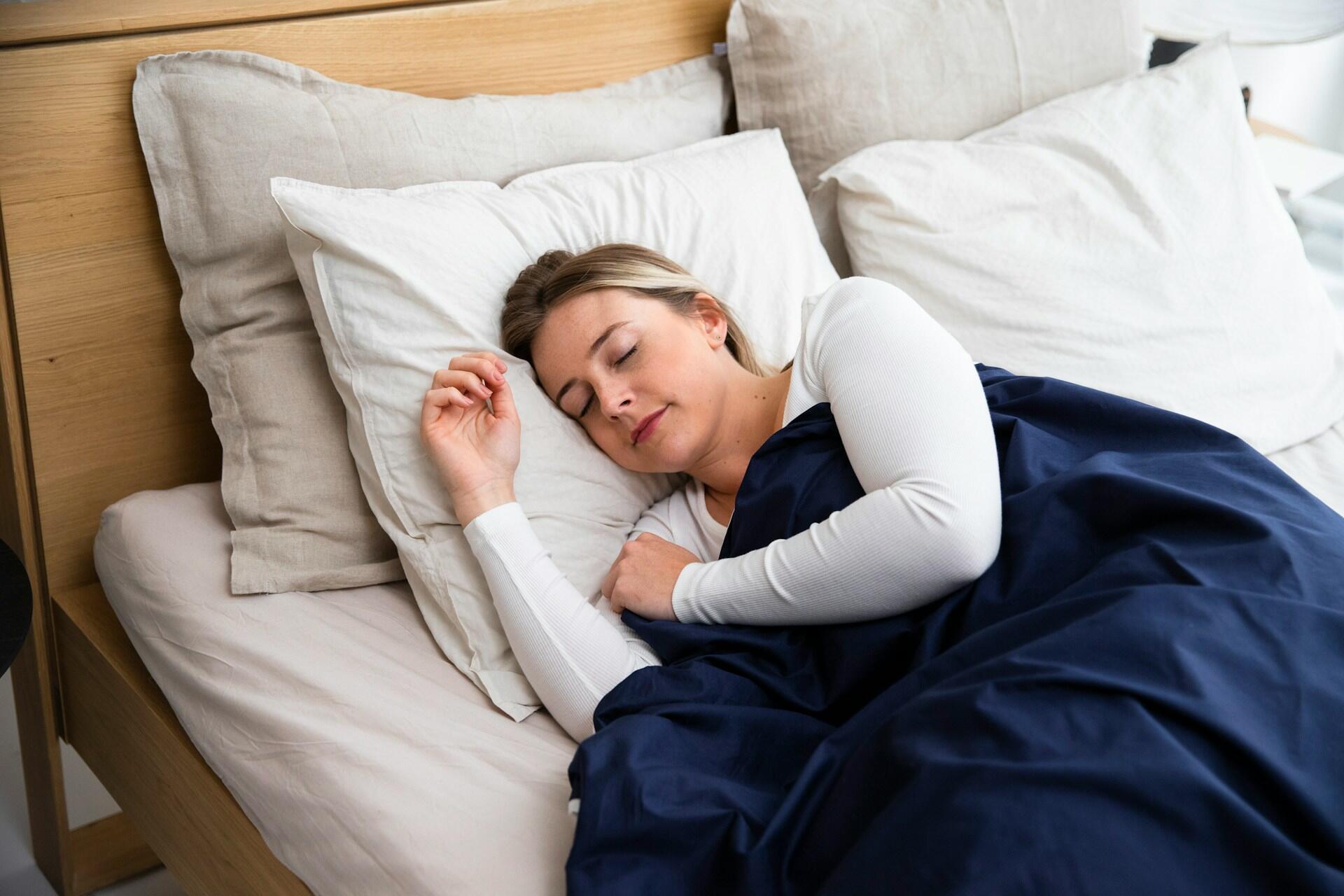
Planning Nap Times Around Study Sessions
Your short naps should be at the end of periods of intensive mental effort. Plan your naps at the end of several hours of studying to consolidate information and restore your focus. Many students take a nap at the end of their morning study block before moving on to their afternoon session.
Balancing Naps With Nighttime Sleep
One of the main issues to naps is that they interrupt your regular sleep. Never have a nap instead of your regular sleep. Your naps should complement your regular sleep. You still need to sleep at night as it's essential for deep recovery, memory consolidation, and overall cognitive health.
References
- American Academy of Sleep Medicine. “Napping Behaviors Predict Mortality Risk in Middle-to-Older Aged Adults.” SLEEP Meeting, 2025, https://www.sleepmeeting.org/napping-behaviors-predict-mortality-risk-middle-older-aged-adults/. Accessed 26 Jan. 2026.
- American Heart Association. “Take a Nap: The Benefits of Napping and How to Make It Work for You.” American Heart Association, last reviewed 8 Oct. 2025, https://www.heart.org/en/healthy-living/healthy-lifestyle/sleep/benefits-of-napping. Accessed 26 Jan. 2026.
- Centofanti, Stephanie, et al. “A Pilot Study Investigating the Impact of a Caffeine-Nap on Alertness During a Simulated Night Shift.” Chronobiology International, vol. 37, nos. 9–10, 2020, pp. 1469–1473. PubMed, https://pubmed.ncbi.nlm.nih.gov/32819191/. Accessed 26 Jan. 2026.
- Grand Valley State University, Center for Health and Well-being. “Sleep and Naps.” Grand Valley State University, last modified 17 Sept. 2024, https://www.gvsu.edu/campushealth/sleep-and-naps-59.htm. Accessed 26 Jan. 2026.
- Harvard Health Publishing. “Can a Quick Snooze Help with Energy and Focus? The Science Behind Power Naps.” Harvard Health, Harvard Medical School,https://www.health.harvard.edu/staying-healthy/can-a-quick-snooze-help-with-energy-and-focus-the-science-behind-power-naps. Accessed 26 Jan. 2026.
- National Sleep Foundation. “The Benefits of Napping.” National Sleep Foundation, https://www.thensf.org/the-benefits-of-napping/. Accessed 26 Jan. 2026.
- Patel, Abhi K., et al. “Physiology, Sleep Stages.” StatPearls, StatPearls Publishing, 2024. NCBI Bookshelf, https://www.ncbi.nlm.nih.gov/books/NBK526132/. Accessed 26 Jan. 2026.
- Patterson, P. Daniel, et al. “Are Short Duration Naps Better than Long Duration Naps for Mitigating Sleep Inertia? Brief Report of a Randomized Crossover Trial of Simulated Night Shift Work.” Prehospital Emergency Care, vol. 27, no. 6, 2023, pp. 807–814. PubMed, https://pubmed.ncbi.nlm.nih.gov/37347968/. Accessed 26 Jan. 2026.
- Sleep Foundation. “Napping: Benefits and Tips.” Sleep Foundation, https://www.sleepfoundation.org/napping. Accessed 26 Jan. 2026.
- Sleep Foundation. “NASA Nap: How to Power Nap Like an Astronaut.” Sleep Foundation, https://www.sleepfoundation.org/sleep-hygiene/nasa-nap. Accessed 26 Jan. 2026.
- Sleep Foundation. “Stages of Sleep: What Happens in a Normal Sleep Cycle?” Sleep Foundation, updated 25 July 2025, https://www.sleepfoundation.org/stages-of-sleep. Accessed 26 Jan. 2026.
- Sleep Foundation. “What Is a Coffee Nap?” Sleep Foundation, updated 22 July 2025, https://www.sleepfoundation.org/sleep-hygiene/coffee-nap. Accessed 26 Jan. 2026.
Summarise with AI:
Did you like this article? Leave a rating!


 Loading...
Thank you so much
I decided to make this research after one of my friends at school told me that after reaching home she slept and then studied
I really appreciate it so much