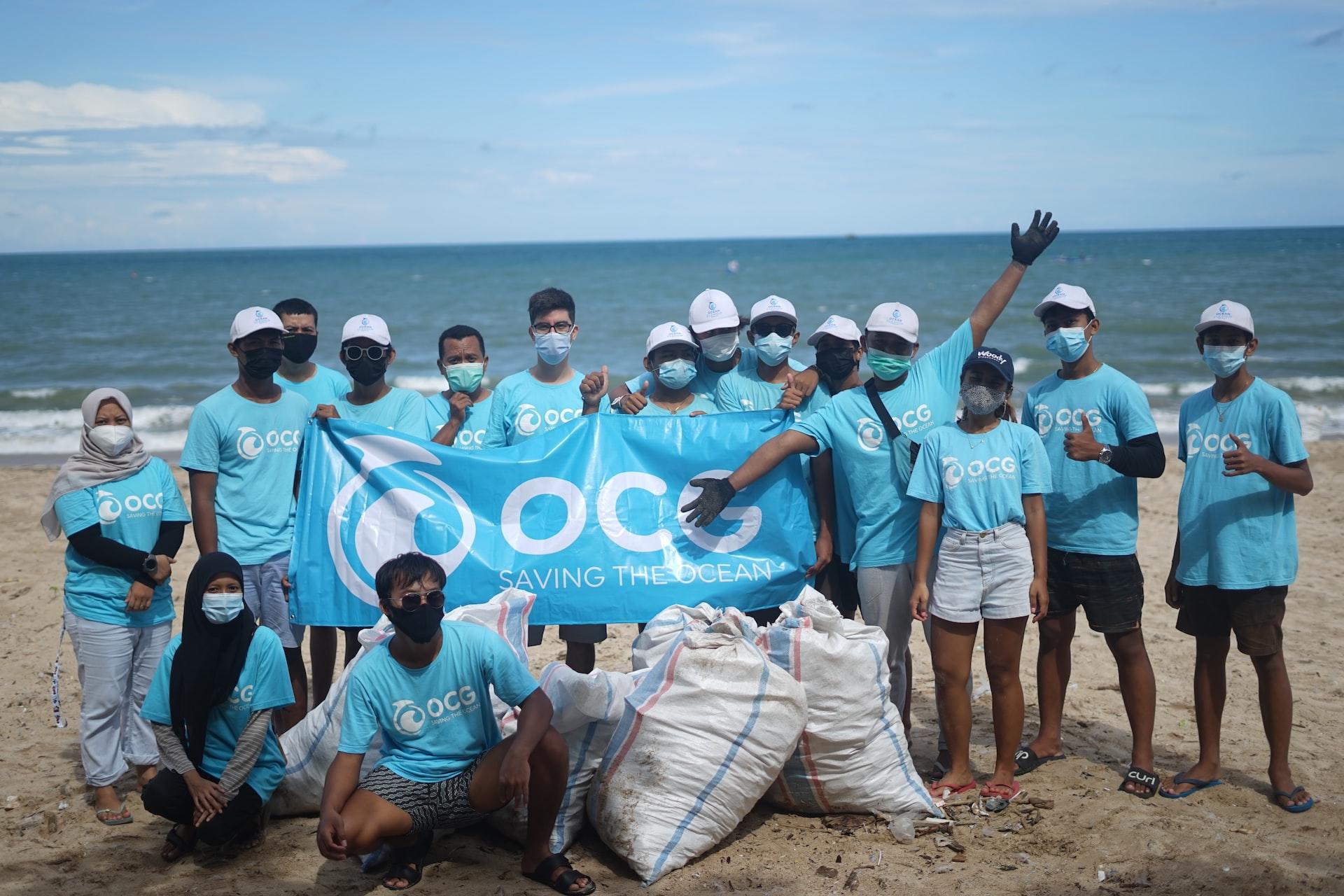

There are no two ways about it: the world is in a climate emergency. We need to change the way we make things and do business. We have to reevaluate our travel choices - everything from bargain airfares to driving to the corner market. We have to reduce how much we consume. And we have to do it yesterday.
The 'we' in question is all of us. Before the grumbling starts, let's be clear that 'we' means everyone. Individuals could reduce waste and consumption. Governments could set policies and fund climate mitigation initiatives. Corporations could exercise social responsibility which calls for:
- engaging in practices that do not harm the environment
- reducing the use of natural resources so they won't become depleted
- promoting initiatives to protect resources
- building eco-friendly houses
- planning or remodelling cities to be more environmentally conscious
- helping people live sustainably
Let's scratch 'could' and insert 'should' or, better yet: 'must'. For a long time, people were keen to do their part. But then, they noticed that corporations were shirking their duty. Governments were having trouble finding effective solutions and the money to implement any programs. Money: that's the root of the problem, isn't it?
Now, at what scientists say might be our 11th Hour, there's... Not glimmers of hope, exactly, but encouraging developments. One of them is sustainable finance.


What Is Sustainable Finance?
If we've learned anything from all the corporate adverts promising sustainable solutions, it's the word 'sustainable'. Since around 2008, we've learned all kinds of enterprises can be sustainable: farming, roasting coffee, making clothing, fuel, construction... The list goes on and on. Finance is also an industry. But how can an enterprise that doesn't produce anything be sustainable?
From the end of the Second World War up to the early 1980s, businesses of all types were more community oriented. They took care of their workforces and (usually) worked closely with local and national governments to determine the best operating practices. They weren't necessarily good environmental stewards, though. Only in part because the needed technology hadn't been invented yet.
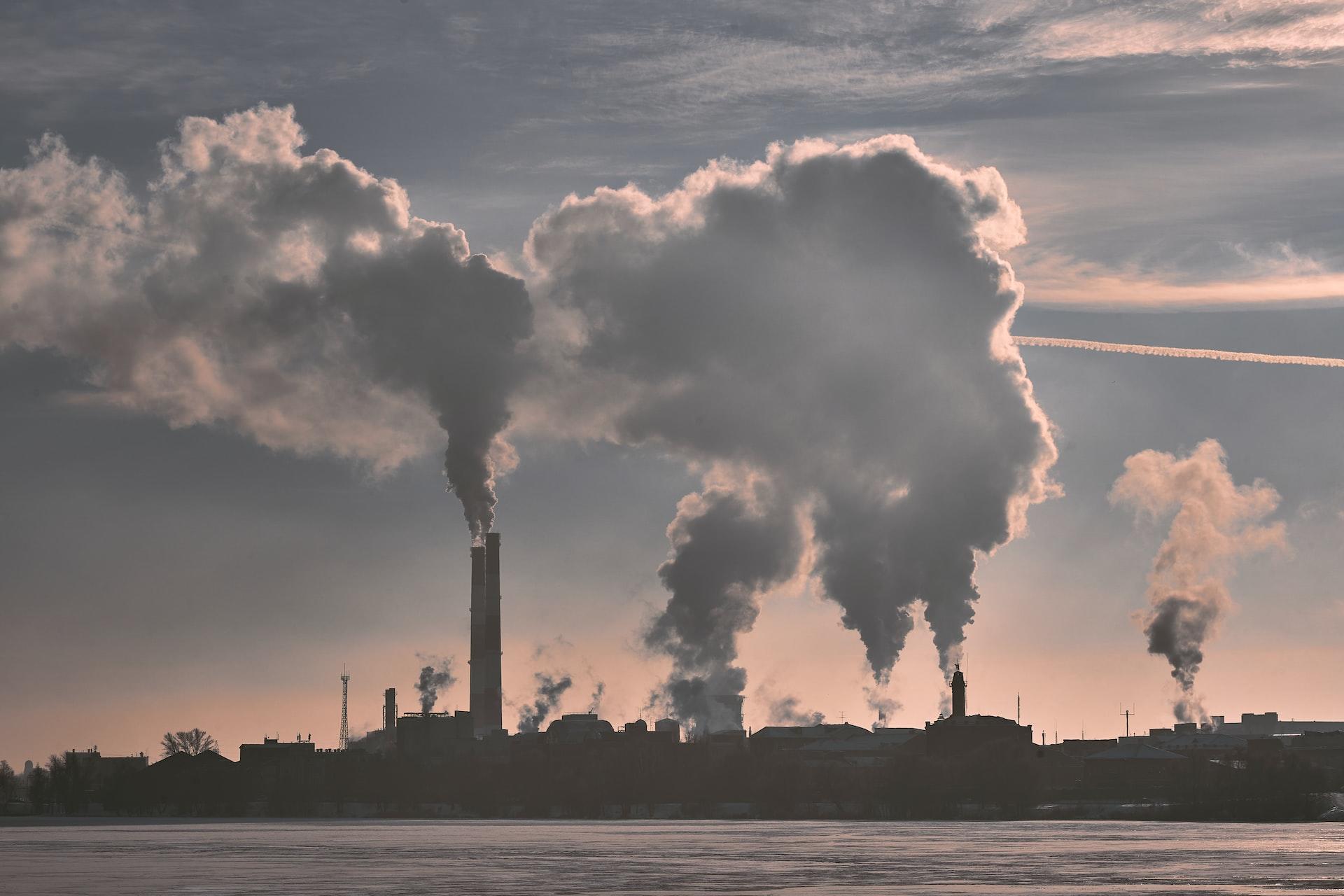
During the 1980s, business underwent a seismic shift. American economist Milton Friedman had just proclaimed that corporations' sole reason for existence was to maximise profits by any means possible. Who would say no to profits? Companies pivoted away from the family/community concept. Over time, there was less of an interest in working with governments. It was replaced by a stampede to pay shareholders greater dividends.
Businesses are still in business to make money; the profit motive will likely never disappear. But there is a growing awareness that corporations could manage their businesses differently. Such that they would have less of a negative impact on the environment, society and governance (ESG).
In this context, governance relates to employee relations; it covers everything from wages and benefits to management practices. Animal and human rights fall into the 'social' category, as do workforce diversity and consumer protection. You likely already know what the environment umbrella covers: climate effects mitigation, responsible sourcing and managing of resources.
Sustainable finance is the practice of deciding on any new venture, project or economic activity that factors in ESG impacts. Sustainable finance doesn't mean throwing money at ESG issues until they're no longer of any concern. By definition, such a practice would not be sustainable.
It means considering new investments that will lead to business growth while minimising ESG impacts. In one sense, you might say that sustainable finance means reverting to the pre-80s business model while still maximising profits.
What Does Environmental Finance Entail?
At this point, we need to adjust our focus. You may have come away with the impression that the 'finance' in question is strictly companies' finance departments. Sustainable finance includes those departments but the term generally means the finance industry as a whole.
Earlier, we mentioned that money is the root of our environmental and sustainability issues. Research on environmentally damaging products like leaded gasoline was deliberately concealed for profits. The decision to outsource production to non-industrialised nations was intended to build fat shareholder portfolios. In part, money is responsible for where we're at today. Now, money - specifically finance, proposes to help find the way out.
Yes, they'll do it with money. The financial sector has tremendous buying power. They can help fund sustainability initiatives - research and development of clean technologies and renewable energy sources. They can throw their staggering clout behind businesses, companies and think tanks that search for solutions to our world's most pressing ESG problems.
And they can endorse and/or financially support fair trade initiatives as well as concerns that make sustainability a part of their operating plan. Corporate social responsibility and sustainable finance go hand in hand. Corporations functioning in a socially responsible manner don't always involve the finance industry. In such cases, the emphasis is more on corporate finance meeting those businesses' pledges.

Meet the Sustainable Finance Masters
The sustainable movement is not organic. It did not spring up from natural causes as the organic farming movement did. And it wasn't compelled into existence like many recent social movements were. The sustainable finance movement has much more in common with climate activist and labour initiatives. Those traits include measured development, careful use of resources and targeted strategies.
As with all causes driving change, a few leaders emerge to spearhead the movement. Accountability is their official duty; keeping the focus on the organisation's vision is their mandate. Greenpeace, one of the oldest and most visible environmental campaign bodies, is a sterling example of such. In sustainable finance, these three leaders model that role.
Graham Sinclair
"Historically, typical business behaviour has centred on for-profit businesses seeking to capture as much profit as possible while pushing as much of the costs onto society—and onto nature." - Graham Sinclair
Graham Sinclair is a global project leader and ESG architect. As a United Nations consultant, he developed ESG strategies for 25 emerging markets. These initiatives helped launch program-related investments (PRI) with a network of 108 stakeholders from around the world. He continues providing stakeholder engagement and index architecture for Istanbul's Stock Exchange Sustainability Index.
Kevin Hagen
"Finance functions need to model renewable energy contract risks or do the analysis of the balance sheet versus profit-and-loss implications of investing in everything..." - Kevin Hagen
Mr Hagen is an executive at an information management services firm. His title is Vice President, ESG Strategy. Far from being just a corporate leader, he and his team advise global leaders and businesses on how to develop and implement sustainable business solutions. Independent from his corporate duties, Mr Hagen chairs the ESG Council for the National Association of Real Estate Investment Trusts (Nareit) in the US.
Carlos Vargas
"Sustainable finance has emerged as a response to a world that’s finally seeking to bridge social, racial, and gender gaps. " - Carlos Vargas.
Dr Vargas is a relatively fresh voice in sustainable finance. A lifelong learner, he specialises in financial analysis and business planning. That makes him sound like the average corporate leader until you realise that he teaches these principles, along with business planning, project financing and renewable energy initiatives. Before leading classes in sustainable business practices, he spent 10 years developing sustainable finance guidelines with various global firms.
Sustainable Finance Jobs
Today, it seems that labour inequities and environmental concerns are finally getting their due press coverage. Whether willingly or under pressure, it makes sense that businesses pivot towards sustainability. They need people at all levels - from research and development to finance and human resources to make those transitions effective.

More companies and governments are scrambling to find ways to fund sustainable development. That's why experts predict exponential growth in finance sector jobs. Unfortunately, there are few people with the education, skills and experience to fill these roles. Fortunately, there are a few university study programs that teach principles of sustainable finance.
The University of Sussex developed a Masters in Sustainable Finance and Accounting study program. The Global Assessment of Risk Professionals (GARP) and the Chartered Institute of Securities and Investors (CISI) guided their curriculum. This school's one-year program covers green finance, environmental accounting and corporate governance.
The University of Cambridge offers a comprehensive study of sustainable finance in its six-week certificate course. It is targeted at people already working in finance and corporate environments. Notably, its emphasis is less on corporate social responsibility than on financial sustainability.
Across the pond, the Harvard Extension School offers one of the world's best programs for sustainable finance and impact investments. Their catalogue shows an extensive suite of courses, with some falling under the Economics header while others are taught in the Environment department. Sustainable Finance is not a degree plan in itself. Undergraduate and graduate students may select from the six online courses they offer. If you sign up for the Introduction to Sustainable Finance course, Dr Vargas will be your teacher!
Less than 50 years ago, the switch to rampant capitalism was almost instantaneous. The change to sustainability will take much longer, and we're racing against time. Your job as a responsible steward in sustainable finance awaits!
Summarise with AI:
Did you like this article? Leave a rating!

 Loading...