


Time signatures are a key part of rhythm in music.¹ They tell musicians how beats and measures are organised within music so that they can maintain a steady pulse. Understanding time signatures makes rhythm much easier.
Key Takeaways
- Time signatures organise musical rhythm into beats and measures.
- The top number shows beats per bar; the bottom shows beat value.
- Simple meters (2/4, 3/4, 4/4) divide beats evenly.
- Compound meters (6/8, 9/8, 12/8) group beats in threes.
- Time signatures shape musical feel, from steady to flowing.
- Odd meters add tension and interest when used deliberately.
- Counting and subdivision are essential for accurate timing.


What Is a Time Signature?
Time signatures are the foundational rhythmic structure of a piece. They guide performers by indicating how many beats a measure contains and how those beats are counted.² In music theory, time signatures are used to define rhythmic clarity.
A time signature is a musical symbol written at the beginning of a piece of music that tells you how the rhythm is organised.³ It shows how many beats are in each measure and which note value counts as one beat. Time signatures help musicians count, feel the pulse, and stay in time while playing or reading music.
Definition and Purpose of a Time Signature
A time signature defines the number of beats in a measure. It first tells musicians how many beats are in the measure. It also tells them what note value counts as a "beat".
How Time Signatures Are Written in Music
So, how do time signatures convey this information? They're displayed as two numbers. They look a bit like a fraction with one number over another. The top number is the number of beats within a bar. The bottom number is the value of these beats.
Common Time Signatures and Their Meanings
You'll find that most music is written using common time signatures.⁶ The reason most popular music sometimes feels so familiar or even danceable is down to the time signature. Time signatures can make rhythmic patterns recognisable, while commonly used intervals are the backbone of popular music melodies.
Simple Time Signatures
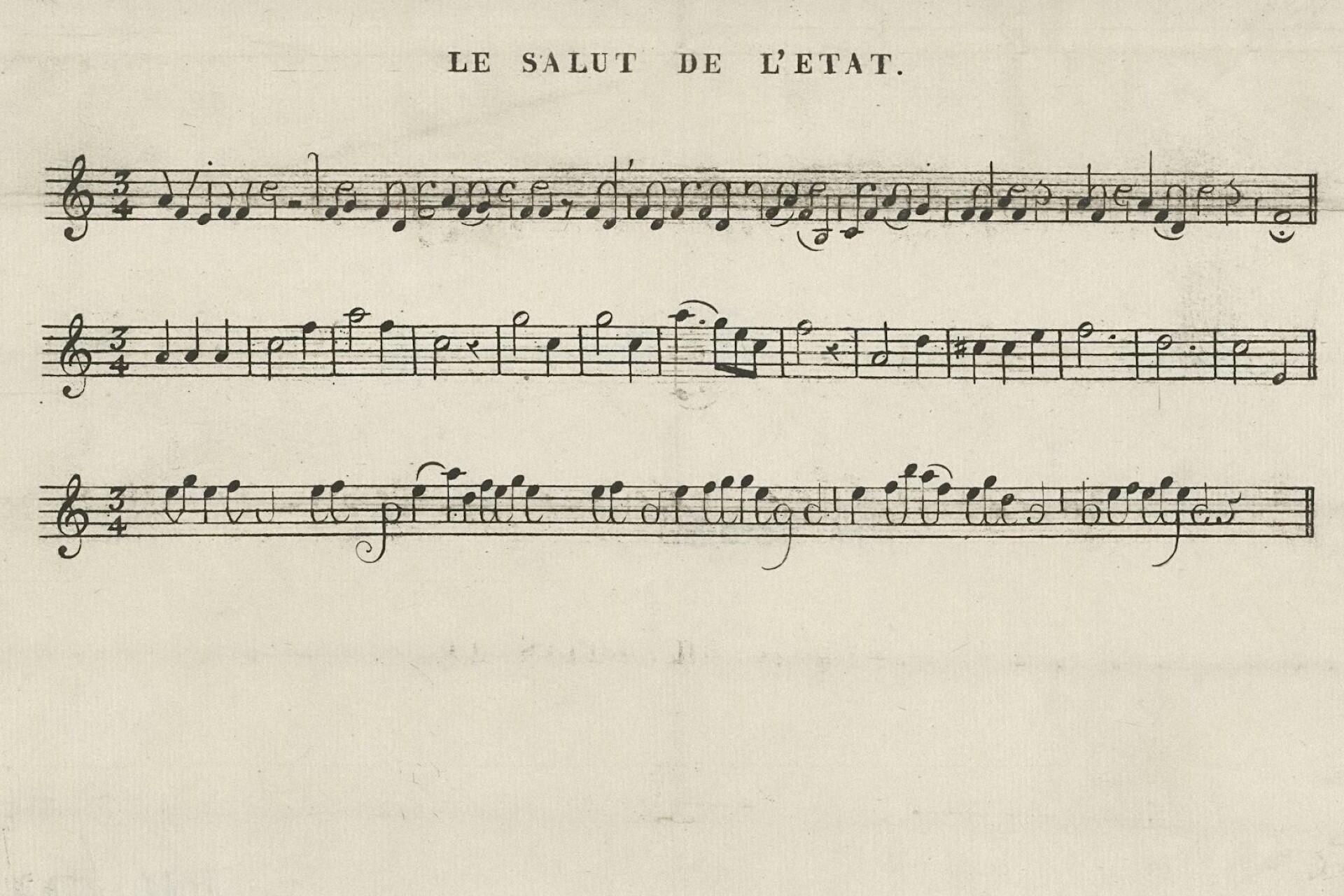
Simple time signatures are a great starting point for musicians. In Western music, 4/4 is the most common one.¹ This means the quarter note is counted as a beat, and there are 4 of them in a measure. 3/4 is another common signature with three beats per measure, often called a waltz. 2/4 has two strong beats and is often used for marches.
| Time Signature | Beats per Measure | Note Value per Beat | Typical Musical Feel |
|---|---|---|---|
| 4/4 (Common Time) | 4 | Quarter note | Steady and balanced; very common in popular and classical music |
| 3/4 | 3 | Quarter note | Strong–weak–weak feel; often used for waltzes |
| 2/4 | 2 | Quarter note | March-like and driving; often used in marches and fast pieces |
| 6/8 | 6 | Eighth note | Flowing and lilting; often felt in two large beats |
| 9/8 | 9 | Eighth note | Rolling compound feel; common in slow or expressive music |
| 12/8 | 12 | Eighth note | Strong groove; common in blues and ballad-style music |
Piano Man uses 3/4 in the verses.
Compound Time Signatures
Compound signatures are when beats are divided into groups of three.⁵ In 6/8 time, you'll experience it more like two large beats, with each divided into three eighth notes. Time signatures like 9/8 and 12/8 take this idea even further, with rolling, flowing feel.
House of the Rising Sun is in 6/8 time.
How to Read and Interpret Time Signatures
As we explained earlier, a time signature appears before a measure as a fraction. The top number is the number of beats.² The bottom number is the note value used.
Understanding the Top Number (Beats per Measure)
Since the top number shows how many beats are in a bar, it's basically the number you'll count to. In 4/4 you'll count to 4. In 3/4, you'll count to 3.
Understanding the Bottom Number (Note Value per Beat)
The bottom number denotes the value of the beat. This is important when reading sheet music. After all, it indicates how many total notes you'll expect in the measure.
Counting Notes and Rests Within a Measure
Notes and rests also fall within the time signature. If the music is 4/4, the value of notes and rests will still add up to this within a measure.² Rests are just as important in music as the notes and are all part of your “budget” within a measure, which is what the time signature indicates, similarly to how a scale is a bit like your currency.
In every measure, the total value of notes and rests must add up exactly to the time signature. For example, in 4/4 time, you might have four quarter notes, two half notes, or a mix of notes and rests that equals four beats. If the values do not add up correctly, the rhythm will not fit the measure.
The Role of Time Signatures in Musical Interpretation
Time signatures influence how music is felt. Listeners will experience time signatures differently. Understanding how time signatures affect us can help you both play and compose music.
Time Signatures, Rhythm, and Meter
In music, meter is the pattern of strong and weak beats.⁴ Meter can help musicians and listeners anticipate accents within the music. This anticipation is what helps music establish its structure and direction, much like how chord progressions can control the overriding
How Time Signatures Affect Musical Feel
The choice of time signature affects how music feels.⁶ 4/4 feels steady and balanced. 3/4 feels more flowing and circular. Compound meters like 6/8 typically feel smoother and more flowing.
Examples Across Musical Styles
Classical music commonly uses both 3/4 and 4/4. Popular music is almost always in 4/4.¹ Folk and progressive genres tend to experiment with less common meters.
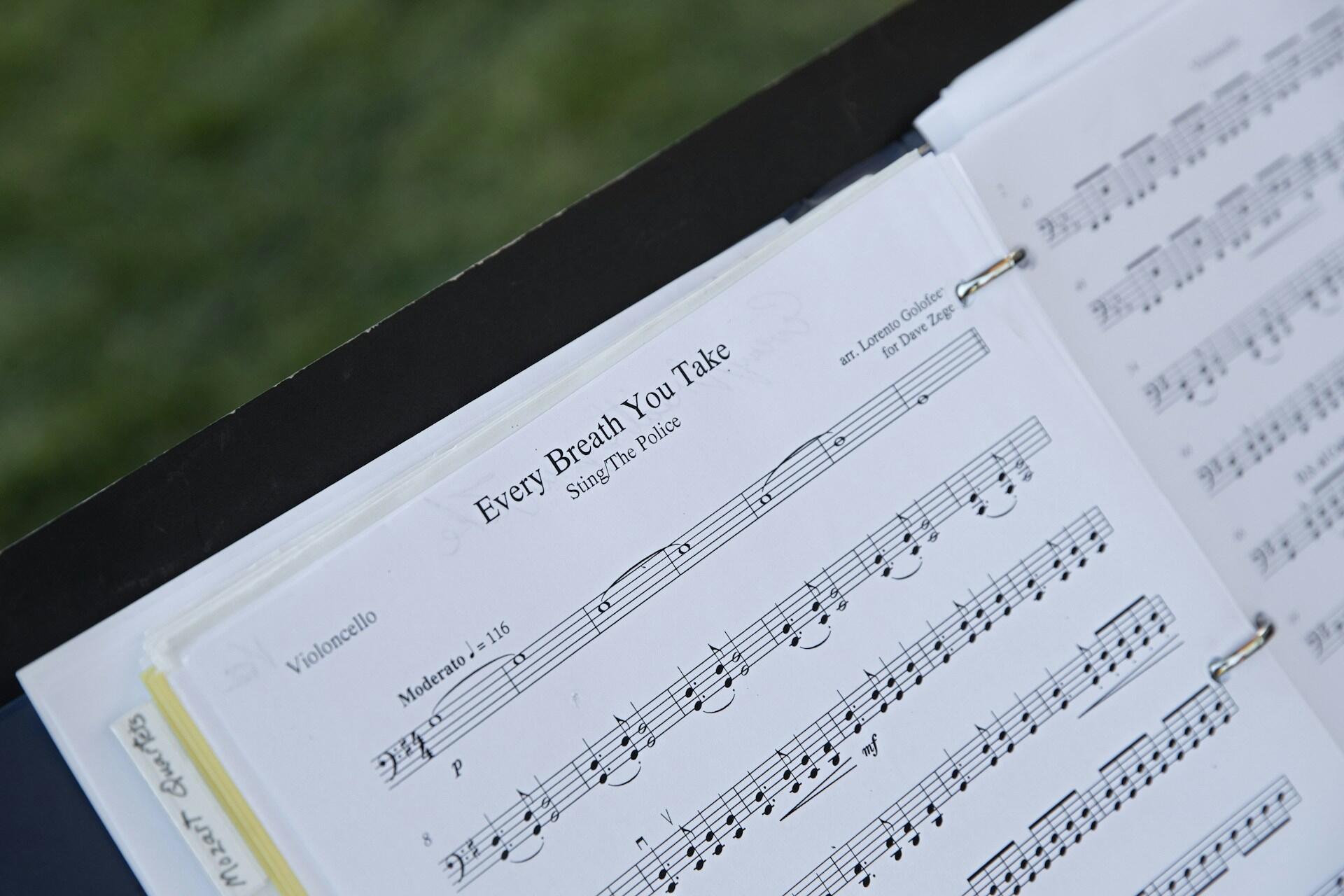
Pop music regularly uses 4/4 time.
Advanced Time Signatures and Variations
Some music purposefully avoids regular rhythmic patterns to great effect. Advanced time signatures can challenge a listener's expectations. Uncommon signatures aren't overly used, but when used sparingly, they can be powerful.
Uncommon and Odd Time Signatures
Some of the most commonly used odd time signatures include 5/4 and 7/8.⁵ These asymmetrical rhythms help them stand out. They can add energy, complexity, or unpredictability.
| Time Signature | Beat Grouping | Common Use or Feel |
|---|---|---|
| 5/4 | 3+2 or 2+3 | Uneven and asymmetrical; often used for interest or tension |
| 7/8 | 2+2+3 or 3+2+2 | Energetic and irregular; common in progressive and folk music |
| Mixed meters | Varies by measure | Used when the time signature changes within a piece |
| Irregular meters | Non-repeating groupings | Creates unpredictability and rhythmic complexity |
Take Five famously uses 5/4 time.
Pink Floyd's Money is in 7/8 time.
Changing Time Signatures Within a Piece
Time signatures aren't set in stone. Time signatures can change within a piece.⁴ These can add expressive variety to pieces.
Practical Tips for Musicians
Practice makes perfect with time signatures. By separating rhythm from pitch, you can improve more quickly than trying to tackle everything at once. Work on developing simple habits for time signatures.
How to Practice Counting Time Signatures
Counting out loud is one of the simplest ways to get used to time signatures.⁶ You can also clap out rhythms to work with the pulse. If you're struggling to stay on the beat, work with a metronome.
Common Problems and How to Fix Them
Rushing is when you're two steps ahead of the music. No musician wants to lose the beat, but it can happen when you focus on the notes instead of the pulse, which is easily done with unusual time signatures. Practise slowly and deliberately.
Many beginners struggle with rushing, losing the beat, or miscounting complex rhythms.⁶ These issues usually come from not subdividing beats or not fully understanding the time signature. Counting out loud, clapping rhythms, and practising slowly with a metronome can help build confidence and accuracy over time.
References
- BBC Bitesize. “Time Signatures.” BBC, https://www.bbc.co.uk/bitesize/guides/zgvgw6f/revision/2. Accessed 16 Jan. 2026.
- MusicTheory.net. “Time Signatures.” MusicTheory.net, https://www.musictheory.net/lessons/15. Accessed 16 Jan. 2026.
- Music Theory Academy. “Time Signatures – What Is a Time Signature?” MusicTheoryAcademy.com, https://www.musictheoryacademy.com/how-to-read-sheet-music/time-signatures/. Accessed 16 Jan. 2026.
- OpenLearn. “An Introduction to Music Theory: Time Signatures.” The Open University, https://www.open.edu/openlearn/history-the-arts/music/an-introduction-music-theory/content-section-3.3. Accessed 16 Jan. 2026.
- MyMusicTheory.com. “Time Signature Chart.” MyMusicTheory.com, https://mymusictheory.com/rhythm/time-signature-chart/. Accessed 16 Jan. 2026.
- Study.com. “Time Signature in Music: Definition, Types & Examples.” Study.com, https://study.com/academy/lesson/time-signature-in-music-definition-and-examples.html. Accessed 16 Jan. 2026.
Summarise with AI:
Did you like this article? Leave a rating!

 Loading...
