First Past the Post is the dominant UK voting system to vote Members of Parliament (MPs) into office. Those elections are the most consequential for citizens and the direction our country takes. But, we vote in other elections, too. This article explores the UK electoral system, and the voting systems that apply to different electoral levels.
UK Electoral systems
- First Past the Post: the most common electoral system, where the candidate with the most votes in a single-member district wins, even if they don't secure a majority
- Plurality block: voting for a political block, rather than individual candidates
- Additional member: voters select a candidate, and a party list
- Ranked-choice voting: voters rank candidates in order of preference
- Contingent voting: voters choose two candidates, ensuring at least one of their choices will win.


How Does the UK Voting System Work?
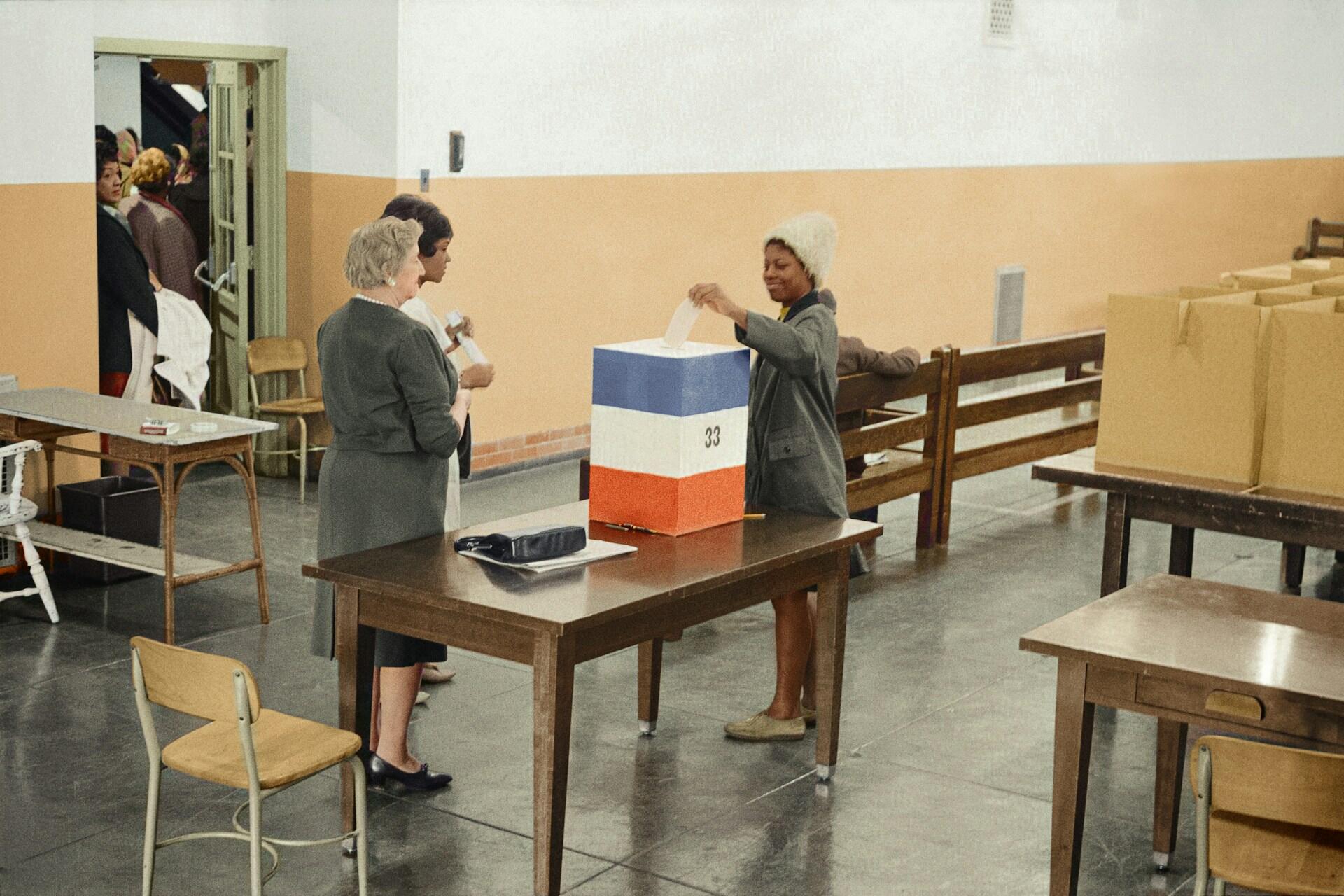
The UK operates under a particular democracy type called a parliamentary democracy. The first word in this term, 'parliamentary', describes the system of political power distribution across our central government.
The second term, 'democracy', implies that this system depends on citizens expressing their political will. They may do so in many ways:
- casting ballots
- contacting their representatives
- assembling and demonstrating
- attending surgeries - town hall meetings
Of these pathways, only voting - casting ballots, formally registers citizens' political will. At the least, British citizens vote Members of Parliament (MPs) into office every five years. However, elections may happen any time.
If/when an MP vacates their seat in Parliament
Local elections - for members of a City Council, for example
Mayoral elections - to vote a city mayor into office
Police / Crime Commissioner elections
Sometimes, it feels like we're voting for something every time we turn around. It can get frustrating, trying to keep up with political issues and what candidates have to offer.
What Is a By-Election?
In a perfect world, every elected representative would serve their entire term. Our world is far from perfect, but most representatives do just that. Still, it happens that an MP or other official cannot serve their entire term.
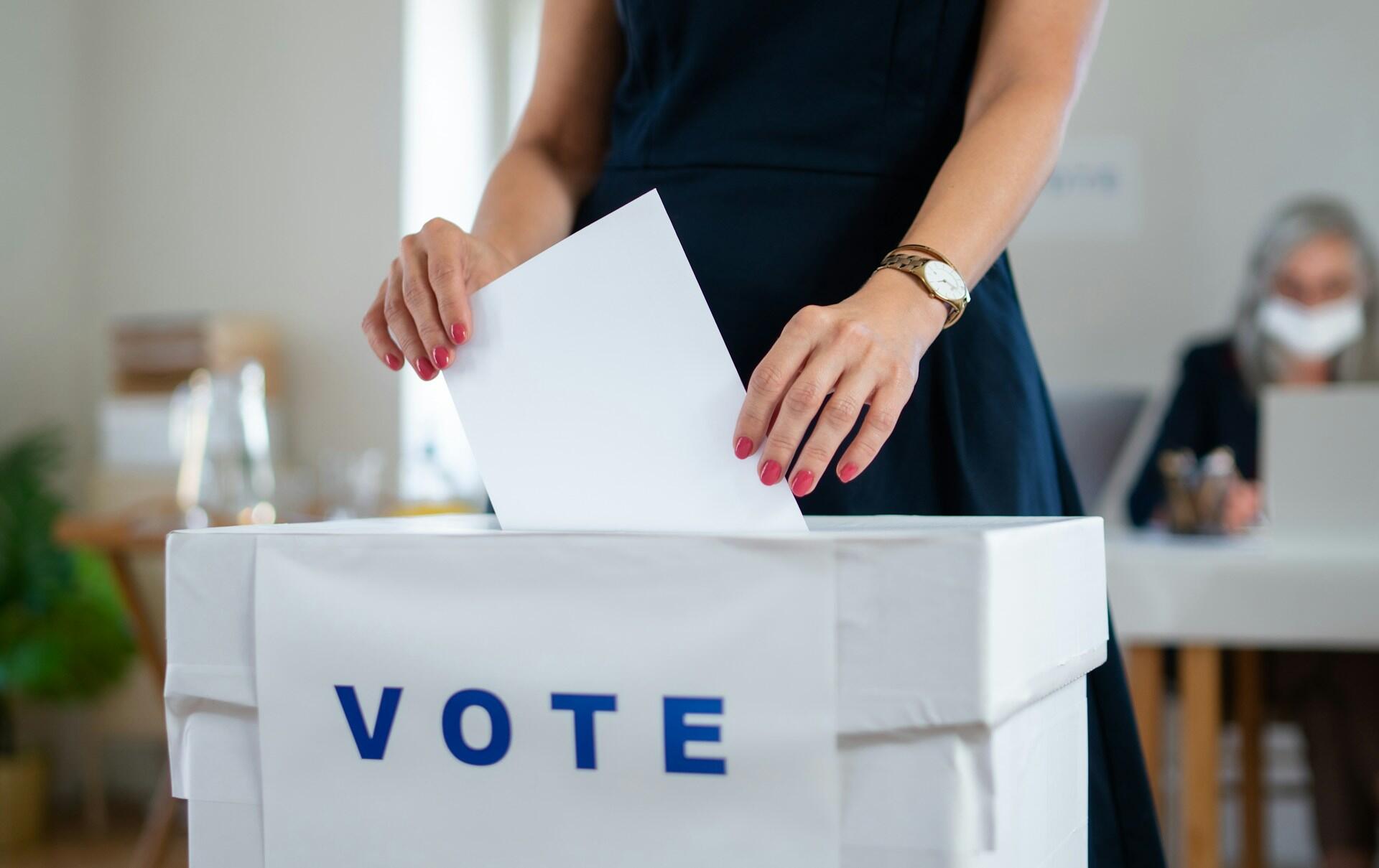
In such instances, the citizens must exercise their vote to seat another representative. These elections, that take place outside the standard UK election schedule, are called by-elections.
Any time a government seat needs a representative, the government body in question calls an election. It may be a general election, or a by-election.
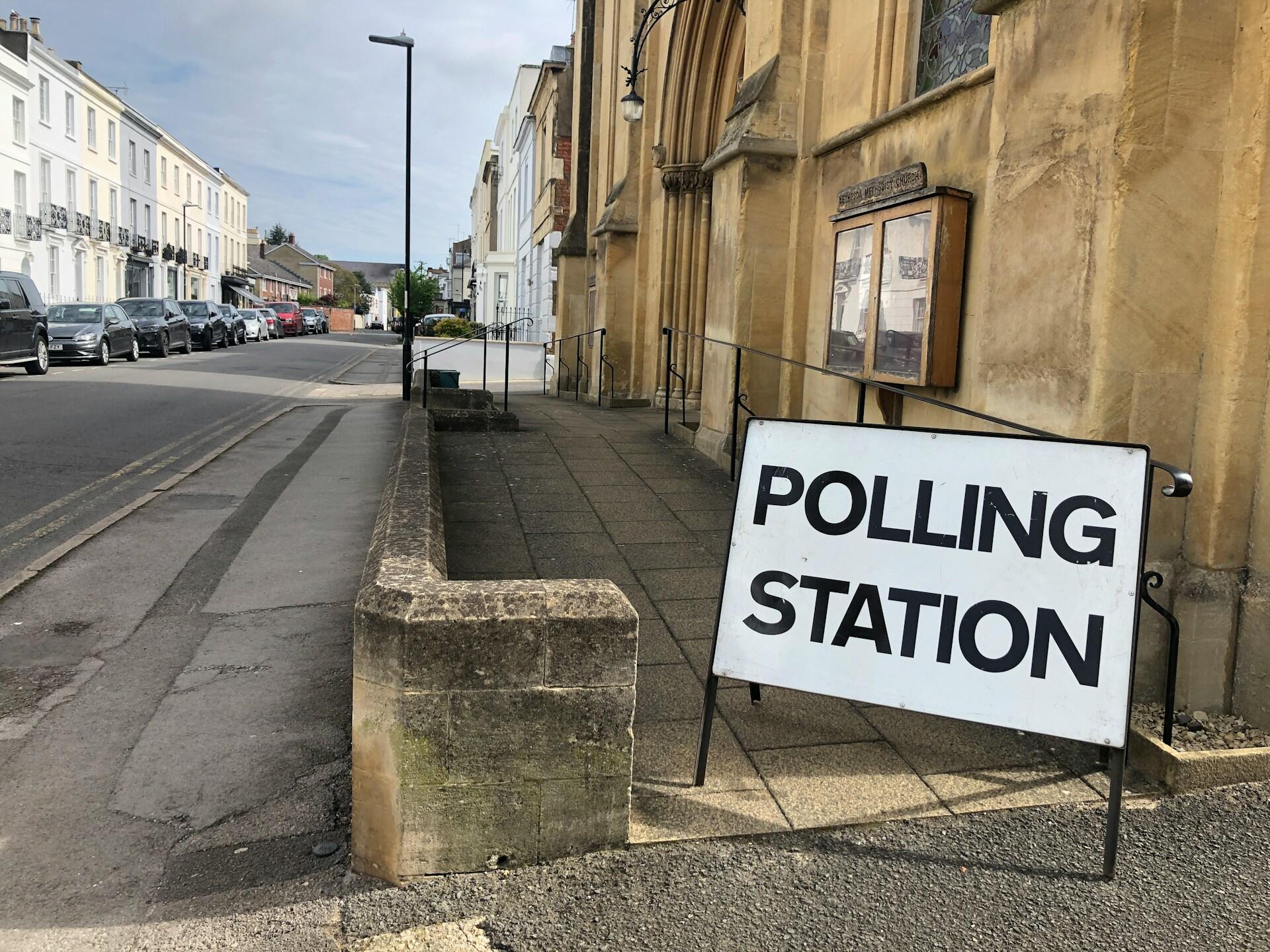
Whether a general election, by-election, or local election, the voting system works the same way. The government sets up polling stations, and ensures enough ballots are on hand. Those polling stations are local, easily accessible, and staffed with knowledgeable personnel, ready to assist the voters.
On election day, citizens report to their assigned polling station, prove their voter eligibility (show identification), and cast their ballots. All this is standard, regardless of the type of election is underway. The big difference lies in the type of ballot - electoral system, the election calls for.
Plurality block
- citizens vote for as many candidates as seats needing filled
- also called multi-member plurality
Ranked-choice voting
- citizens select several candidates, ranking them in order of preference
- also called the single transferable vote
Contingent voting
- citizens vote for a favoured candidate, and a 'spare', in case their favoured candidate falls short of votes
Additional member
- citizens vote for one candidate, and a party a second candidate will be drawn from.
All four of these electoral systems function within the UK, but they aren't practised everywhere. For instance, the Scottish Parliament uses the additional member system, as does the London Assembly. The Welsh government does, too, but will end this practice after their 2026 elections.
Some date back to different political eras. Some result from evolving political ideas. All intend to grant citizens the fairest, and greatest access to the political system.
Once the polling stations close, the real work of elections begins. This is when election workers tally the votes, to learn who won the election. Typically, election monitors oversee that work, to ensure no fraud takes place. Once the results are tallied and verified, the election officers report the election's outcome.
Of all the means of participation in democracy in the UK voting system, one vote-counting method prevails. The single-member plurality, better known as 'first past the post', most often determines who will fill government seats.

What Is First Past the Post?
This UK electoral system means that whichever candidate has a plurality of the vote, wins the election. That doesn't necessarily mean a candidate gets the most votes. There is a difference between a plurality and a majority of votes.
More votes than other candidates, but not more than half the votes.
More than half of the votes, of all the ballots cast in a constituency.
The House of Commons has been using First Past the Post (FPTP) to decide elections since the Middle Ages. As the empire grew, this electoral system spread throughout Great Britain's colonies. However, the more politically aware voter become, the more criticism this system faces.
How Does First Past the Post Work?
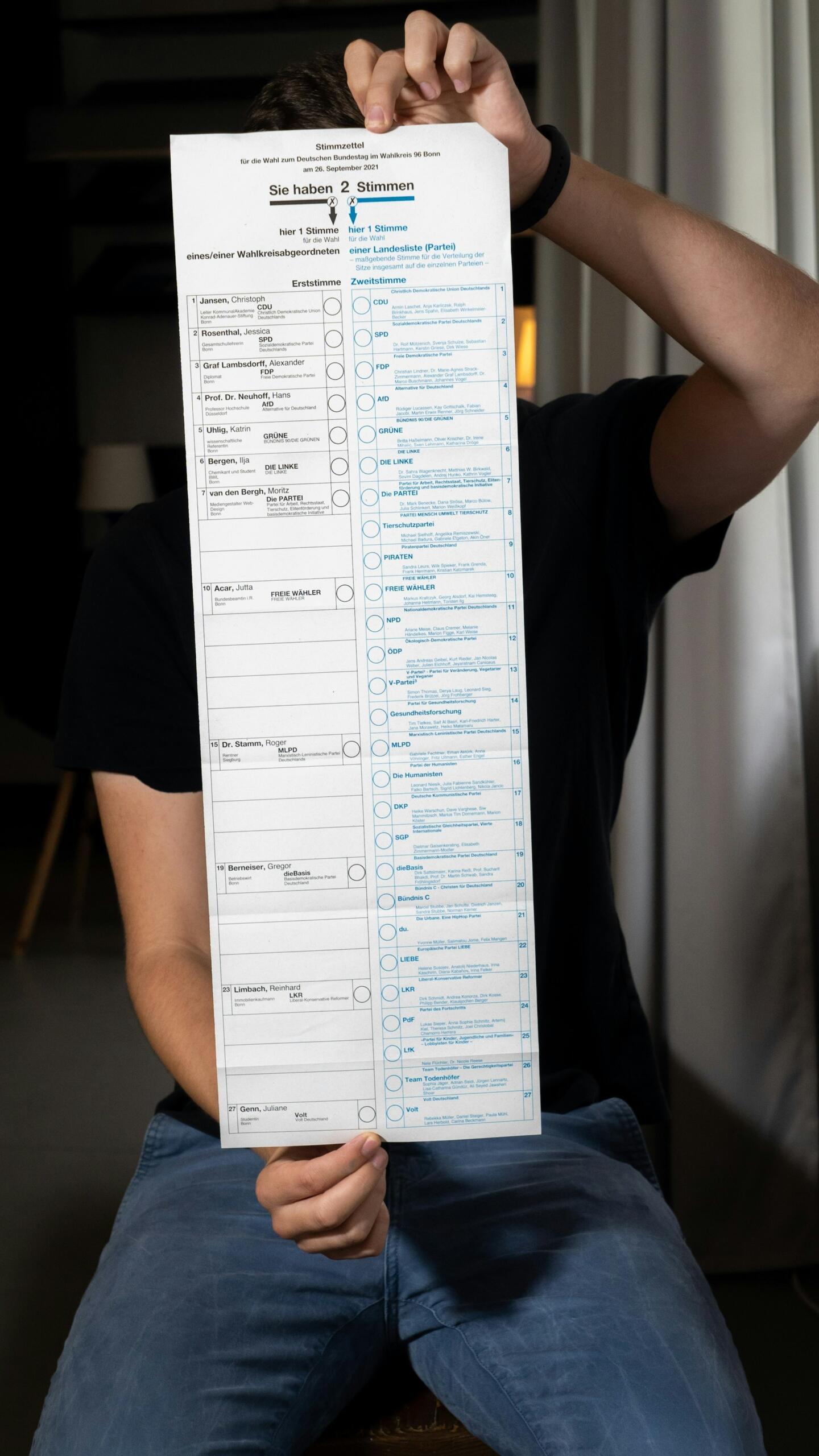
In a general election, voters select representatives for all 650 House of Commons seats. Their ballots list one candidate for each of UK's many political parties. Each voter may choose only one candidate from that list.
That's how many constituencies the House of Commons represents.
Once the polls close, election workers tally the votes. They weigh the number of votes each candidate received against the total number of voters in that district. This calculation delivers the percentage of the vote each candidate received. That percentage determines the winning candidate.
These individual representatives then arrive at the House of Commons. A similar process of calculating percentages determines which political party will claim the most seats. The party that does leads the government.
Is Voting Mandatory in the UK?

Some countries make citizen participation in elections mandatory. Australia does, and so do Greece, Belgium, and several South American countries. By contrast, election participation in the UK is voluntary.
It's rather nice to know that our political structures count on us to be, and remain, politically engaged. It's even better to discover that we are currently the most politically engaged Britons have ever been.
That election cycle showed the highest number of electoral registrations ever recorded.
That year, the UK's Office for National Statistics revealed that more citizens than ever had registered to vote. Whatever the reason(s), UK citizens' engagement in politics is on the rise. That same survey revealed a 67% voter election engagement rate. This number is far higher than, say, in the United States.
With numbers like that, we must conclude that Britons don't need anyone to push them to the polls. It appears we're motivated and informed enough to manage our own political lives.
Can Immigrants Vote in the UK?
That depends on how you define 'immigrant. ' The kind we see so much of on the telly are a tiny segment of our country's immigrant population.
Those who come from Commonwealth nations, and establish residence in the UK, have the same voting rights as every other British citizen. And, immigrants who arrive from other nations and undertake the legal processes to live here, may also vote.
The so-called 'Illegal' immigrants have no voting rights, and are not permitted to vote.
'Legal' immigrants have voting rights, provided they are UK residents.
The media tends to demonise immigrants, but they are taking great liberty in defining this demographic for us. Indeed, using this word as a blanket term to label anyone not born in the UK does us all a great disservice.
What Is a Parliamentary Elector in the UK?
According to Law Insider, this term describes someone who is eligible to participate in parliamentary elections. In other words, if you have the legal right to vote in the general elections, you are a parliamentary elector. The conditions for the legal right to vote include:
Be a British or Commonwealth citizen Be a legal resident of a constituency Be more than 18 years old Not be legally incapacitated (in prison, for example)
Why Are Different Electoral Systems Used in the UK?
Voting isn't a one-size-fits-all proposition. The electoral processes that suit one type of election don't work in all instances of political activity. Even the simplest of UK's voting systems, FPTP, leaves a lot to be desired.
Applying different electoral systems to a range of political contests should ensure the fairest expression of voters' will. Invariably, some voters will feel frustrated that their candidates and political leanings didn't carry the day.
No matter which system(s) prevail in our evolving political/electoral system, parliamentary voting is likely to remain the dominant procedure in UK political activity.
Recent legislative acts, such as the Recall of MPs Act (2015), have consolidated parliamentary power.
Or, depending on how you understand that act, they limit citizens' political power. To see matters in that light, you must first understand the House of Commons, and how it uses its power. You must also understand the language used to express these concepts. This chart explains those terms, and how they apply.
| 💡Term | 👨🎓Meaning |
|---|---|
| Electoral systems | The methods to conduct elections |
| First past the post (FPTP) | The first candidate to win a plurality in their constituency, wins the election. |
| Ranked-choice voting | Voters rank their candidates in order of preference. |
| Additional member voting | Voters choose their favourite candidate, and a party from which to draw a second candidate from. |
| Plurality block | Voting for a group of candidates, rather than individual ones. |
| Contingency voting | Selecting a primary and alternate candidate. |
| By-election | An election held outside of the normal voting schedule. |
| Plurality | Winning more votes than other candidates, but not more than half the votes from a constituency. |
| Majority | Winning more than half the votes from a constituency. |
| Parliamentary elector | A citizen with the legal right to vote. |
| Political engagement | Engaging in political activity, formally and informally. |
Summarise with AI:
Did you like this article? Leave a rating!

 Loading...