

Gaining weight can be just as challenging as losing it, especially for individuals with a fast metabolism or those who struggle with appetite control. Luckily, there are some healthy ways to gain weight, build muscle, and feel stronger. Here, we'll examine some of the best methods for gaining weight safely and effectively.


1. Understand Calories and How Weight Gain Works
It's essential to understand the basics to gain weight effectively. Weight gain occurs when you consume more calories than your body burns, which is referred to as a calorie surplus. The same is true of the inverse. If you burn more calories than you eat, you'll lose weight.
If your body uses 2,000 calories a day to function and you eat 2,500 calories, the extra 500 calories will be stored either as muscle (with weight or strength training) or as fat (without exercise). This is why maintaining a balance between diet and activity is crucial.
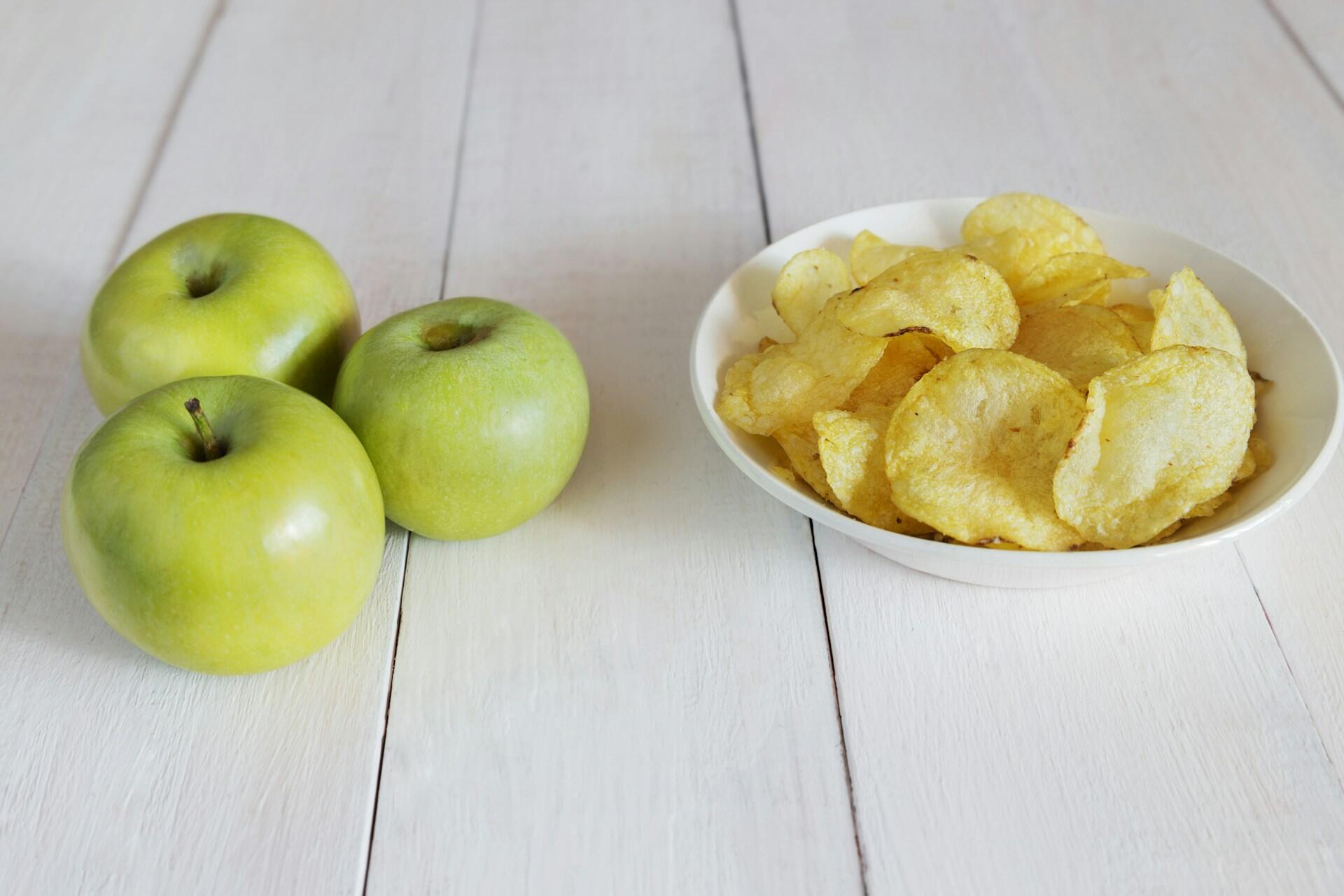
For underweight individuals, even a small daily surplus can make a significant difference over time. For faster results, some people can increase their calorie intake steadily by adding extra snacks, bigger portions, or more calorie-dense foods to their diet.
To gain weight, your first step is to track your calorie intake and ensure you consistently eat more calories than you burn.
2. Create a Simple Meal Plan You Can Stick To
No matter what you're doing, to see sustainable results, you'll need a plan you can stick to. One reason people struggle with weight gain (or weight loss) is inconsistency. Skipping meals, eating random snacks, or relying on takeaways makes it hard for you to track if you're in a calorie surplus.
You can take out the guesswork with a structured meal plan. Map out your breakfasts, lunches, dinners, and snacks so you know exactly how many calories, protein, and nutrients you're getting each day.
A good way to start your journey to healthy weight gain is by working with a nutritionist or dietician. They can help you design a personalised, tailored plan for your goals, lifestyle, and preferences.
Meal planning doesn't need to be complicated. Even simple swaps such as adding a glass of milk, a side of nuts, or a spoonful of peanut butter can make a significant difference to your daily calorie intake.
3. Eat More Meals Throughout the Day
If you're underweight and have a small appetite, it can be challenging to increase your portion size without feeling full. Instead, opt for smaller, more frequent meals. Rather than aiming for three meals a day, opt for five to six balanced meals. This will help you increase your calorie intake without feeling too full by eating a large amount in a short period.
For example, consider starting your day with some oatmeal and yoghurt. Then, have some nuts or cheese as a mid-morning snack. A protein-rich lunch at midday, followed by smoothies, fruit, or nut butters in the afternoon, before your dinner.
A high-calorie diet will help you get there, but you mightn't be able to take in all these calories in one go, so spread them out across the day with multiple meals and snacks.
Eating more frequently is one of the easiest ways to increase calories, support healthy weight gain, and fuel your body throughout the day.
4. Prioritise High-Calorie Foods That Are Also Healthy
Increasing your calories is an easy way to gain weight fast, but to do it healthily, you'll need to look to foods that are both calorie-dense and nutrient-rich. Avoid filling up on sugary snacks or processed foods. Whole foods with energy, vitamins, and minerals are what you should be looking for.
These kinds of foods will add calories to your diet while ensuring that you're not missing out on proteins and nutrients. They'll make gaining weight easier and healthier. This will also benefit your long-term health.

5. Add Protein to Every Meal for Muscle Growth
When you're looking to gain weight, you can't just add calories; you need to incorporate them as part of a balanced diet. As we mentioned earlier, consider adding higher-calorie foods that are rich in certain nutrients. One such nutrient is protein, which helps your body build and repair muscle tissue for healthier and more sustainable muscle growth. Luckily, there are lots of great foods that are high in protein.
If you can't get enough protein through diet, there are protein shakes and powders you can add to your diet. If you mix them with milk instead of water, you can also add more calories and nutrients. Protein is how you turn extra calories into muscle rather than fat.
6. Use Milk and Dairy Products to Boost Calories
Dairy is worth considering. Milk, cheese, and yoghurt all tend to include protein, fats, and essential nutrients like calcium and vitamin D. For example, a glass of whole milk provides 150 calories and 8 grams of protein. You can increase your intake without feeling too full.
Dairy proteins, such as whey and casein, are beneficial for building muscle when combined with resistance training. Just remember to make everything part of a balanced diet. Work out safely, too!
7. Snack Smart: Nuts, Cheese, and High-Calorie Foods
When you snack, opt for foods that increase your calories and nutrients. Nuts, cheese, yoghurt, dried fruit, and nut butters are all good snacking options. A handful of almonds or a slice of cheddar can provide calories plus protein, healthy fats, and key vitamins. Smart snacking is a way to reach your calorie surplus and enjoy healthy weight gain.
8. Try Smoothies and Shakes Instead of Just Solid Foods
Liquid calories can be a good option if you struggle to eat enough solid food. It's easier to drink smoothies and shakes, and you can find ones that contain a lot of protein, fats, and calories. Blend milk, yoghurt, nut butter, oats, and fruit for nutrient-rich shakes. If you're looking to build muscle, add protein powder.
9. Train with Weights to Build Muscle Mass
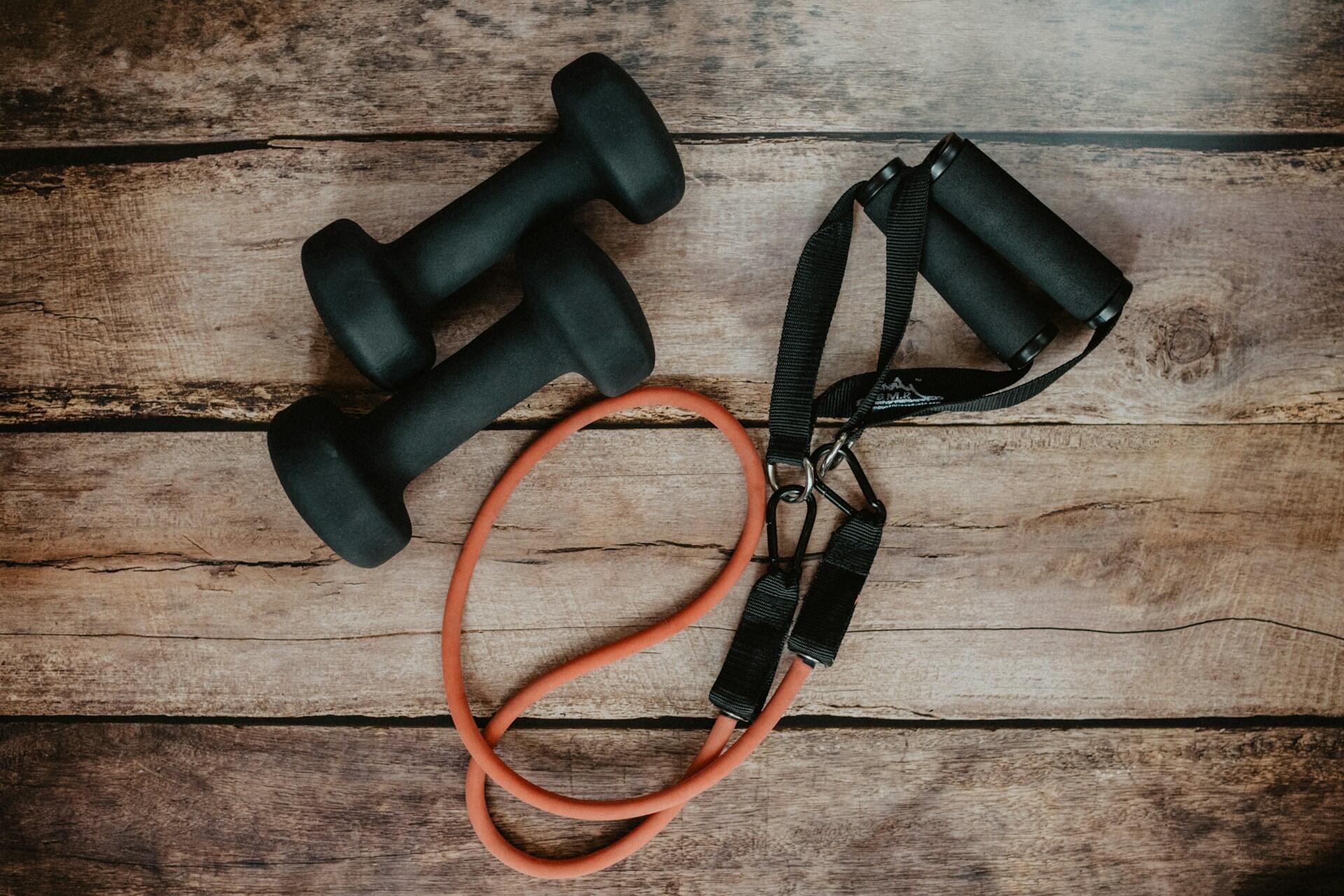
Strength training is an excellent way to gain weight and muscle. Lifting weights will cause your body to use the extra calories to build muscle rather than store them as fat. Compound exercises, such as squats, deadlifts, and bench presses, which work multiple muscle groups simultaneously, are excellent additions to your workout routine. As you progress, you can increase the weight during your sessions.
10. Reduce Excess Cardio but Keep Moving for Health
Excessive cardio can burn the calories needed for weight gain. If you're running or doing HIIT a lot, you may struggle to maintain a calorie surplus. Focus on light cardio for heart health and recovery. Walking, cycling, and swimming are all excellent options, while also focusing on strength training and maintaining a balanced diet.

11. Don’t Skip Meals: Consistency Is Key
If you skip meals, you'll find it challenging to maintain your calorie surplus. Missing breakfast or lunch can set you back. If you're going to be busy and miss a meal, consider carrying some quick and easy options, such as a protein shake, nuts, or yoghurt, that you can enjoy on the go. Eating regularly ensures steady progress.
12. Prep Meals in Advance to Stay on Track
Another way to ensure you never miss a meal is by being prepared. Meal prep means that you can always have high-calorie, balanced meals ready. During your free time, consider cooking in bulk and portioning your meals into containers. That way, you can heat something up or open a container and eat when you have little time to spare.
13. Add Healthy Fats Like Avocado, Olive Oil, and Nut Butters
Avocado, olive oil, and nut butters are easy ways to increase calories without significantly increasing portion sizes. These options are calorie-dense yet provide essential nutrients. You can drizzle olive oil onto salads, add peanut butter to toast, or incorporate avocado into many recipes. These are all small changes that quickly increase a calorie intake for healthy weight gain.
14. Consider Protein Powders and Other Supplements Safely
When food isn't enough, protein powders and supplements can help. You can add calories and protein with a shake made with milk. There are options with creatine for strength and meal replacement shakes that can be useful if you frequently find yourself skipping meals.
14. Track Progress and Adjust with Help from a Nutrition Expert
Successful weight gain is all about planning and adjusting effectively. By tracking your meals, workouts, and body changes, you can see what's working for you. If you need guidance on weight gain, consider consulting a nutritionist or trainer for advice on how to gain weight healthily and effectively.
Summarise with AI:
Did you like this article? Leave a rating!

 Loading...
