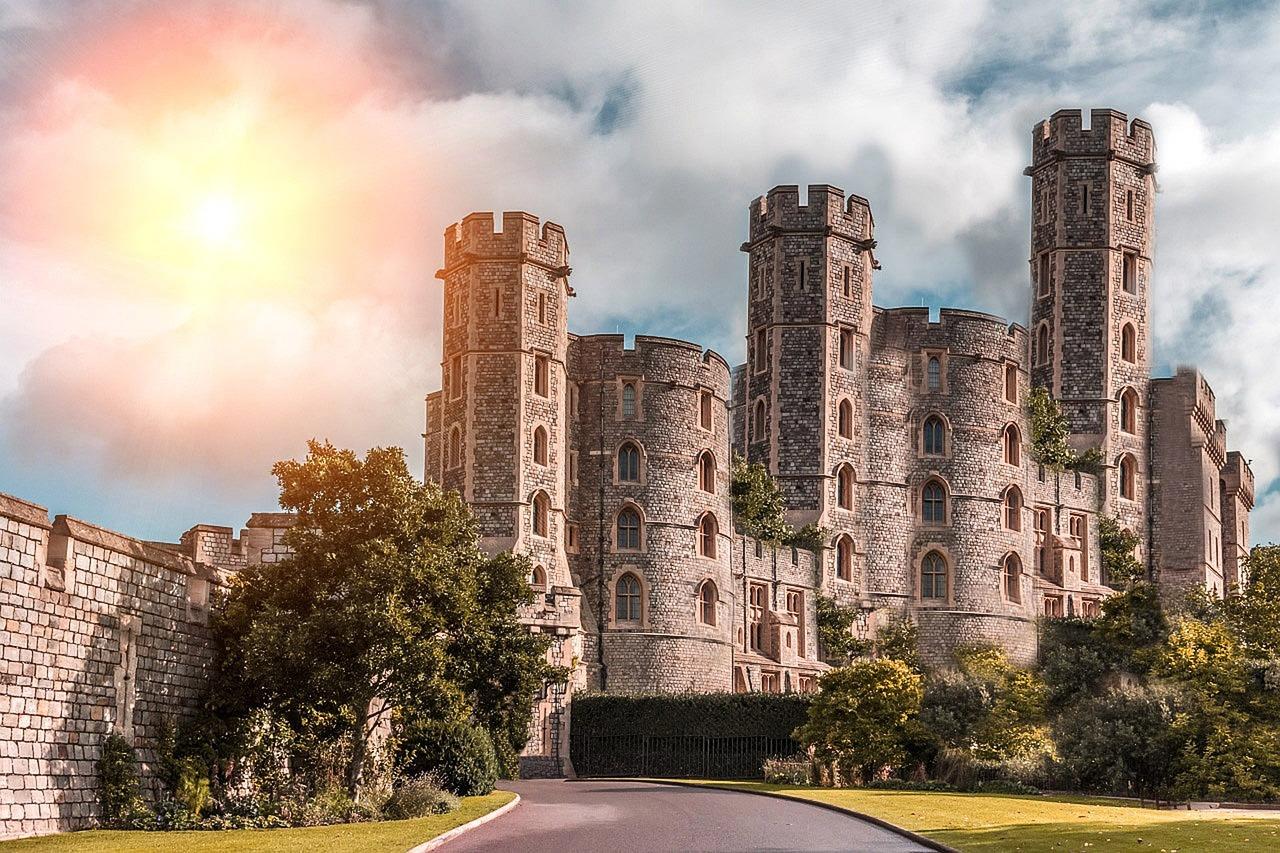

The Middle Ages is a historical period with a great many stories to tell. Spanning the period of about a thousand years between 500 AD and 1500 AD, the term “the Middle Ages” can be used to refer to a huge majority of post-Roman European periods of history.
As you can imagine, life in 12th-century England was quite different to how life is now in 21st-century England. Medieval men and women led lives that, despite the end of the eras of history we call the Middle Ages being as recent as the 15th century, were more different to our modern lives in more ways than you might first think.



What is classified as middle-aged history?
So, when was the medieval period in England and mainland Europe? What dates does middle age range from and to? Well, in a historical context (we won’t be looking at questions like “When are you middle-aged?” or “Is 30 middle-aged?” here) the Middle Ages are quite muddy to pin down.
General consensus on historical periods' timeline the end of the western Roman Empire to be the year 476, with the death of the last emperor of the west.
This is about as close as you are going to get to the actual year the Middle Ages truly began in, as beyond this the slow transition from the remnants of the empire into something more resembling what we traditionally like to think of as the Middle Ages is hard to put a date to.
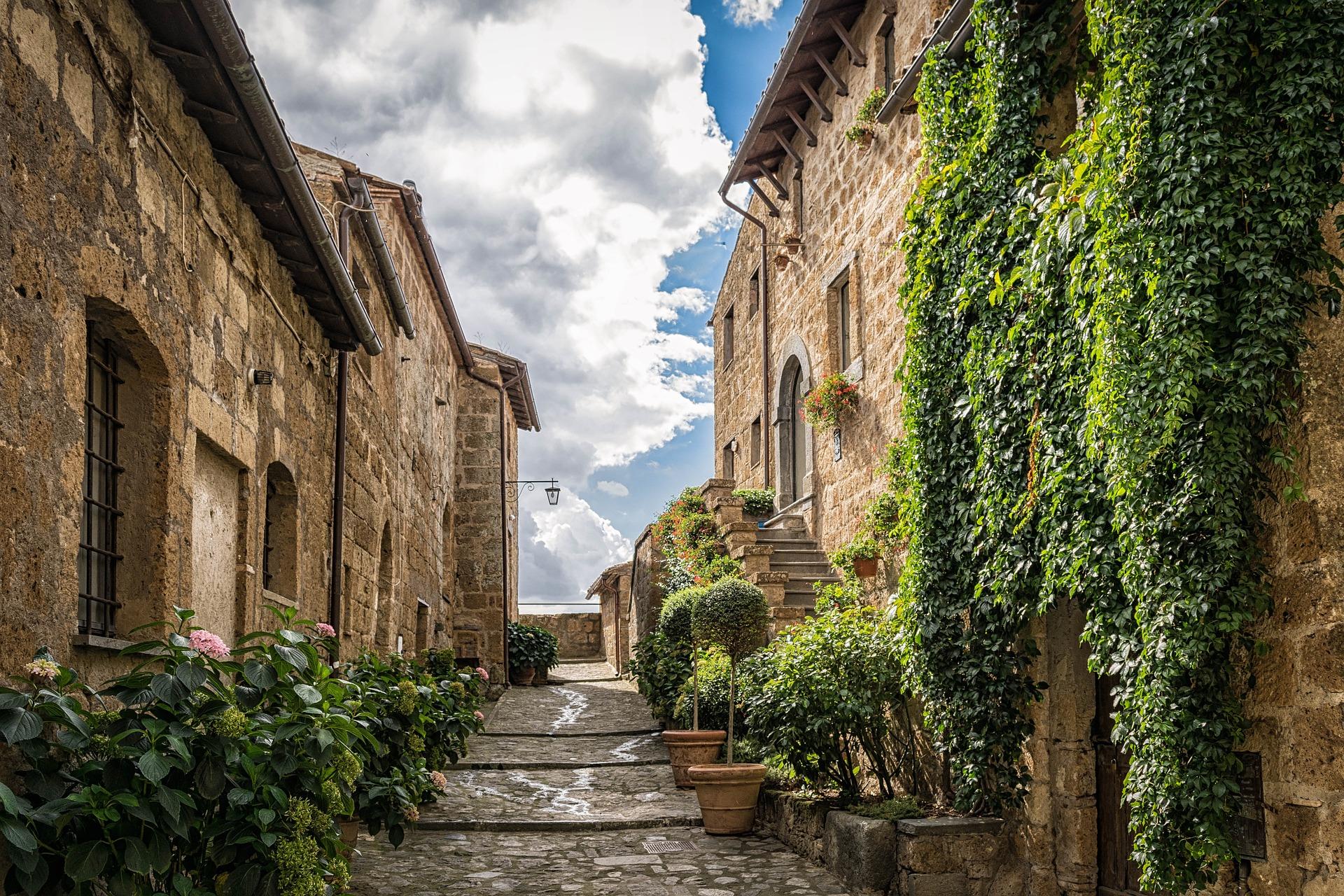
When did the Middle Ages end?
By comparison to the much more concrete start date for the Middle Ages, it is far less clear where a European history timeline should choose to draw the line on the end of the Middle Ages.
While 1500 AD is generally agreed upon to be a reasonably good estimation of the end of the Middle Ages, as one of the most overarching eras in history it is possible to draw different exact landmark end dates depending on where in Europe you look.
For instance, in England, the late Middle Ages are normally said to come to an end in 1485 at the battle of Bosworth Field, the battle that ended the War of the Roses.
However, in medieval Greece, the Ottoman Empire capturing Athens is perhaps a more relevant landmark date, falling in the year 1458.
Further still, in the medieval kingdoms of mainland Europe, the protestant reformation of the church in 1512 is often seen as the true end marker of the Middle Ages.
Ultimately, all of this is to say that it’s very difficult to pin down the exact dates for when the Middle Ages really started and ended. As with all time periods in history, it is mostly a convenient label to ascribe to a period where life was generally quite similar.
That being said, with such a long time period covered by the term, late medieval people in 14th century England probably have more in common with their Victorian counterparts than the Englishmen of the 6th century. Not surprising, perhaps, but certainly interesting given that both would be considered medieval, despite living 800 years apart.
What was medieval culture like?
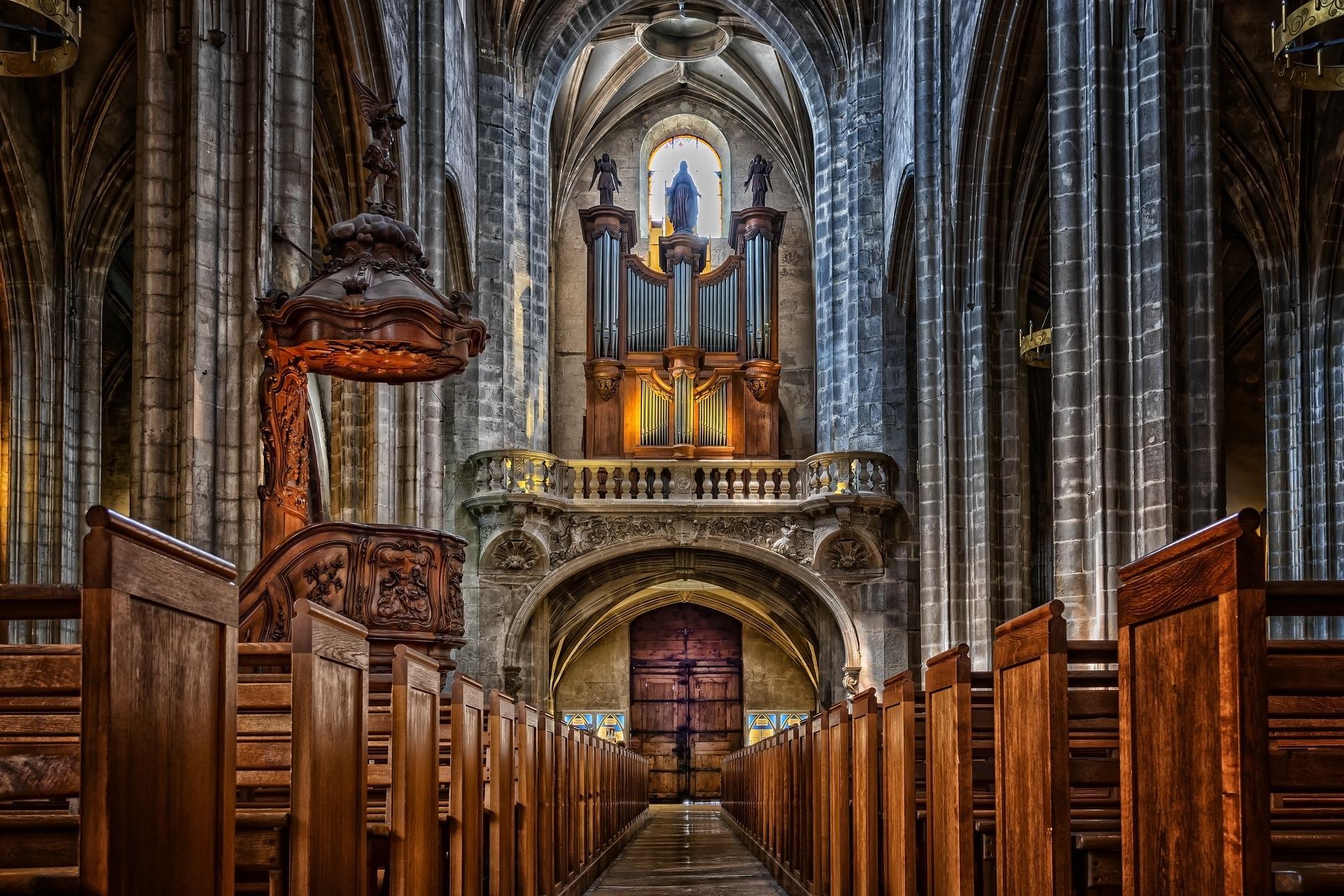
As well as all the great battles and political intrigue of the Middle Ages, there was much going on behind all of this that would have felt far more real to your average person at the time. One of the best-known aspects of this is something that is equally popular today as it was in the Middle Ages – art. Famous medieval art is still seen all across the world, from sculptures and pictures inlaid upon the walls of churches to the very cathedrals themselves.
In England, wondrous buildings such as the mighty cathedrals at Wells and Lincoln are still to this day considered some of the most beautiful pieces of architecture humanity has ever created, on every level. Wells Cathedral’s decorated west front has been heralded as the finest display of medieval carving in England, and that is not without competition.
The sculpture has fascinated the people of the world across all different eras ever since humanity developed the opposable thumb, and nowhere was this more evident than in the seemingly endless litany of great works of sculpture and carving across medieval England.
What about the common men and women of the Middle Ages?
While the lords and kings fought their battles and the artists created sculptures, the common people of the Middle Ages were living lives that were not quite as far removed from this as you might think. The main driving force behind this connection was the same as it was wherever you looked in the world at almost any point in history: religion.
Any modern period in history timeline will probably give 1512 as the end of the Middle Ages thanks to that being the year of the protestant reform within Christianity, and the reasoning behind this is quite simple.
Straightforwardly put, this is because this was one of the more momentous changes in the way Europe existed as a continent, all the way back to the days before written history was even a consideration.
From continental early medieval Europe on the Mediterranean to 13th century England, everyone during the Middle Ages was religious, and in Europe that almost ubiquitously meant Christianity. More specifically, Catholicism was the denomination of choice, and as the years progressed the church certainly became aware of the influence it held.
One of the best-known facts about medieval Europe was that by the end of the late medieval period, the Catholic Church had gained almost infamy thanks to the sale of indulgences, which offered prayers after death for your assured passage to heaven in exchange for a donation in life to the church.
While this may sound silly to us now, this period of history was such that the power the church held, and the fear of the divine that the people of Europe held by comparison, was enough that this was not only commonplace but also extremely profitable for the Catholic Church at the time.
What does a timeline of history periods through the Middle Ages look like?
The most common way to divide the Middle Ages up as a time period is usually into three parts. The history of Europe timeline that has become most commonly used splits the entire Middle Ages down into the early Middle Ages, high Middle Ages, and late Middle Ages.
These three periods are all distinct from each other in some ways, and yet they also all share enough similarities with each other to be considered as parts of the Middle Ages.
The early Middle Ages is where most of the dark facts you hear about tend to come from, as it is often considered the most barbaric of the three periods. Lasting from the collapse of Rome in the year 476 AD all the way through the year 1000 AD. The early Middle Ages were a time when much of Europe was still trying to sort itself out from the mess that the fall of the Roman Empire left behind.
In England, the landing of the Vikings at Lindisfarne fell during this time, in the year 793. Europe as a whole was generally on the decline with the end of the Roman Empire, which is how this period got its other name, being the dark ages.
While this name has since fallen out of favour with academics, the idea it represents still holds true. There was very little cultural output during the dark ages in Europe, with written texts being especially scarce. For a long time, this meant relatively little was known in terms of first-hand accounts of the period.
The high Middle Ages, by comparison, were entirely different. Where the early Middle Ages was a transitional period of reconstruction for Europe, the high Middle Ages were the flourishing reward for this. Many of the best-known Middle Ages names come from the high Middle Ages, with titans of history such as William the Conqueror (the man who started the British monarchy, which still persists to this day) living during this time.
The high Middle Ages were a time of great population growth and as a result great economic growth. The prosperity enjoyed by some European nations during this period between 1000 and 1347 would go unmatched all the way through until the 19th century in some cases.
At the time, there were no indicators that this time would even come to an end, and many were beginning to question when was the 11th-century growth that had carried on for three centuries already going to slow down?
Well, slow down it would, and in quite dramatic fashion with the arrival of the late Middle Ages. In recent times, in 1347 meaning the Black Death is almost ubiquitous. A devastating pandemic that swept through Europe in horrifying fashion, the Black Death wiped one-third of the entire population of the continent clean out, completely crippling every nation in Europe in one fell swoop.
The economy collapsed, with 200 million people dying in just a few short years, making it the single deadliest time to be alive in recorded human history. Lack of resources meant war was everywhere, with the many monarchist kingdoms of the time seemingly always at each other's throats, only making life harder for the common folk of Europe.
This period went on for about another 150 years, until with the protestant reforms the Middle Ages finally came to an end, after centuries of growth, collapse, strife, development, and uncertainty.
While they may have been a long time ago, the Middle Ages were a fascinating period of history within Europe that very much formed it into what it is today. From the drawing of the land borders that would eventually become the countries of today to the medieval phrases like “throwing down the gauntlet” that we still use to this day, the Middle Ages shaped Europe from the ashes of the Roman Empire into the Europe that we are all so familiar with today. No matter where you look in England or mainland Europe, many of the staples of culture that make European countries what they are can be traced back to the Middle Ages. The endless yet oh-so-brief medieval period is the birthplace of modern Europe.
Summarise with AI:
Enjoyed this article? Leave a rating!

 Loading...