








What is the A-Level programme?
The A-Level programme stands for Advanced Level Qualifications, and it is aimed at students who want to apply to high-profile UK universities such as Oxford, Cambridge and Imperial College London, or if you want to pursue studies in medicine, veterinary, science and dentistry, or if you want to keep your options open in the future.
The length of the programme takes two academic years and focuses on 4 subjects including Academic English, some schools offer a more intensive 18 months programme with 3 subjects, which is very demanding and requires a full-time commitment.
A very important criterion when choosing A-Level subjects is to know which subjects you already enjoy or are good at, this will ease the difficulty and will make your study journey much more enjoyable. You will also have to consider the subjects and grades that the particular career or job you are aiming for is requesting to add them to your A-Level programme and meet the entry requirements.
What does A-level Geography include?
The A-Level geography subject has integral content that will prepare you for your university application. AQA A-Level geography defines the programme content for this discipline, it entails four main subjects or components divided into several modules as follows:
- Physical geography, which includes the following modules and courses to give you a grasp of the subject content you will have to study
- Water and carbon cycles
- Hot desert systems and landscapes
- Coastal systems and landscapes
- Glacial systems and landscapes
- Hazards
- Ecosystems under stress
2. Human geography and the following modules:
- Global systems and global governance
- Changing places
- Contemporary urban environments
- Population and the environment
- Resource security
3. Geography fieldwork investigation, which will come in handy to acquire experience in the field.
- Fieldwork requirements
- Investigation requirements
4. Geographical skills
- Geographical skills checklist
The Geography exams assessment
Each of the subjects or components is assessed differently, physical geography and human geography for instance will be assessed as a written exam with different questions on the topics of the modules. We encourage you to constantly look at the AQA A-level geography specifications to make sure you are preparing accordingly to their geography A-level syllabus.
The third component, ‘Geography fieldwork investigation’, is an individual and independent investigation that must include data collected in the field. The individual investigation must be based on a question or issue defined and developed by the student relating to any part of the specification content.
The Geographical skills checklist gathers all the elements and skill-set you are expected to develop during the study of the course. This considers the balance between qualitative and quantitative methods between the two main components physical geography and human geography and how you apply them to your fieldwork investigation.
The A-Level geography programme wants the students to understand the nature and use of different types of geographical information, including qualitative and quantitative data, primary and secondary data, images, factual text and discursive/creative material, digital data, numerical and spatial data and other forms of data, including crowdsourced and 'big data'.
It is also designed for the students to learn how to collect, analyse and interpret such information, and demonstrate the ability to understand and apply suitable analytical approaches for the different information types.
Throughout the programme, students are expected to undertake informed and critical questioning of data sources, analytical methodologies, data reporting and presentation, including the ability to identify sources of error in data and to identify the misuse of data.
Lastly, during the course, you will learn how to communicate and evaluate findings, draw well-evidenced conclusions informed by wider theory, and construct extended written arguments about geographical matters.
Let's look a little closer at the differences between these two different sections and what you need to know about their differences.
Physical geography in A-Level
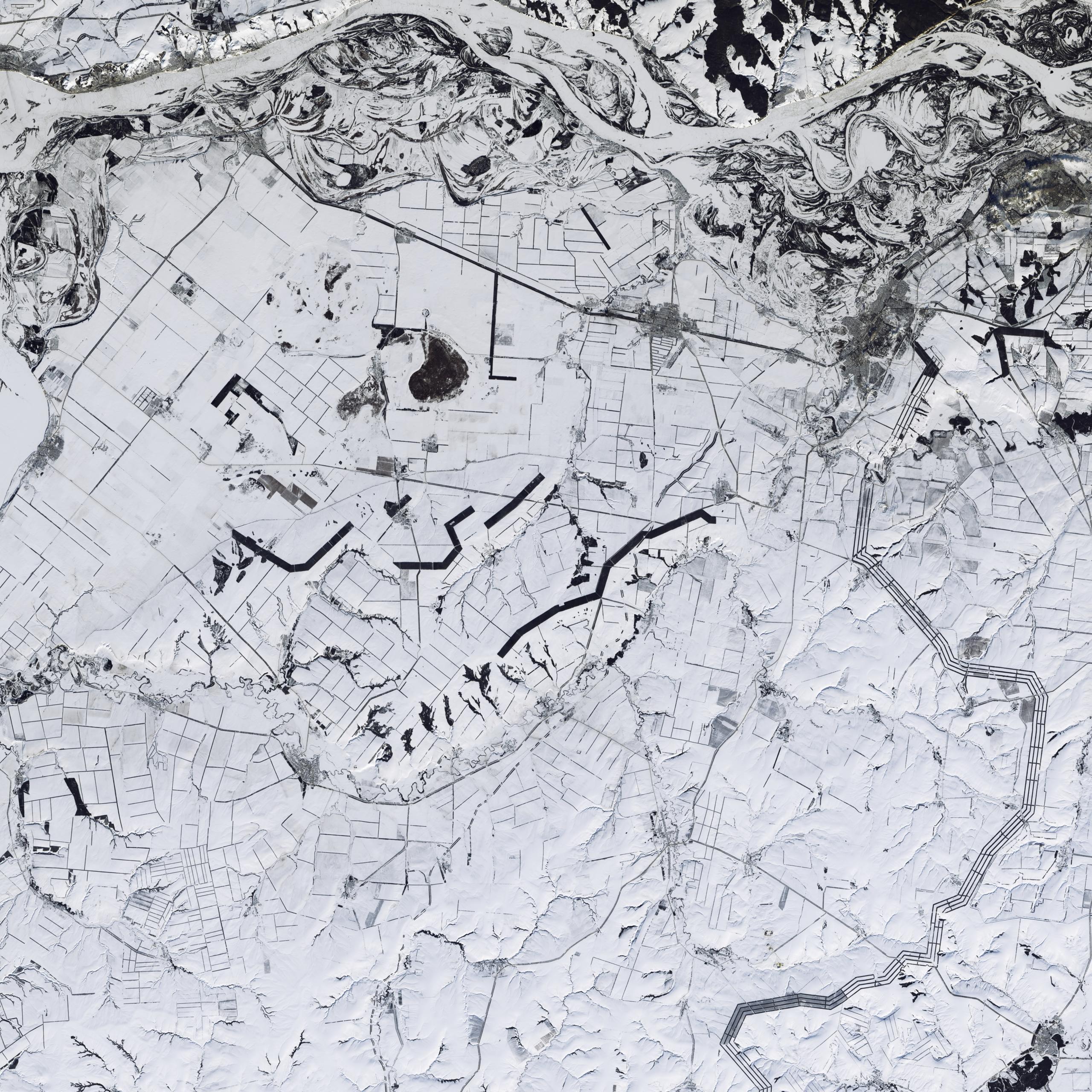
Physical geography is defined as the study of the processes that shape the Earth’s surface, such as the animals, the plants that inhabit it and the spatial patterns they exhibit.
The physical geography component in the A-Level program aims at laying out the natural resources that exist in different parts of the world and exhibiting how the natural processes have different cycles that are affected by human activity as a consequence of globalization.
This section is focused on the natural sciences that compose the planet earth at every level from the fauna and flora that live on this planet. Therefore, the knowledge you are expected to acquire to fulfil the exam requirements is oriented to the natural elements and their cycles or systems, how they work, where are they located, what they need to function properly and which ones are affected by climate change and how this affects its natural cycles and functioning. For example, why and how erosion or abrasion happens.
Having a good grasp of physical geography is not only essential to achieving good grades, but it is also important to understand how our natural world and the environment work concerning human geography. Each unit of the physical geography section aims at teaching the different quantitative methods that are used in geography, these are very different from the qualitative methods.
Human Geography in A-Level
Human geography is concerned with the human aspect of how we relate to the environment. Human geographers work mainly on environmental policy and management through political ecology or explorations of culture-nature interrelations.
Thus, having an advanced understanding of the implications of national and international dynamics that are a consequence of globalization and how they impact our environment is key. In addition, the methodologies that are used in each unit differ from the physical geography units; human geography is concerned with qualitative methods because the samples, scales, and the way information is gathered are way different from the natural environment.
A-Level Geography exam?
The geography A-level syllabus can seem very intimidating at first for students, especially when studying alone and at home. Therefore, your A-level geography revision should be taken seriously.
However, remember that you can always find a Superprof tutor near you to help and guide you in your learning journey or just assist you in the process of learning very specific skills, and support you in a specific unit or a whole subject.
Furthermore, because this programme is two years long, having a group with whom you can study or a tutor that will support you in your goals to achieve this qualification will make your year of study more fun, and engaging and will keep you motivated.
Regardless of where you will be taking your A-Level Geography exam, whether it is through AQA, Edexcel or other, you will need to thoroughly prepare and for your chosen topic.
Getting ready to study geography but don't know what a scale is? A scale in geography has different applications for human or physical geography, find out their differences in this article.
Get ready for your revision
The A-Level geography level is very demanding regarding the skills you have to acquire regarding the core subjects because this will prepare you to learn the foundations for your exam in geography and your future degree if that is the one you want to pursue.
We recommend you organize your schedule and have dedicated time to your studies, if this is too difficult to do alone, and you don't know how or where to start, you can always find a Superprof tutor that will help you to plan ahead and take the pressure off.

A good way to plan ahead is to create your study and revision timetable, this should include the time you dedicate to studying the core subjects, and modules, dedicate more time to acquire a specific skill or achieve a certain study goal; but it should also include the time in which you gather all the information you might need for your future application including the specific requirements for university exam and applications, tuition fees, specific dates or deadlines for the Universities and Colleges Admissions Service (UCAS).
Another important factor while laying out your study plan is to make notes and acknowledge which subjects might need more work than others, and might even need a specific course to help you thrive and learn a more difficult skill. If you feel comfortable with your study plan and just require a Superprof tutor to support you with a specific course, this is also possible! You can find a tutor online or someone near you to help you study for your A-Level geography exam.
If you are also looking for GCSE Geography, find out how is the GCSE laid out, why you should include geography as one of your main subjects and how you should plan your study in.
Summarise with AI:
Did you like this article? Leave a rating!

 Loading...