


Bullying is a problem that has proven to be difficult to stamp out. As many as 34.9% of UK students experience bullying at some time in their school lives. For some, the problems can stay with them for decades.
One powerful way to address bullying and encourage empathy is through literature. Books about bullying have the ability to transport readers into the shoes of others, allowing them to explore different perspectives and better understand the emotional consequences of bullying.
Stories about bullying can spark important conversations and give interesting perspectives and ideas. Books are a great way to teach children about lots of aspects of bullying and even online safety. If you’re looking for some activities to build an excellent and safe classroom experience during anti-bullying week, our list has you covered.
An estimated 1,544,000 children aged 10 to 15 years (34.9%) experienced an in-person bullying behaviour and 847,000 (19.1%) experienced an online bullying behaviour. Source: ONS
Want to give private lessons?
Join the Superprof community and share your knowledge with interested and motivated students.
“The Hueys in None the Number” by Oliver Jeffers (Ages 3–5)
For younger readers, it's important to introduce the concept of kindness and inclusion in a gentle and age-appropriate way. Oliver Jeffers’ The Hueys in None the Number is a playful yet meaningful book that helps young children understand individuality and acceptance.
In this beautifully illustrated picture book, the Hueys are quirky little characters who all look the same, but each one is different in their own way. Okay, it is not explicitly about bullying, the book opens up conversations about being different and encourages young readers to appreciate diversity.
Jeffers’ blend of humour and heart makes the topic accessible to very young readers, teaching them to embrace what makes them special and to be kind to others who may be different. Teachers can read this book and make it dramatic for their young students to keep them entertained.
This story is a great springboard for discussions on how differences are a positive thing, and how bullying often stems from a lack of understanding or fear of those differences. It is definitely for younger audiences.
“Wonder” by R.J. Palacio (Ages 9–12)
Wonder has become a modern classic for middle-grade readers and is often recommended for children aged 9 to 12.
This heartwarming and emotional novel tells the story of August "Auggie" Pullman, a boy born with a facial difference that has kept him out of mainstream school—until now. As Auggie enters fifth grade, he faces the challenges of fitting in plus dealing with bullying from some of his peers.
What makes Wonder stand out is its exploration of bullying from multiple perspectives. Each chapter is told from a different character’s point of view, including Auggie’s classmates, his sister, and even the bully himself.
This clever book allows readers to see how bullying affects not only the victim but also the people around them. It also highlights how kindness and empathy can make a significant difference in someone’s life.
The themes of acceptance, courage, and the importance of choosing kindness make Wonder an excellent choice for Anti-Bullying Week, offering valuable lessons for children as they navigate school life and social relationships.
“Today I’m Strong” by Nadiya Hussain & Ella Bailey (Ages 4-7)
This is a picture book designed for younger kids. It is a picture book about finding your inner strength in a school environment. It is one of the top teaching resources for anti-bullying week for younger kids especially.
The book was actually written by winner of The Great British Bake Off, television chef and all-round superstar Nadiya Hussain, illustrated by Ella Bailey.
“I love to go to school. Well, most days I do. There are some days when what I really want is to stay at home with you.”
This story is sweet and comes from a positive place. It shows a lot of empathy towards people who have experienced bullying or are going through this at the moment. It is aimed at younger children and is easy to understand.
Want to give private lessons?
Join the Superprof community and share your knowledge with interested and motivated students.
“The Boy at the Back of the Class” by Onjali Q. Raúf (Ages 9–12)
Winner of the 2019 Blue Peter Book Award, The Boy at the Back of the Class is a moving and timely story that addresses both bullying and the refugee experience. The story follows a group of friends who befriend Ahmet, a refugee boy who has just joined their class.
Despite his quiet nature and the struggles he faces adjusting to his new life, Ahmet becomes the target of bullying because he is perceived as "different."
Through the eyes of a curious and empathetic narrator, this book teaches children the importance of standing up for others, especially those who may be marginalised or misunderstood. The children in the story decide to take matters into their own hands, launching a plan to help Ahmet reunite with his family. Along the way, they confront both the bullies in their school and the prejudice they encounter in the wider world.
Raúf’s story is both heartwarming and inspiring, offering an important lesson about the power of kindness and friendship in the face of adversity. It’s an excellent choice for engaging students in discussions about inclusion and standing up against bullying.
“Blubber” by Judy Blume (Ages 10–13)
Judy Blume’s Blubber is an exploration of bullying among young girls in a school setting. The novel follows fifth-grader Jill and her classmates as they bully a girl named Linda, nicknaming her “Blubber” after she presents a report on whales. The story highlights the power dynamics and peer pressure that often fuel bullying, showing how quickly some people can turn on each other.
Blume does not shy away from the harsh realities of bullying, making this a rough but important read for upper primary and early secondary school students. What makes Blubber stand out is its refusal to offer easy answers. The protagonist, Jill, is not a typical "hero," and readers see how she gets caught up in bullying, only to later realise its harmful consequences.
This complexity encourages young readers to reflect on their own behaviour and the role they may play in bullying situations. Be sure to provide a warning that the book has some tough themes to deal with.
“Noughts & Crosses” by Malorie Blackman (Ages 12 and Up)
For older students, Malorie Blackman’s Noughts & Crosses offers a powerful exploration of racism, prejudice, and societal bullying. Set in an alternate reality where society is divided into two groups—Noughts (the oppressed) and Crosses (the privileged)—the novel follows the forbidden love between Sephy, a Cross, and Callum, a Nought.
While the story is rooted in themes of racial inequality, it also deals with bullying, both on an individual and systemic level. The characters face not only verbal and physical bullying from peers but also institutional bullying from a society built on prejudice and discrimination.
If you are looking for anti-bullying week resources for older students then this can certainly be one of the best options, though it is certainly a heavy read that deals with some troubling topics.
| Book Title | Author | Age Range | Description |
|---|---|---|---|
| The Hueys in None the Number | Oliver Jeffers | 3–5 | A charming picture book that introduces the importance of individuality and kindness through quirky characters. |
| Wonder | R.J. Palacio | 9–12 | A heartfelt novel about a boy with a facial difference and his journey to find acceptance in school while dealing with bullying and exclusion. |
| Today I'm Strong | Nadiya Hussain & Ella Bailey | 4-7 | This is a picture book designed for younger kids. It is a picture book about finding your inner strength in a school environment. |
| The Boy at the Back of the Class | Onjali Q. Raúf | 9–12 | A moving story about a refugee boy who faces bullying, teaching the value of empathy and standing up for others. |
| Blubber | Judy Blume | 10–13 | A realistic portrayal of school bullying, focusing on peer pressure and the complexities of group dynamics. |
| Noughts & Crosses | Malorie Blackman | 12 and up | A gripping young adult novel that explores racism, prejudice, and societal bullying in a dystopian world, encouraging readers to think critically about injustice. |
How to Use Books in the Classroom
These books can serve as valuable tools in your Anti-Bullying Week activities, helping young readers explore important themes of kindness, acceptance, and standing up for what’s right. By introducing literature that tackles bullying, educators and parents can inspire conversations and foster a more inclusive and supportive environment for all.
Encouraging Open Communication
Books can serve as conversation starters in the classroom. When students read about characters experiencing bullying, it becomes easier to talk about their own feelings and experiences. This opens up communication channels, helping students feel more comfortable sharing their concerns with teachers and peers.
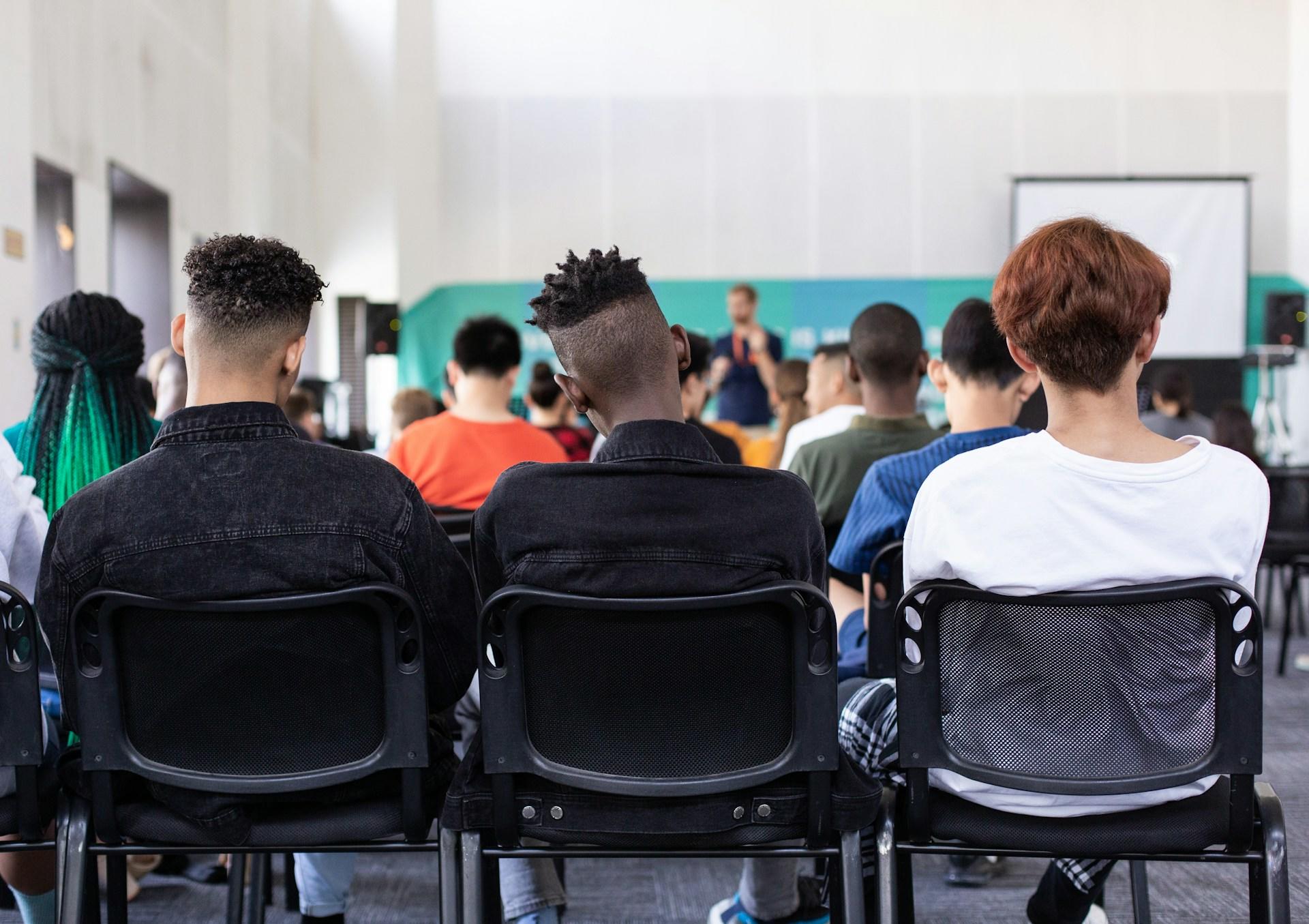
Building Empathy Through Classroom Activities
Literature allows students to see the world through different perspectives, helping them understand the feelings of others. By engaging with stories where characters face challenges like bullying, students can build empathy and compassion, crucial qualities for preventing bullying behaviour.
Recognising and Addressing Bullying Behaviour
Books often highlight the different forms of bullying—verbal, physical, and emotional—helping students and teachers recognise harmful behaviours. They can also provide strategies for standing up to bullies, empowering students to address these behaviours constructively.
Build a Positive Classroom Experience With Superprof
The books recommended in this post each approach the topic in different ways, offering diverse perspectives that can resonate with readers of all ages. Whether through gentle picture books or gripping young adult novels, these stories remind us of the importance of empathy and the positive impact of choosing kindness.
Books can be used in teaching all elements of online safety and recognising bullying behaviours.
Here at Superprof, we can provide teachers with the help and support they need for anti-bullying week, ensuring they have the resources needed to raise awareness and build a positive classroom environment. Reach out to a tutor today.
Want to give private lessons?
Join the Superprof community and share your knowledge with interested and motivated students.
Summarise with AI:
Did you like this article? Leave a rating!

 Loading...
