


Bullying is an issue that affects children all over the world, and for teachers, understanding exactly how to deal with it without causing further problems can be tough going. Fortunately, there's a wealth of fantastic literature aimed at young readers that can help foster empathy while teaching them why bullying is so harmful in the first place. In this article, we've put together a curated list of children's books that tackle the theme of bullying and offer valuable lessons not only for children but also for interested teachers and parents alike. If you’re looking for some activities to build an excellent and safe classroom experience, our list has you covered.
| Book | Author | Recommended Age | Main Theme | Best For |
|---|---|---|---|---|
| Wonder | R.J. Palacio | 8–12 | Kindness, inclusion | Empathy and acceptance |
| The Hundred Dresses | Eleanor Estes | 7–10 | Teasing, bystanders | Classroom discussions |
| Starfish | Lisa Fipps | 10–14 | Body image | Self-acceptance |
| The Boy at the Back of the Class | Onjali Q. Rauf | 7–11 | Refugees, belonging | Inclusion and kindness |
| Fish in a Tree | Lynda Mullaly Hunt | 9–12 | Dyslexia, confidence | Learning differences |
| Night Bus Hero | Onjali Q. Rauf | 8–11 | Bullying, redemption | Understanding behaviour |
| The Boy Who Made Everyone Laugh | Helen Rutter | 9–12 | Stammering, resilience | Confidence and perseverance |
Want to give private lessons?
Join the Superprof community and share your knowledge with interested and motivated students.
Understanding Bullying Through Literature

By following relatable characters through various realistic or fantastical situations, children's books help young readers of all ages recognise bullying and understand how it can affect other people in a negative way.
Recognising bullying
Stories help children tell the difference between everyday disagreements and behaviour that crosses the line into bullying. As characters experience things like teasing, exclusion, rumours, or even intimidation, readers of all ages begin to recognise these patterns and understand that bullying comes in various forms.
Understanding different perspectives
One of the biggest strengths of children's literature is that it allows readers to see the world through someone else's eyes. Following a character's thoughts and feelings helps children understand how bullying can affect friendships and others' emotional wellbeing and have an impact on individuals for months or even years into the future.
Learning positive ways to respond
Lots of anti-bullying books also show children how to respond if bullying happens to them. For example, they might read about a character telling a trusted adult and learn that asking for help is the right thing to do. Additionally, reading these stories together also gives adults a chance to talk about their own childhood experiences and how they would deal with it now.
Criteria for Selecting Anti-Bullying Books
Not every book about bullying will be right for every child. All too commonly, a story that works well for a teenager may be too complex for a younger reader while a picture book may not cover the issues older children are dealing with. Choosing the right book makes it easier for children to connect with the characters and understand the message that's intended.
When looking for anti-bullying books as one of your teaching resources, it's worth keeping a few important things in mind:
| What to Look For | Why It Matters |
|---|---|
| Age-appropriate content | The language, themes and situations should match the child's age and reading ability. |
| Relatable characters | Children often connect more with stories that reflect school life, friendships and experiences they recognise. |
| Different types of bullying | Books that explore teasing, exclusion, cyberbullying or prejudice can help children recognise bullying in its different forms. |
| Positive messages | Look for stories that encourage kindness, empathy, resilience and respect for others. |
| Constructive endings | The best books show healthy ways to deal with bullying, such as asking for help, supporting friends or resolving conflict positively. |
| Inclusive representation | Characters from different backgrounds, cultures and abilities help children appreciate diversity and understand different perspectives. |
Recommended Children's Books on Bullying
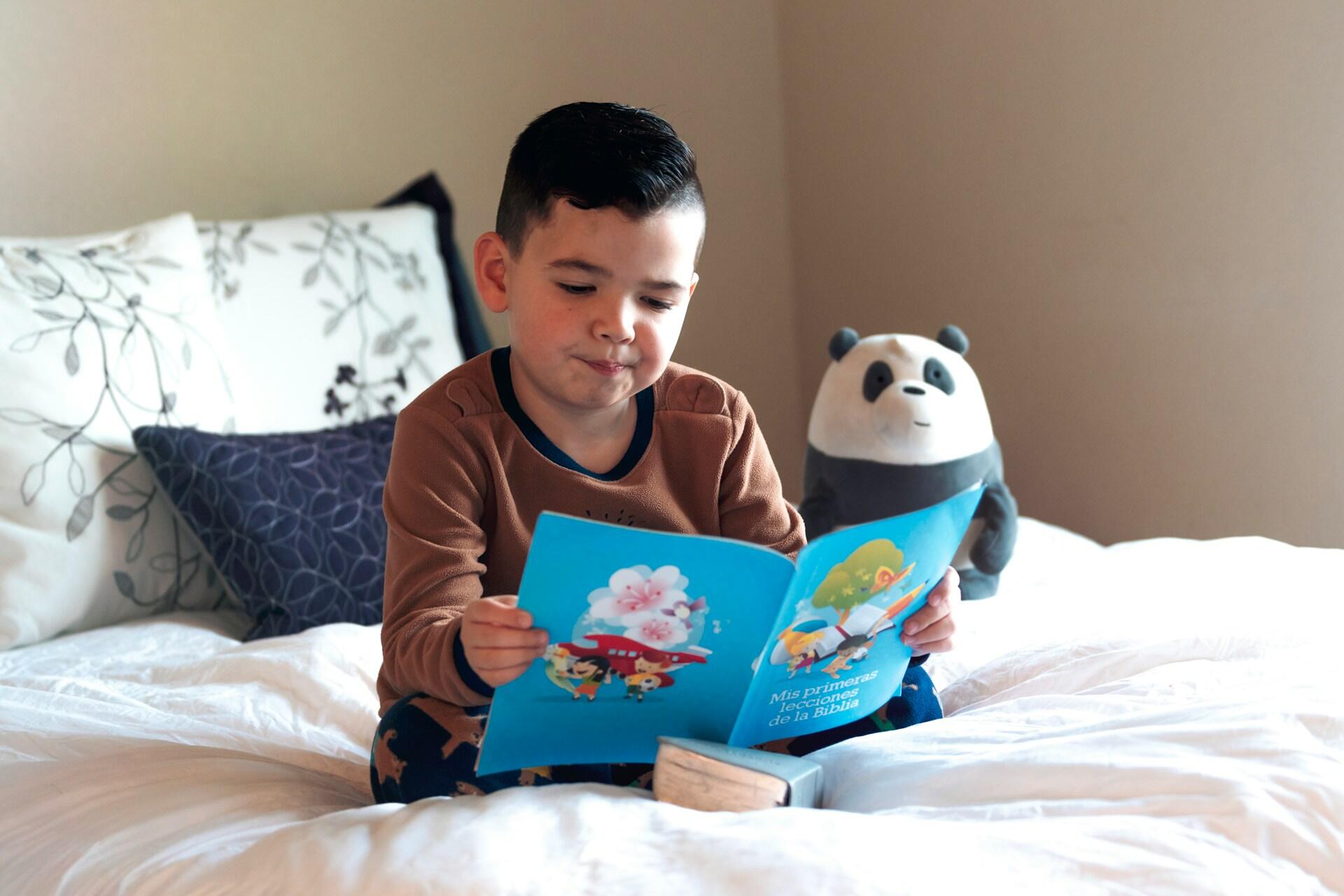
The right book can open the door to a conversation about bullying that might otherwise be hard to start. Some stories are gentle, better suited to younger readers just beginning to make sense of these situations, while others dig into more complex experiences that older children may recognise from their own lives. Below is a selection of children's books that have become firm favourites in homes and classrooms all over world, not just in the UK.
Wonder - R.J Palacio
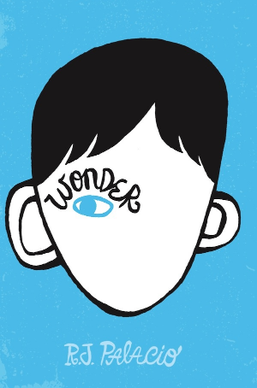
August "Auggie" Pullman has spent most of his life being homeschooled because he was born with a facial difference. Starting school for the first time means dealing with curious looks from students who whisper behind his back and judge him before they've even spoken to him.
Fortunately, as the year progresses, Auggie begins to form genuine friendships and slowly starts to realise that fitting in doesn't mean he needs to change who he is1. The novel itself is told from several perspectives and has quickly become one of the most popular anti-bullying books of choice in UK schools - teaching kids the value of kindness, inclusion, respect, and other positive traits.
The Hundred Dresses - Eleanor Estes
Wanda Petronski wears the same faded blue dress to school every day. As a result, she's an easy target for teasing from her peers. Furthermore, when she begins to insist she has one hundred beautiful dresses at home, nobody believes her, and the teasing becomes worse and worse.
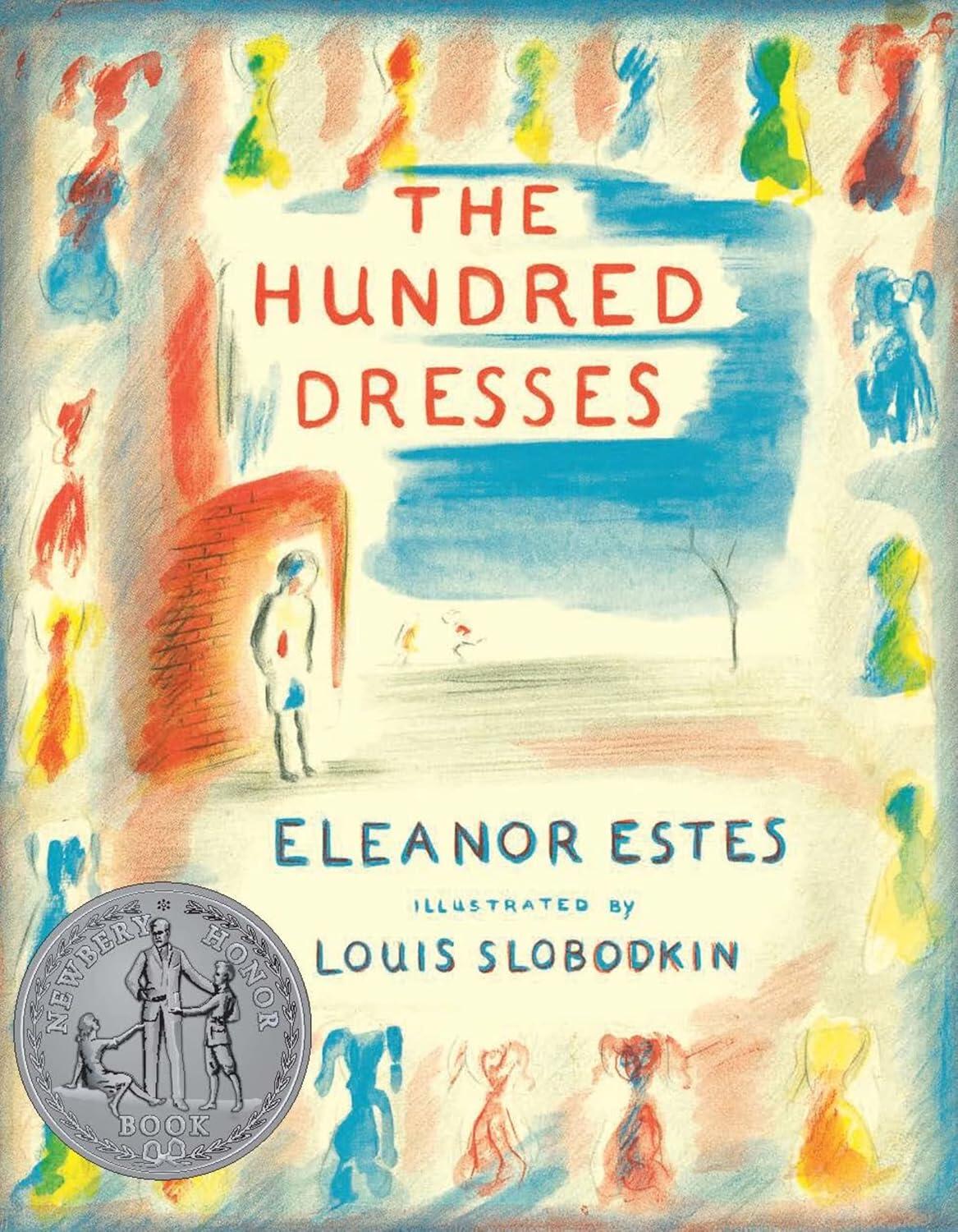
Rather than focusing only on the child being bullied, the story also explores the thoughts of those who stood by and said nothing. First published in 1944, it remains a classroom favourite because its message still feels as relevant today as it did decades ago.
Starfish - Lisa Fipps
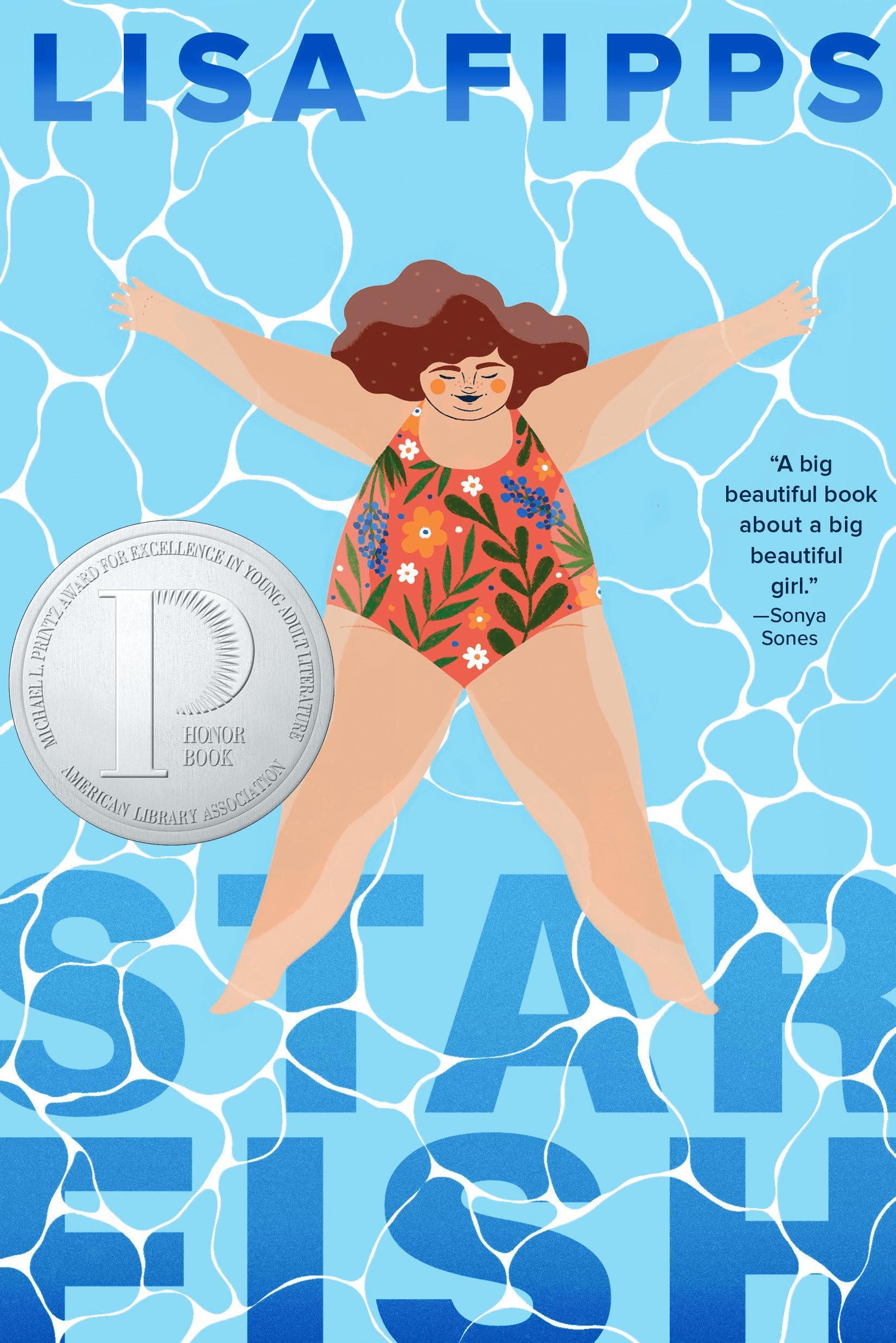
Ellie has spent years trying to make herself as invisible as possible after being bullied because of her weight. She follows a list of self-made "Fat Girl Rules" designed to avoid drawing attention to herself, but hiding never makes the hurt disappear.
Told through a series of heartfelt poems, Starfish follows Ellie's journey as she begins to challenge the voices that have made her doubt herself and discovers that she deserves to take up space, both in the swimming pool she loves and in everyday life.
The Boy at the Back of the Class - Onjali Q. Rauf
When a quiet new boy called Ahmet joins the class, nobody knows much about him apart from the fact that he's a refugee from Syria. While rumours spread around the playground, one classmate decides to find out the truth instead - and, with a group of friends, hatches an ambitious plan to help reunite Ahmet with his family.
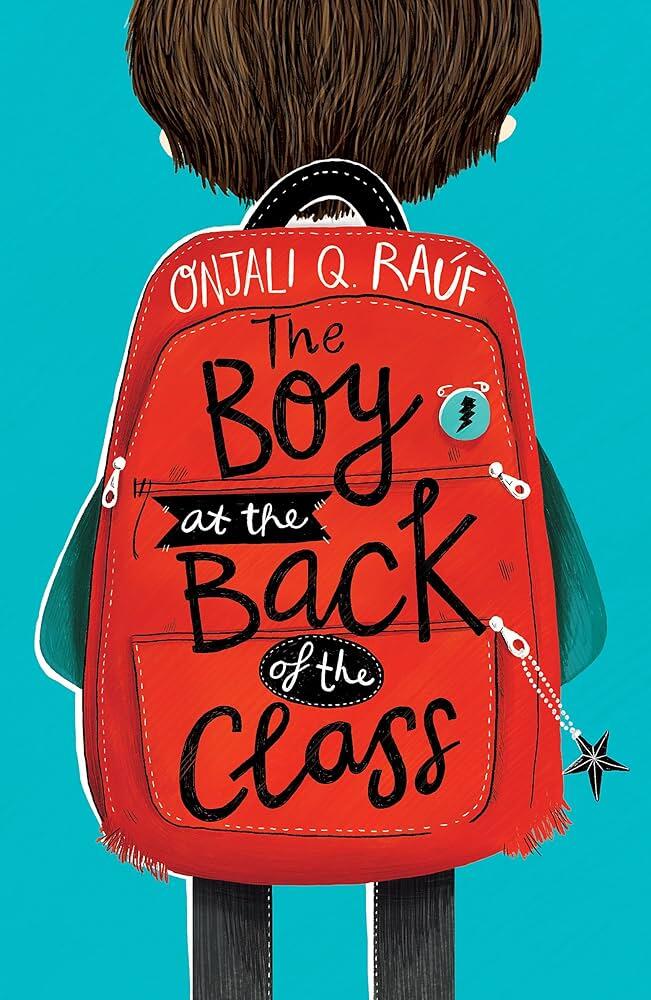
The Boy at the Back of the Class won both the Blue Peter Book Award and the Waterstones Children's Book Prize. It's also a regular feature on reading lists in many UK primary schools
Fish in a Tree - Lynda Mullaly Hunt
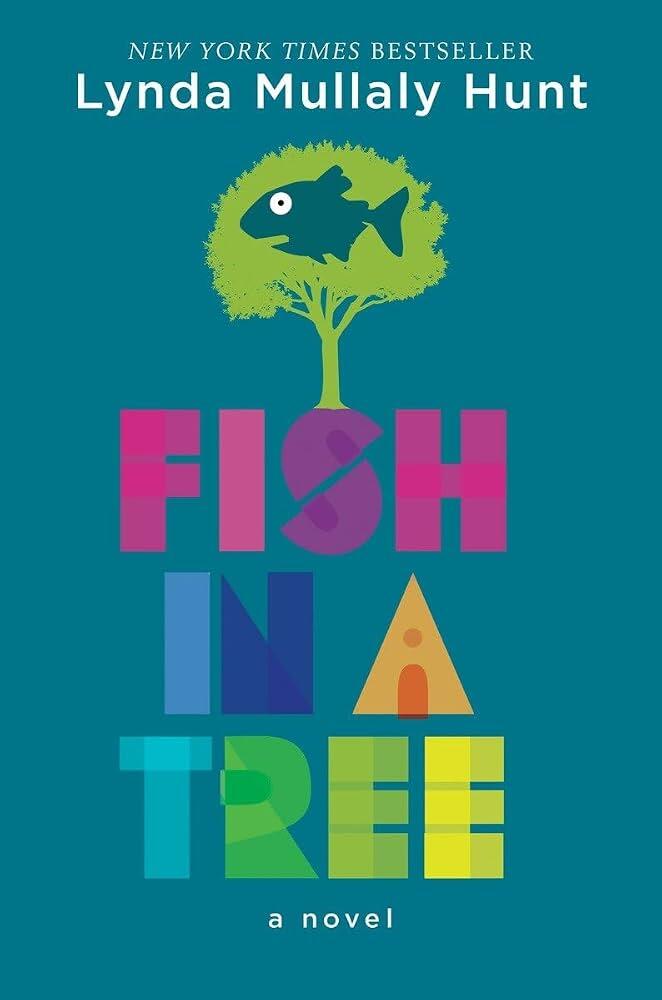
Ally has spent years hiding the fact that she can't read as well as the other children in her class. Instead of asking for help, she acts out and lets everyone think she's simply difficult. Things begin to change when her new teacher, Mr Daniels, realises there's more going on and helps her understand that she has dyslexia. From there, Ally slowly starts to believe in herself, make friends, and see that learning differently doesn't mean she'll never succeed.
Although Fish in a Tree isn't a book solely about bullying, it does explore what it's like to feel different and be judged before people understand your situation. That makes it an excellent choice for children who have struggled to fit in at school or who need a reminder that everyone learns in their own way.
Night Bus Hero – Onjali Q. Rauf
Hector has a reputation for causing trouble. He's the class bully and always on the lookout for his next prank without considering the people he hurts. After picking on a homeless man in the local park, he finds himself caught up in a mystery involving a series of stolen London landmarks.
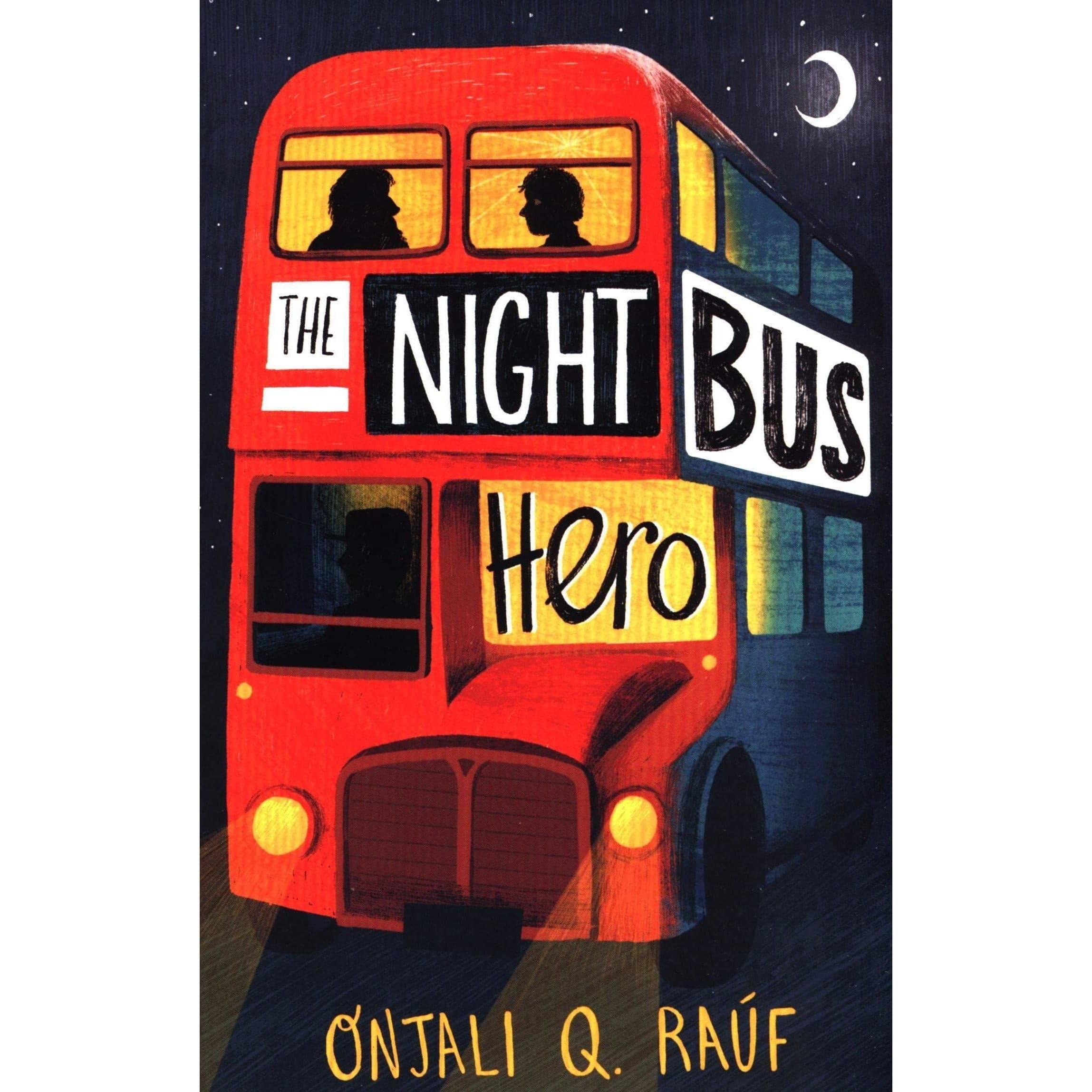
As Hector searches for the real culprit, he starts to question the assumptions he's made about the people around him and what it means to be a hero. Told with a mix of humour and warmth, the story offers a different perspective by putting the bully (rather than the victim) at the centre of the story.
The Boy Who Made Everyone Laugh - Helen Rutter
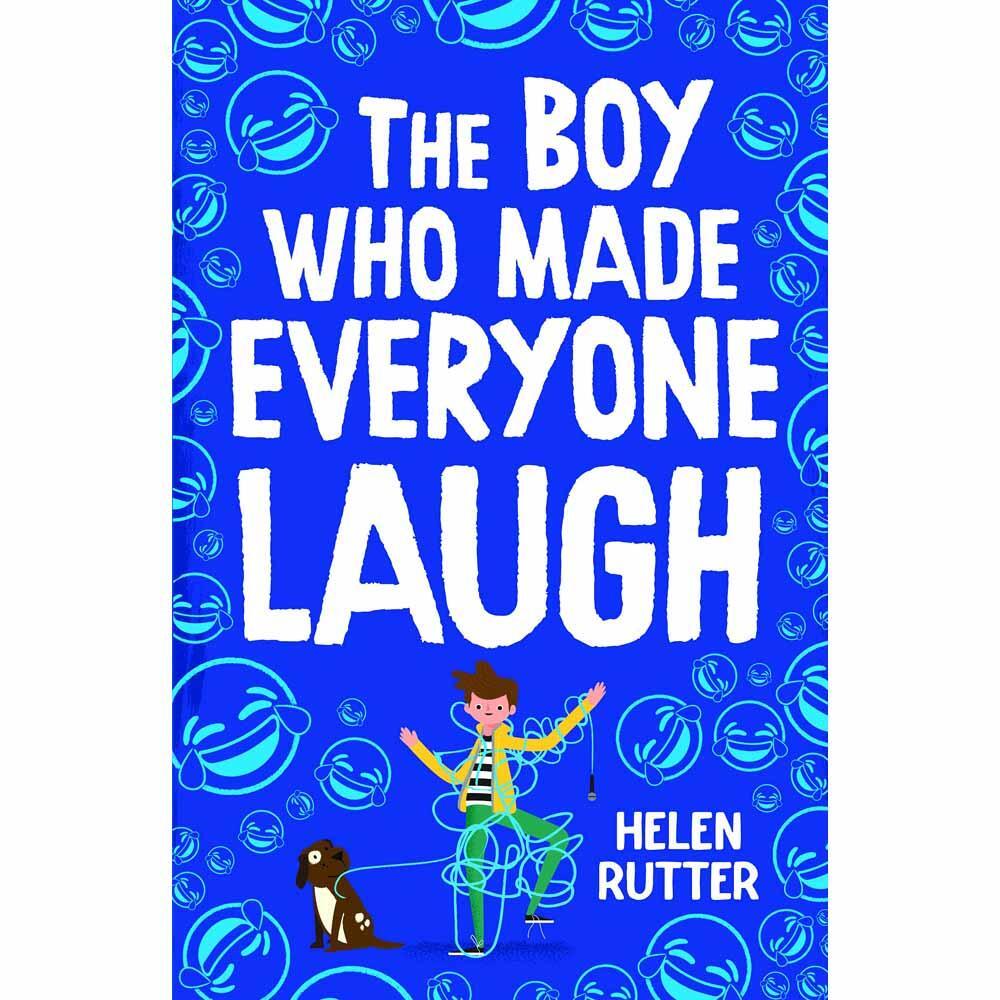
Billy Plimpton has one big ambition: he wants to be a comedian. The trouble is, he has a stammer, and not everyone at school is kind about it. While Billy deals with teasing and the pressure of speaking in front of other people, he refuses to give up on making people laugh. His story follows the ups and downs of school life, friendships, and learning to back yourself, even when other people don't.
The Author (Helen Rutter) based parts of Billy's story on her own son's experiences with a stammer
Want to give private lessons?
Join the Superprof community and share your knowledge with interested and motivated students.
Integrating Anti-Bullying Books in Educational Settings
Curious how you can introduce these books to the children you teach? The good news is that they don't need to become a separate unit of work. Many will fit naturally into lessons and activities you're already planning if you're smart about it.
Ways to Use These Books in the Classroom
- Whole class reading: read the story together and stop at key parts to talk about the decisions characters made and to gauge your pupils' reactions to the story.
- Creative writing: From here you could ask your pupils to write a diary entry or alternative ending from a character's perspective during anti-bullying week
- Drama activities: Alternatively, use role play to explore how situations might have unfolded differently and how bystanders could respond better
- PSHE discussions: You can use moments from the story to explore topics you're already covering, from friendships and respectful relationships to dealing with disagreements in person or online
Starting Conversations About Bullying in the Classroom
Every story on this list gives children something to think about. The questions below help turn that into a classroom discussion, giving pupils the chance to talk through the characters and the lessons they took from the story.
| Topic | Discussion Questions |
|---|---|
| Recognising bullying | How could you tell the character was being bullied? How is bullying different from a disagreement between friends? |
| Feelings | How do you think the main character felt? What clues in the story helped you understand their emotions? |
| Friendship | What qualities make someone a good friend? How did supportive friends make a difference in the story? |
| Bystanders | What could classmates have done differently? Why is speaking up sometimes difficult? |
| Kindness | Can one small act of kindness change someone's day? Have you ever seen this happen? |
| Problem solving | If this happened in your school, what could pupils do? Which trusted adults could they talk to? |
Not all the kids in your class will agree on answers, but that's part of the learning. If the conversation moves on to any personal experiences they've had with bullying themselves, remind the class that everybody deserves to feel safe and respected at school
References
- Wonder by R.J. Palacio - BBC Bitesize. (2023, October 18). BBC Bitesize. https://www.bbc.co.uk/bitesize/articles/z34pf82#z2j3r2p
Want to give private lessons?
Join the Superprof community and share your knowledge with interested and motivated students.
Summarise with AI:
Did you like this article? Leave a rating!

 Loading...
