To start playing badminton, beginners need a lightweight racket, shuttlecocks, non-marking shoes, and comfortable sportswear. Optional equipment such as grips, bags, and protective eyewear can improve gameplay and comfort. This general list of badminton equipment proves that this sport is easy to get into and affordable, too. Here, we cover essential equipment, as well as nice-to-have extras.
| 🧩What you need | 🔎What to look for |
|---|---|
| Rackets | Lightweight Semi-flexible Isometric head Comfortable grip |
| Shuttlecocks | Plastic for lower price and more durability Feather for more accuracy and responsiveness |
| Shoes | Non-marking soles Good gripping properties Good support Lightweight |
| Clothing | Lightweight Breathable Loose and comfortable |
| Accessories | Water bottles towels sweatbands racket head covers shuttle cases a bag to carry everything in |




Rackets: Crucial Badminton Equipment
Badminton rackets are the essential component of the game. Whether a casual player or pursuing fitness, badminton beginners should select their rackets carefully to master proper stroke technique while avoiding injury.
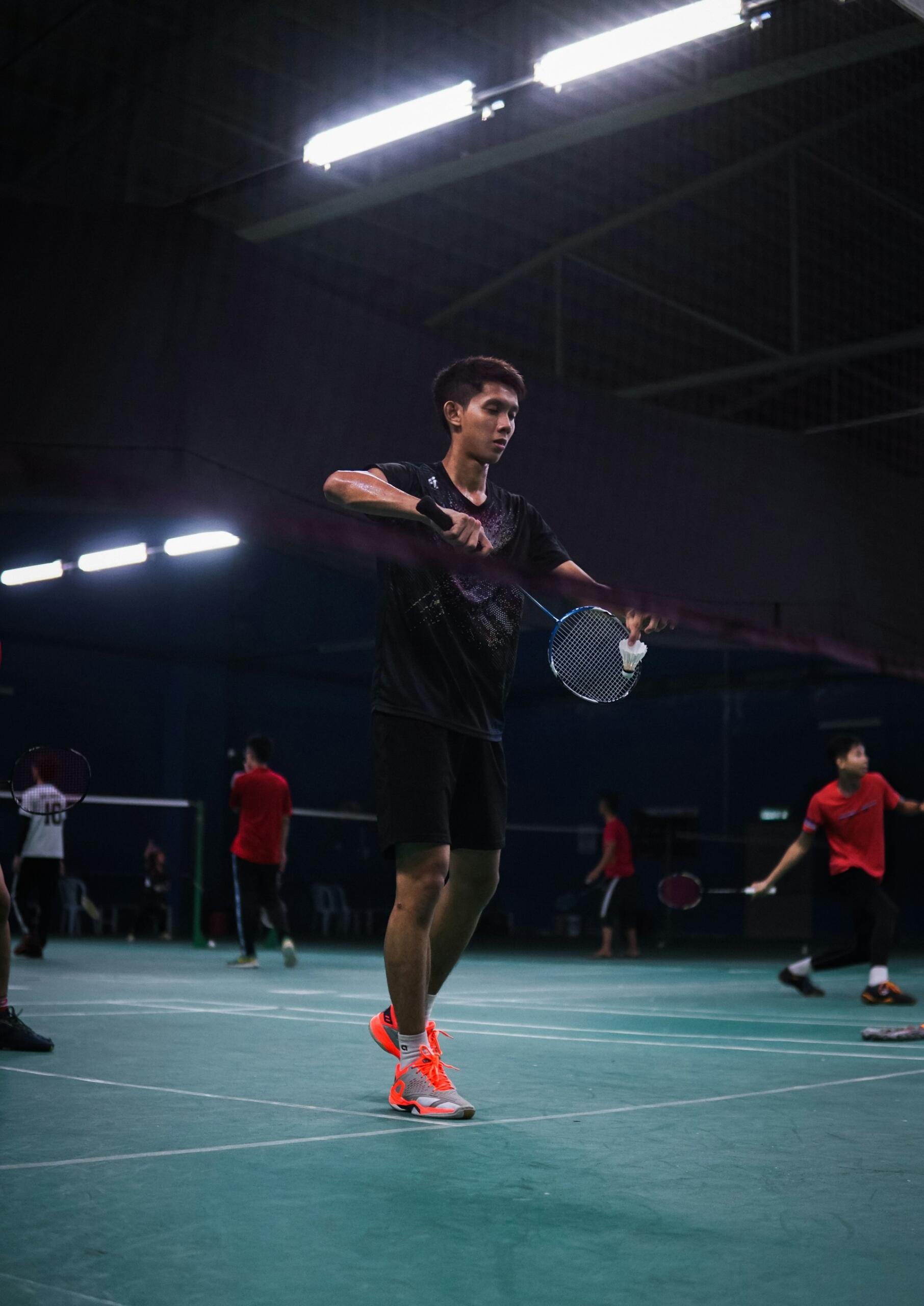
People around the world enjoy badminton, either as a casual activity in a park or at home, or as a sport. This centuries-old game appeared in the Olympic summer line-up starting in 1992. World Game badminton events debuted around a decade earlier.
This long timeline highlights the fact that racket makers had lots of time to design badminton rackets. Today's models contain different materials such as graphite, carbon fibre and titanium - at least, in the high-end models. They're far more dynamic and responsive than early rackets that were made of wood or aluminium.
Even people new to the sport will notice differences among the badminton rackets on display at their favourite sports store. Some have oval heads (the part where the strings are), while others are more rectangular-shaped. The racket's throat, the part that connects the head with the shaft, may be 'open or closed'. Still, all rackets feature four components.
The head: may be oval or isometric
The throat: may be 'open', 'closed', visible or integrated.
The shaft: the part that connects the racket's head to its handle.
The grip: the part that the player holds.
It will take you some time to develop an interest and a need for knowing the value of all these components. As a beginner looking into badminton equipment, you should narrow your search to isometric-head rackets. Beyond that, you only need to concern yourself with four racket features.
Weight:
- rackets weigh between ~75 and 100 grams
- light rackets are for speed
- heavier rackets deliver control
- ideal for beginners: mid-weight rackets (80-85 grams)
Grip size:
- hand should wrap loosely/comfortably
- noted as G1 (largest) - G5 (smallest)
- grip size can be increased with wrapping
- G3-G4 best for adult-sized hands
Flexibility
- very flexible delivers power
- mid-flex: power and control
- stiff: power and precision
- beginners' best: mid-flex
Balance
- head-heavy
- head-light
- evenly balanced
- beginners' best option: head-light
Of course, you must also concern yourself with the racket's quality: of build and of materials. Some lower-priced rackets can shatter after a few accidental ground hits, sending jagged pieces flying. However, string quality is the greater issue to attend to, by far.
Factory machines stringing rackets may not do the best job or use the best materials.
It's always a good idea to have your new racket restrung before you use it.
Rackets: the Essential Badminton Equipment
As you head to your favourite sports or department store, you only need to bring these points with you.
Badminton Sports Equipment: Shuttlecocks
As a badminton player, I recall with horror passing a playground and seeing children try to bounce rocks, sand, and other toys off of badminton rackets. The only things anyone should ever try to bounce on their badminton rackets are shuttlecocks, also called birdies or simply shuttles.
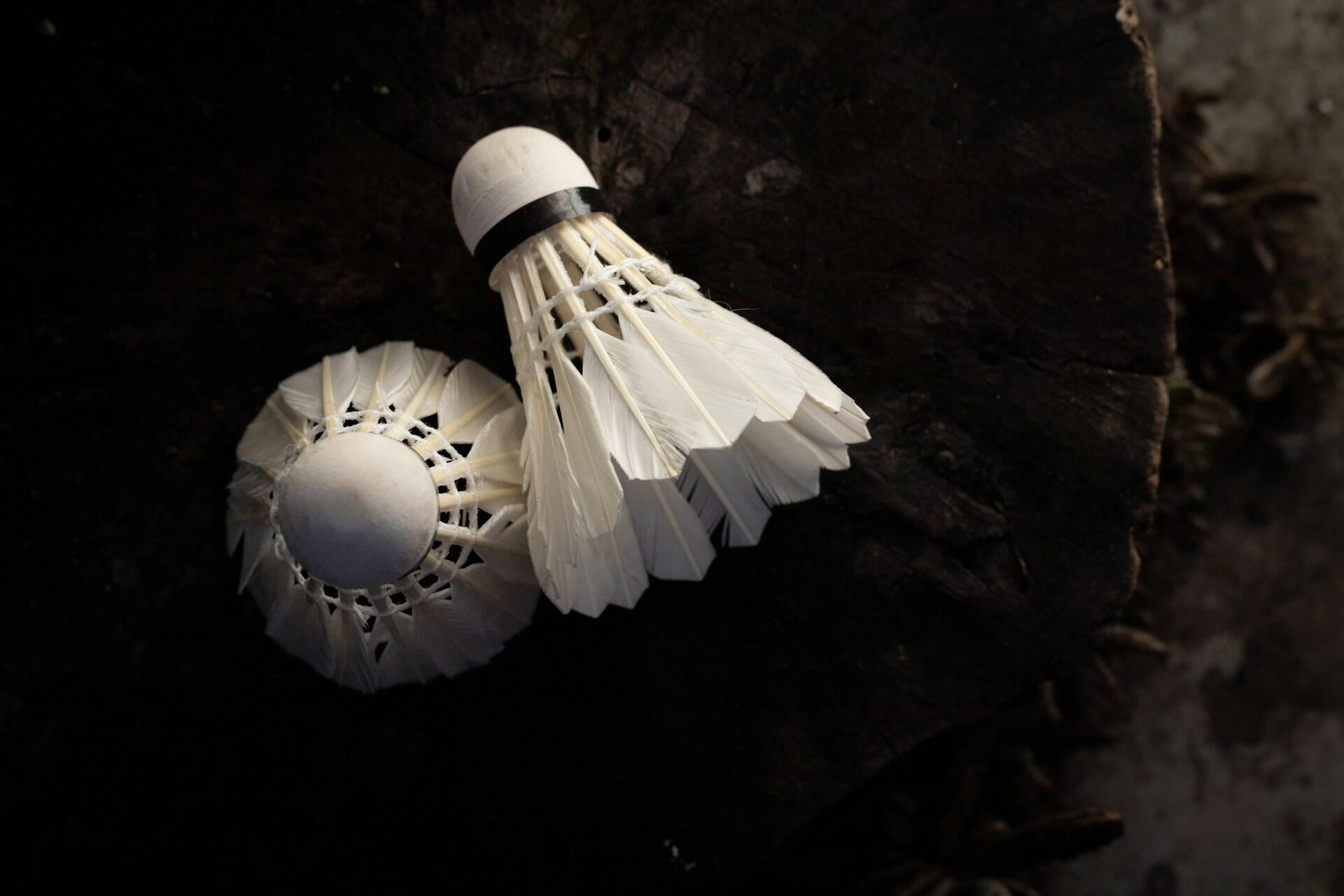
People have enjoyed games using shuttlecocks for centuries. For the most part, they have all distilled into the game we call badminton. Early shuttles were handcrafted out of overlapping duck or goose feathers planted in a cork base.
These game components haven't changed much over the centuries. Today's shuttles are factory-made, and come in two varieties: feather and plastic. Each offers distinct advantages, and they both have shortcomings.
Feather shuttles
- 👍more accurate
- 👎more delicate
- 👎can be pricey
- 👍typically used in tournaments
- 👍best for indoor play
Plastic shuttles
- 👎hard to control
- 👍more durable
- 👍relatively low price
- 👍often used in badminton clubs
- 👍suitable for indoor and outdoor play
Where new players are concerned, plastic birdies fit the bill. They're also cost-efficient. Remember, you'll go through quite a few shuttles on your way to badminton greatness. As you work your way there, consider this list of pros and cons (legend: pros = ✅ ; cons = ❌)
| 🔀Feature/aspect | 🦆Feather shuttles | 🧪Plastic shuttles |
|---|---|---|
| Durability | ❌ | ✅ |
| Accuracy | ✅ | ❌ |
| Cost | ❌ | ✅ |
| Availability | ❌ | ✅ |
| Casual play | ❌ | ✅ |
| Tournament-competition | ✅ | ❌ |
What Equipment Do You Need For Badminton?
A racket and a few shuttles are absolutely vital; you cannot play the game without them. You may consider a badminton set if you only want to play the game occasionally. Typically, those sets come with a pair of rackets and a couple of shuttles.
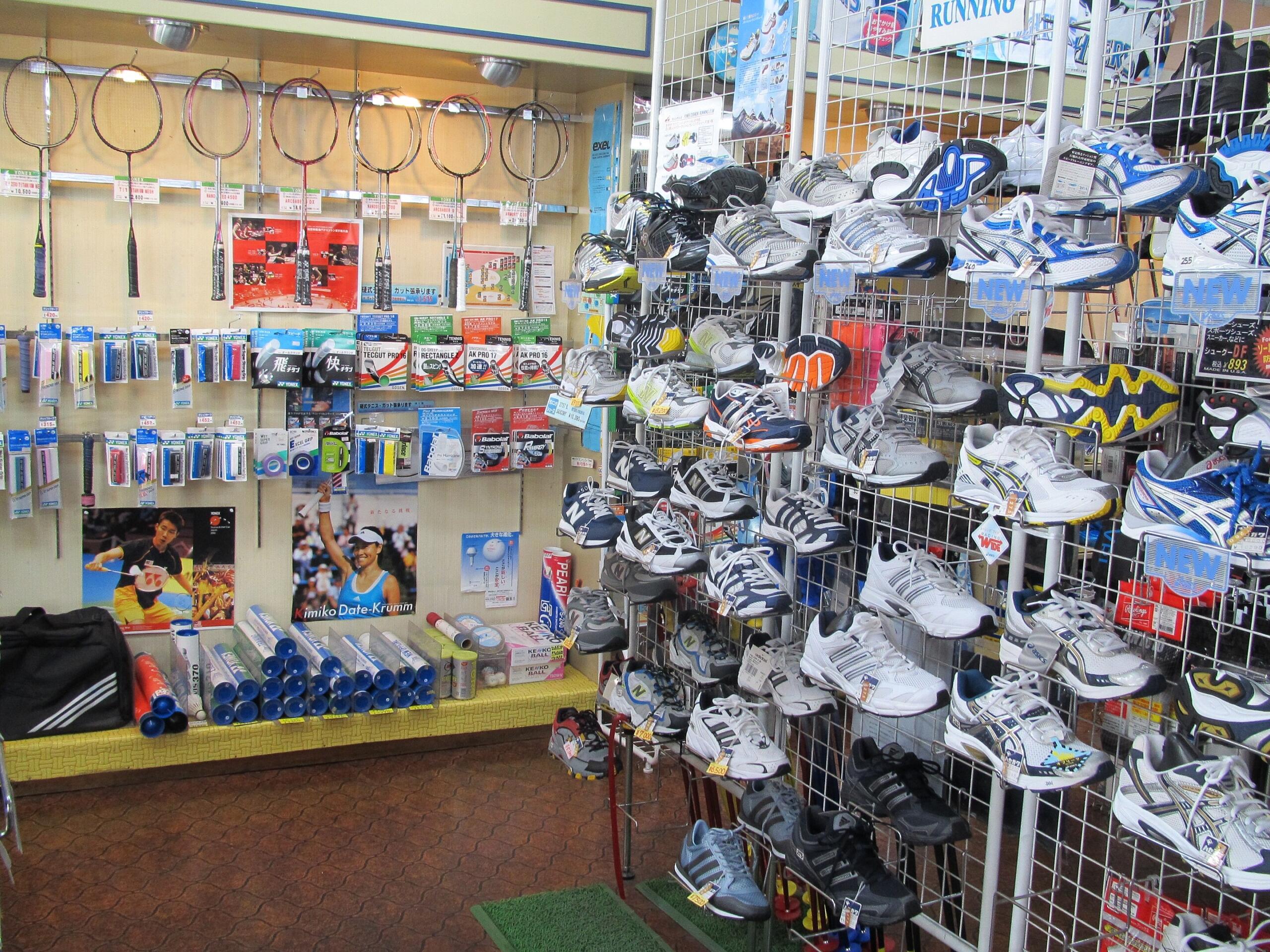
If you intend to play as a member of a club, you're more likely to invest in individual rackets. So, you'll buy shuttles separately. You may splurge on feather shuttles or stick with plastic ones. To join a badminton club, you must also know the rules for playing badminton.
Equipment in Badminton: Is Footwear Essential?
You may have enjoyed a stroll through the park on a sunny day and happened upon a few friends thwacking a birdie around. They may have worn sandals, sand shoes or even been barefoot. Common sense dictates against the latter option, as that makes it too easy to step on rocks or glass or otherwise injure yourself.

Playing badminton on a court demands you have appropriate footwear. Not just because the facility won't let you on their courts without shoes, but because the right shoes boost your performance.
Your feet and frame need cushioning and support as you lunge, leap and dash across the court. You must also be able to stop instantly, pivot and push off without your shoes letting you down.
Proper footwear can help you improve your game performance, as well as protect you from injury. That makes shoes essential badminton equipment.
The question is, what constitutes proper footwear for badminton?
Most indoor courts require non-marking soles to reduce damage to court surfaces.
As a beginner badminton player, you might get by with a pair of well-fitting trainers, as long as they're non-marking. Those shoes should have enough tread to grip the floor and enough cushion to protect your ankles, knees and spine. They should be of solid construction to support your movement and frame.
In time, you might consider investing in badminton shoes to improve your footwork and playing technique. When prowling the aisles of badminton gear, you'll discover popular brands like Yonex, Babolat and Li-Ning. You'll find those brands also make the best rackets for beginner players.
Badminton shoes typically offer four durability 'levels': suitable for beginner, intermediate, advanced and professional play.
A pair of beginner badminton shoes might cost as little as £40 - 45, while professional models run closer to £150. It makes little sense to buy a professional shoe if you're just starting out because you likely won't get your money's worth out of them. More importantly, those shoes are designed for players who play hard, a stage you won't get to until much later.
What to Look for in a Beginner Badminton Shoe
Proper fit is your first consideration. If possible, ask the attendant to measure your foot and then try several pairs from different brands. You should wear the type of socks you plan to wear when you play to get the best assessment of fit. When you're ready to shop for shoes, consider these four main points:
Badminton Gear: Clothing and Accessories
What other badminton gear could a beginner need, besides shoes, a racket and shuttles? Having a bag to carry everything in is a good idea. How big a sports tote you need depends on all the accessories you kit yourself out with.
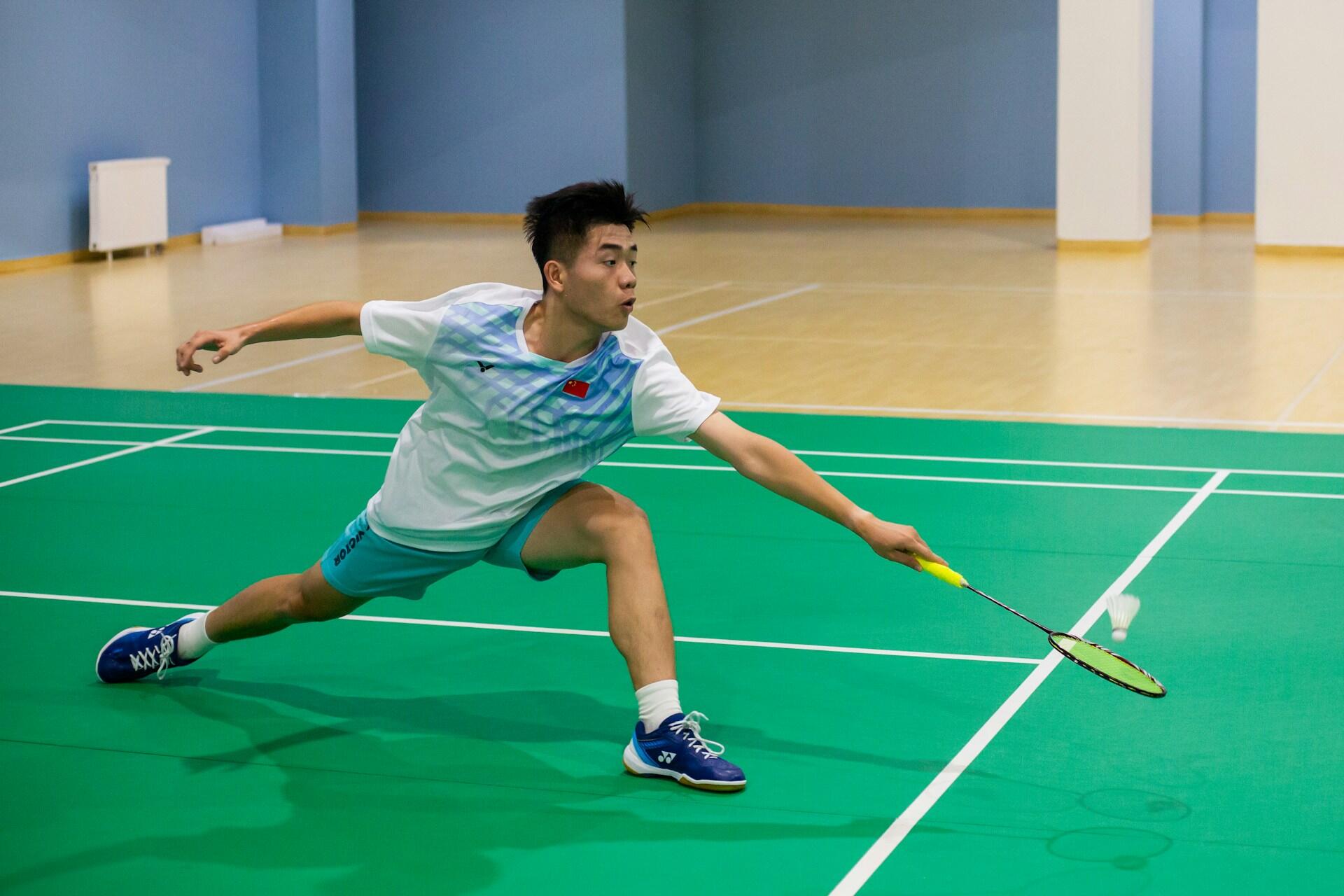
You'll note that all the badminton players pictured in this article are wearing lightweight, breathable jerseys. Their shorts are made of the same materials. When you get serious about badminton, you'll want a similar selection for your time on the courts.
Hydration is as important to badminton players as it is to any other athlete. So, spare some room in your bag for a good-sized water bottle. You might also want a towel to wipe your face off with, once you get into heated play. These few things all fit easily in a small backpack; what else might you need or like to have with you when you play?
| 🛒Accessory | 🏸Why you need it |
|---|---|
| extra shuttles | In case the one you're using gets lost or damaged. |
| Towel | To wipe sweat off your hands and face |
| Sweatbands (for your head and wrists) | Keep the sweat out of your eyes and to keep your hands dry. |
| Racket head covers | To protect your racket and strings |
| grip tape also called overgrip | To rewrap your racket's grip, if needed. |
| protective eyewear | To keep your eyes safe. |
| Sports bag | To keep and transport your equipment. |
| Water bottle | To stay hydrated! |
Many beginner badminton players rely guides such as this when they start playing badminton. This information about badminton equipment for beginners helps new players find the equipment information they need to enjoy their sport.
Summarise with AI:
Enjoyed this article? Leave a rating!

 Loading...