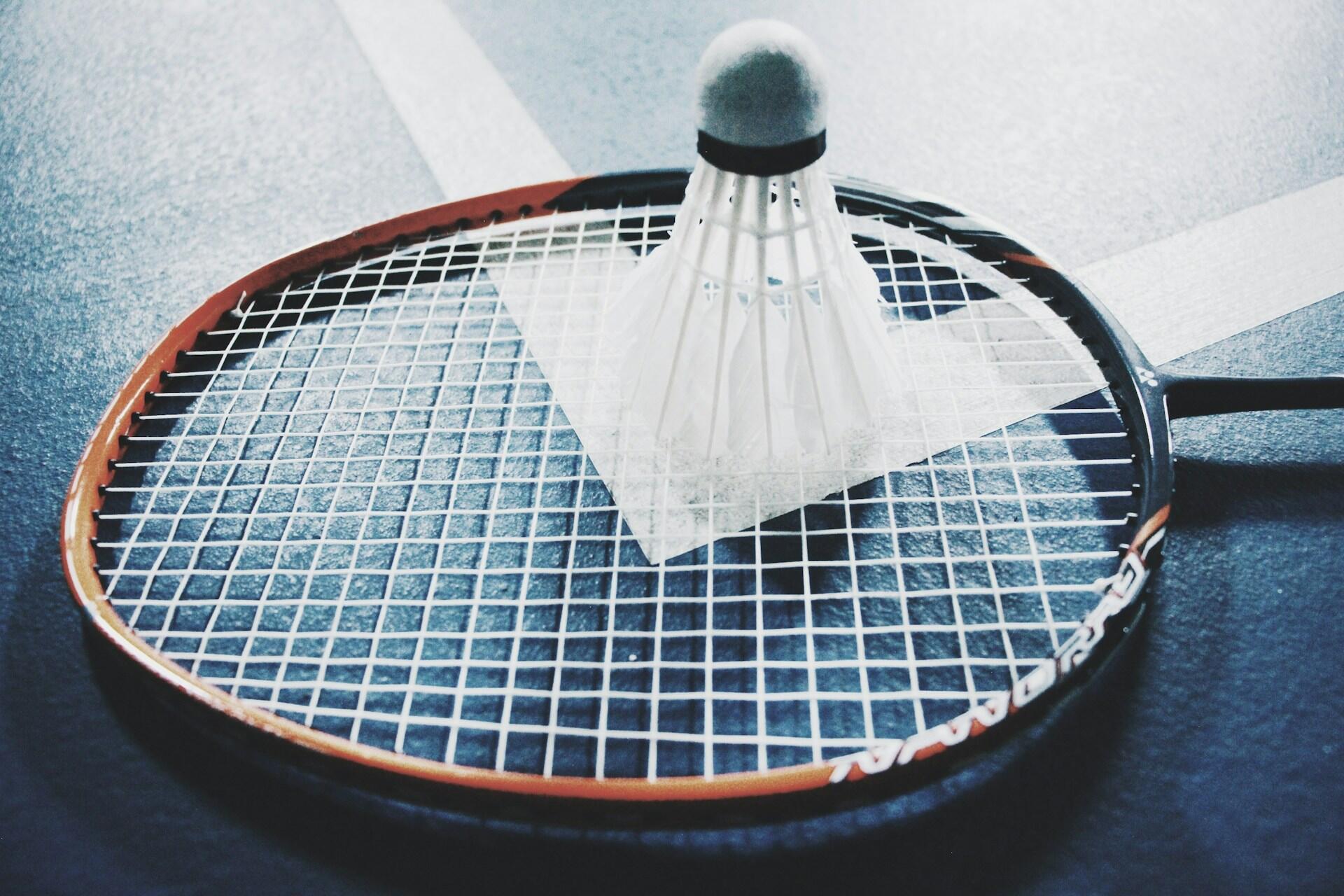

The best badminton rackets for beginners are lightweight, have an isometric head shape for a larger sweet spot, and a medium-flex shaft for better control. Brands like Yonex, Carlton, and Victor offer great entry-level options. Choosing the right racket can make a huge difference when you're just starting out in badminton. This guide explains how to pick a beginner-friendly racket based on weight, balance, string tension, and more.
| 👆Point | 💡Suggestion | 🙋♂️How it helps |
|---|---|---|
| Racket head shape | Stick with isometric heads. | Those rackets are more forgiving. They have a bigger sweet spot. They can deliver both power and precision. |
| Racket weight | Go for a lightweight racket. | Less risk of wrist or arm injury. Helps you develop racket control. Delivers power and shuttle control. |
| Racket flexibility | Look for a medium flex shaft | Helps build control Gives you more precision. |
| Grip | Should fit comfortably in your hand. | Helps develop your swing. Helps develop racket control. Helps prevent injury and accidents |
| On getting advice | As much as possible! From coaches, store clerks and experienced players. | Gain insight into the game. Develop playing strategy. Discover best practices. |
| On trying rackets | Try several models/brands, used and new. | You get know many brands Helps you find the right racket. |
| On buying a racket | Explore your options. Buy with long-term in mind. | You'll find the best value for your money and needs. You'll tend towards quality rackets. |
| On stringing | Restring your racket after purchase. | Factory strings may not be high-grade or tight enough for decent play. |




Key Features of the Best Badminton Racket for Beginners
Who hasn't enjoyed the distinct thwacking sound of a badminton racket popping a shuttlecock back and forth across the net? In fact, we'd bet that you took your turn lobbing that birdie at some point, even if you lacked a court to play on and a net to divide it.
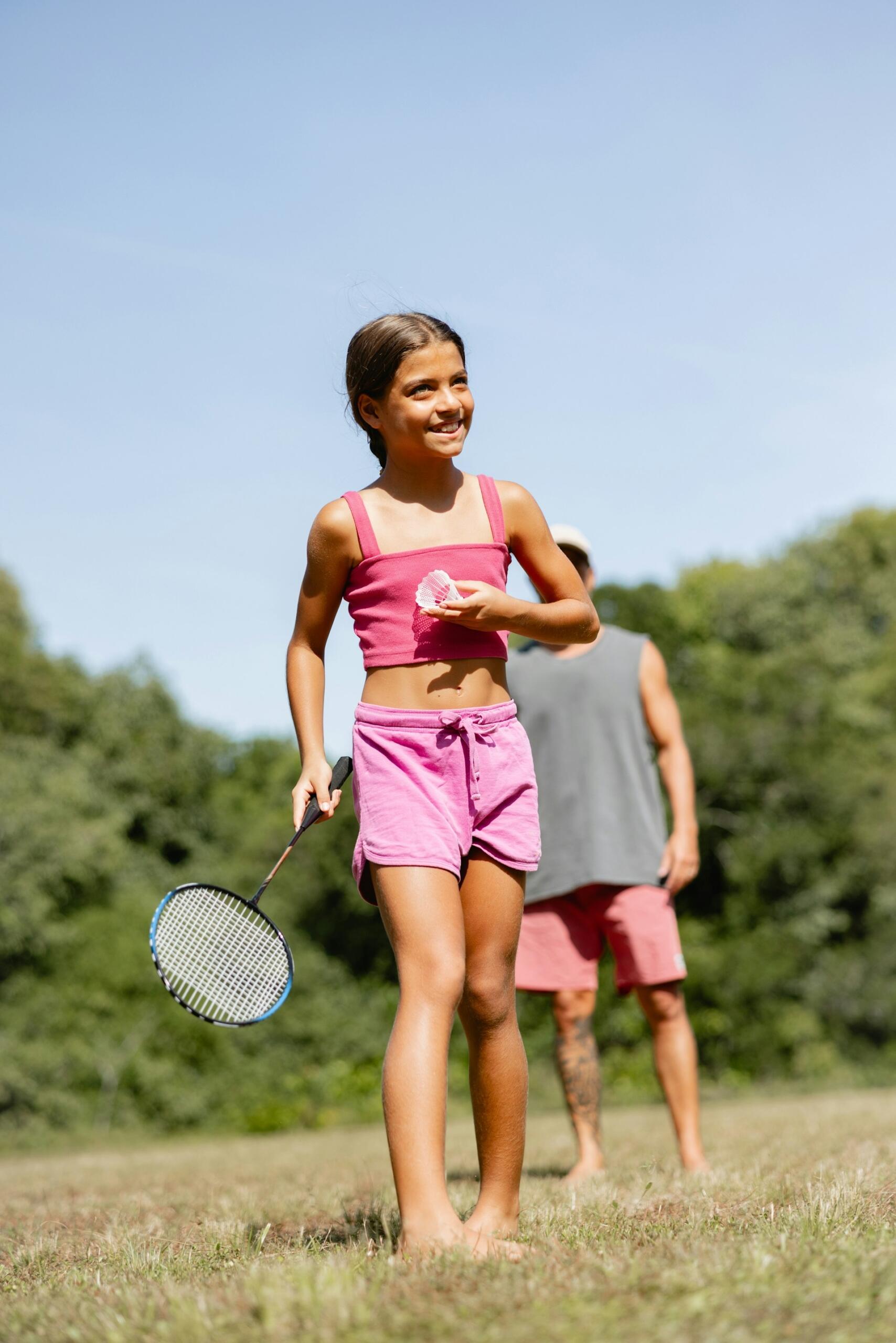
That's all in fun, but what about getting serious about badminton? It is an Olympic sport, after all. It fits well within any fitness regimen. You can play indoors or outside, always provided you accept the wind challenging your aim. If playing for fitness is your plan, you should know what equipment to invest in.
All the badminton techniques you'll learn depend on how you handle your racket and the control you have over it. Your racket's weight and balance influence both of those aspects of play, particularly as a beginner player.
You can count on roughly a 4-gram variation for each rating. A 3U racket ranges between 85-89 grams, while a 4U weighs in somewhere between 80 and 84 grams.
Badminton rackets are assigned a U Rating.
U = 'under 100 grams', meaning a certain multiple of 5 below 100 grams (1U = 5 grams)
A 4U racket weight = 80 grams: 100 - (4 x 5 grams).
A 3U racket weight = 85 grams: 100 - (3 x 5 grams).
A 4U or 3U racket is best for beginner players. They're light, so you won't strain your arm swinging them. Their lightness encourages you to develop racket control early in your training. Mastering control will, in turn, help you develop a solid playing technique.
Racket Balance
Every instrument features a balance point: the spot where one side's weight equals the other side. Where badminton rackets are concerned, you have two balance points to choose from.
The balance point is further down the shaft, closer to the grip
The balance point is around the middle of the racket's shaft.
Head-light rackets are 'defensive', meaning they're best suited for volleying (sending the shuttle back and forth). They give you the room to learn the skills needed to return hits. By contrast, even-balanced rackets serve well for attacking as well as defending. As a beginner, this is the type of racket to invest in.
Flexibility
On this point, the pros are of two minds. A racket with more flex is more forgiving; it gives players more power but less control. When aiming for accuracy - where the shot will land, a less flexible racket is better. The bottom line: investing in a medium-flex racket will give you the balance between power and control so vital to beginner players.
1. Weight: beginner rackets should be light to deliver speed and power.
2. Balance: the racket's weight evenly distributed, or perhaps a slightly lighter head.
3. Grip: The racket's grip should fit comfortably in the player's hand.
How to Choose Badminton Racket by Head Shape and Spring Tension
As though the points above weren't enough to think about, you must also consider the rackets' head shape before handing over your cash.
The differences are subtle to the untrained eye, but the shape you choose will make all the difference to your performance on the court.
Badminton rackets have traditionally been oval. During the 1980s, the isometric shape carried over from tennis rackets to badminton, making it easier for beginner players to keep the shuttle in play.
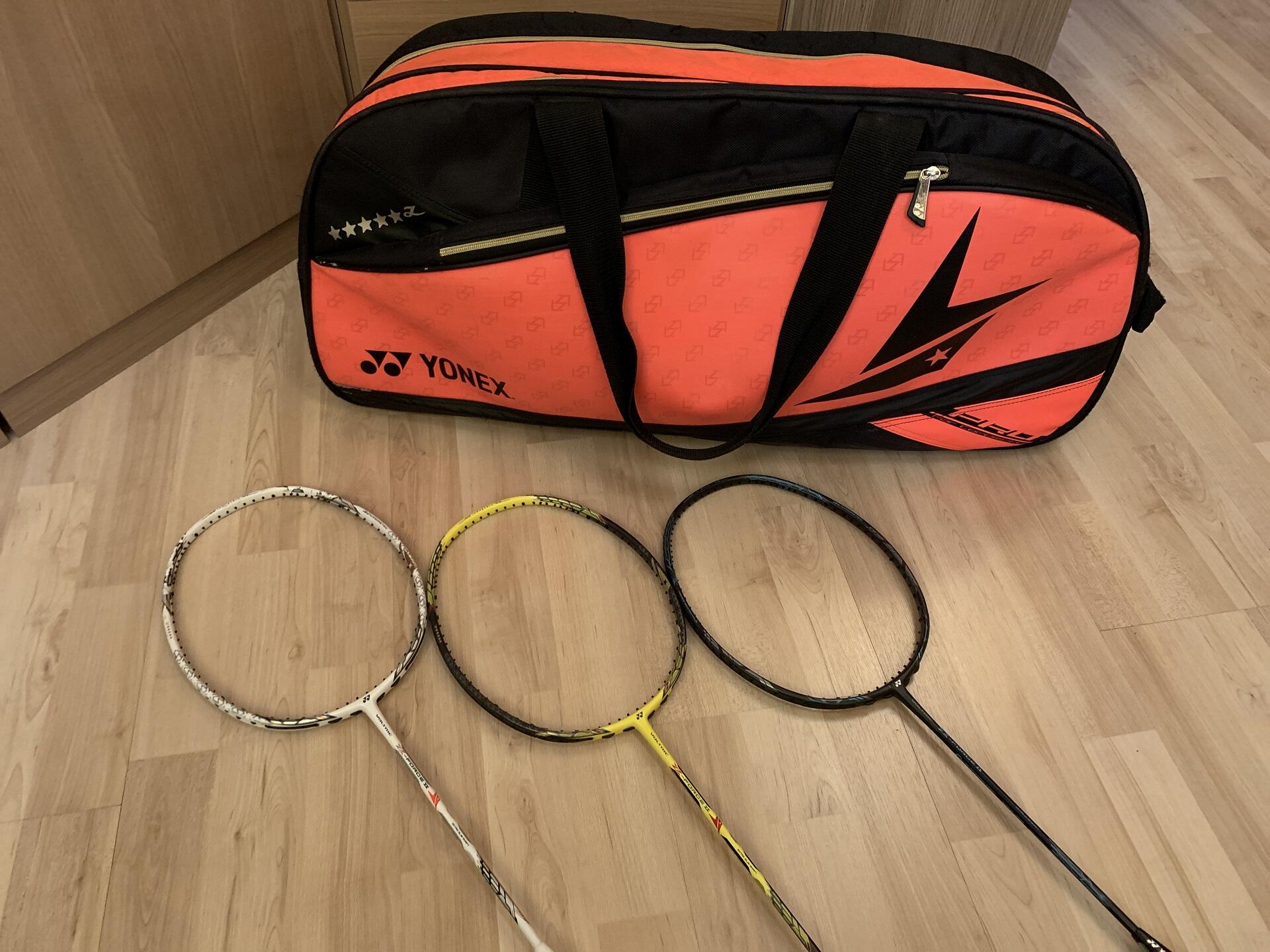
Badminton rackets typically offer two shapes: oval and isometric. Let's compare them before exploring their advantages.
Oval head
- longer, narrower appearance
- best for control and precision
- small sweet spot
Isometric head
- broader, more rectangular appearance
- allows for consistent power
- larger sweet spot
The sweet spot referred to above is the area on the racket that gives the most bounce. Oval-head rackets have a smaller, more concentrated sweet spot in the middle of the racket. That shape is best for players with more experience. The isometric shape has a broader sweet spot, making it ideal for beginners.
The place on the badminton's head that best responds to the shuttle's impacts.
You might already know about shuttles; they're the other essential equipment needed for badminton. They have a rubber end, but that's not enough to give them the bounce they need. Your racket's spring tension gives the shuttle its burst of energy.
Have your new racket restrung before using it, to optimise its spring tension.
String tension of 18 - 22 pounds is ideal for beginners, as it is more forgiving.
What Is the Best Racket for Beginners?
As noted in this article's introduction, Yonex, Carlton and Victor are top brands for badminton rackets. Each company makes several models, though. Which ones are best for beginner players? These comparisons will help you decide.
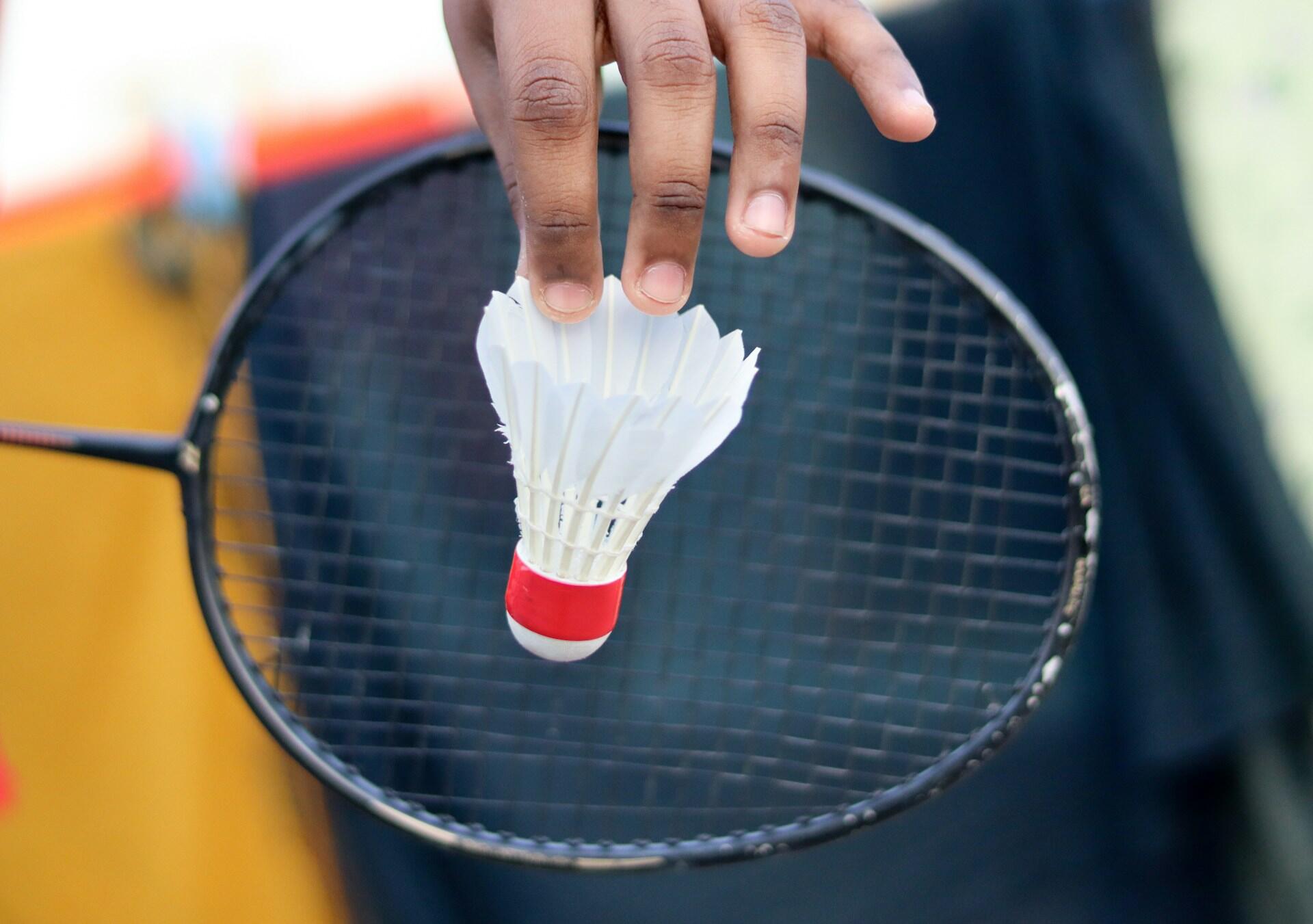
Yonex Nanoray 10F
Pros:
- lightweight (U4 - 80-84 grams)
- balance: head-light
- isometric head shape
- flexible shaft
- durable construction
Cons:
- poor grip quality
- less power
- does not balance power with control
- smaller sweet spot than other isometric rackets
Carlton Powerblade 4000
Pros:
- lightweight (U4 - 80-84 grams)
- balance: even
- isometric head shape
- medium flexibility
- graphite shaft/titanium alloy head
Cons:
- poor grip quality
- poor string quality
- tough to find the sweet spot
- sacrifices precision for power
Victor Thruster K Hammer Light
Pros:
- slightly heavy (U5)
- balance: head-heavy
- isometric head shape
- flexibility: stiff
- graphite/resin construction
- suitable for advanced beginners
Cons:
- less forgiving
- not the best for absolute beginners
- limited flexibility
- limited performance
- specific string tension
Besides knowing the rules of badminton, knowing what to buy does the most to advance beginners' enthusiasm for the game. Now, with the rackets' comparative advantages laid out, we can assess how these models stack up in practical terms, including their prices.
| 🔖Brand | 💰Price range | 🏋️♀️Weight | ⚖Balance | 💪Flexibility | 🏸head shape |
|---|---|---|---|---|---|
| Yonex Nanoray 10F | £39.99 to £60.00 (depending on outlet) | lightweight | head-light | flexible | isometric |
| Carlton Powerblade 4000 | £16.95 to £18.99 (depending on outlet) | lightweight | evenly balanced | medium | isometric |
| Victor Thruster K Hammer Light | £79 to £88 (depending on outlet) | medium weight | head heavy | stiff | isometric |
| Li-Ning Windstorm 74 | £70 to £93 (depending on outlet) | lightweight | head heavy | medium | isometric |
| Babolat First II | £10.99 to £16.99 (depending on outlet) | lightweight | evenly balanced | very flexible | isometric |
What Is the Best Badminton Racket for Beginners: Set vs Individual Racket?
That depends on your intent. If you're interested in casual play - batting the shuttle around after tea with the family, the set is your best buy. On the other hand, if you want to begin taking badminton lessons with a coach, you'll get more value out of an individual racket. Especially if you take the points above into consideration.
If you've spent time lurking in your favourite store's sports section, you've likely noticed badminton racket buying options. They're probably not as specialised as those in shops dedicated to sports but, at least, you'll find a selection of rackets, along with packaged sets. The question is, which delivers the best value for your money?
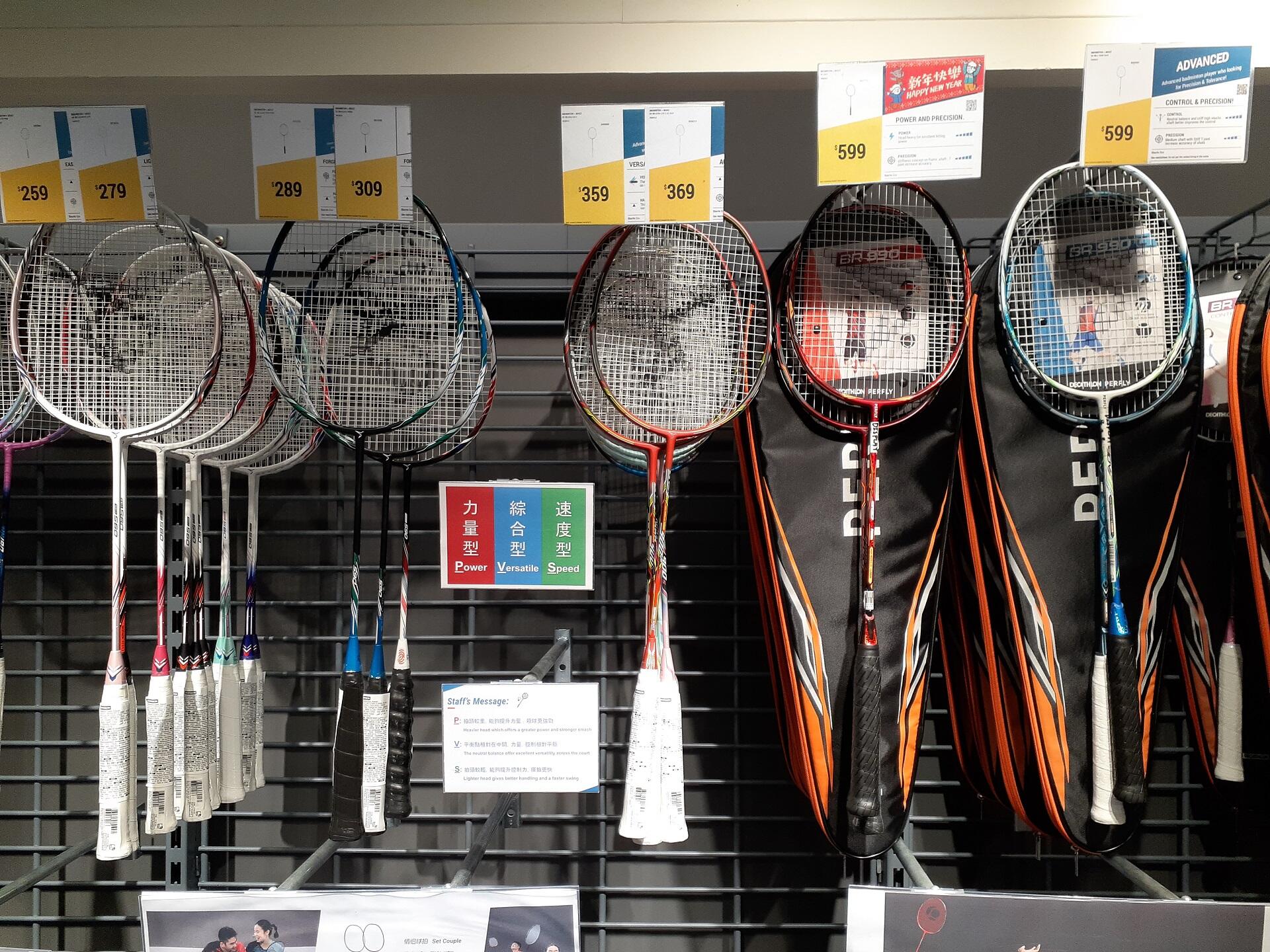
Individual rackets typically boast higher quality than those in a set. Their materials and construction ensure your racket will serve you longer. Still, both options deliver advantages, and they both have strikes against them. In this chart, we lay those points out side by side (note: ❌=con; ✅=pro).
| Racket option | Individual racket | Racket set |
|---|---|---|
| Suitable for serious lessons | ✅ | ❌ |
| Suitable for casual games | ❌ | ✅ |
| Suitable for family fun | ❌ | ✅ |
| Choice between isometric or oval head | ✅ | ❌ |
| raquet quality | ✅ | ❌ |
| includes shuttlecock | ❌ | ✅ |
| includes case | ✅❌(depending on model/brand) | ✅ |
| includes protective head cover | ✅(usually) | ❌ |
| durability | ✅(typically) | ❌ |
| value for the money | ✅❌ (depending on model/brand) | ✅ |
Tips for Choosing the Best Badminton Racket for Beginners
Choosing the right racket will take a bit of time and effort. As a beginner badminton player, you might be overwhelmed by the variety of rackets (and the range of price tags!). You shouldn't assume that the priciest racket will deliver the best results. In fact, going straight for a professional-level model could harm your early badminton efforts.
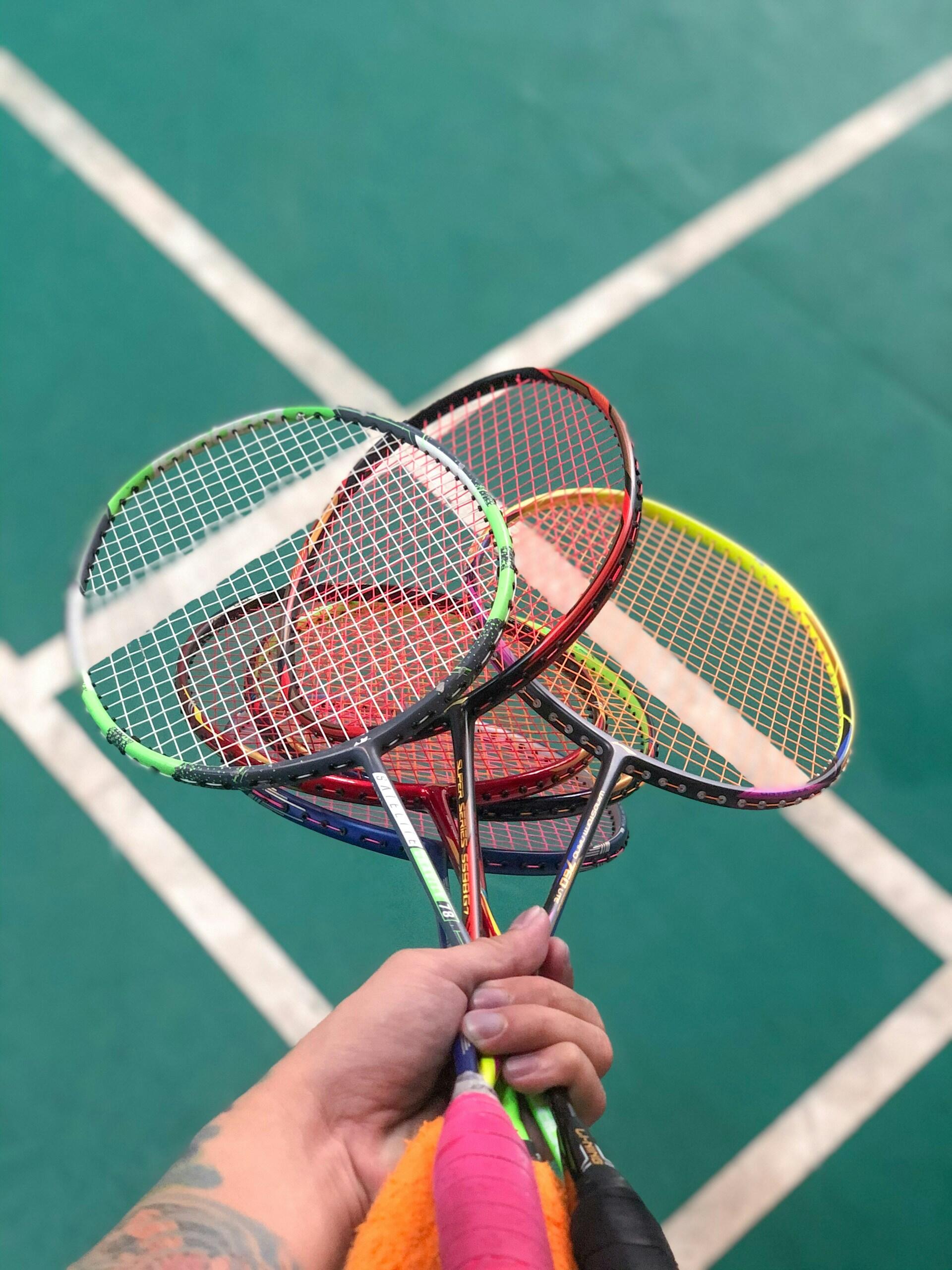
Most badminton coaches recommend that players new to the game take the time to test out various rackets before they buy one. Your local gym, sports club or community centre likely has rackets to loan.
Doing that gives you the chance to try out rackets of various head shapes and levels of flexibility. You should also sample new rackets, something you can do at a sports store. The trendier shops typically have racks you can sample and an area big enough to do so. You might even find an attendant willing to bat the birdie back and forth with you.
As you narrow down your choices, the grip is your first point to consider. How does it feel in your hand? How is it wrapped - thin tape or the padded, more durable kind? Does it feel top-heavy, like all its weight is in the head? This is a vital point to consider, as you might try to grip it further up, rather than nearer the base. Doing so would limit your reach.
A racket's grip should fit comfortably in your hand. If too big or small, try a different grip size.
Once you've found one that fits nicely in your hand, try bouncing the shuttle a few times. What sort of action does the racket deliver? Does the shuttle tend to hit closer to the racket's frame? If so, you might try a racket with an isometric head. Remember that isometric head rackets are more forgiving, a quality beginner players need.
This type of information must feature in every beginner's badminton guide, but it's seldom as clearly laid out.
Summarise with AI:
Enjoyed this article? Leave a rating!

 Loading...