
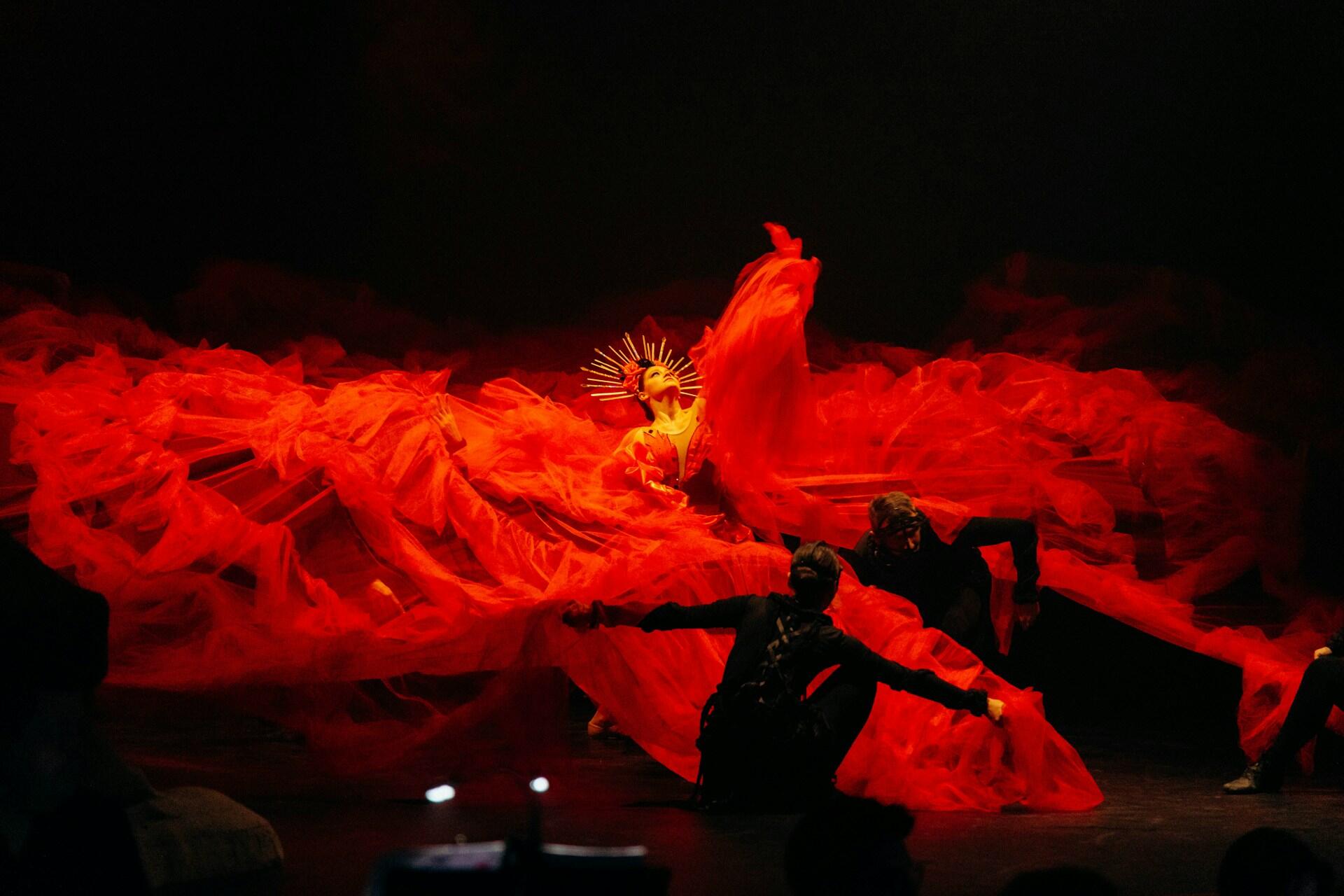

Spanish music is a product of Spain's diverse history and cultures.¹ It's one of the most influential cultures in the world. From the traditional folk styles and classical composition to modern pop, rock, and Latin-influenced sounds, Spanish music continues to evolve while still remaining distinctly Spanish and embedded in its local identity. Centuries of cultural exchange and regional expression have made Spanish music a vehicle for Spanish traditions worldwide. Let's dive into it.
| Category | Genre or Example | Region or Era | Why It Matters |
|---|---|---|---|
| Traditional | Flamenco | Andalusia | Spain’s most iconic genre and a UNESCO-recognised cultural heritage |
| Traditional | Jota | Aragón | Energetic folk music closely tied to regional dance and identity |
| Traditional | Sardana | Catalonia | Symbol of community and unity through coordinated circle dance |
| Classical | Albéniz / de Falla | 19th–20th centuries | Integrated Spanish folk rhythms into European classical music |
| Modern Pop | Enrique Iglesias | Late 20th–21st centuries | Helped globalise Spanish-language pop music |
| Urban / Latin | Reggaeton and Latin pop | 21st century | Dominates global charts and streaming platforms |
| Experimental | Electronic fusion | Contemporary era | Demonstrates Spain’s openness to innovation and genre blending |





Historical Evolution of Spanish Music
Spanish music, as we're using it here, refers to the musical traditions, styles, and genres that originate from the land that's currently the Kingdom of Spain (to use its official name). Spanish music is a blend of local traditions and global sounds, which is how it gains worldwide recognition through charts, festivals, and streaming platforms.
The history of Spanish music covers thousands of years and reflects the country's complex cultural development.² Musical styles in Spain were the product of migration, conquest, religion, and regional traditions. Spanish music comes with distinctive sounds, instruments, and musical practices, and it's great if you're learning Spanish.
Spanish music refers to the diverse musical traditions that originated in Spain and evolved over centuries through cultural exchange. It combines regional folk styles, classical composition, and modern popular genres influenced by Roman, Moorish, European, and Latin American traditions. Today, Spanish music includes flamenco, folk dances, classical works, pop, rock, and global Latin-infused styles, making it one of the most influential musical cultures in the world.
Ancient and Medieval Periods
Music in ancient Spain was influenced by Roman culture.² This introduced early musical theory, instruments, and performance traditions to the Iberian Peninsula. By the medieval era, the arrival of Moorish culture came with new melodic systems, rhythms, and instruments.² These would profoundly shape Spanish musical life, particularly in southern Spain, laying the foundations for the sounds that would evolve throughout the centuries.
Renaissance and Baroque Eras
During the Renaissance and Baroque eras, Spanish music evolved with the tastes of the royal courts and the Catholic Church.² There was a strong emphasis on sacred and ceremonial works. Composers created vocal and instrumental music that followed European trends while still incorporating Spain's local tradition. This era formalised music notation and performance styles.
18th to 19th Centuries
The 18th and 19th centuries were a huge turning point for Spanish music. Regional folk traditions started to coalesce into a national identity. Flamenco, jota, and other traditional dances and music became more prominent, reflecting local customs, language, and social life.³ Music was an essential way for Spanish people to express cultural traditions, which is still seen today.
20th Century to Present
Spanish music underwent rapid change in the 20th century.¹² This was partly due to changes in recording technology, the emergence of the radio, and later, television, which also came with Spanish series. Popular genres like pop, rock, and Latin-influenced styles emerged, and Spanish artists started connecting with audiences within Spain and internationally. In recent years, streaming platforms and global media have helped Spanish songs and musicians achieve worldwide success.
c. 200 BCE–400 CE
Roman Foundations
Roman rule introduced musical theory, instruments, and performance practices that shaped early musical life in the Iberian Peninsula.
711–1492
Moorish Influence
Islamic culture brought complex rhythms, melodic systems, and instruments that strongly influenced southern Spanish music traditions.
13th–15th centuries
Medieval Sacred and Court Music
Religious music and royal court traditions developed alongside regional folk styles, laying the groundwork for later Spanish musical forms.
18th–19th centuries
Rise of Folk Traditions
Regional music and dance styles such as flamenco, jota, and other folk traditions became central expressions of cultural identity.
Early 20th century
National Classical Identity
Spanish composers incorporated folk melodies and rhythms into classical music, strengthening a national musical voice.
Late 20th century
Popular Music Expansion
Radio, recordings, and television helped Spanish pop and rock music reach national and international audiences.
21st century
Global Spanish-Language Success
Spanish songs achieved worldwide popularity through streaming platforms, collaborations, and global music charts.
Traditional Spanish Music Genres
Traditional Spanish music is connected to regional identity, Spanish history, and dance. Each area of Spain developed its own musical styles. These genres often combine music, movement, and community participation. They're central to local celebrations and cultural traditions.
Flamenco
Flamenco is arguably Spain's most famous musical genre.⁵ It's closely associated with the Andalusia region in southern Spain. It's a combination of music, dance, and emotional expression through guitar playing, vocals, and movement. Over time, flamenco influenced other genres as much as it was influenced by them.
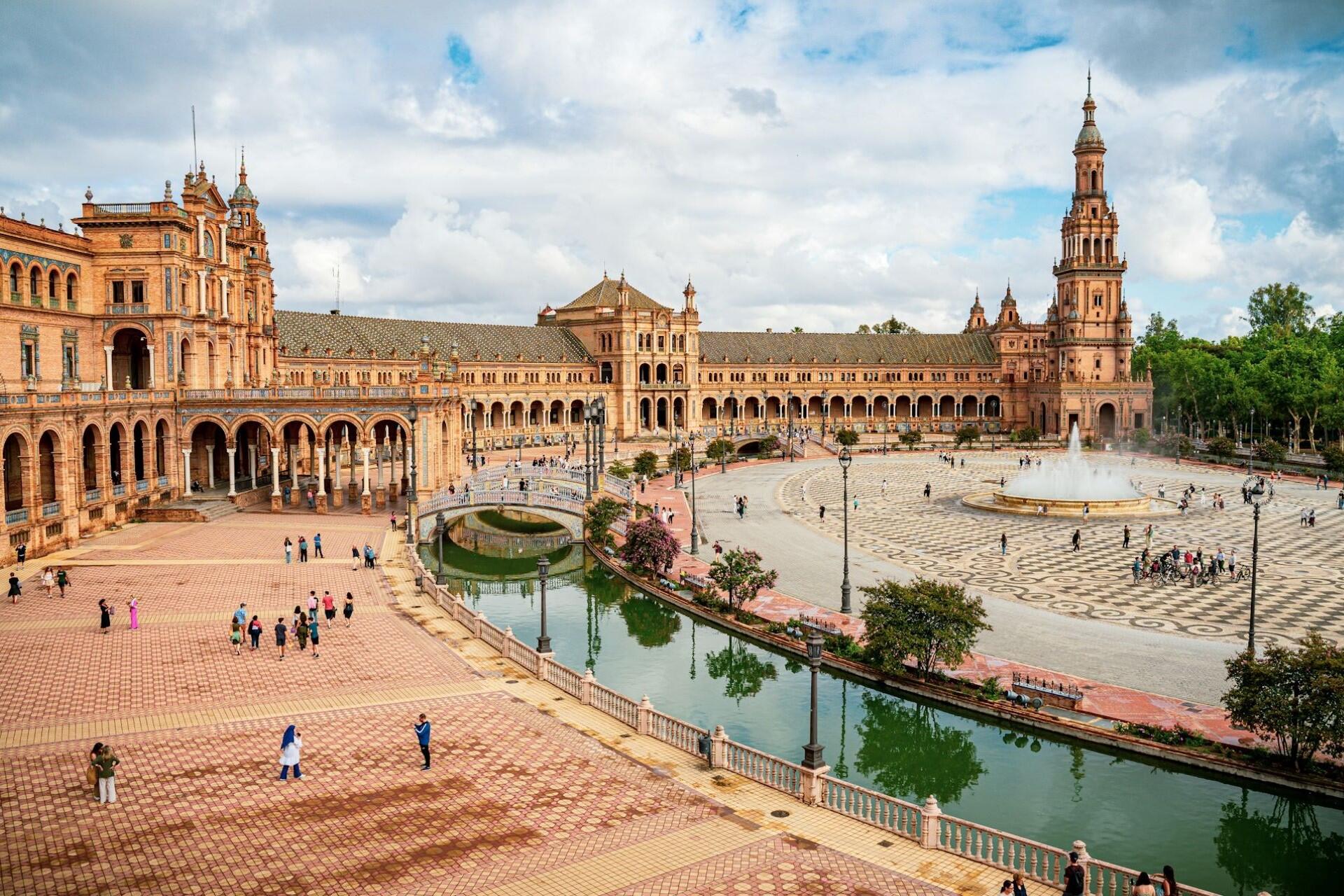
Flamenco is one of the most recognisable forms of traditional Spanish music. Originating in Andalusia, it blends singing (cante), guitar playing (toque), dance (baile), and rhythmic handclapping (palmas). Flamenco developed through the interaction of Roma, Moorish, Jewish, and Andalusian cultures and is internationally recognised as a key symbol of Spanish cultural identity.⁶
Jota
Jota is a lively traditional music and dance style from the Aragón region of Spain.¹⁰ Now, it's also found in many other parts of the country. It's usually performed with energetic footwork, paired dancing, and instrumental accompaniment including guitars, castanets, and regional instruments.
Sardana
Sardana is a traditional music and dance style from Catalonia.¹⁸ The sardana is performed in a circle, representing unity and community. Dancers move in coordinated steps to music played by a cobla ensemble.
Other Regional Folk Music
Spain is home to many regional folk music traditions.²¹ These reflect the country's diverse geography and cultures. From Galicia and Asturias to Murcia, the whole of Spain is a breeding ground for music.
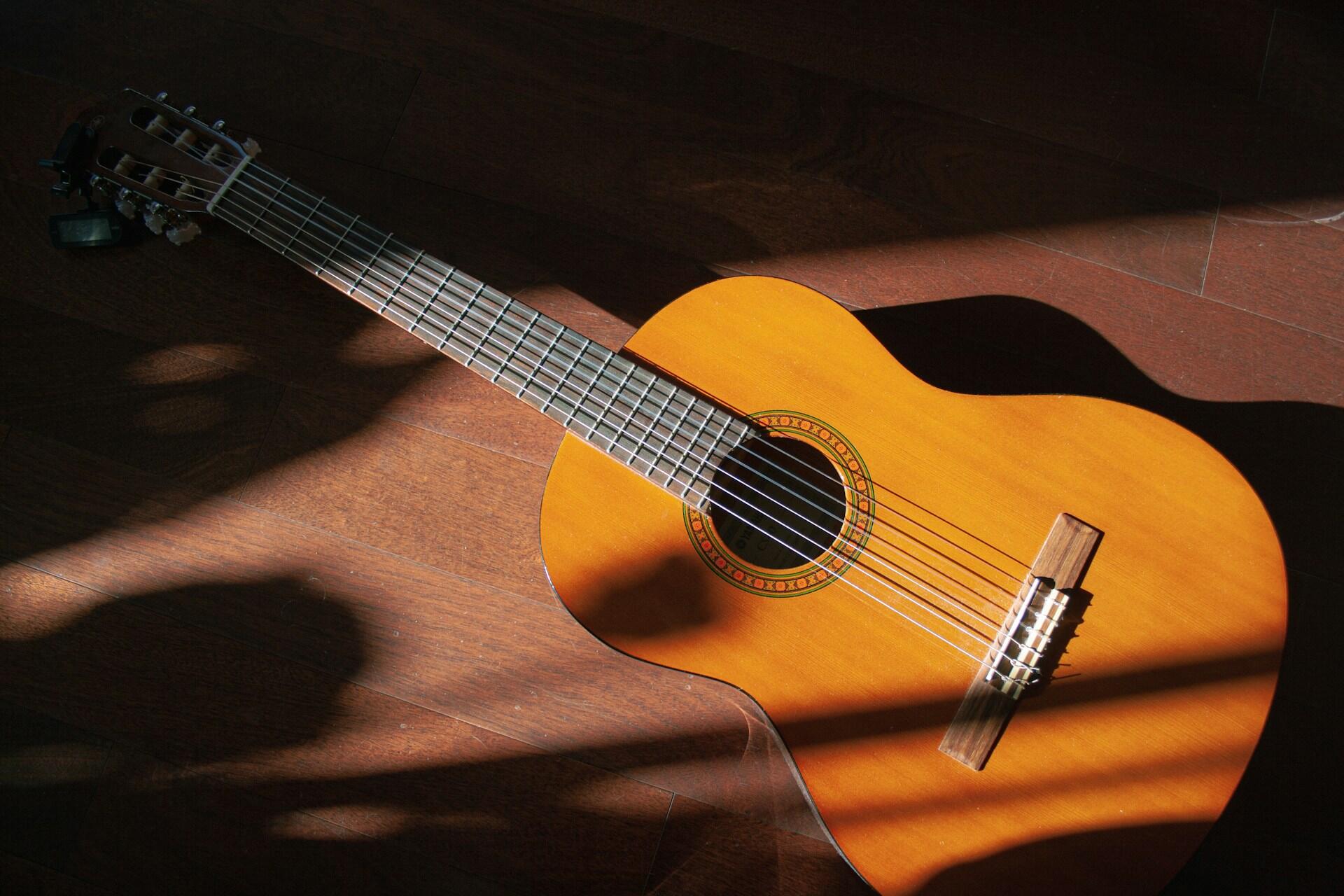
Spanish folk music varies widely by region, reflecting local history, language, and traditions. From the bagpipe-driven gaita music of Galicia and Asturias to the communal sardana dances of Catalonia and the energetic jotaof Aragón, regional styles remain central to Spain’s musical identity. These traditions continue to influence both contemporary Spanish artists and popular Spanish songs today.
Modern Spanish Music Genres
Modern Spanish music shows how Spain's musical traditions blend with global music trends.¹² Styles appeal to both local and international audiences. From pop and rock to Latin and urban sounds, Spanish music is as diverse as any other country's music and when you study Spanish in the UK, you should use music to help you.
Modern Spanish music draws heavily on traditional rhythms while embracing global genres such as pop, rock, electronic music, and reggaeton. Artists singing in Spanish have achieved worldwide success, helping Spanish-language songs reach international charts and streaming platforms. This fusion of heritage and innovation has made Spanish music globally recognisable across generations.
Pop and Rock
Spanish pop and rock music was influenced by international trends. As artists began writing songs in Spanish with catchy melodies, the genres gained popularity across Spain and around the world. Today, Spanish pop and rock are important genres, which is why Spain's regularly present on international charts and at festivals.
Latin and Urban Influences
Latin and urban music have had a significant impact on modern Spanish music.¹⁶ Genres such as reggaeton, Latin pop, and urban fusion are clear examples of this cultural dialogue. These musical genres tend to combine rhythmic beats, dance-oriented sounds, and Spanish-language lyrics, and the Spanish-speaking world is a hotbed for them.
Electronic and Experimental Music
Electronic and experimental music is also part of Spain's modern music scene.²⁰ It's particularly popular in major cities like Madrid and Barcelona. Spanish artists and producers blend electronic sounds and often traditional Spanish rhythms and vocals. It's a fine example of Spain's openness to musical experimentation, which we've seen for centuries.

| Song | Artist | Year | Genre | Why It’s Famous |
|---|---|---|---|---|
| Despacito | Luis Fonsi ft. Daddy Yankee | 2017 | Reggaeton / Latin pop | One of the most streamed songs in music history and a global chart-topping hit |
| La Bamba | Ritchie Valens | 1958 | Folk rock / Traditional | Introduced Spanish-language music to global pop charts |
| Macarena | Los del Río | 1993 | Dance / Pop | Became a worldwide dance phenomenon in the 1990s |
| Bailando | Enrique Iglesias ft. Descemer Bueno and Gente de Zona | 2014 | Latin pop | Achieved major chart success across Europe and Latin America |
| Bamboleo | Gipsy Kings | 1987 | Flamenco pop | Popularised flamenco-influenced pop music worldwide |
| Feliz Navidad | José Feliciano | 1970 | Holiday / Pop | One of the most widely known Spanish-language songs worldwide |
| Gasolina | Daddy Yankee | 2004 | Reggaeton | Helped bring reggaeton into the global mainstream |
| La Camisa Negra | Juanes | 2005 | Latin pop / Rock | Became a major international hit across Europe and Latin America |
Influential Spanish Musicians and Composers
So who are the big names in Spanish music? You may already know some of them. Here, we've split them into classical and contemporary musicians and named only a few. If you start exploring, you're bound to find some artists that you like.
Classical Composers
Spain's classical composers helped shape the country's musical identity.⁹ Their work helped Spanish music find its way into concert halls across Europe. Many composers drew inspiration from traditional dances and local musical styles.
Contemporary Artists
Spain's musical prowess has continued into the modern age. These artists have made Spanish music famous worldwide.²³ It's become increasingly common for them to continue to make hits in the Spanish language, too!
Spanish Music in a Global Context
Spanish music has influenced musical styles and artists across Europe, Latin America, and the wider world.²¹ Migration, cultural exchange, and international media, as well as famous Spaniards, have all facilitated its export. Today, Spanish music is hugely popular.
Spanish music has shaped global musical trends through migration, cultural exchange, and mass media. Its influence can be heard across Latin America, Europe, and international pop charts. From classical compositions to Spanish songs everyone knows today, Spain’s musical traditions continue to inspire artists, audiences, and new styles around the world.
Influence on Latin American Music
Latin American and Spanish music often share the Spanish language.¹⁷ One influences the other, with Latin American artists taking inspiration from Spanish artists and vice versa. Add collaborations between Spanish and Latin American artists, and in some cases, the two sources become inseparable.
Spanish Music’s Presence in World Music
Spanish music has a long presence in world music. With touring, global festivals, and chart success, Spanish music rarely stays within its borders. You'll hear Spanish-language songs regularly on global streaming platforms now, too.
Experiencing Spanish Music Today
It's never been easier to enjoy Spanish music. You can listen to it online with streaming platforms, but if you want to see it live, you can do so at performances and festivals. Everything from traditional folk music to modern pop, rock, and electronic sounds is available.
Festivals and Live Performances
Live performances are the best way to experience Spanish music culture. There are festivals across Spain for every genre of music, and they're often very affordable.¹⁵ Enjoy the diversity of Spanish music while also enjoying the beautiful country of Spain! If you're taking Spanish lessons, your tutor may even have suggestions.
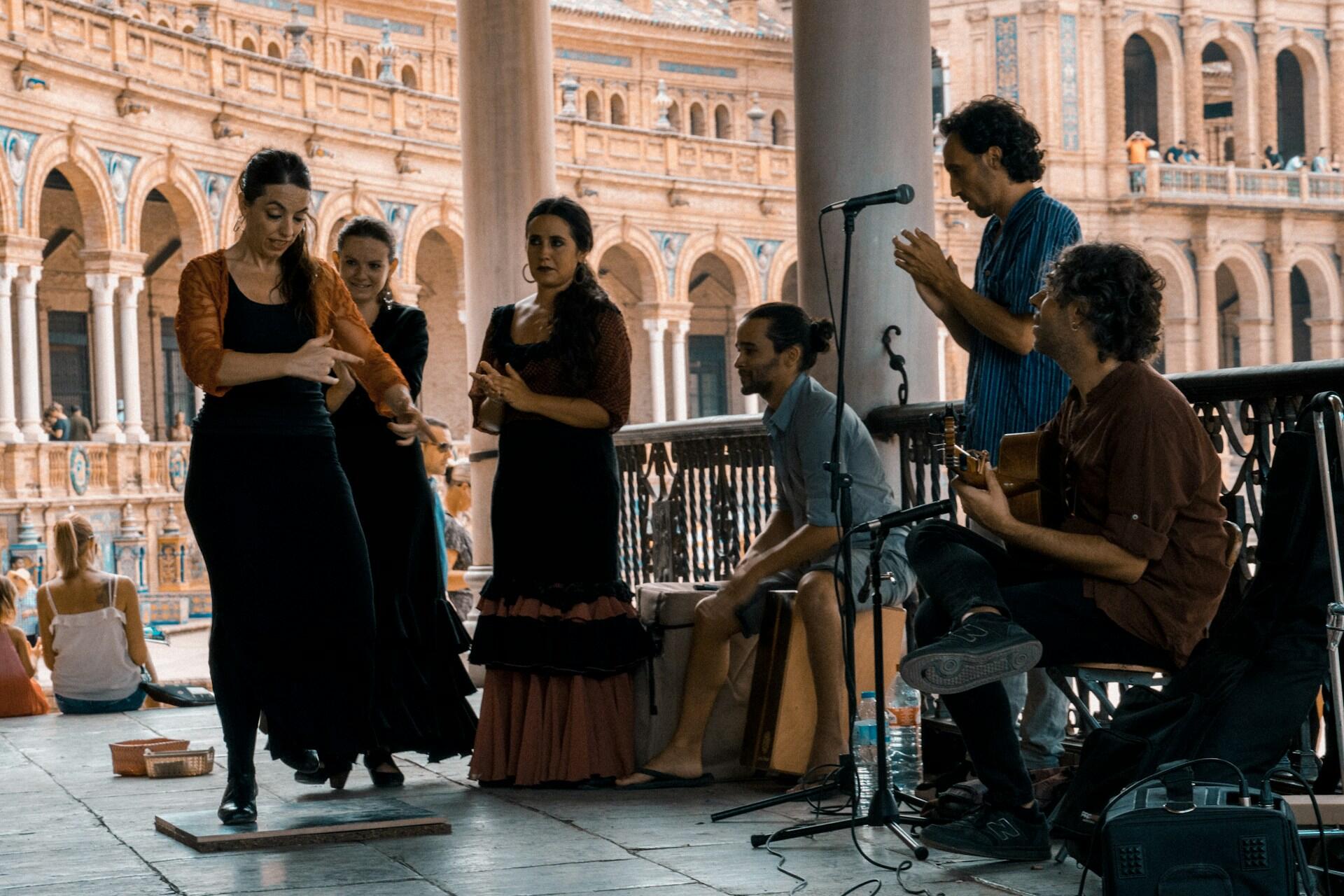
Online Platforms and Resources
Can't make it to Spain? You can still listen to Spanish music. Head over to streaming platforms like Spotify or YouTube, and you can hear almost every style of Spanish music.
References
- “Bailando.” Official Charts Company. https://www.officialcharts.com/chart-news/despacito-enters-the-history-books-as-it-returns-to-the-top-of-the-official-singles-chart__19800/ Accessed 26 Jan. 2026.
- The Cambridge History of Music in Spain. Edited by Walter Aaron Clark and Álvaro Torrente, Cambridge University Press, 2022. https://resolve.cambridge.org/core/books/cambridge-history-of-music-in-spain/6085AB3EA6D45B432728166FA899D76F Accessed 26 Jan. 2026.
- Chase, Gilbert. The Music of Spain. Dover Publications, 1959. https://archive.org/details/musicofspain02edchas Accessed 26 Jan. 2026.
- “Decision of the Intergovernmental Committee: 5.COM 6.39.” UNESCO Intangible Cultural Heritage. https://ich.unesco.org/en/decisions/5.COM/6.39 Accessed 26 Jan. 2026.
- “Flamenco.” Encyclopaedia Britannica. https://www.britannica.com/art/flamenco Accessed 26 Jan. 2026.
- “Flamenco.” UNESCO Intangible Cultural Heritage, Representative List (2010). https://ich.unesco.org/en/RL/flamenco-00363 Accessed 26 Jan. 2026.
- “Flamenco Mixes and Remixes (A Sequence of Reactions).” Instituto Cervantes, New York. https://cultura.cervantes.es/nuevayork/en-US/flamenco-mezclas-y-remezclas--una-secuencia-de-reacciones-/150443 Accessed 26 Jan. 2026.
- Flamenco, Flamenco. Biblioteca Nacional de España. https://www.bne.es/es/colecciones/videograbaciones/flamenco-flamenco Accessed 26 Jan. 2026.
- “Isaac Albéniz.” Encyclopaedia Britannica. https://www.britannica.com/biography/Isaac-Albeniz Accessed 26 Jan. 2026.
- “Jota.” Encyclopaedia Britannica. https://www.britannica.com/art/jota Accessed 26 Jan. 2026.
- “Jota.” Oxford Reference, Oxford University Press. https://www.oxfordreference.com/view/10.1093/acref/9780199579037.001.0001/acref-9780199579037-e-7800 Accessed 26 Jan. 2026.
- Marco, Tomás. Spanish Music in the Twentieth Century. Harvard University Press, 1993. https://archive.org/details/spanishmusicintw0000marc Accessed 26 Jan. 2026.
- Mitchell, Timothy. Flamenco Deep Song. Yale University Press, 1994. https://archive.org/details/flamencodeepsong0000mitc Accessed 26 Jan. 2026.
- “Patrimonio Flamenco: La historia de la cultura jonda en la BNE.” Ministerio de Cultura y Deporte, Gobierno de España. https://libreria.cultura.gob.es/libro/patrimonio-flamenco-la-historia-de-la-cultura-jonda-en-la-bne_11818/ Accessed 26 Jan. 2026.
- “Primavera Sound: About.” Primavera Sound. https://www.primaverasound.com/en/home/about Accessed 26 Jan. 2026.
- “Reggaeton.” Encyclopaedia Britannica. https://www.britannica.com/art/reggaeton Accessed 26 Jan. 2026.
- Reggaeton. Edited by Raquel Z. Rivera, Wayne Marshall, and Deborah Pacini Hernandez, Duke University Press, 2009. https://read.dukeupress.edu/books/book/1405/Reggaeton Accessed 26 Jan. 2026.
- “Sardana.” Encyclopaedia Britannica. https://www.britannica.com/art/sardana Accessed 26 Jan. 2026.
- “Sardana.” Cultural Heritage, Government of Catalonia. https://patrimoni.gencat.cat/en/collection/sardana Accessed 26 Jan. 2026.
- “Sónar Barcelona: What Is Sónar.” Sónar Festival. https://www.sonar.es/about/what-is-sonar Accessed 26 Jan. 2026.
- “Spain.” Grove Music Online, Oxford University Press. https://www.oxfordmusiconline.com/grovemusic/view/10.1093/gmo/9781561592630.001.0001/omo-9781561592630-e-0000040115 Accessed 26 Jan. 2026.
- Steingress, Gerhard. “Andalusian Flamenco and Greek-Oriental Rebetiko: Mirages in the Construction of National Identities.” TRANS: Revista Transcultural de Música, 2023. https://www.sibetrans.com/trans/public/docs/steingress-flamenco-andaluz-y-rebetico-greco-oriental.pdf Accessed 26 Jan. 2026.
- Terrasa Rico, M. “Framing and Production of Stardom in the Digital Age: Case Study, Rosalía’s El Mal Querer in the Spanish Written Press (2018–2020).” Doxa Comunicación, no. 32, 2021, pp. 381–404. https://revistascientificas.uspceu.com/doxacomunicacion/article/download/815/1865 Accessed 26 Jan. 2026.
- “UK Number 1 Single: Despacito Remix.” Official Charts Company, 12 May 2017. https://www.officialcharts.com/chart-news/luis-fonsi-daddy-yankees-despacito-remix-with-justin-bieber-is-this-weeks-uk-number-1-single__19037/ Accessed 26 Jan. 2026.
- Washabaugh, William. Flamenco: Passion, Politics and Popular Culture. Berg, 1996. https://dokumen.pub/flamenco-passion-politics-and-popular-culture-9781474214797.html Accessed 26 Jan. 2026.
- Xunta de Galicia. “Decreto 131/2025, de 22 de decembro.” Diario Oficial de Galicia, 12 Jan. 2026. https://www.xunta.gal/dog/Publicados/2026/20260112/AnuncioG0766-301225-0001_pt.html Accessed 26 Jan. 2026.
Summarise with AI:
Did you like this article? Leave a rating!


 Loading...
