
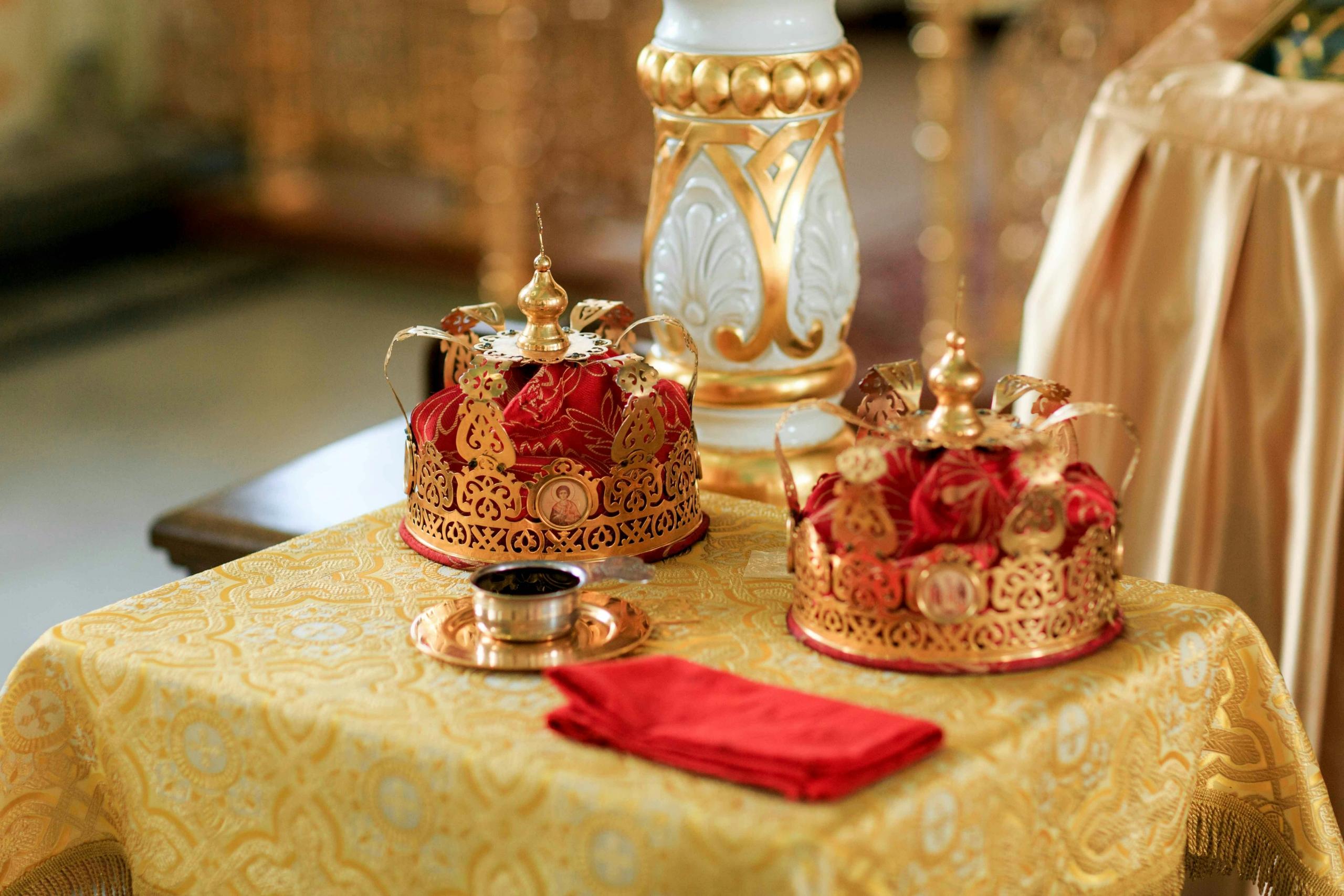

The British monarchy is one of the world's longest-standing institutions. It has shaped the history of the British Isles and global politics, culture, and identity. Here, we've selected some of the most influential monarchs often counted among the most famous English monarchs in terms of military power, political impact, cultural influence, or symbolic leadership. All influential in their own ways, they also demonstrate how the British monarchy evolved from a warrior-based system to a figure of stability for the UK.
| Monarch | Reign | Legacy Highlight |
|---|---|---|
| Alfred the Great | 871–899 | Defended England against Vikings; promoted education. |
| William the Conqueror | 1066–1087 | Established Norman rule; Domesday Book & feudal system. |
| Henry II | 1154–1189 | Legal reforms; centralised royal authority. |
| Edward I | 1272–1307 | Expanded English power; Parliament reforms. |
| Henry VIII | 1509–1547 | Broke with Rome; founded the Church of England. |
| Elizabeth I | 1558–1603 | Defeated Spanish Armada; Elizabethan cultural renaissance. |
| Charles I | 1625–1649 | Clashed with Parliament; executed, sparking Civil War. |
| Oliver Cromwell | 1653–1658 | Ruled as Lord Protector; shaped constitutional debate. |
| Victoria | 1837–1901 | Oversaw empire’s peak; symbol of Victorian values. |
| Elizabeth II | 1952–2022 | Longest reign; symbol of stability and modernisation. |
| Charles III | 2022–present | Advocates for environment; modernises monarchy in a new era. |



Important Kings and Queens of England Timeline
871-899
Alfred the Great
Alfred’s defence against the Vikings and promotion of learning made him the first monarch to be remembered as “King of the English.” His reforms in law, military organisation, and education influenced later rulers and helped forge a stronger sense of English nationhood. He remains a symbol of resilience and cultural renewal.
1066-1087
William the Conqueror
William’s conquest transformed England’s ruling class, legal systems, and culture. The Norman legacy reshaped language, landholding, and governance, marking the beginning of a centralised monarchy. His reign is often seen as the birth of a new England.
1154-1189
Henry II
Henry’s legal reforms established enduring institutions, including jury trials and common law. These changes became the foundation of English justice and had a profound influence on legal systems worldwide. His reign marked a turning point toward a more centralised and accountable monarchy.
1272-1307
Edward I
Edward’s expansionist policies and legal reforms permanently tied Wales to England, strengthening the role of Parliament. Although his campaigns in Scotland ultimately failed, they shaped centuries of Anglo-Scottish rivalry. His legacy lies in building both physical castles and political structures that outlived him.
1509-1547
Henry VIII
Henry’s break with Rome redefined England’s religious and political life. By establishing the Church of England, he ensured that monarchs would hold both spiritual and temporal authority. His reign marked the beginning of a distinctly English Protestant identity.
1558-1603
Elizabeth I
Elizabeth left a legacy of stability, cultural flourishing, and national pride. Her skilful navigation of religious divisions and foreign threats created a sense of unity and confidence. The Elizabethan Age is remembered as one of England’s golden eras.
1625-1649
Charles I
Charles’s downfall demonstrated that monarchs could not rule without the consent of Parliament. His trial and execution shocked Europe and reshaped ideas of sovereignty. The constitutional crisis of his reign paved the way for a monarchy limited by law.
1653-1658
Oliver Cromwell
Although his rule ended with the restoration of the monarchy, Cromwell left a lasting mark on constitutional thought. His experiment in republican governance challenged centuries of royal tradition. He remains one of the most controversial figures in British history.
1837-1901
Victoria
Victoria’s reign defined an era of empire, industry, and social reform. She helped transform the monarchy into a more ceremonial institution while still embodying moral authority. Her influence extended across Europe and beyond, encompassing family life, etiquette, and empire-building.
1952-2022
Elizabeth II
Elizabeth became a global symbol of stability, duty, and continuity. Her reign oversaw decolonisation, social liberalisation, and technological change, yet she maintained the monarchy’s relevance. She set a modern benchmark for how constitutional monarchs could blend tradition with adaptability.
2022–present
Charles III
Charles’s long-standing advocacy for the environment and social issues signals a more activist style of monarchy. His reign is still in its early stages, but he faces the challenge of proving the monarchy’s place in modern Britain. His legacy may be defined by whether he successfully bridges tradition with the demands of a 21st-century society.
Nation Builders and Defenders
These monarchs are those who were selected due to their ability to defend and consolidate their kingdoms. These monarchs faced invasions, rebellions, and the challenge of uniting people under the crown. These are the monarchs whose reigns laid the foundations for the nation's political and territorial identity.
Alfred the Great (871-899)
Alfred ruled during a time when Viking invasions threatened the survival of Anglo-Saxon England. As king of Wessex, he became the leading defender of the realm. His reign marked the beginnings of a more unified English identity.
Key Achievements
Alfred’s title, “the Great,” reflects how both contemporaries and later generations viewed his defence of England during one of its darkest periods. He gained this title due to his strong display of leadership in guiding the Anglo-Saxon realm against Viking incursions. A crucial period that significantly influenced England's trajectory.
If you ask any historian or any friends who happen to be history buffs, they will likely point you to one event in particular that captured why he was, in fact, worthy of his name and title, the Battle of Edington.
This was an example of his brilliance, as he managed to secure the Danelaw treaty with the Vikings while also introducing significant changes in defence strategies, economic management, and educational advancements.
All things you’d want from a ruler, leading to his official documentation as the 'King of the English,' a title that placed him among the earliest recognised kings of England. There have been some pivotal individuals in British history who have played key roles in shaping the nation's narrative of evolution.
William the Conqueror (1066-1087)
Born Duke of Normandy, William claimed the English crown after Edward the Confessor’s death. His victory at Hastings ended Anglo-Saxon rule and ushered in a Norman dynasty. His reign brought continental European practices into English governance.
Key Achievements
William the Conqueror reshaped England’s destiny, leaving behind a monarchy, legal system, and aristocracy that bore the stamp of Normandy. As Duke of Normandy turned king, he is best remembered for his success on the battlefield, most notably at the Battle of Hastings in 1066.
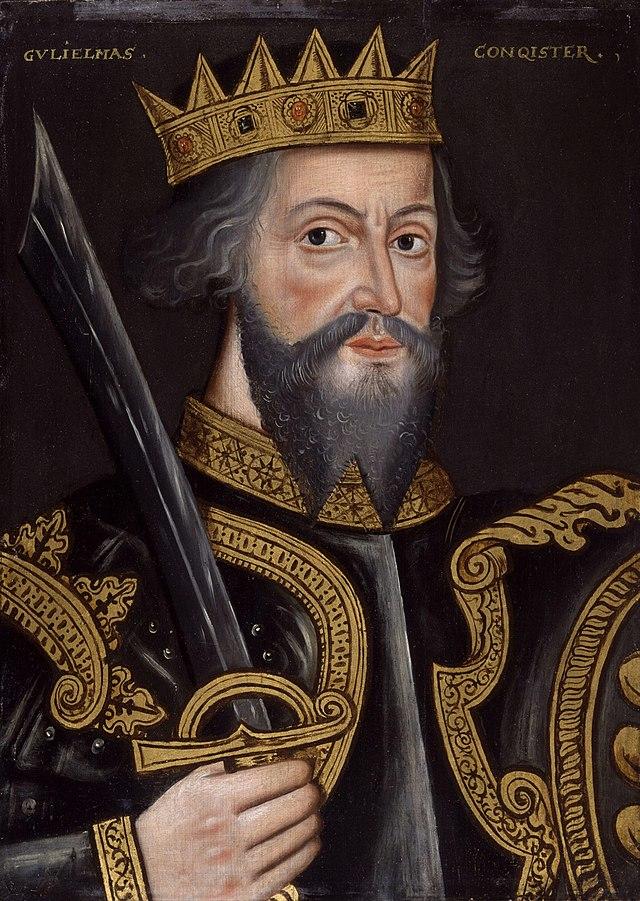
You likely covered this monarch in your school history books, as he was a man of action who introduced numerous changes during his time as king, including the feudal system and extensive castle building.
His influence long outlasted his reign with the reforms he made to the Church and the legal system.
This aptitude for change was met with its fair share of rebellions, though his rule transformed England's political and social landscape forever, bringing an end to the Anglo-Saxon era. Many historians will argue that his time as king marked the birth of a new England, blending Norman and Anglo-Saxon elements into a unique national character.
Edward I (1272-1307)
Known as “Longshanks” for his tall stature, Edward was both feared and respected. His reign focused on expanding England’s control over Wales and Scotland. He also emphasised lawmaking and frequent parliamentary summons, shaping English governance.
Key Achievements
Edward I, known as “Longshanks,” reigned for 35 years and left a deep imprint on England’s political structures and territorial ambitions.
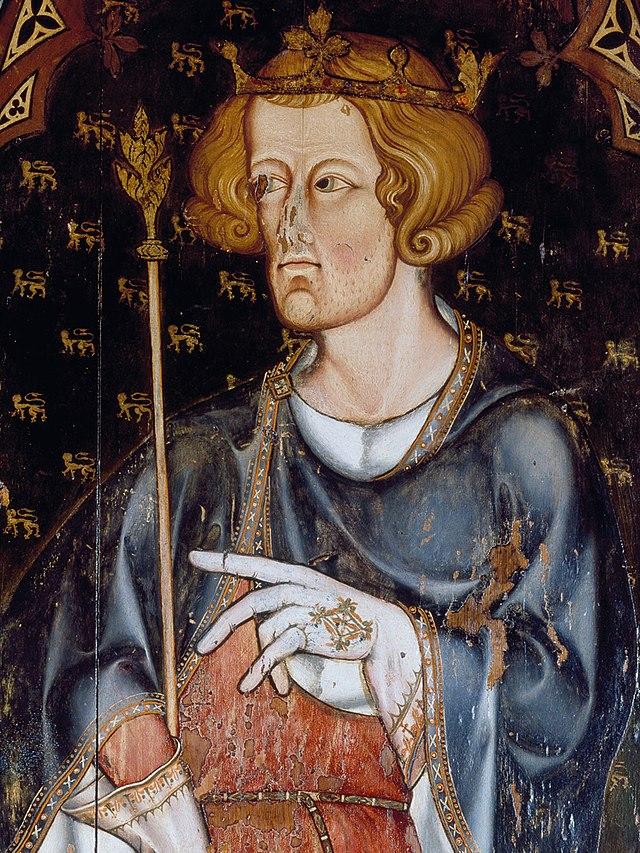
What he managed to accomplish throughout his time in power is nothing short of incredible, which is why he seemingly spent a large chunk of his time in Parliament, having summoned it 46 times!
He was the king who successfully extended England’s power throughout the British Isles, having successfully subdued Wales and built a series of castles to maintain authority over the region.
As you may already know from the movie ‘Braveheart’, his efforts were met with fierce opposition from notable figures such as William Wallace and Robert the Bruce, who led resistance movements against English rule. He will forever be remembered as a two-sided coin, advancing governance through administrative reforms for efficiency, while also facing the financial strains brought on by his military pursuits.
Reformers and Constitutional Shapers
These monarchs left their mark by reshaping the country itself. Whether it was strengthening royal law or testing the limits of Parliament, these leaders changed Britain's political system. Many aspects of their legacies are reflected in the balance of power in the United Kingdom today.
Henry II (1154-1189)
Founder of the Angevin Empire, Henry inherited a realm stretching across England and much of France. His reign was turbulent, marked by disputes with the Church and his own sons. Yet, he is remembered for building a stronger central monarchy.
Key Achievements
Henry II, who ruled from 1154 to 1189, redefined English law and governance in ways that outlasted his sprawling empire. His kingdom stretched from Scotland to the Pyrenees, making him one of the most powerful rulers of medieval Europe.
Henry's land law reforms strengthened royal authority while curbing noble power, allowing tenants to appeal directly to the king. His centralisation efforts, including the appointment of royal sheriffs, enhanced the efficiency of governance and tax collection.
Henry's extensive legal reforms earned him the title 'the English Justinian'. His reign marked a pivotal shift towards a more centralised state, setting the stage for the evolution of the English monarchy and law for centuries to come. Throughout periods of historical conflict, often the difference was made in a single event, like in the wars that altered British history.
Charles I (1625-1649)
Ascending the throne in a period of religious and political unrest, Charles believed firmly in divine kingship. His refusal to compromise with Parliament fuelled civil war. His eventual trial and execution shocked Europe and altered the monarchy forever.
Key Achievements
Charles I's rule was marked by escalating tensions between the Crown and Parliament that ultimately led to civil war. To begin with, his belief in the divine right of kings immediately set the tone for a rough relationship with parliament from the outset.
Charles's move to introduce an Anglican service in Scotland in 1637 only served to fuel existing unrest throughout the realm.
In 1649, Charles I was tried and executed. A dramatic conclusion that ended centuries of unchallenged monarchy. His downfall underscored the constraints of monarchy in England and marked a temporary cessation of royal authority, paving the path for further constitutional advancements. The battle that he led between the power of the monarchy and the influence of Parliament throughout his reign had an undeniable impact on the country's destiny.
Oliver Cromwell (1653–1658)
You have sat too long here for any good you have been doing. Depart, I say; and let us have done with you. In the name of God, go!
Oliver Cromwell, from his speech dissolving Parliament (1653)
Rising from the gentry, Cromwell made his name as a military commander during the English Civil War. He became the first commoner to rule Britain, taking power as Lord Protector. His strict Puritan regime divided opinion but reshaped constitutional thought.
Key Achievements
Cromwell, the son of a modest gentry family, rose to become the first commoner to rule Britain, breaking with centuries of hereditary monarchy. Cromwell's military career began during the Civil War, where he quickly rose through the ranks and demonstrated exceptional leadership skills, particularly in cavalry command.
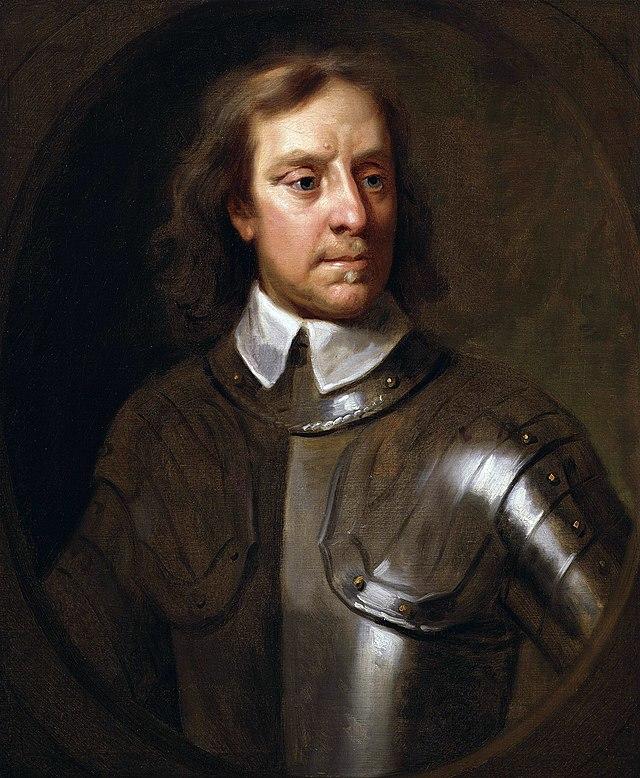
His leadership was surrounded by debate due to his actions in Ireland.
Although Cromwell’s rule was short-lived and did not extend beyond his era, it had a lasting influence on British political philosophy that persists to this day.
Though not a monarch by blood, Cromwell’s role as Lord Protector placed him in the same position of authority, and his influence on constitutional ideas makes him inseparable from Britain’s story of kings and queens.
The gradual nature of technological progress often obscures its impact, yet particular Inventions from Britain fundamentally altered the course of global development.
Cromwell refused the crown in 1657 when offered, insisting he would not restore monarchy under his name.
Religious Breakers and Cultural Icons
The Tudor era brought about significant changes, particularly in terms of religion and culture. These monarchs were renowned for utilising their authority and determination to transform the nation's faith and national identity. Their reigns still have an impact on the cultural fabric of Britain today.
Henry VIII (1509–1547)
Henry’s reign came at the height of Tudor power, characterised by dynastic ambition and religious upheaval. His desperate pursuit of a male heir drove his break with the Catholic Church. His larger-than-life personality still dominates Tudor history.
Key Achievements
Henry VIII remains one of Britain’s most recognisable rulers, often described as the most famous British king, as notable for his six marriages as for his dramatic break with Rome. This series of marriages came from his desire for a male heir, as any king would. However, this would lead to a break with the Roman Catholic Church. After one of his wives couldn’t give him the son that he had so desperately wanted, he sought an annulment of his marriage.
Naturally, this was met with the displeasure of the pope, and King Henry took matters into his own hands. His intricate contributions to reform, coupled with the internal conflicts that made the king so memorable, established him as a figure in the nation’s historical narrative. Like stepping stones across the river of time, significant events in British history bridge the gap between the past and the present, guiding our understanding of the contemporary landscape.
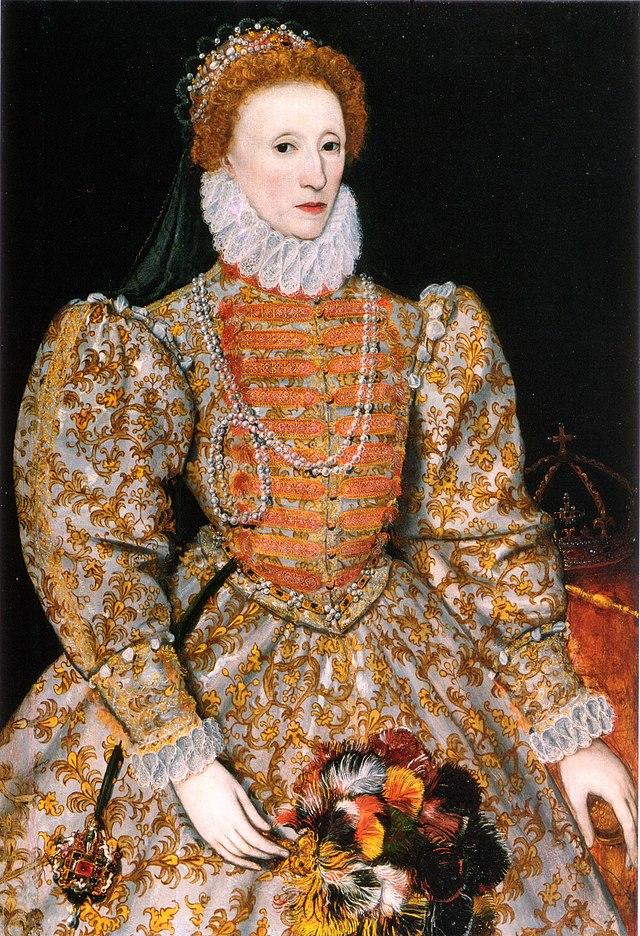
Elizabeth I (1558–1603)
I know I have the body of a weak and feeble woman; but I have the heart and stomach of a king, and of a king of England too.
Elizabeth I, Tilbury Speech (1588, facing the Armada)
Elizabeth inherited a divided realm weakened by religious conflict. Through careful diplomacy and strong leadership, she restored stability and created a sense of national pride. Her reign is remembered as a golden age of culture and expansion.
Key Achievements
Few monarchs achieved as much in uniting a divided country and elevating England’s status on the world stage.
From the start of her reign in 1558, Elizabeth I transformed a divided kingdom into a confident European power.
Her changes were so positively perceived that her time on the throne was named ‘the Elizabethan Age’ for the clever political strategies and cultural growth she brought about during her reign.
Her approach to leadership combined authority and charm, and her strategic choices in matters of religion, culture, and diplomacy etched her name as one of England’s impactful rulers.
Empire and Global Leaders
The more recent British monarchs were sovereigns of either the vast British Empire or the Commonwealth. Their reigns have spanned eras of significant societal change, enabling the monarchy to adapt and survive in today's world.
Victoria (1837–1901)
Victoria came to the throne as a teenager and reigned for more than six decades. She ruled during an era of industrialisation, empire-building, and social change. Her partnership with Prince Albert also influenced Britain’s cultural and moral life.
Key Achievements
Victoria’s 64-year reign, beginning when she was just 18, made her a defining figure of the 19th century. It’s no wonder she managed to remain in her position of power for so long, as throughout her rule, she saw the British rise to prominence as a leading power with an empire that covered territories across the globe.
As if one title wasn’t enough after her husband, Prince Albert, passed away, she continued to have a strong impact on society and was soon crowned Empress of India in 1876.
In today’s day and age, we take many of our rights for granted. One of the significant political changes brought about by Queen Victoria was the granting of the right to vote. It’s tough to confine her influence to Britain, given the extent of her impact on worldwide politics and culture!
After her death in 1901, black mourning attire worn by widows became more formalised across Europe because she had famously dressed in black after Prince Albert’s death.
Elizabeth II (1952–2022)
I declare before you all that my whole life, whether it be long or short, shall be devoted to your service.
Elizabeth II, 21st birthday broadcast (1947, Cape Town)
Elizabeth became queen at just 25, in the aftermath of World War II and amid a rapidly changing empire. Her reign saw Britain transition into a modern democracy and multicultural society. She became a constant figure during decades of global transformation.
Key Achievements
Queen Elizabeth II, Britain’s longest-reigning monarch, was a constant figure through seven decades of global change. Throughout this time, she was a part of significant changes in British society and globally, as well as during her reign as the longest-reigning monarch of Britain. She is remembered as a symbol of constancy and perseverance amidst times of change.
During her rule as Queen, she demonstrated a skill for adapting to change while upholding established customs and values within the monarchy system.
An example of this would be how she was open to incorporating advancements, such as broadcasting her crowning ceremony in 1953 and even joining the Instagram community by posting her photo in 2019.
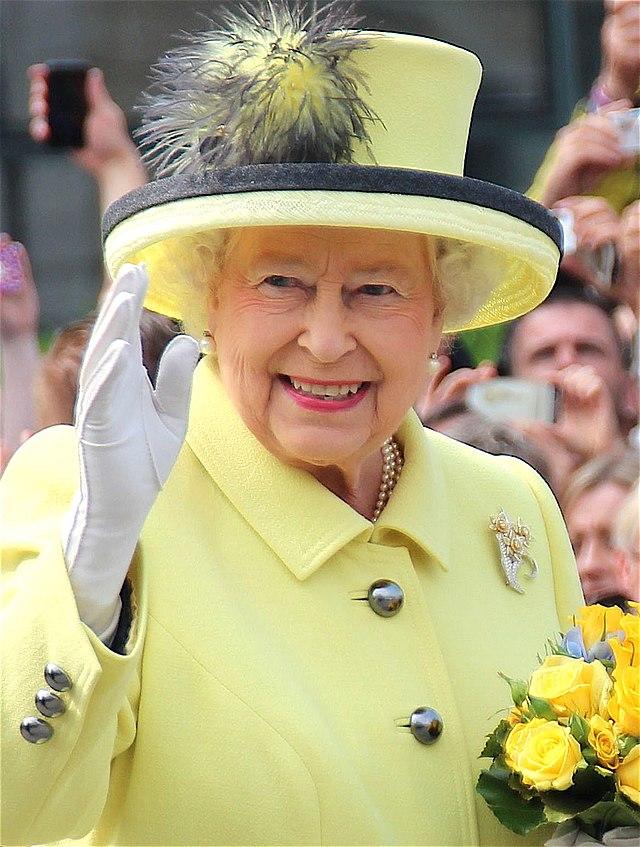
Queen Elizabeth II established a benchmark for monarchies with her skill in harmonising tradition and advancement, and certainly had a lasting impact on British history and the monarchy institution itself.
Her coronation in 1953 was the first ever to be televised, watched by an estimated 27 million in the UK.
Charles III (2022–present)
Charles succeeded Elizabeth II after her historic reign, facing the challenge of maintaining the monarchy’s relevance in the 21st century. His long career as Prince of Wales shaped his views on conservation and public service. He now leads during an era of scrutiny and transition.
Key Achievements
Charles III inherited the throne in 2022 after the record-breaking reign of Elizabeth II. He became king during a time when the monarchy was under increased scrutiny over its relevance in the 21st century. He was the Prince of Wales for over five decades and has a long record of public service and advocacy, particularly in environmental issues.
As king, Charles is looking to modernise the monarchy's image by streamlining royal duties and maintaining ceremonial traditions. The success of the British monarchy may depend on whether or not Charles can strike the balance between continuity and change.
Youngest Monarch
Victoria was only 18 years old when she became queen in 1837.
Oldest Monarch
Charles III acceded to the throne at 73, the oldest monarch to assume the throne.
Longest Reign
Elizabeth II served for 70 years, the longest reign in British history.
The Legacy of British Monarchs
Placing some of the most celebrated monarchs under scrutiny and revisiting the factors that made them great leaders certainly leaves a sense of appreciation for many of their sacrifices that have shaped the world we live in today.
It also provides valuable insight into the influence that these figures wielded in moulding the country’s destiny, showing why many historians regard them as the most important British monarchs. What’s also interesting is how the monarchy has evolved throughout history, reflecting the nation’s evolution by adapting to changes while upholding valued traditional customs.
Summarise with AI:
Enjoyed this article? Leave a rating!

 Loading...
