


When students enter a teacher’s classroom, they should be kept as safe as possible at all times. With big classes, this can be tricky. Teachers can’t be everywhere at once but if they work together it is possible that they can create a safe classroom environment. This can help with accountability for students and also teaches valuable life lessons. Bullying behaviour is never acceptable.
Whether you're new to teaching or looking to refresh your approach, these strategies will help make your classroom a place where students can feel safe to learn and express themselves without fear of judgement.
Want to give private lessons?
Join the Superprof community and share your knowledge with interested and motivated students.
Establishing Anti-Bullying Policies
Bullying can have a devastating impact on students' emotional well-being and academic success, so one of the first steps in creating a safe classroom is to make it clear that bullying is not tolerated.
Research from the Department for Education looking at pupils in year 10 found that 40% of young people were bullied in the last 12 months
Creating a safe environment doesn’t just mean enforcing strict rules after an incident occurs, it's about creating an environment where students understand what bullying is and why it’s harmful, and where they feel empowered to stand up against it. Many of us know how classroom environment affects learning, and as well as it being damaging for mental health, it is not conducive to learning.
Start With Clear Rules
It’s important to have a set of classroom rules and resources to address bullying. Post these rules in a visible place and review them with your students at the beginning of the school year, explaining why they are in place and how they will be enforced. The goal is not to scare students in this, try to turn it into an activity so that you are building trust together. Get the kids to suggest the rules if they are able to do so, which can also give them more ownership of them.
Model Kindness and Respect
As a teacher, students look to you for cues on how to behave. If they see you treat everyone in the classroom with kindness and respect.
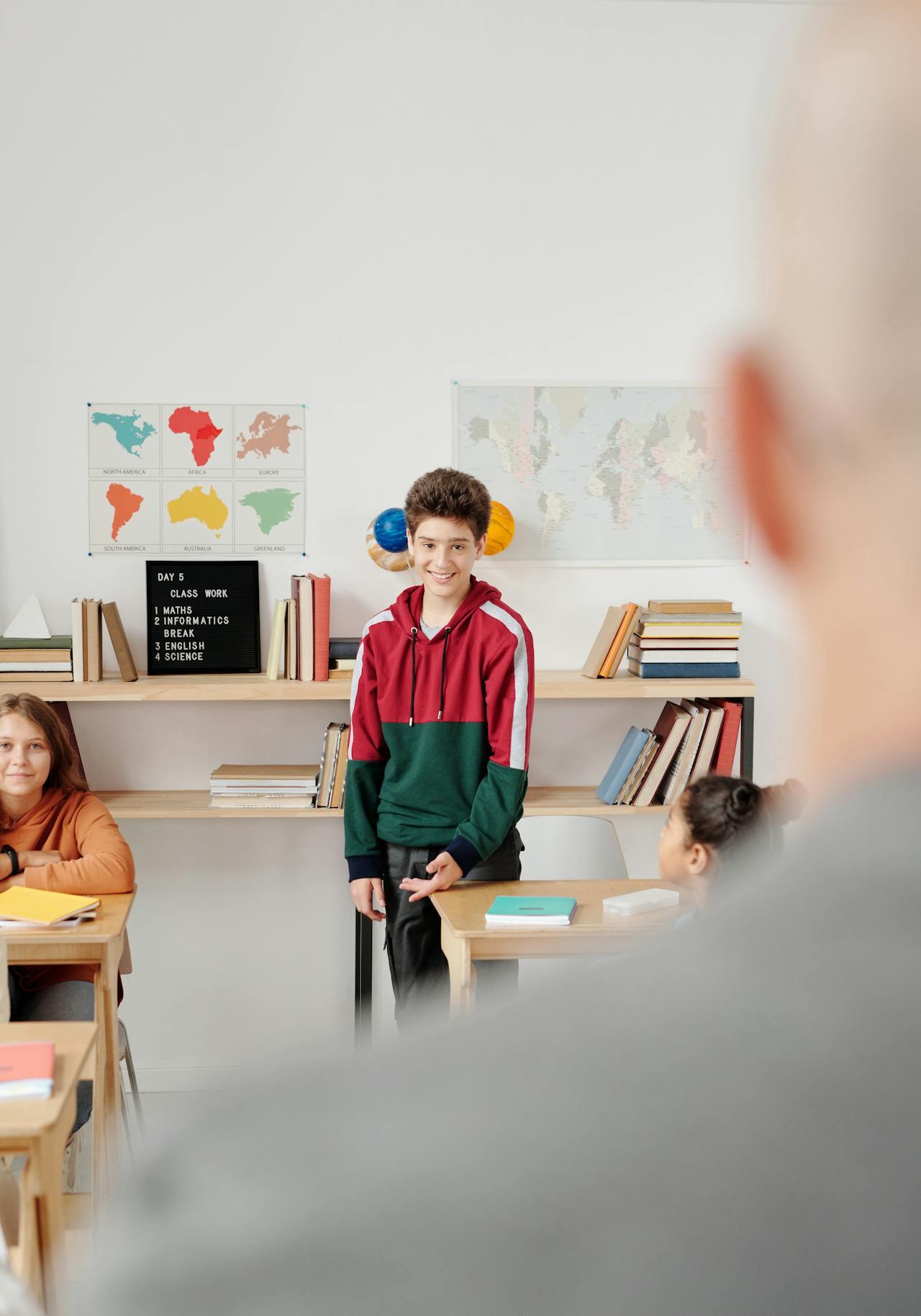
Be a role model – whether it’s how you interact with fellow teachers, students, or even parents when they come in for parents day. Students will be more likely to follow your lead.
Setting a good example is still one of the most effective options for showing children expected behaviours.
Promote Inclusivity
Take steps to ensure every student feels included, especially those who might be more vulnerable to bullying, such as students with disabilities or those from diverse cultural backgrounds.
Encourage Reporting
Let your students know that they can and should report bullying, whether it's happening to them or to someone else.
Students who don’t feel like they know how they can report it will probably feel very trapped. Provide multiple avenues for reporting, such as an anonymous drop box, or private conversations with a trusted adult. Most importantly, ensure students know there will be no retaliation for speaking up. Group work and cooperative anti-bullying workshop activities are a great way to promote inclusivity, but make sure to mix up groups frequently so students learn to work with all their classmates.
Encouraging Open Communication
One of the best ways to build trust and make students feel safe is by encouraging open communication.
When students know they can approach you with their concerns then they feel more secure in the classroom and are more likely to speak up if something is bothering them or they feel they need to.
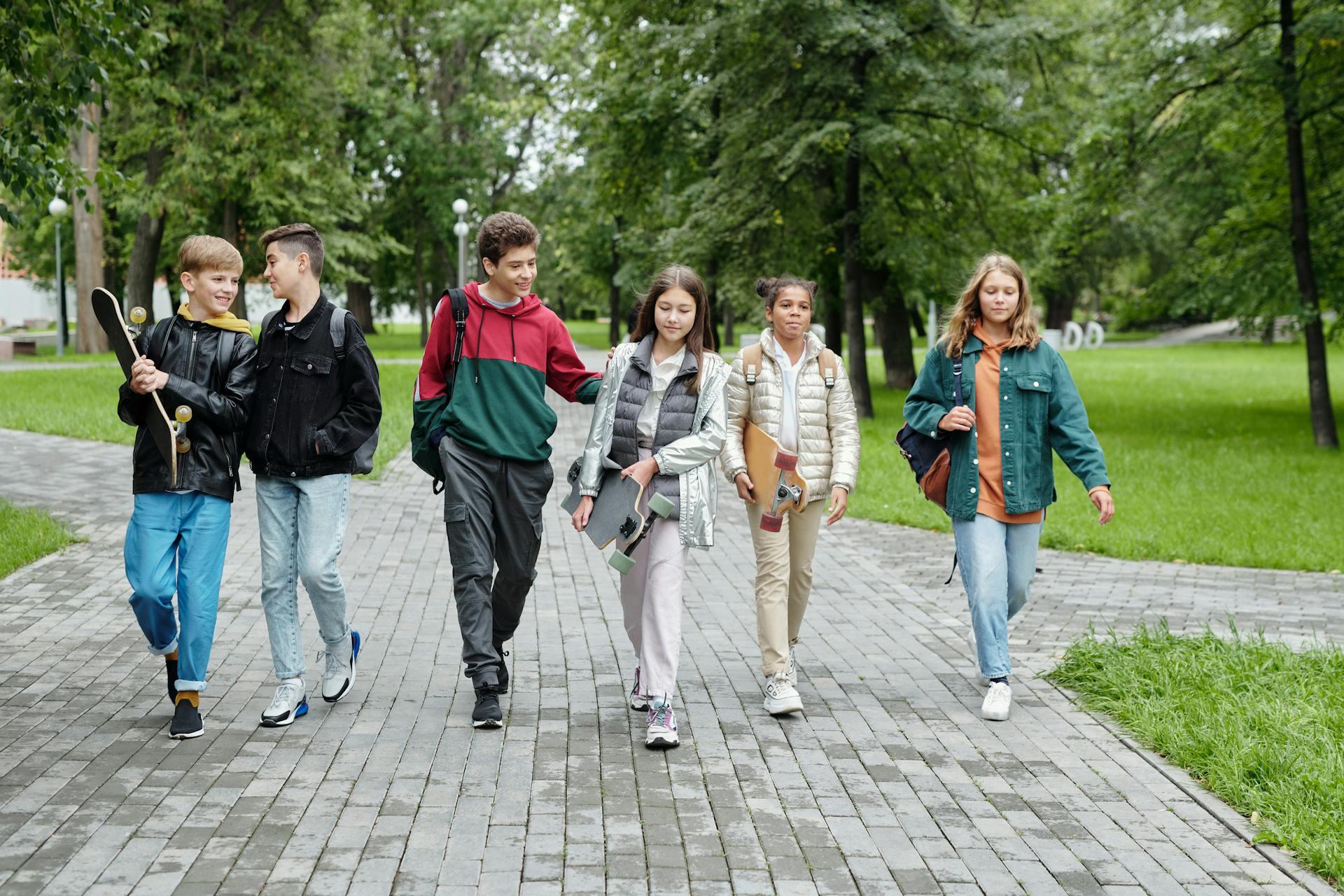
Create a warm and approachable atmosphere wherever possible. Simple gestures like greeting students at the door each morning, learning their names quickly, and checking in with them regularly can go a long way in building rapport. Encourage children to be polite with each other. Let them know that your classroom is a place where they can express themselves without judgement.
Curriculums may already leave us stretched for time, but taking a little time to establish routes of communication and agreed-upon rules may help with the classroom environment and save time in the long run!
Use active listening. When students come to you with a problem or a concern, it’s crucial to listen without interrupting or immediately trying to "fix" the issue. Acknowledge their feelings, ask clarifying questions, and thank them for sharing. This shows that you respect what they have to say and are genuinely interested in helping.
Offer various communication outlets. Not all students feel comfortable speaking up in front of the class or even in a one-on-one setting. Some might prefer writing down their thoughts, others might express themselves better through art or other mediums.
Consider creating opportunities for students to communicate in different ways, such as a thought box where they can anonymously submit notes or questions, or a weekly reflection journal.
Want to give private lessons?
Join the Superprof community and share your knowledge with interested and motivated students.
Building Empathy Through Classroom Activities
Empathy is the cornerstone of a respectful and inclusive classroom environment. When students are able to understand and appreciate each other's feelings and perspectives, it becomes much easier to create a space where everyone feels safe when together and that students know about safely communicating online. Incorporating empathy-building activities into your lessons can help students develop these critical social skills.
Role-playing Exercises
These are a fun and effective way to help students see things from someone else’s perspective. You can create scenarios where students take on different roles, such as resolving a conflict, helping a friend who is feeling sad, or standing up to a bully.
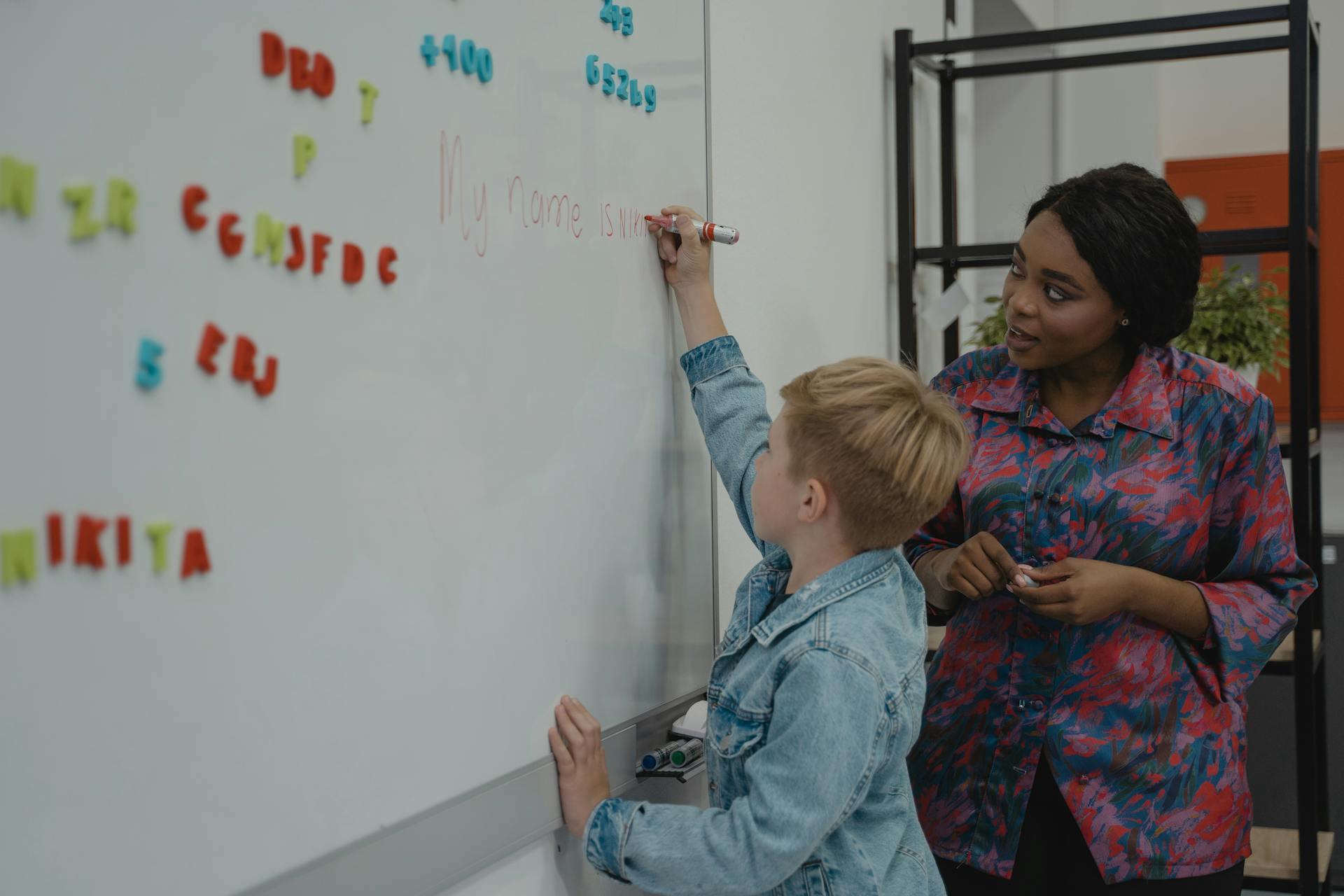
Afterwards, have a discussion about how each person felt in their role and what they learned from the experience.
Classroom Responsibilities
Assigning classroom jobs or responsibilities can help students feel more connected to their peers and their environment. Rotating roles such as cleaning up, helping a classmate, or being in charge of a group activity, can give students a sense of ownership and encourage them to consider how their actions affect others.
Literature and Storytelling
Choose literature that features diverse characters and experiences and encourage discussions about how the characters feel, what challenges they face, and how they overcome them.
These conversations help students relate to others and recognise the importance of kindness and understanding. There are some specific resources available, too!
The BBC is a big supporter of anti-bullying week and their resources can be helpful examples. Even playing their videos can help show what an impact it makes, and teach children about kindness. Books and stories that address bullying are powerful tools for building empathy.
Recognising and Addressing Bullying Behaviour
Why do people bully? This is a really important topic that a lot of people don’t fully understand anyway. Helping children to get their head around why bullying happens may also help.
Sometimes students engage in bullying behaviour without fully understanding the impact of their actions. Provide regular education on what bullying looks like in practice and how to be an ally to someone who is being bullied. Also, it is worth considering what the bully may be going through that is causing them to behave in this way. Incorporating anti-bullying lessons and discussions into your curriculum can help prevent bullying from occurring in the first place.
Involve parents and other professionals. If bullying persists, it may be necessary to involve parents, school counsellors, or other professionals. The safeguarding system is incredibly crucial in any school and if there is a safeguarding concern, report it in the appropriate way to the safeguarding lead within an organisation. Schools in the UK have to have safeguarding leads to ensure this support is extended to students.
Having a team approach can ensure that both the victim and the bully receive the support they need to move forward in a positive direction.
Recognising Bullying as a Teacher
Not all bullying is obvious, and sometimes students may be hesitant to report it. Keep an eye out for changes in behaviour such as a normally outgoing student becoming withdrawn, frequent complaints of headaches or stomach aches, or sudden dips in academic performance.
Physical injuries are a huge concern and these need to be treated very seriously. Cuts and bruises can also be an indication of bullying, including physical bullying. Similarly, if a child’s belongings keep getting lost or mysteriously disappearing, it is possible that there is an underlying reason. The fact that many students do not wish to share this information makes it tough to get to the bottom of.
The impact of bullying can stretch through the rest of your life or cause unresolved trauma. This means some people are feeling the effects of bullies decades later.
Creating Your Classroom Environment
Creating a safe classroom environment takes time, effort, and a lot of care, but the rewards are worth it. When students feel secure and respected, they’re more likely to engage in learning and develop positive relationships with their peers.
By establishing clear anti-bullying policies and doing all you can to make the classroom a safe and judgement-free zone, you can keep students safe. For further help and guidance for teachers, you can work with our existing Superprof tutors and teachers to build lesson plans and create a professional and harmonious approach within your classroom.
Want to give private lessons?
Join the Superprof community and share your knowledge with interested and motivated students.
Summarise with AI:
Did you like this article? Leave a rating!

 Loading...
