The Renaissance emerged as a response to the stagnant intellectual climate of the Middle Ages. It was a time of rediscovery and revival, as scholars and artists sought inspiration from ancient Greek and Roman civilizations. The period witnessed a renewed interest in humanism, an intellectual movement that placed emphasis on human potential, individualism, and secularism.



What was the Renaissance?
The Renaissance was a period of cultural revolution in Europe, which many would consider as its escape from the “Middle Ages” and a transition towards modernity, characterised by a revival of the pursuit of the arts and sciences, inspired by antiquity. The word itself “renaissance” is an adopted word from French, in which it literally means rebirth.
The Renaissance is often thought of as a movement that was experienced mostly by nobility and the “bourgeoisie” since it involved many things that were either culturally or economically insignificant to the average peasant or citizen. For instance, artists, scientists and academics would have been from wealthy families. The work of key figures during the Renaissance can be viewed as more so passion than productivity; times when such work is common is often also an indication of a golden age, which historians consider the Renaissance to be.
That is not to say that the Renaissance did not elevate certain aspects of the commoners' life. As the interest of Europe shifted towards the arts, it became far more common for peasants to be literate and have a little more free time to devote to recreational arts such as music. It was during this time that the peasantry transitioned out of the serfdom of mediaeval times, becoming free citizens with more individuality.
The Renaissance was a somewhat localised phenomenon. The location of the Renaissance can be generalised as Western Europe, with an epicentre in Italy, where the movement was born. And just like the culture and norms of Ancient Egypt, Renaissance culture swept the world.
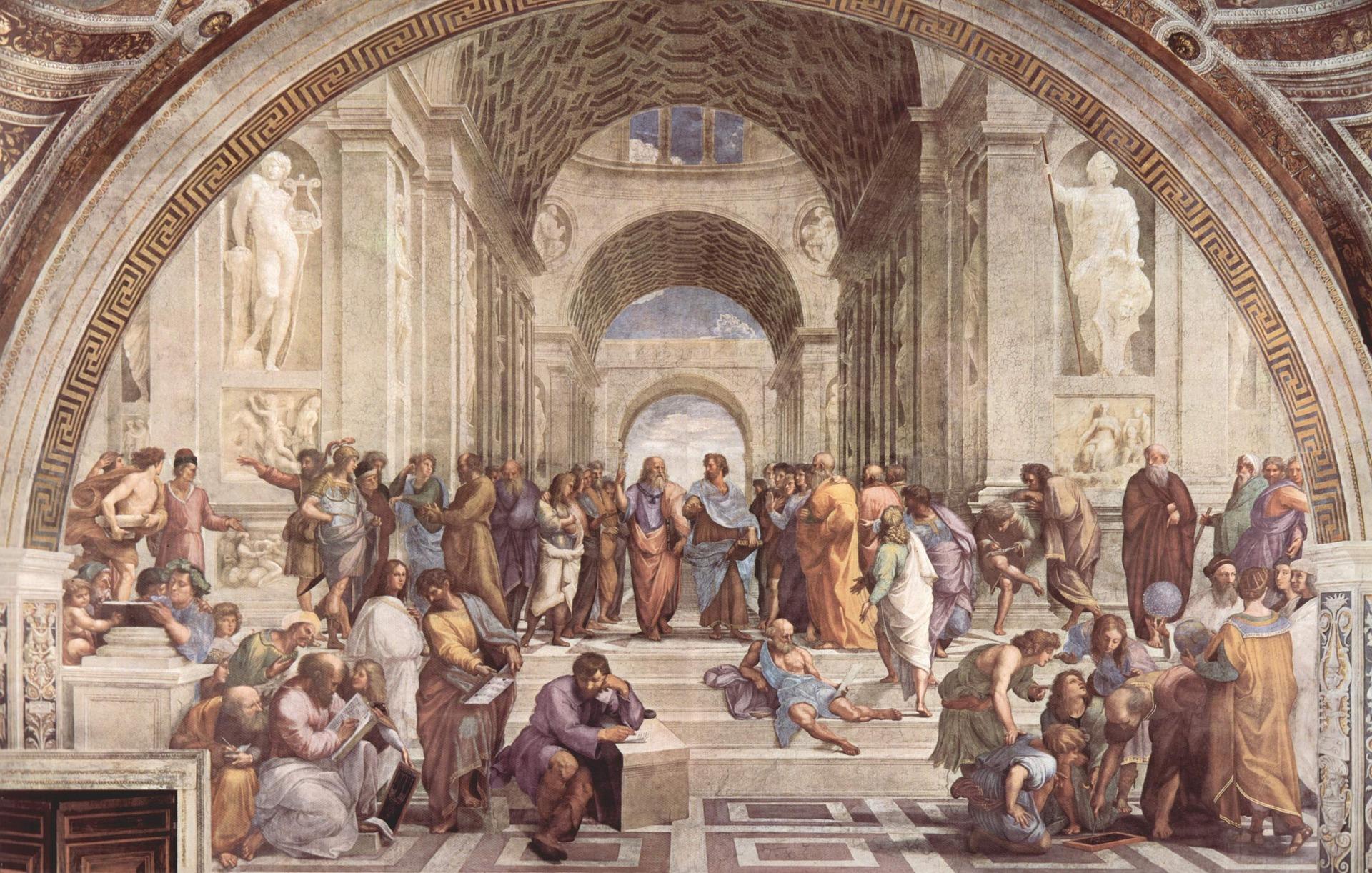
Timeline of the Renaissance
The renaissance can be said to have lasted from its beginning in the 14th century, up until the 17th century which saw the coming of the scientific revolution in Europe and the beginning of the Baroque movement in both art and music.
Below, we’ll use a timeline to examine the progression of the renaissance through the centuries.
- The renaissance began during the 14th century in Italy, with a large influence from the region of Florence spreading throughout the country. In this prosperous and opulent city, classical study and humanist philosophy became increasingly popular as a result of the relatively high quality of life enjoyed by its citizens, who would have likely had more time on their hands than their counterparts to pursue their own passions and creativity.
- The 15th century saw the movement grow in popularity and spread throughout all of Italy, promoting the exploration of innovation and new ideas. The movement gave rise to some of the most famous inventors and artists in all history, such as Michelangelo and Leonardo Da Vinci who we will talk about in more detail later. The art of the period featured an emphasis on realism and Christian religious imagery, resulting in some of the most stunningly detailed representations of historical scenes ever produced.
- In the 16th century, the Renaissance would spread further throughout Europe, carried by the common culture of Christianity throughout the Western world. Although its birthplace was Catholic southern Europe, the free-thinking and individualistic ideology promoted by the Renaissance and its scholars contributed in part to the beginning of the protestant division from the Catholic church. Religion, just like academia, was collectivised by the Renaissance and it was at this point that it became commonplace for families to own their own bibles and attend sermons and masses in their own language rather than exclusively Latin.
- Finally, the 17th century would see the Renaissance begin to die down in Italy and ebb out through the rest of Europe. The creativity and individualism it ushered in were not lost, but instead channelled into other artistic and scientific movements. As religion became a continuously less easy explanation for the increasingly complex natural phenomena being observed, the scientific revolution and rise in popularity of the scientific method can be said to have filled the Renaissance’s shoes as the driving cultural force and continues to do so even in modern times.
Famous Figures from the Renaissance
As mentioned before, the Renaissance was a time that accommodated some of the most influential thinkers and creators of European history. This article wouldn’t be complete without talking about a few of them.
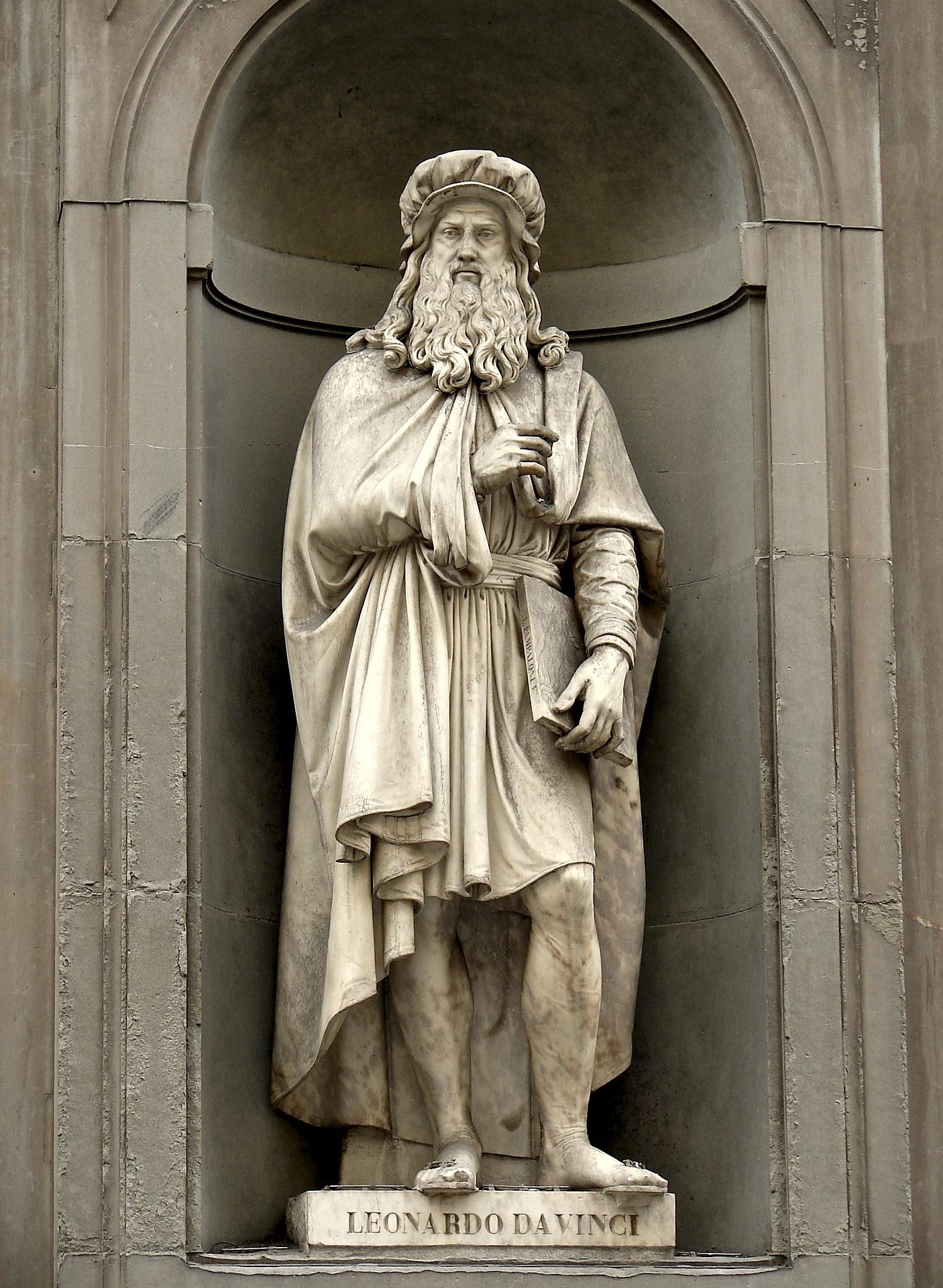
Leonardo Da Vinci: Da Vinci is often the first person to come to mind when we think of figures from the Renaissance, but also when we casually use the word ‘inventor’ and anything to do with invention.
Da Vinci was an Italian-born inventor, painter, sculptor, and architect. In more ways than one, he was the quintessential academic of his time and he used his ingenuity, creativity, and talent to produce all kinds of works that still astonish us to this day.
He is most famous for his extravagant and beautifully detailed paintings, which include perhaps the most famous painting in the world… The Mona Lisa. He also sketched, drew and designed ideas for machines that were far beyond their time in terms of complexity and scope; for example, he dreamed up designs for an armoured vehicle and even flying machines. Although some of his designs were impractical, they were also the first of their kind and opened the door for other inventors to fill in the gaps.
Perhaps without Da Vinci’s work, the Wright brothers, who accomplished the first manned flight, would never have kickstarted the world of aviation, as they allegedly drew inspiration from the great inventor who also observed pigeons when designing his prototypes.
Da Vinci also made contributions to medical science, by studying human cadavers and learning about anatomy. He ended up being one of the first people to study the human brain up close.
Shakespeare: Hailing from England, Shakespeare is perhaps the most famous poet and playwright in the world. He wrote many plays which continue to be retold and re-adapted over and over in modern media. His work in playwriting was so influential in fact that virtually every student in an English classroom will study his work at one point or another.
His most famous work is probably Romeo and Juliette, which is subject to many retellings on the big screen, using both his original lines and adapted ones, since the old English can be a little confusing for some audiences. Despite this, he is considered a pioneer of modern English, being credited with the creation of many new words that we use every day.
Romeo and Juliette, among other plays like The Merchant of Venice, tie Shakespeare’s work intimately to Italy, the birthplace of the Renaissance, and solidify Shakespeare as a Renaissance writer, although some historians claim that his subject matter and style is more relevant to mediaeval times.
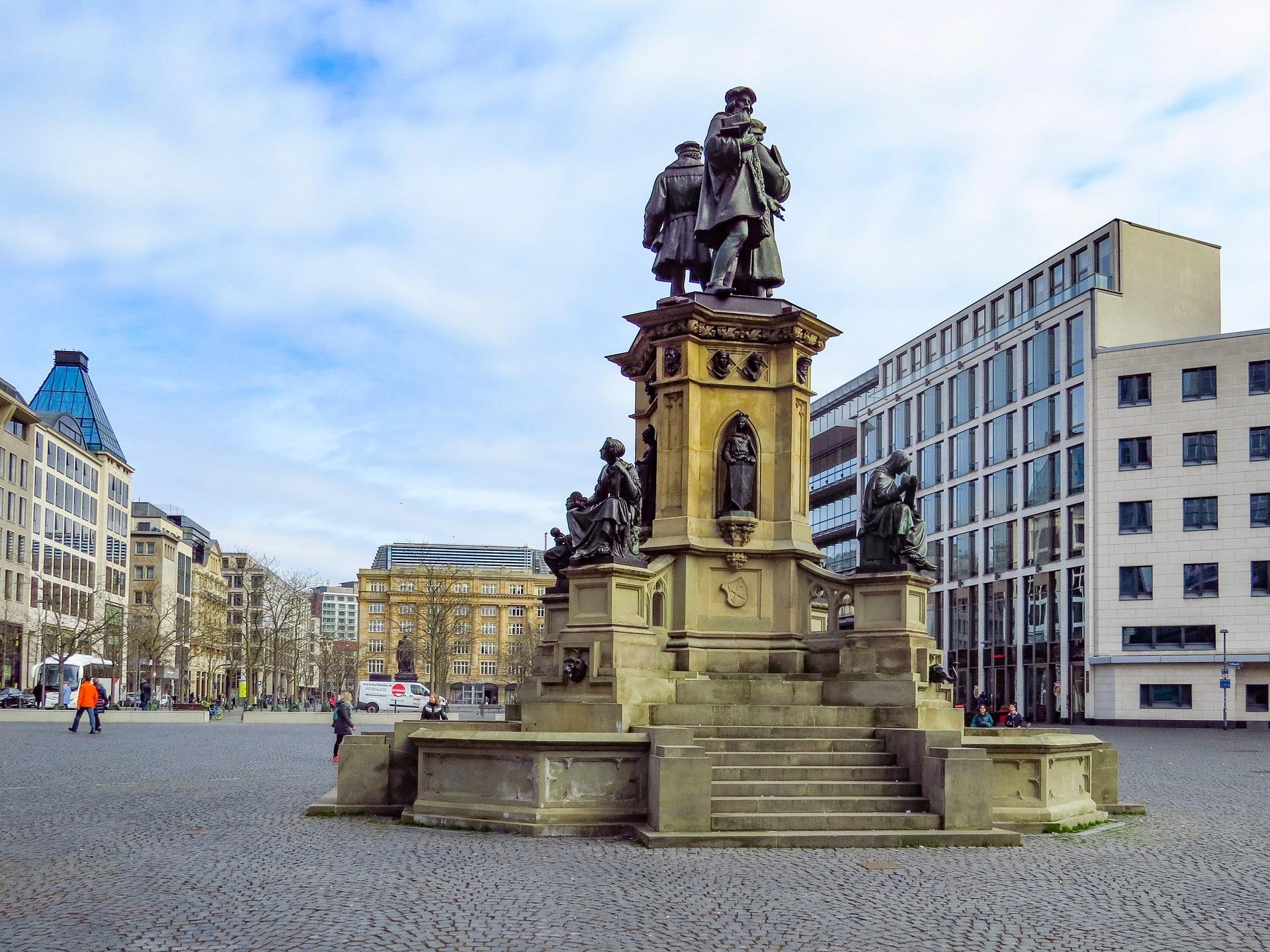
Johannes Gutenberg: The Renaissance was an uplifting time for people since it brought information and once-coveted activities to the common folk, but it needed a way to do this. Gutenberg was a German inventor who created the printing press, allowing information to be widely distributed at a low cost.
If you’ve ever tried to find free sources of academic literature, you might have heard his name before; his namesake is attached to the Gutenberg Corpus or Project Gutenberg, which is a massive collection of free books available online. It is aptly named since both fulfil the mission of spreading information to the public.
Gutenberg is renowned for his ‘Gutenberg Bible’ the first of its kind at the time in Europe, it was a bible that was printed rather than written by hand and was thus available to the public for an affordable price, allowing Christians to practise their religion at home.
What did we learn from the Renaissance?
The Renaissance caused a big shift in the way society operated and what we culturally valued as a collective. Prior to the Renaissance, only lords and rulers were seen as characters in the story of life, but thanks to the new ideology of humanism and the exploration of the idea of the individual, European countries identified and developed certain rights, freedoms and liberties that we now take for granted.
From the end of the Renaissance and onwards, war and conflict in Europe were more ideological than territorial. It was rare to see people blindly sacrificing themselves for a king, rather they would sacrifice themselves for their country and its ideals which they valued to the utmost.
To this day, our wars, however tragic, are believed by many to be fought on behalf of freedom and democracy. Another phenomenon of modern times is the war on ideas, such as the ‘war on terror’ or the ‘war on drugs’ waged by American politicians and media.
On this note, I think it’s important to say that we still have room to grow and improve as a human race and that we should continue this way of thinking in an effort to truly free ourselves from the shackles that our lives impose on us. Whether we look at it through the lens of the Renaissance or not, human history seems to have always followed the formula of improving the quality of life of the generation that follows us, and I see no reason we should stop now.
Afterword
I hope you enjoyed reading this article and can leave with a better sense of what we mean by the Renaissance and the way in which it impacted and continues to impact society and culture. But did you wonder why we didn't talk about the Renaissance's impact on Great Britain? If you want to read more articles about history, science or any other field of academia, make sure to check out the other articles on superprof, where there are plenty of interesting reads you don’t want to miss out on. We hope to see you again soon.
Summarise with AI:
Enjoyed this article? Leave a rating!

 Loading...