


“To dance is to be out of yourself. Larger, more beautiful, more powerful… This is power, it is glory on earth and it is yours for the taking” - Agnes De Mille
Would you like to become a choreographer? What are the differences between a dance teacher and a choreographer? Are they the same job?
Here are the differences.


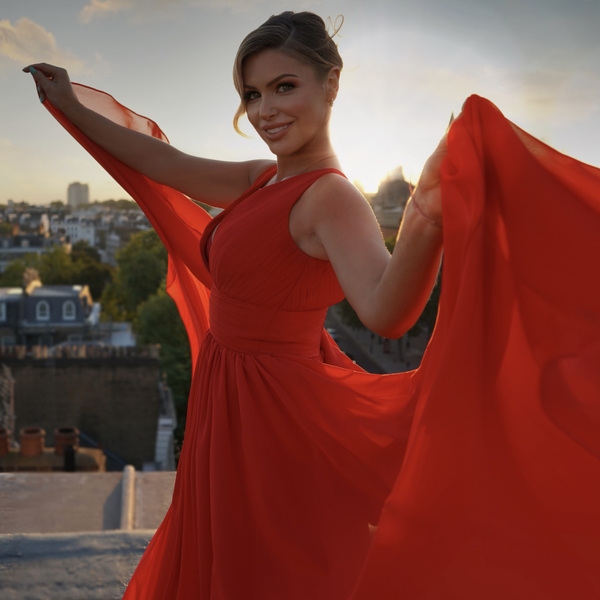




Dance Teachers
A dance teacher will show students the theory and techniques involved with dance classes through private tutorials.
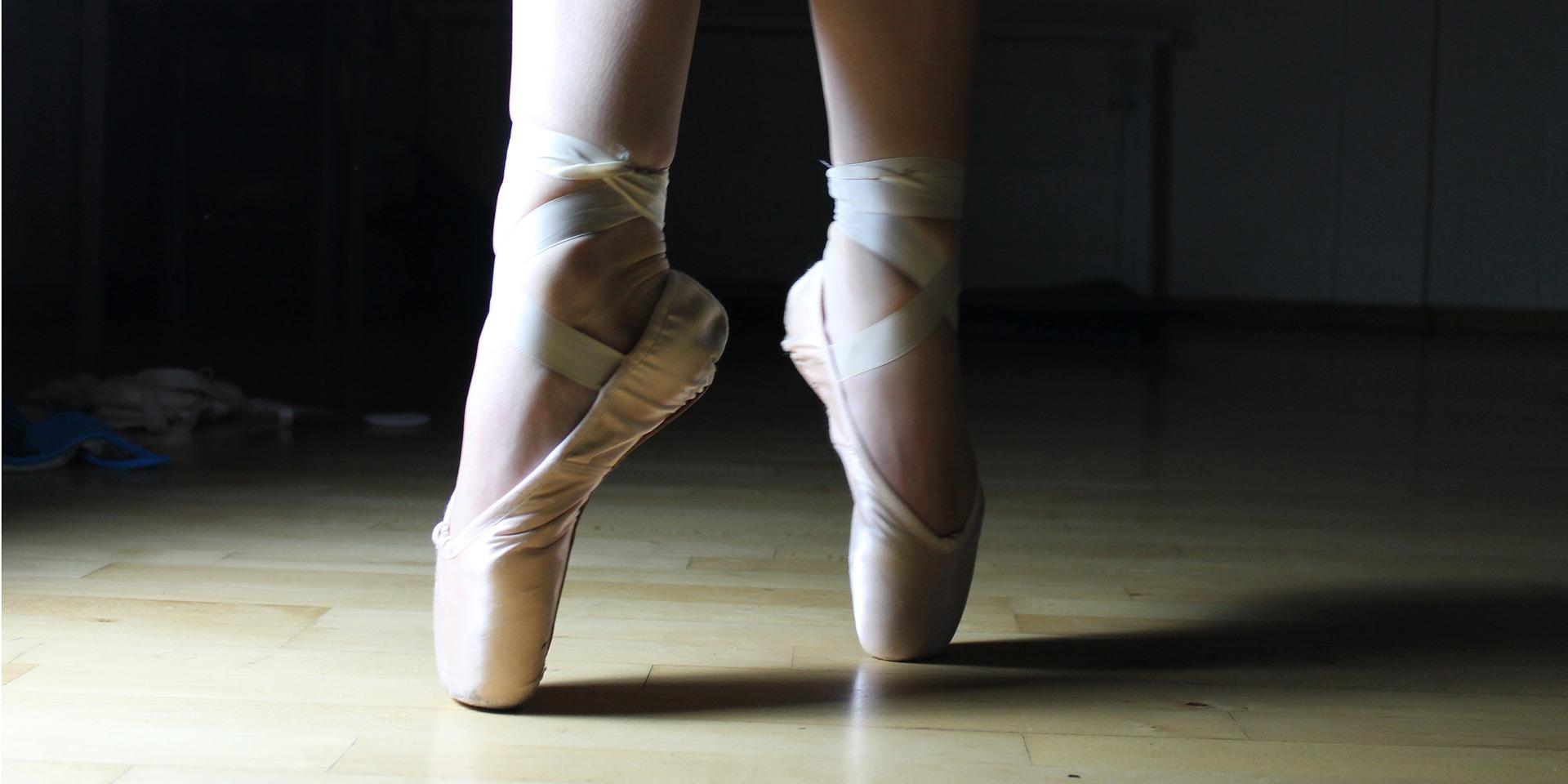
They can teach different styles including ballet, contemporary, modern jazz, Oriental dance, rock, Argentine tango, Viennese waltz, flamenco.
The Role of Dance Teachers
A dance teacher will teach the fundamentals of dancing, techniques, posture, moves, and how to move around the stage. They’ll also create choreography, but this will be to teach the students rather than devised solely with performance in mind.
They’ll teach a variety of levels including beginners, intermediates, advanced students, amateurs, professionals, children, adults, etc. A dance teacher needs to be passionate about dancing and transferring their knowledge to the next generation of dancers.
The Objectives for a Dance Teacher
Like any other teacher, dance teachers have pedagogic objectives:
- Teach the student how to master a given technique.
- Help the student to develop their understanding of the art.
- Give the student the skills they need to teach themselves.
- Encourage the student to express their creativity.
The Skills and Qualities Required by Dance Teachers
To become a dance teacher, you need many skills and qualities. While there are a few different qualifications for dancers out there, they’re not necessarily for dance teachers but rather to show that a student has mastered the art of dance or a given style of dancing.
A dance teacher needs to:
- Master various techniques and the style of dancing that they teach.
- Know about the history and culture around the style they teach.
- Transfer their passion and willingness to dance to their students.
- Create dance routines for students.
- Have the physical and technical abilities to dance.
- Know what their student needs and how to adapt their lessons to their students’ level.
- Express their creativity.
- Manage a group of students.
- Put together or organise a show.
Generally, dancers become teachers because they’re passionate about dancing and want others to enjoy it, too. They also need a sense of rhythm, be firm and authoritative when necessary, patient and understanding, and driven.
A dance teacher needs to forge bonds with their students, be able to manage stressful situations, and convey their enthusiasm and passion for dancing to their students. They also need to be in decent shape to keep up with their lessons.
Improve your fitness by discovering a new hobby or refine your technique through quality dance classes.
Where Can Dance Teachers Work?
A dance teacher or private tutor can work in many different places:
- Dance academies
- Conservatoires
- Leisure centres
- Dance schools
- Dance associations
- Gyms
- Students’ homes as a private tutor
When Do Dance Teachers Work?
For a lot of students, their dance classes are in the evening once children have finished school and adults have finished work. This means a lot of dance teachers can work in the afternoons and evenings until late at night. Those working in dedicated dance schools and academies may also work during the day and on weekends. As for end-of-year shows, they can also work on weekends quite regularly.
The Fine Line Between Dance Teachers and Choreographers
A dance teacher can also be a choreographer. It’s common for dance teachers and choreographers to be former dancers, especially as they get older and their dance careers wind down.
Discover the various adult dance classes near me here.
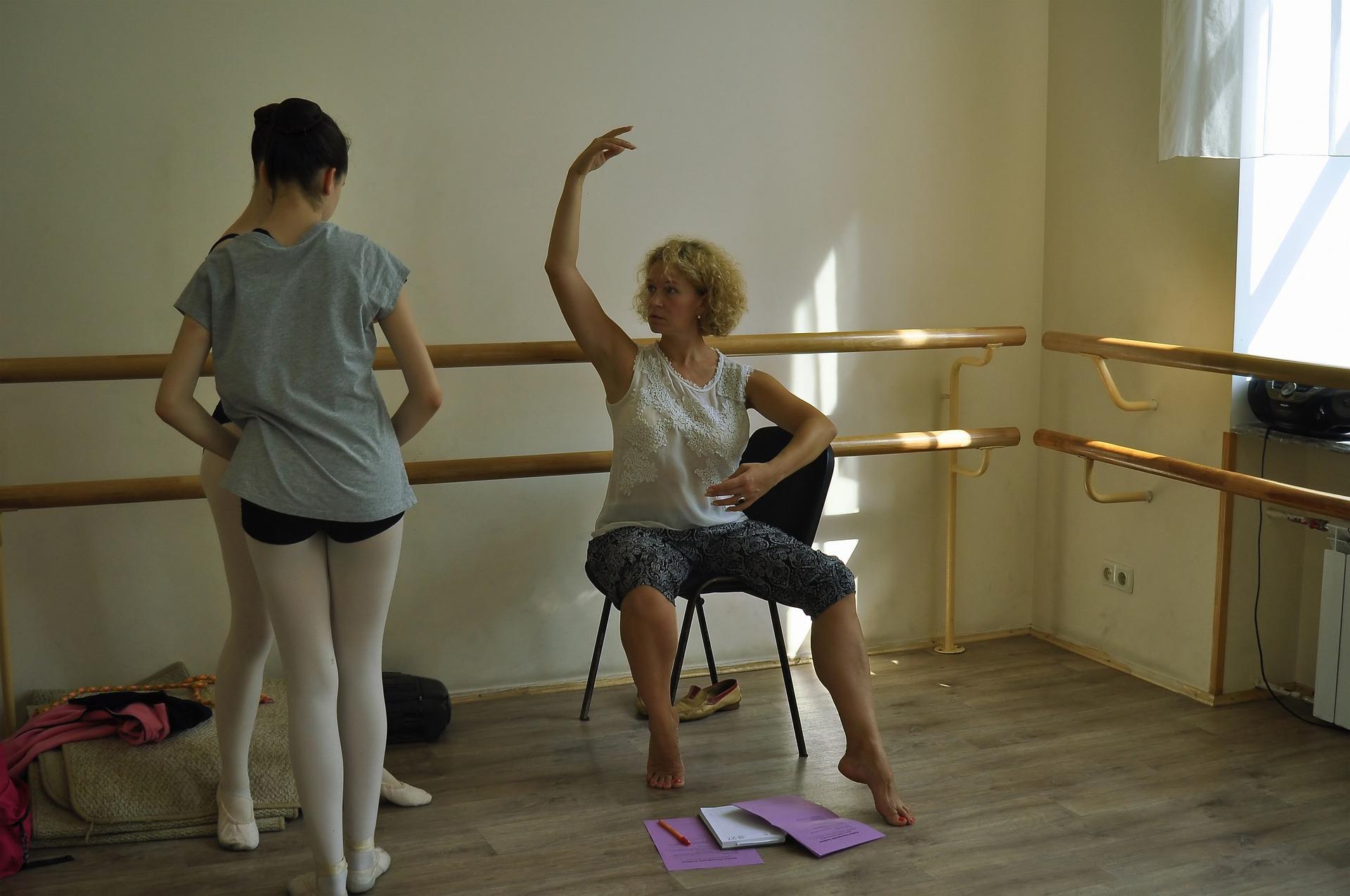
They can be both teachers and choreographers. After all, they understand dancing and may also have the necessary skills to put together routines.
There’s also the possibility of setting up a dance company that offers lessons and choreography. The company may be called upon to create and perform dance routines for shows, TV, film, music videos, etc.
So what are the differences between a dance teacher and a choreographer?
Find out what makes a good choreographer
Choreography as a Career
A choreographer mightn’t necessarily be a dance teacher. They need to have a good understanding of dance and how to teach it, but they won’t usually work with amateur or aspiring dancers. A choreographer will usually work with expert or professional dancers with stage experience.
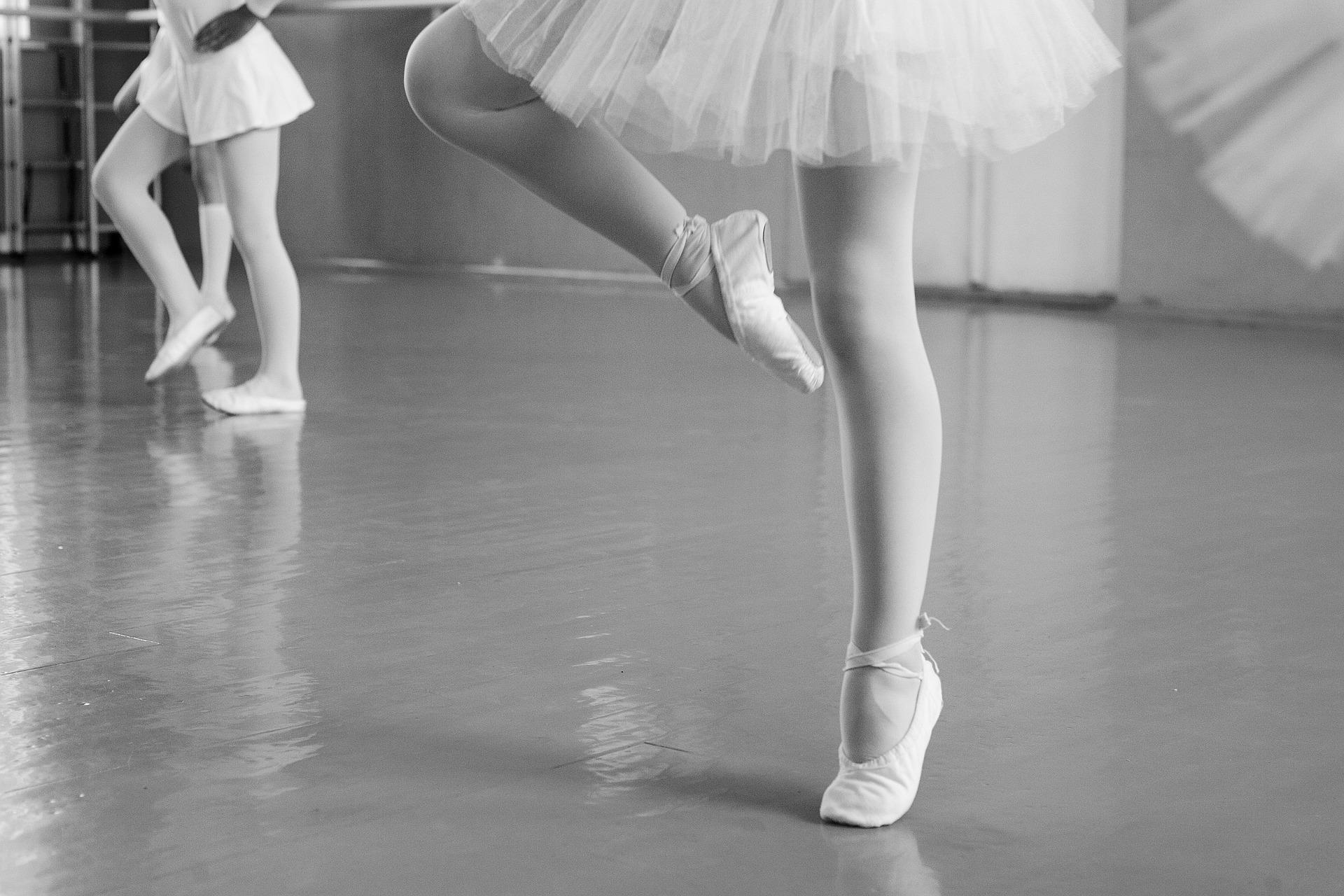
Find out how to become a choreographer
The Role of Choreography
Choreography brings dancing to life. A choreographer needs to combine dance steps and movement into sequences and create an entire routine.
They can create choreography for audiences big and small. They have a few roles:
- Research and manage projects. If they’re creating a dance routine, they also need to know what the dance will be used for, choose the music or match it to some music they’ve been given, and maybe even choose the outfits that the dancers will wear. For established shows and performances like Swan Lake, they’ll need to research other performances, the routines, the script, and the music. They need to know the project inside-out to ensure that the dance matches up.
- Choose the music. Sometimes, like with the Swan Lake example, they won’t have a choice. In other instances, they’ll need to find and pick music that matches their project. They’ll have to listen to a lot of music before they decide.
- Create the choreography. They need to choose the steps, the movements, the techniques, the sequences, and the positioning of each dancer. They need to be able to mentally devise their dance routine and then put it together so that the dancers can understand it. They can use diagrams, too. In some cases, they need to plan everything out to the millimetre.
- Recruit dancers. If they don’t already have dancers or their own dance company, they may need to recruit suitable dancers for each project. They may also need to hold interviews and auditions for different roles.
- Manage the logistics. They may need to also order scenery, costumes, and equipment for their routine and manage the finances.
- Teach the routine and run rehearsals for the dancers.
Connect with a community of like-minded individuals in your dance classes.
The Objectives for Choreographers
A choreographer’s job is to create dance routines. This means they could be in charge of just the dancing or the whole performance.
They first need to devise the routine and then teach it to the dancers.
Discover the qualifications choreographers may need
Where Do Choreographers Work?
As you’ll have seen, a choreographer isn’t necessarily a dance teacher, even though there’s a lot of overlap between the two careers. In some ways it’s easier, in other ways it’s more difficult. They have the advantage of getting to work with more experienced dancers, for one.
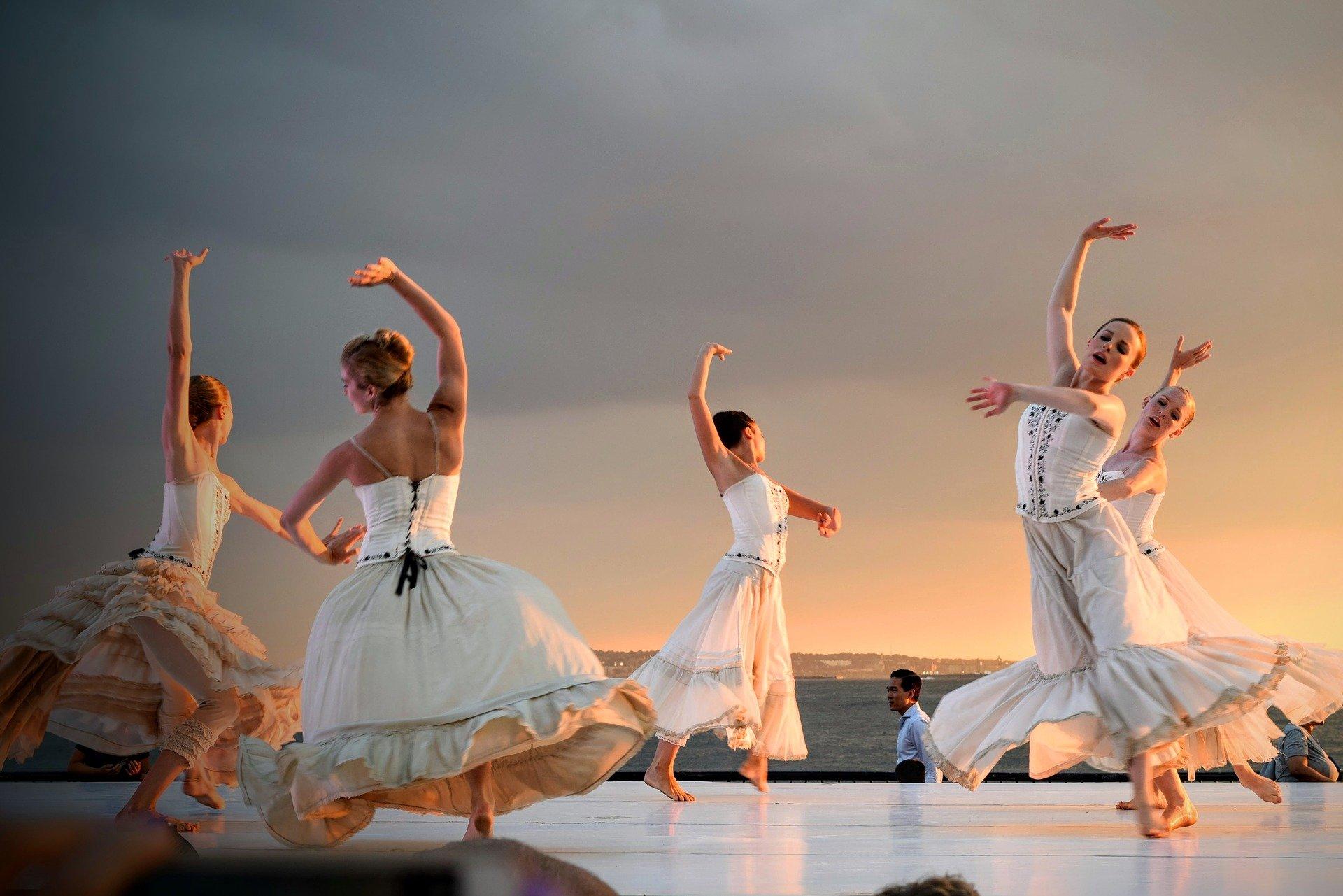
Choreography can be used by film, theatre, musicals, TV, and dance companies and a choreographer can work for themselves or dance companies. They can offer their services as a freelancer or work for a dance company and their customers. In any case, it’s a niche career and it isn’t always easy to earn a living from it, especially at the start.
A dance tutor or teacher may have a good understanding of choreography and a choreographer will have some understanding of how to teach dance. How much they overlap depends on the dancer themselves.
Find out where choreographers can find work
So which career interests you the most?
If you're interested in choreography or dancing, consider getting private tutoring from one of the many talented and experienced tutors on Superprof. There are plenty of tutors out there who can help you in several different ways.
There are different types of tutorials available and since each comes with advantages and disadvantages, you must choose the right one for you, your level, and your budget.
Don't forget that a lot of the tutors on the Superprof website will offer the first lesson or session for free. These sessions are useful for trying out several potential tutors before deciding which one is right for you. After all, dancing or choreography isn't learnt overnight and as you'll probably be spending a lot of time with your tutor in the long-term, you'll want to choose the right one.
We recommend thinking carefully about what you want to learn, how quickly you want or need to learn it, and how much you're willing to spend on private tuition. Once you have the answers to these questions, you can start searching for tutors on the Superprof website and see which ones fit the bill. Only arrange free lessons with the tutors that you think would be suitable as taster sessions with other tutors that don't look suitable will only be a waste of your time.
Fortunately for you, there are plenty of great tutors on our website!
Summarise with AI:
Enjoyed this article? Leave a rating!


 Loading...
