
The coronavirus pandemic, for all the havoc it's wreaked on our lives and the world, has also delivered a few benefits, as strange as that sounds.
During those eternal lockdowns, when we all thought we'd go mad, a number of people got quite resourceful in using their bounty of home confinement time. Some gained popularity for small-space skating; their videos started a new fitness trend. Others learned how to play chess or a musical instrument.
We've heard all about baking sourdough bread and many other Tik Tok challenges but the one trend that made it to all the major news outlets was sewing.
Suddenly, with no place to go and nothing better to do, people were dusting off their notions kits and dragging out their sewing machines. Fabric stores revelled in the renewed interest and, judging by the continued sales they enjoy, the passion for creating with cloth is in no danger of waning now that lockdowns are over.
You can rest assured that we're certainly not advocating for more lockdowns or for this pandemic to continue, but we have to wonder: was the sudden spike in online searches for fashion design courses a direct result of this renewed joy of sewing?
It's hard to tell why people are searching online for fashion courses but one thing is for sure: there's a bit of confusion over what a fashion course is.
| Types of fashion design courses |
|---|
| - Practical skills: garment construction and pattern-making, fabrics, pattern placement and sewing skills. |
| - Artistic/creative skills: sketching and graphic art courses, including colour matching, blending and harmony. |
| - Business for the fashion industry: cost and inventory management, quality control and sourcing. |
| - Marketing fashion by traditional means and through social media and e-commerce platforms. |
Ideally, a fashion degree programme from a reputable school would include all of these elements. Let's go over each one and then, go over some reasons why it's a good idea to take a fashion designer course.




Fundamental Fashion Skills
Before Coco Chanel launched herself into the fashion industry, she had practically no idea what fashion was. Born into a poor family and parked in an orphanage by age 11, she was taught how to sew by the convent's nuns. After ageing out of the system, she found work as a seamstress and, finally, developed her fashion brand thanks to the support of her wealthy lover.

Could Coco have become a fashion icon without having known how to sew?
It's possible, but we have to remember that that was a time when social standing meant everything, even the difference between success and failure. If she hadn't been the mistress of a rich man with good social standing, her less-than-privileged background would have barred her from any class advancement.
That, and the fact that his patronage made her worries over penury disappear, leaving her free to design and create to her heart's content.
If ever there were a case study for why fundamental skills are necessary for a fashion career, Coco Chanel would be it.
If you've no patience for sewing, let alone any knowledge of the various stitches, fabrics and trims, it would be much harder for you to break into the fashion industry.
You must also know how clothing is constructed:
- how fabric is measured and cut
- the types of seams (and how to stitch them)
- double-stitch seam
- tucked seam
- lingerie seam
- Mantua maker's seam
- flat-felled seam and flat seam
- channel seam
- lapped seam
- the types of edge finishes
- pinked finish
- double-stitch finish
- edge-stitched finish
- herringbone finish
- bound seam finish
And, of course, for all of this, you need to know and understand fabrics: how they're constructed and how they 'work', which ones are good for draping and which for pleating, which types of seams work on which fabrics and the difference between warp and weft.
Granted, you can learn these and practise aspects of fashion design at home but beware that a good fashion design course will to test you on all of them.
Find sewing classes here on Superprof.
Drawing Skills
Unless you are exceedingly talented in communicating with words what you see in your mind's eye so that others can draw it for you, you will have to have the ability to draw the garments you want to create.
Drawing is a skill that you can learn and refine, whether you contend you can draw or not. Keep in mind that only a few have a natural talent for sketching and, even then, they learned by trial and error how to use the right pencils, apply the right amount of pressure and develop a sense of ratio and proportion.
And even if you've mastered the art of sketching designs, there's still quite a bit to learn about drawing for fashion.
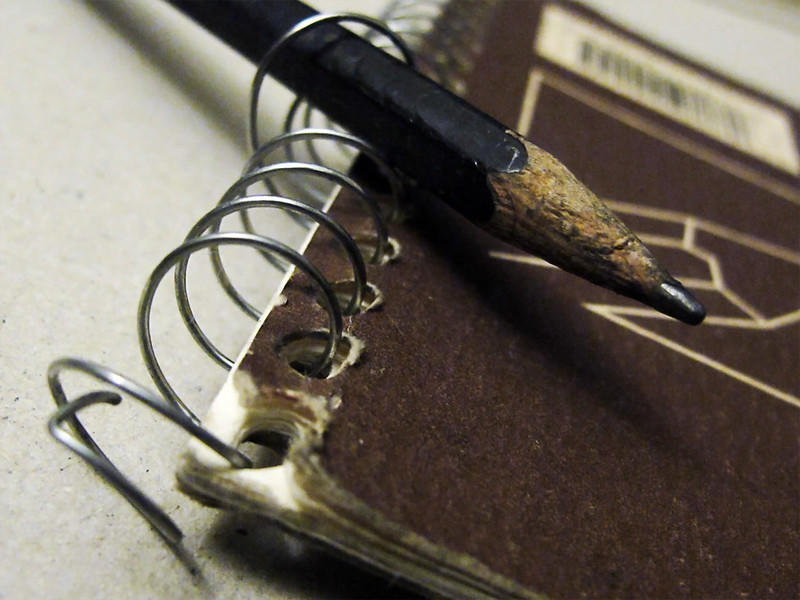
Let's imagine that you're a part of a design team, brainstorming the spring collection. It's a convivial affair, with plenty of discussion over colours, patterns and the story the label wants to tell with its garments. Soon, the sketchpads appear and artistic hands start sketching.
Those initial concepts will serve as inspiration but the presentation boards will be rendered using a digital drawing programme. So will most of the pieces that make up the collection.
Drawing talent, whether learned or natural, is not enough to compete in the world of fashion design. You must also know your way around graphic design software and all of its tools. And, the more experience you have with computer-aided drawing, the more in-demand your drawing skills will be.
Indeed, drawing is one of the most important skills fashion designers need.
Business and Marketing Skills
You might think that, working in the art department of a major fashion house, business and marketing concerns are several rungs higher than your pay grade.
Of course, you're perfectly entitled to think that but taking that attitude severely limits your prospects of working in the fashion industry. Limiting your scope of knowledge about the fashion industry is tantamount to saying "Not my job so I don't care!".
Like every other industry, fashion is hurtling through rapid changes due to circumstances not wholly in its control. The recently-voted, G7-imposed global tax is an excellent case in point because all four fashion capitals - London, Paris, Milan and New York are in G-7 countries.
Not only does that resolution levy new taxes against industries, it holds them accountable for environmental impacts they cause and mandates support for vulnerable countries. All of these issues impact the fashion industry directly and everyone related to fashion should be aware of these new rules to ensure compliance.
By the way, are you ready for London Fashion Week? It's just around the corner...
Why do you need to know about marketing?
It's nice to amble through shops and try on new clothes, isn't it? Unfortunately, it's becoming harder and harder to do. Stores are under tremendous pressure to cut costs; one way they do it is by selling the bulk of their inventory online. Anyone who doesn't fit in the narrow size range stores stock has no choice but to resort to e-commerce.
Whether you work in an established house or develop your own label, knowing how to market fashion - both online and in stores is essential. After all, a large part of designing is making clothing both accessible and desirable, so knowing what sells and how it sells is vital.
Find sewing courses here on Superprof.
Why You Need Fashion Design Courses
You may be able to channel your inner Coco or Louboutin - another fashion icon with no formal training, to make a name for yourself in fashion. But wouldn't it be better to take in the full breadth of the fashion industry and all that it encompasses, first?
Of course, learning on the fly has certain advantages, especially if you're picking up practical skills. Still, you mustn't forget that fashion is an industry, governed by laws and subject to the same characteristics as any other concern: finance, marketing, sourcing and staffing.
Granted, you could take separate business management courses and marketing classes but it's likely that none of the information would be fashion industry-specific.
And then, there are fashion's creative aspects to consider.
You may be a whiz with the sketchpad but how can you be sure you know all there is to know about sketching for fashion? And maybe you have long experience drawing on a Wacom tablet, but there are so many other drawing suites to know of and work with!
Finally - and this might be the most vital reason to take fashion design classes: you will have the opportunity to network with people already in the business and find a pathway to internship in a fashion house or clothes manufacturing concern.
No fashion collection ever makes it to the runway without the input of multiple creative minds. Every designer, whether independent of any label or working as a couture assistant in a major fashion house needs a vast network of contacts - for inspiration, to get tips on where to find low-priced, quality fabrics, and to stay atop of the industry's grapevine.
We mean insider news, not gossip.
All of this sums up what a fashion design course is: a network builder, an ideas and inspiration centre and a skills bank you can make as many withdrawals from as you'd like.
Now, if you only knew how to start studying fashion.
Summarise with AI:
Did you like this article? Leave a rating!

 Loading...